
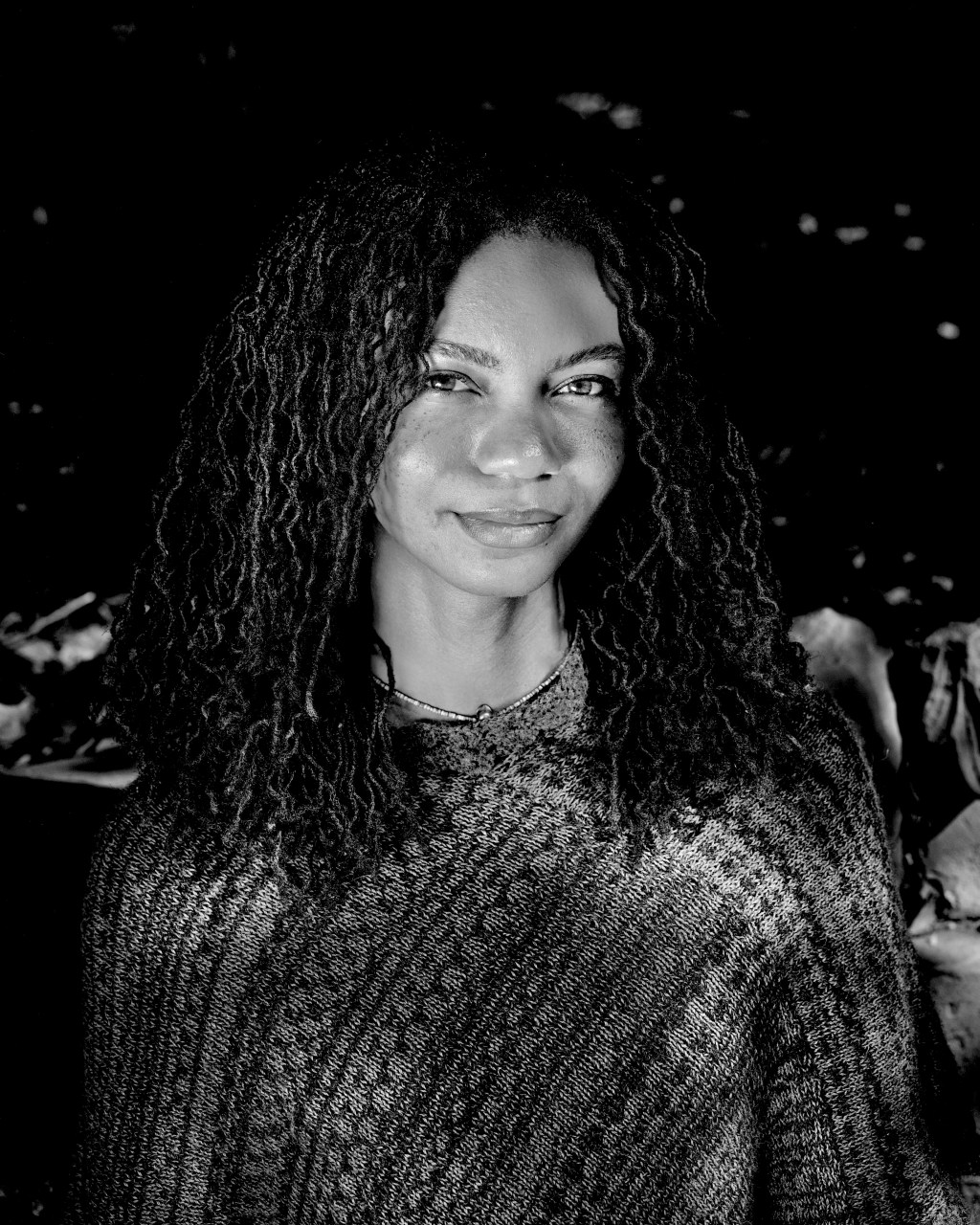
Meet Leah Thomas, an intersectional environmentalist and author.
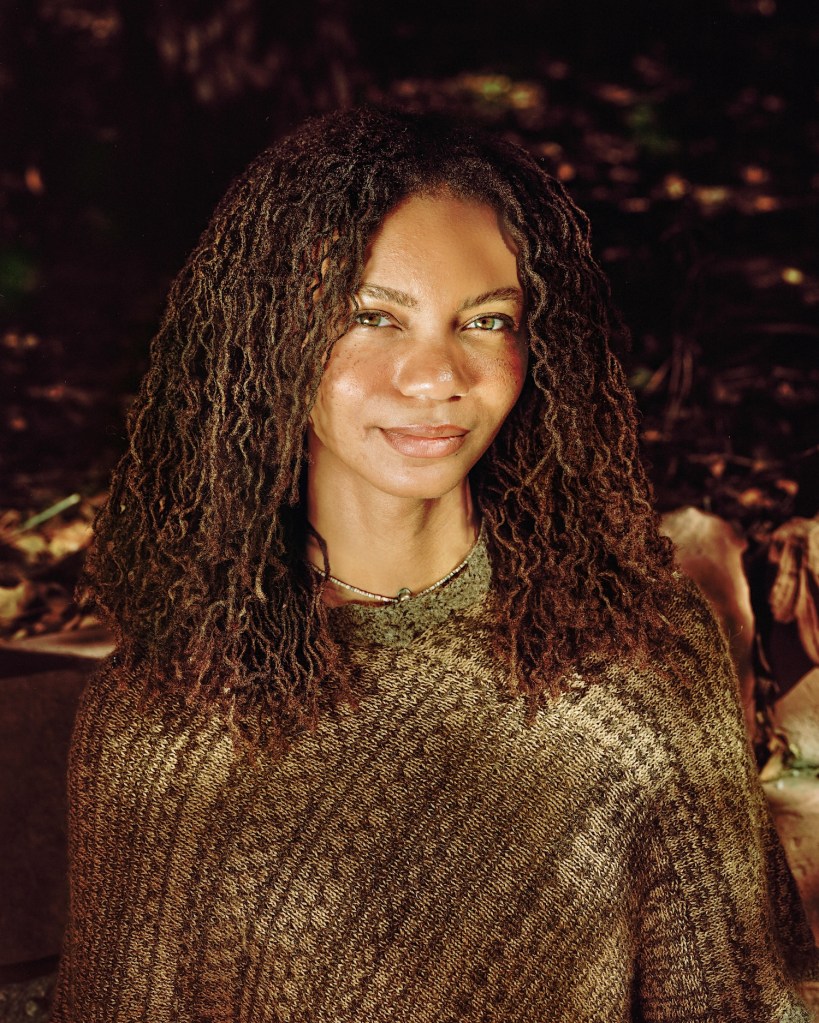
Our editorial team had the opportunity to chat with Leah. We got to learn more about her upcoming book, ecofeminism, and how storytelling can fuel environmentalism. This conversation went as follows:
What first made you want to talk about climate justice and intersectional environmentalism on the internet?
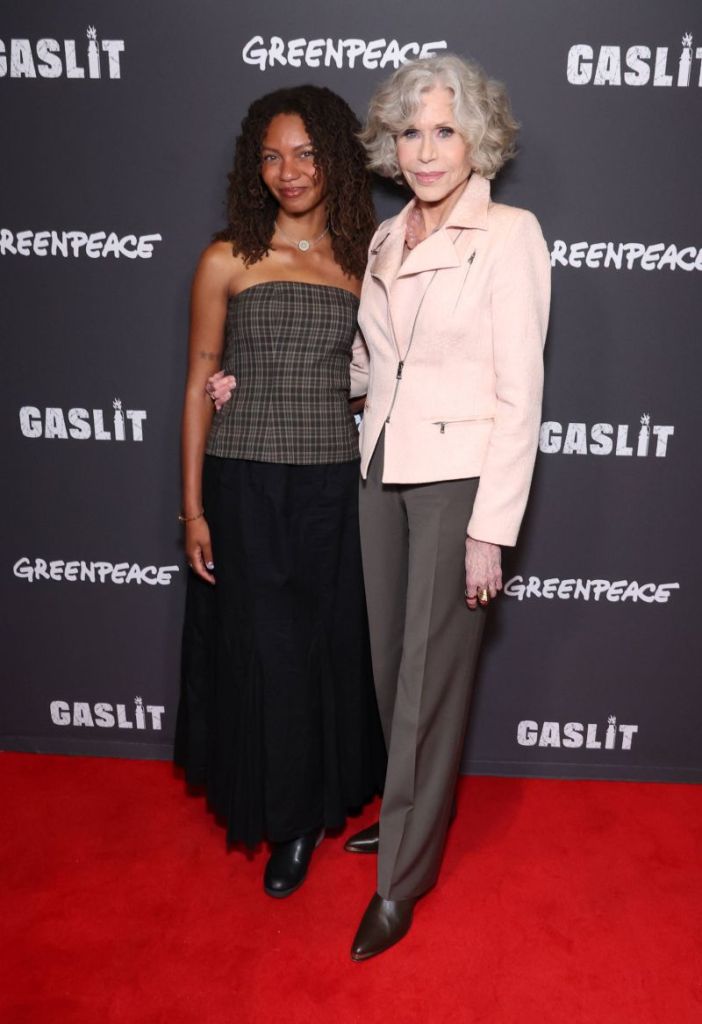
I studied environmental science and also really enjoyed learning about green beauty, sustainable fashion, and my personal interests. Eventually, I wanted to also share what I was learning about environmental justice, since it wasn’t being talked about a lot on social media at the time.
Your new book, Earth As Mother, comes out in March! What made you want to write a book?
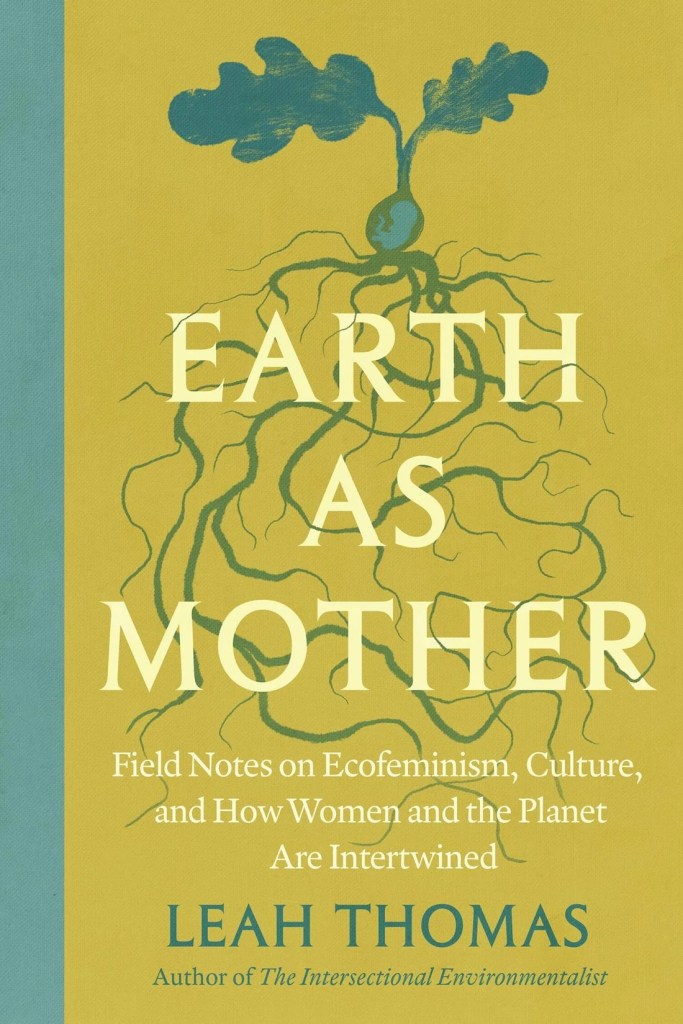
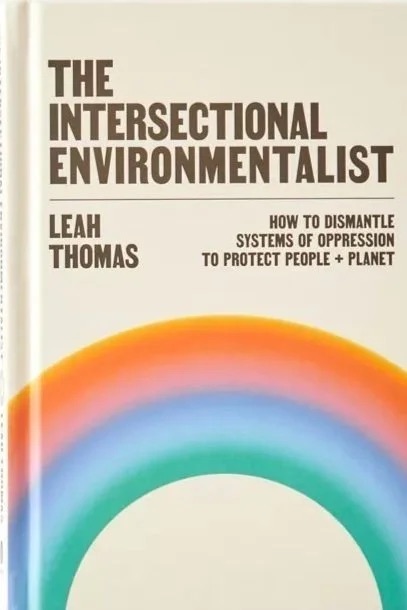
This is my second book; my first was The Intersectional Environmentalist, and my second is here 4 years after my first. A lot has changed; it’s a very personal piece, but I was curious why we called the Earth “Mother Earth,” which led me down a fun research journey through mythology, folklore, linguistics, pop culture, consumer behavior, ecofeminism, and more. I wanted to share my field notes along the way and felt like some women might relate, as I believe the planet and women are treated similarly, for better or for worse.
What do you hope readers get out of Earth As Mother?
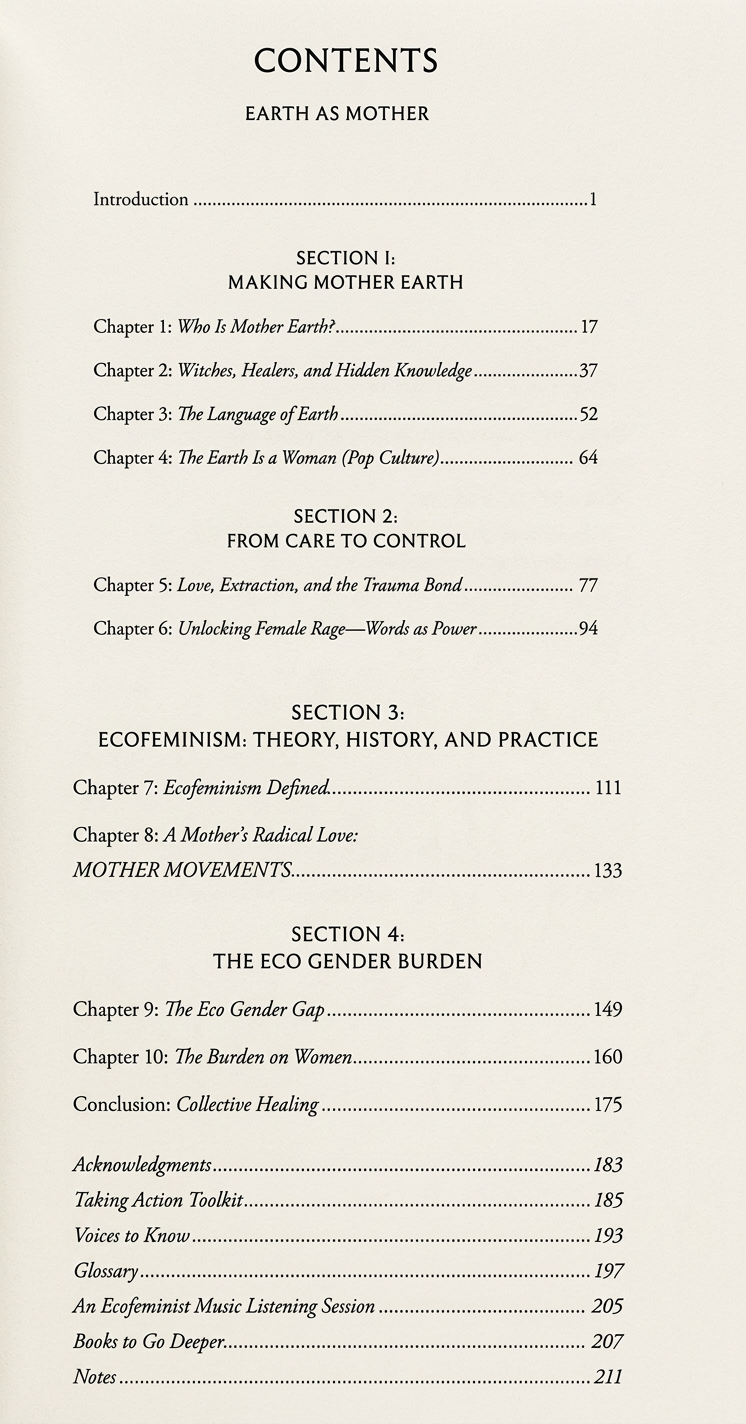
I hope they understand how centuries of cultural norms have deeply associated the earth with the feminine and how we can’t truly protect the planet without protecting women and vice versa. I also hope they see how sometimes things that feel benign, like calling the Earth ‘Mother’ as a nickname, sometimes hold much deeper histories and implications.
You’ve spoken a lot about ecofeminism. What are some ways that our readers can practice it?
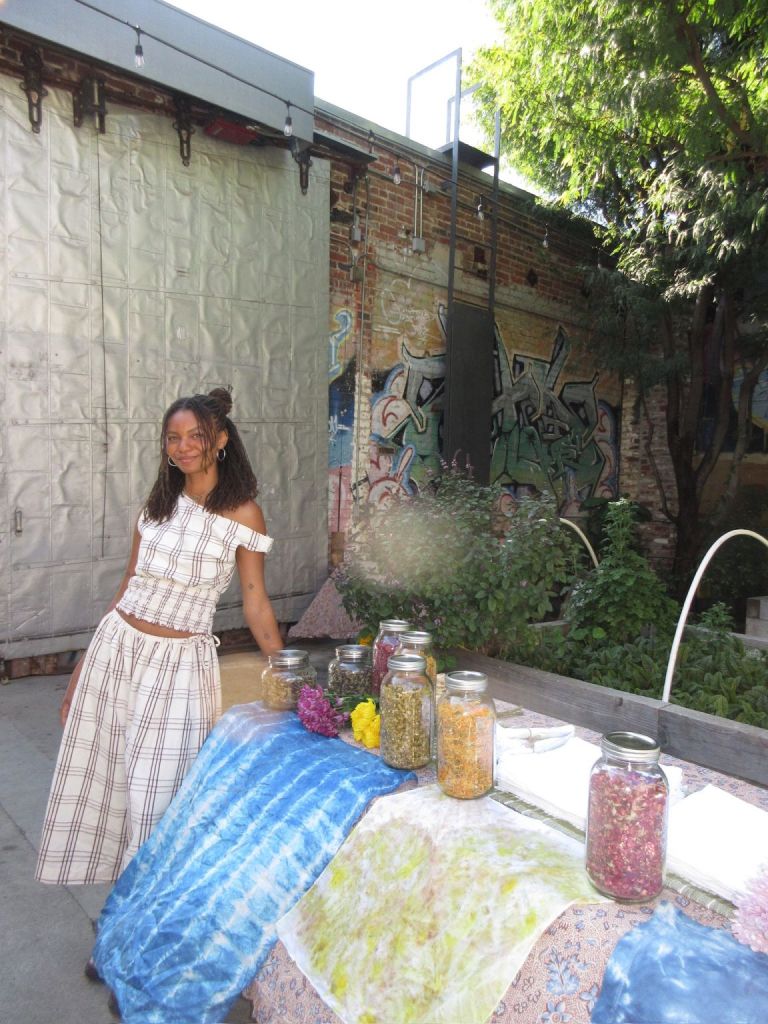
Ecofeminism is a field of study and a movement, and it can be an active practice, worldview, or a lens to analyze the world through. At its core, it essentially argues that the planet and women are treated similarly. Some more cultural forms of ecofeminism are more of a spiritual worldview, and other, more radical types essentially argue against patriarchy and how it degrades and extracts from both women and the planet. Readers can explore ecofeminist texts to learn more deeply about it.
Were there any especially memorable moments from when you were writing your book? How was that process for you?
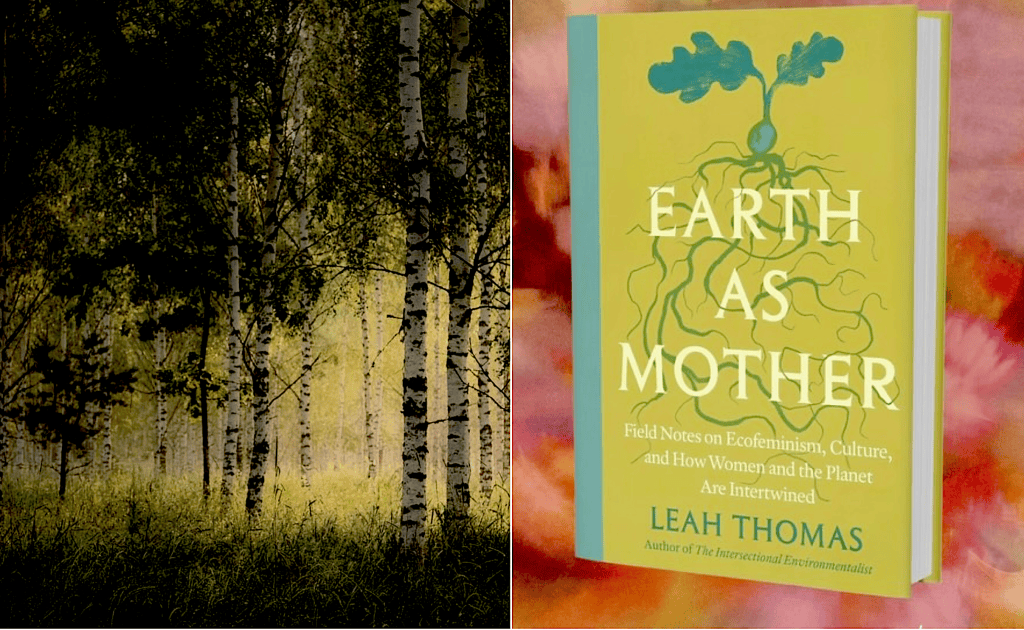
It was a very long process. I had the name of the book Earth As Mother in 2022 and knew I wanted to write about the topic, but it took several rewrites of book proposals, rejections, and life changes to actually birth the project in its current form. I moved 6 times between 2022 and 2027, when the book will come out, so it was a very restless period of my life, which I feel is reflected in the subject matter. It was a very intense project to finish. A favorite memory was going to the LA library, checking out ecofeminist textbooks and looking through all of the shelves. There was barely anyone in the section I was in, which made me want to do my due diligence, learn as much as I could, and put it into an accessible text to pay homage to so many women before me.
There’s a lot going on when it comes to the climate crisis. What are some things bringing you hope right now?
I’d say what’s bringing me hope right now is the U.S. House and Senate shifting to a more progressive view.
How can storytelling play a part in environmentalism?
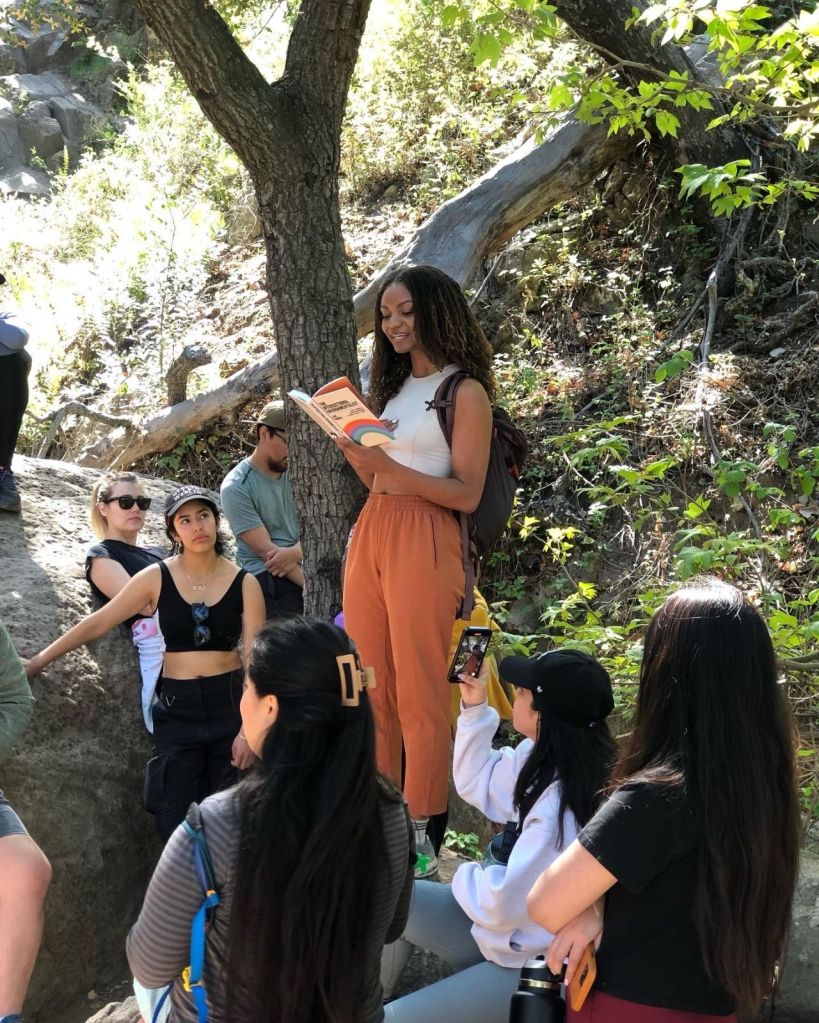
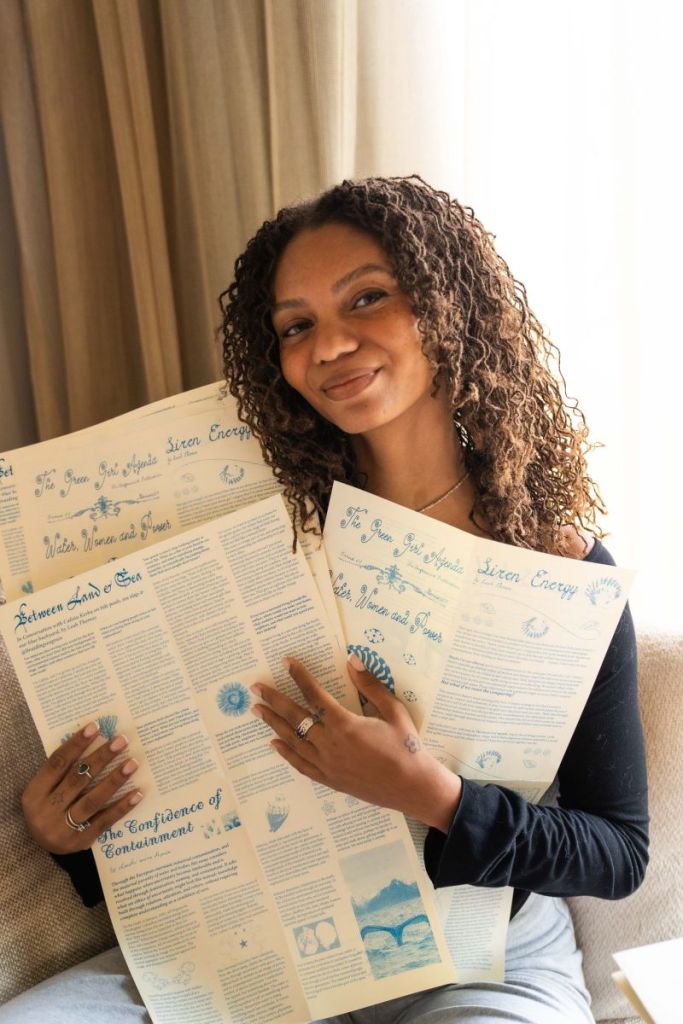
We need storytellers to help speak for the Earth in a way humans can understand. The Earth tries to tell us, in its own way, what’s working and what’s not, and sometimes we need storytellers to help showcase that in media, music, art, writing, and more to help humans feel something, act, and advocate for a relationship with nature rooted in reciprocity.
How was the writing process and experience for Earth As Mother different than your experience writing your previous books?
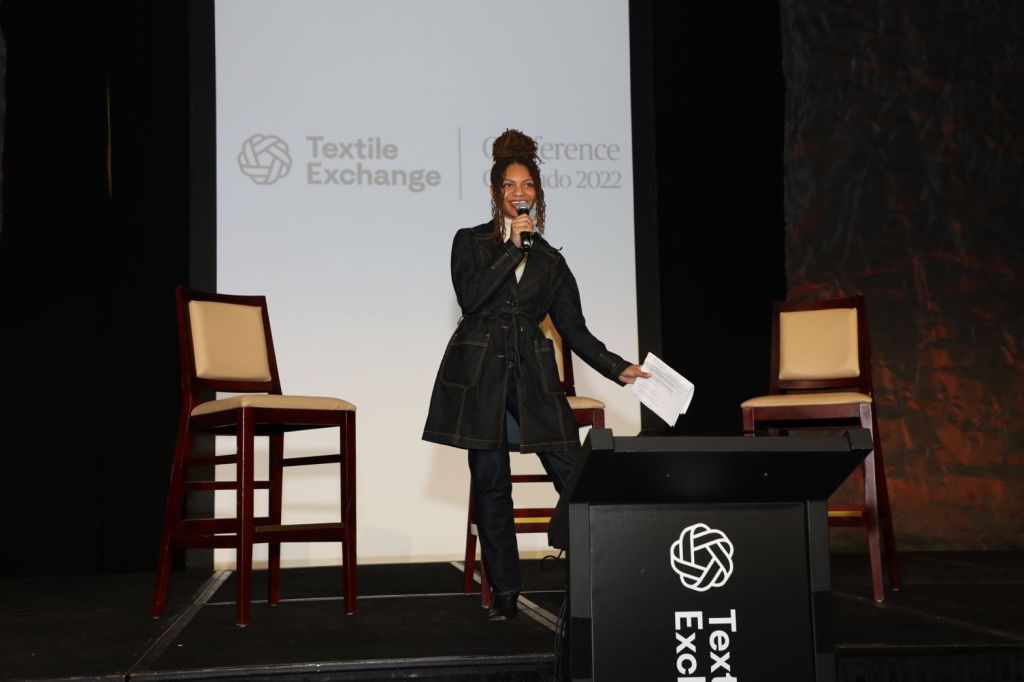
My first book, I felt an enormous amount of pressure; I’d essentially tried starting a nonprofit, tried to play a role in the intersectional environmentalist movement, and wanted this book to be used as a primer in environmental science programs. I really felt like I wanted to write the book I wish I had, so I felt so much pressure. (In) this new book, I do talk about my life, my family, my relationships, and experiences that led to my worldview of ecofeminism, which feels much more vulnerable and exposing. I don’t think people are expecting it so lots of nerves.
Do you have any reading recommendations for our readers?
Black Nature: Four Centuries of African American Nature Poetry (Camille Dungy), Braiding Sweetgrass (Robin Wall Kimmerer), Bogland: The Secret World That Defies Death and Protects Life (Merritt R. Turetsky), and Fresh Banana Leaves: Healing Indigenous Landscapes Through Indigenous Science (Jessica Hernandez).
Where is a place that made you feel closest to nature?
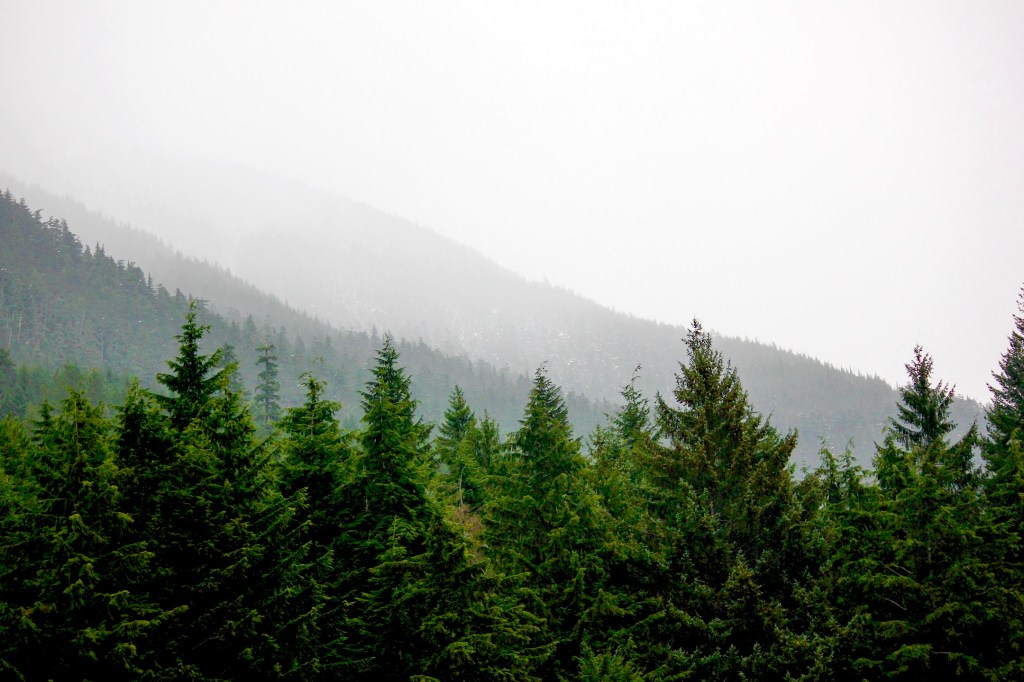
Washington and its forests.


Leave a Reply