
By Keri Stewart
As a birder for over two years, I have always been fascinated by the diversity of birds’ plumages and their environments, especially for birds outside of my home country. There’s something exciting about admiring the wildlife somewhere different from home, somewhere new.
For me, New Zealand has been my most desired vacation spot for birding. From the bright green feathers of the Kākāpō to the spectacular flight displays of the kererū during mating season, the nation features captivating birding opportunities.
Popular birds in New Zealand
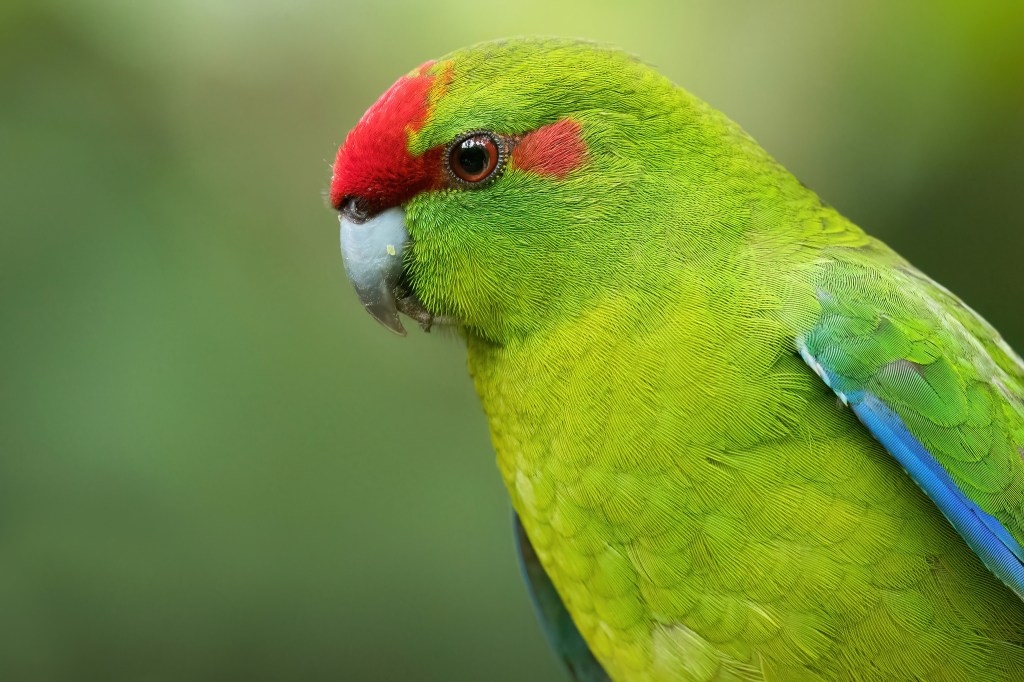
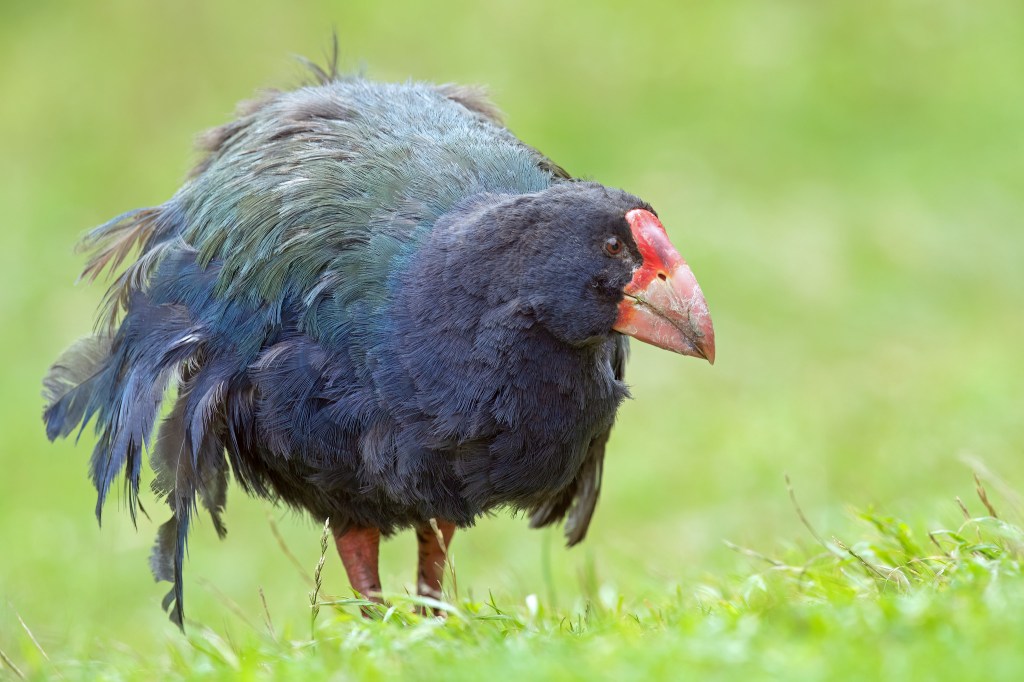
Studies show that a closer proximity to the equator (closer to more tropical regions) results in birds that are 30% more colorful than those in temperate regions. Though not every bird is extremely colorful here, many of the New Zealand birds still display bright plumages and iridescence, such as the Takahe’s bold blue feathers that I find so interesting. Other highly-counted colorful birds include the Tui with blue wing and tail feathers, the Silvereye with stunning yellows beside a white eye-ring, and the green of the Kākāpō.
But, as of Ebird, the most common birds here are the White-Necked Petrel, Sooty Shearwater, Black-winged Petrel, and Fairy Prion.
Zealandia Te Māra a Tāne: A paradise for birders
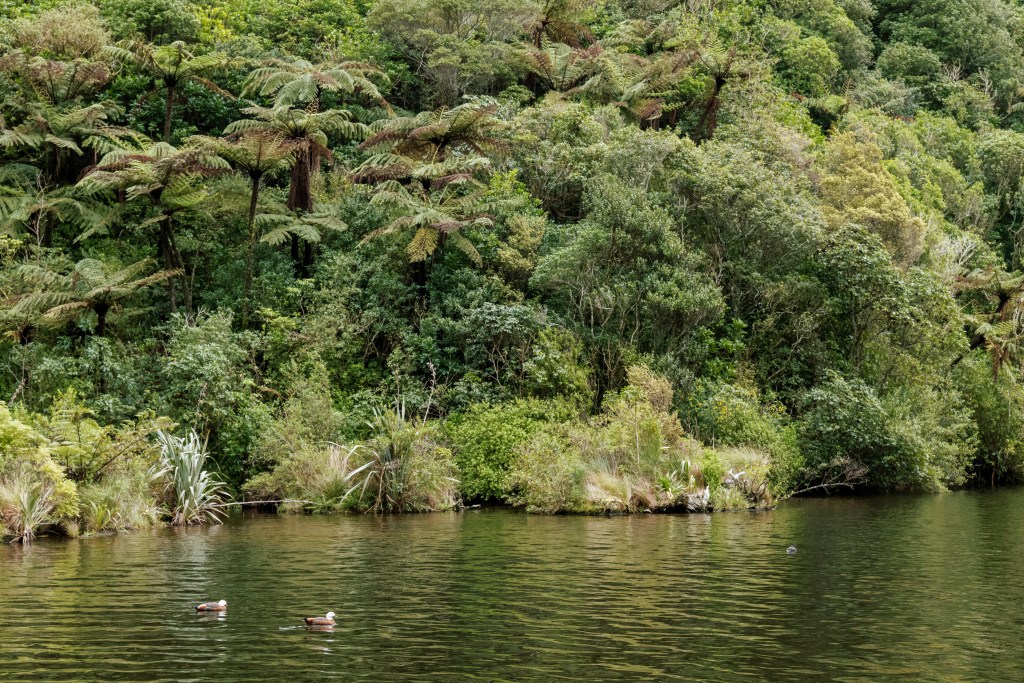
Zealandia Te Māra a Tāne, a beautiful ecosanctuary, features 32 km of tracks and over 500 acres of land. Previously a broadleaf forest until European settlers visited, this birding hotspot attracts many birdwatchers
What does Zealandia Te Māra a Tāne stand for?
Something I find captivating about Zealandia is not just the wildlife but what the sanctuary seeks to do.
In its shortened version of their 500-year plan, nature becomes transformed through “Tiaki Taiao, Tiaki Tangata: Living with Nature.” This 25-year strategy features four values:
- He Wāhi Taonga: a place of treasure
- He Wāhi Huihuinga: a place of engagement
- He Wāhi Mātauranga: a place of learning
- He Wāhi Whakamana: a place of empowerment
The plan starts with building knowledge and attention to what matters (nature) and finds ways to treasure its beauty through active transformation. Each of these values brings positive energy and careful attention to the wildlife and biodiversity of New Zealand.
In a world where many of us fight for the planet, hearing about this 25-year plan is quite inspiring.
What makes Zealandia Te Māra a Tāne so special?
Besides harboring a thoughtful plan for restoring nature, Zealandia Te Māra a Tāne features the world’s first fully-fenced urban ecosanctuary. This wildlife sanctuary exists quite close to the business district of Wellington City due to the efforts of Jim and Eve Lynch.
The Lynch couple noticed the lack of birdsong in their city and wanted to do something about it. As committee members of the Royal Forest & Bird Society, they developed strategies to preserve the environment and thus help the birds.
To protect Wellington’s ecology, Jim picked the Karori Reservoir as a spot for the sanctuary and got the bright idea for a predator-proof fence to protect the native wildlife. A handful of researchers tested different types of fences using live animals to figure out what would actually keep out predators. However, fences at the time did not prove beneficial, so the team created their own prototypes.
In 1999, the predator-proof fence was up, and thus, the couple’s dreams to bring birdsong back to Wellington began. With the help of this fence, native species could thrive away from the presence of introduced predators in New Zealand.
To emphasize the importance of this newly built fence, an ornithological study’s results highlight the benefits. Research from Colin M. Miskelly et al. tracked the number of wetland species in the two lakes at Zealandia. In four different time periods of tracking, the biodiversity changed.
Before the fence was built, the area was dominated by Karoro and non-native Mallards; however, after the variety expanded. Native Pied Shags, Brown Teals, and New Zealand Scaups became more prominent at the two lakes.
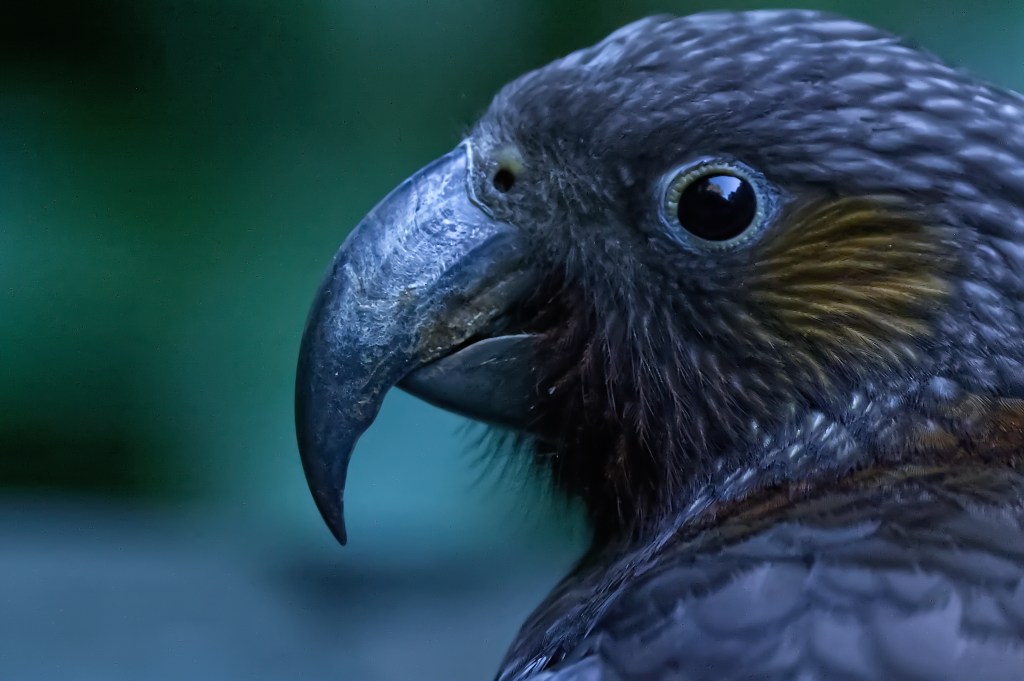
Per Ebird, birders have most frequently tracked the Pied Cormorant, Tui, Whitehead, and New Zealand Kaka at this birding hotspot. And, speaking strictly of September, Ebird users often notice these iconic species: the South Island Takahe, New England Scaup, Brown Teal, and the Rifleman.
Clearly, Zealandia Te Māra a Tāne’s predator-proof fence allows native birds to thrive. And while not every native bird exists at Zealandia (due to how endangered it is, the Kakapo is one of the species not present here), this fully-fenced ecosanctuary features a stunning variety of different species, courtship behaviors, and plumage patterns worth checking out.


Leave a Reply