
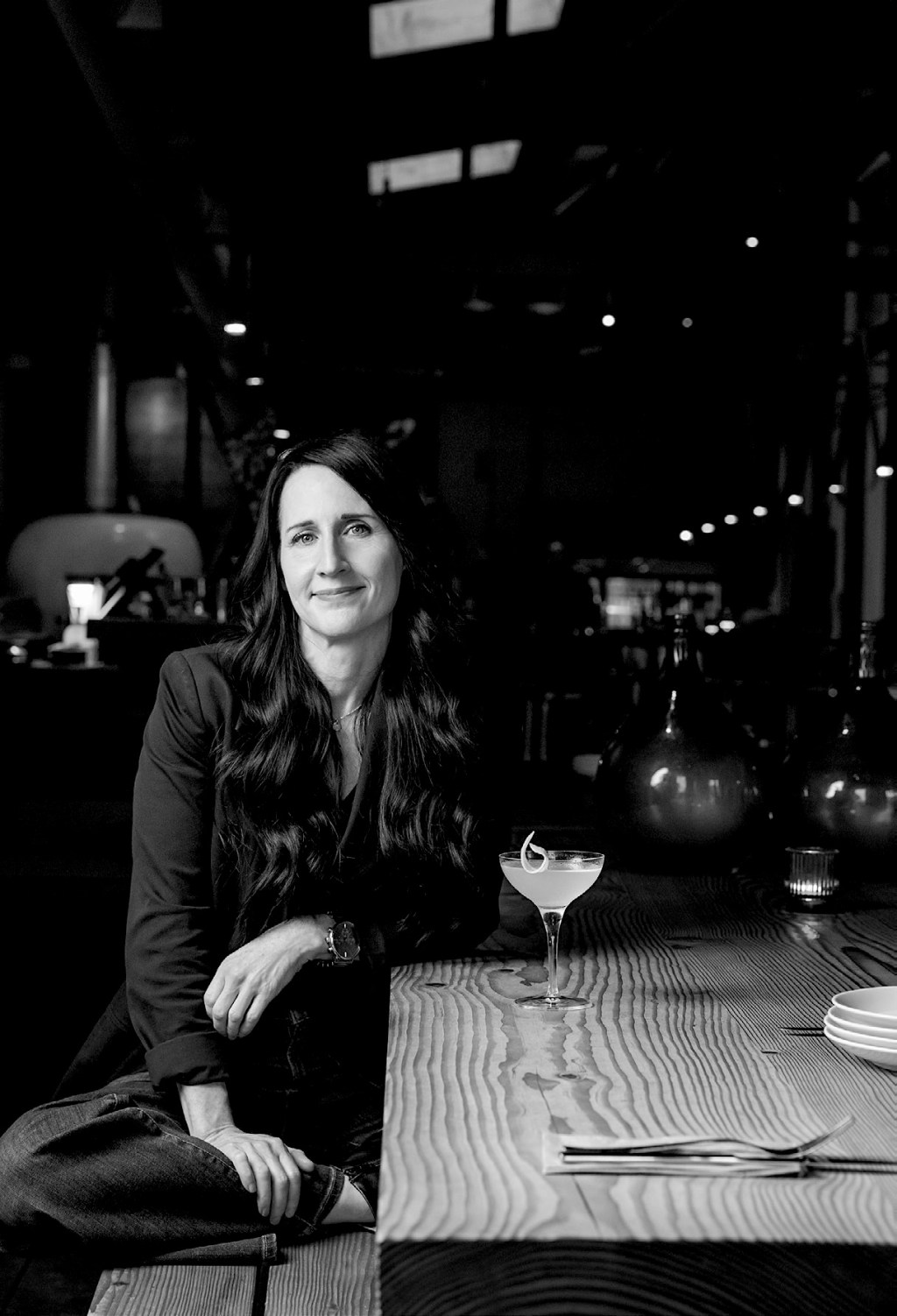
Meet Julien Perry, a Pacific Northwest author and food writer.
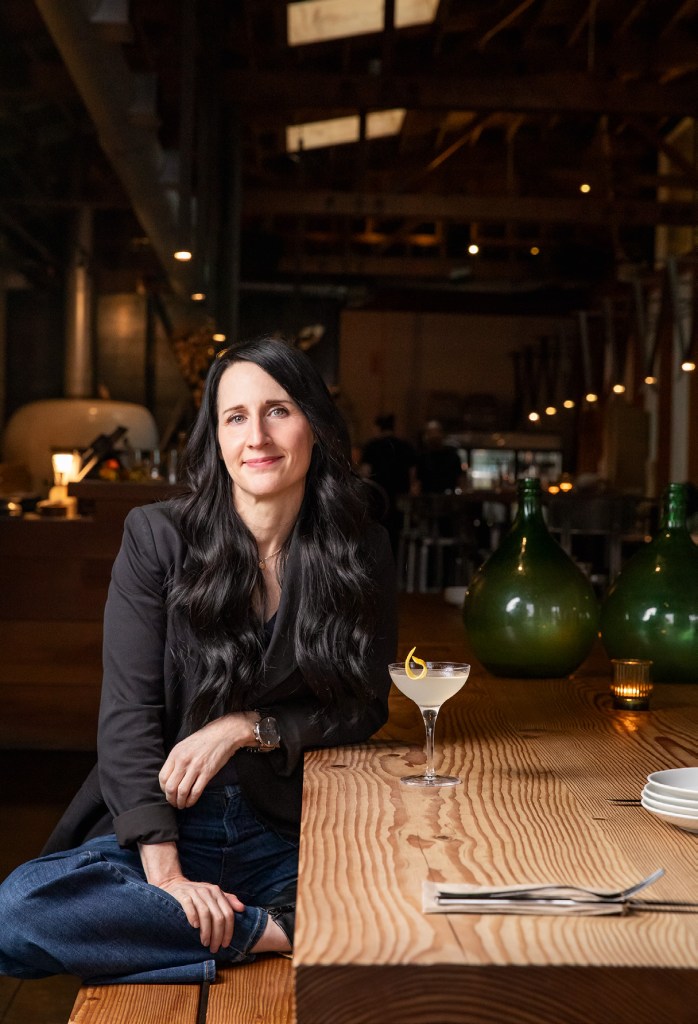
Our editorial team had the opportunity to chat with Julien. We got to learn more about her new cookbook, the Seattle food scene, and how landscape can inform culinary traditions. This conversation went as follows:
What made you want to write Seattle Eats + Drinks?
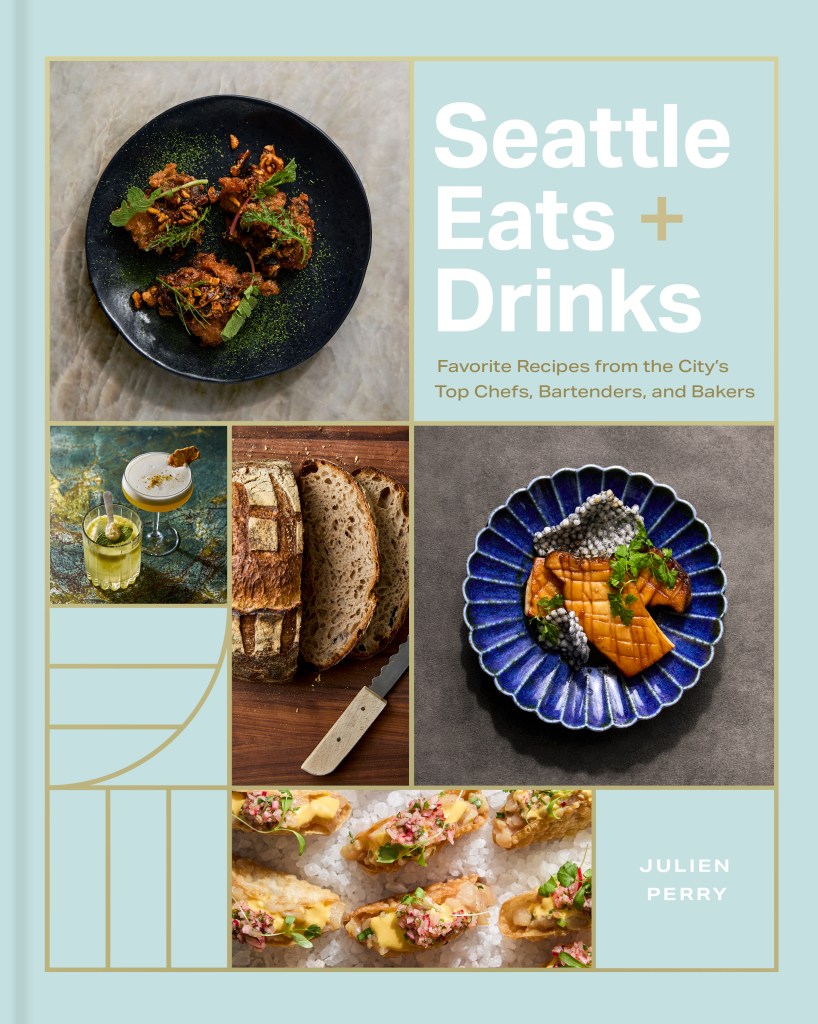
It was a combination of a couple of things. Selfishly, I wanted a reason to write about our local food scene again and familiarize myself with chefs I hadn’t yet met (the last time I had an opportunity to write about Seattle’s food scene was 2017 when I was writing my first cookbook, Seattle Cooks). But more importantly, it seemed like a good time to celebrate our food industry here in the Puget Sound. Whereas Seattle Cooks featured notable chefs who were making waves during the tech boom, Seattle Eats + Drinks is really a celebration of the resilience of our restaurant industry post-COVID. The timing just felt right, and everything fell into place once we (Figure 1 Publishing and I) made the decision to do another book.
What can you tell readers who are less familiar with Seattle about the city’s food scene and culture?
That’s a hard question, because I think the industry is trying to figure out what it is, and what it can be. It’s really challenging right now for restaurants in Seattle, for many reasons, not least the cost of dining out and running a small business. But at its heart, Seattle is about community—supporting not just our neighbors, but our local farmers, winemakers and other artists. It’s a place where people are allowed to take risks, be bold, and let their creativity loose, which I think is on display more than ever when it comes to restaurants—and in a very intentional way.
You mention that Seattle dining is reinventing itself. Can you explain?
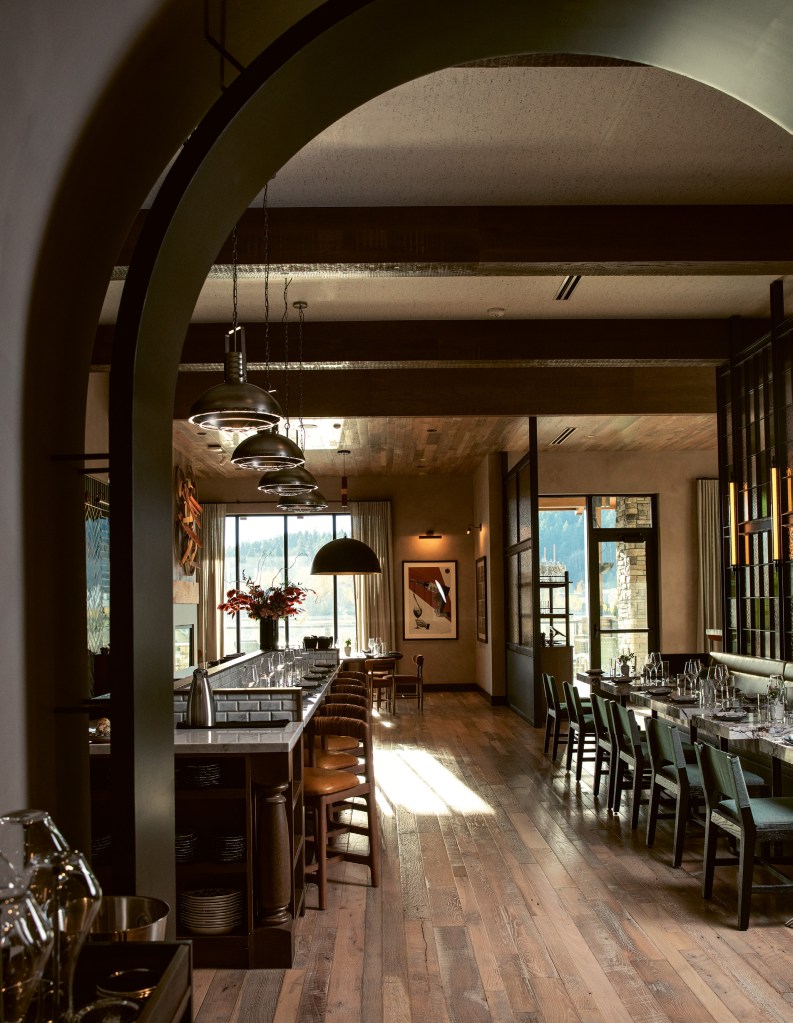
Our restaurants here have become less flashy since the pandemic, with a tighter focus on community and cooking authentically. The industry as a whole has also become much more supportive and close-knit since the pandemic. When you see your friends having to close their businesses, your perspective changes. The trauma bond is real! Chefs are in it together now, and collaborations have really taken off. They also seem to be taking more risks with flavors and concepts, which diners seem hungry for. And there’s more of a spotlight on diversity, too—a modernization of it. Just look at the rise of Filipino and Vietnamese food here in Seattle. It’s always been around, but there’s way more of a mainstream emphasis on it now, which wasn’t the case when I wrote Seattle Cooks. There are also more women chefs and restaurateurs in this book, which I love to see.
What are some of your favorite moments from writing and compiling Seattle Eats + Drinks? Any memorable moments with the chefs, or did certain dishes strike a chord?
I really loved the project management of it all. There are so many moving parts: interviewing the chefs, helping them figure out what recipes they want to contribute, photography, food styling, recipe testing, (many, many rounds of) editing. Maybe because this is my third cookbook with Figure 1, but it seemed more effortless this time, like I was having more fun and less stress. I found my groove! My absolute favorite moment is the day the chefs get their copies of the book. They get so excited because after a year of diligent work, they finally get to see the finished copy, and they are almost always blown away! I also LOVE photography week, because to me that means the book process is nearly wrapped up. Also, the photography really brings the book together, and it’s fun to see it unfold in real-time. I should mention that this book would not be half of what it is without Charity Burggraaf’s photos! This is our third cookbook together, and it’s just a pleasure to work with her. We know each other’s rhythms. Plus, the chefs have a lot of fun seeing their dishes get their well-deserved close-up. And I love witnessing that.
What are some dishes and/or drinks from Seattle Eats + Drinks that you think best capture Seattle’s culinary identity?
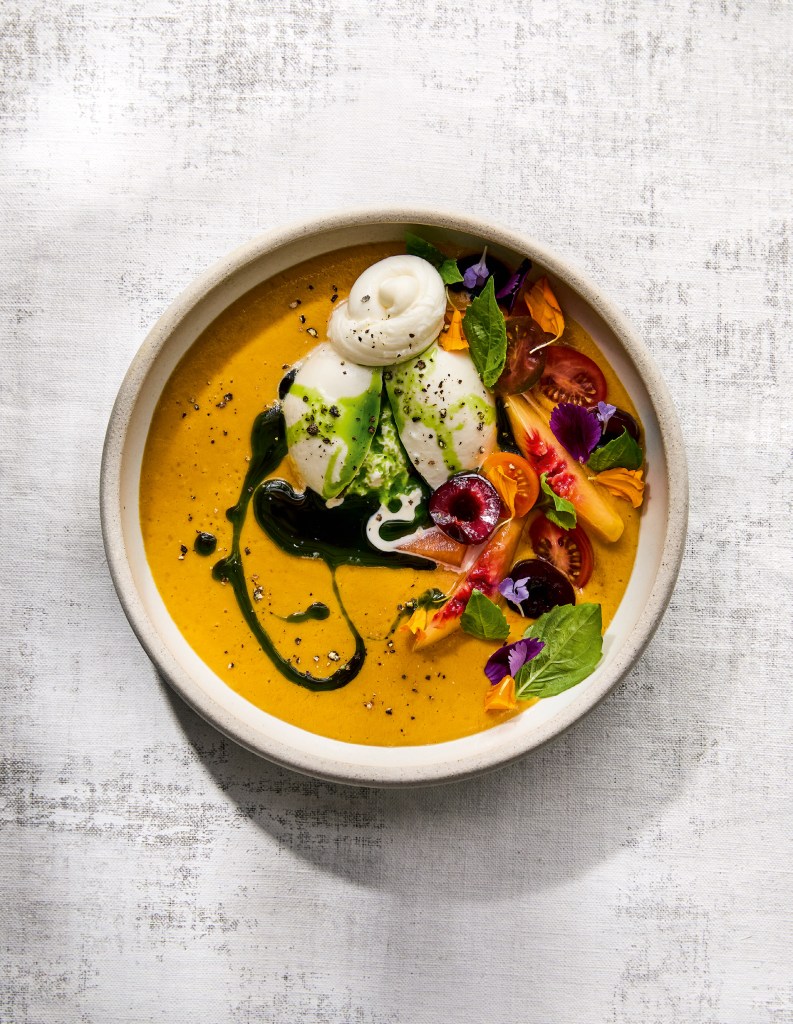
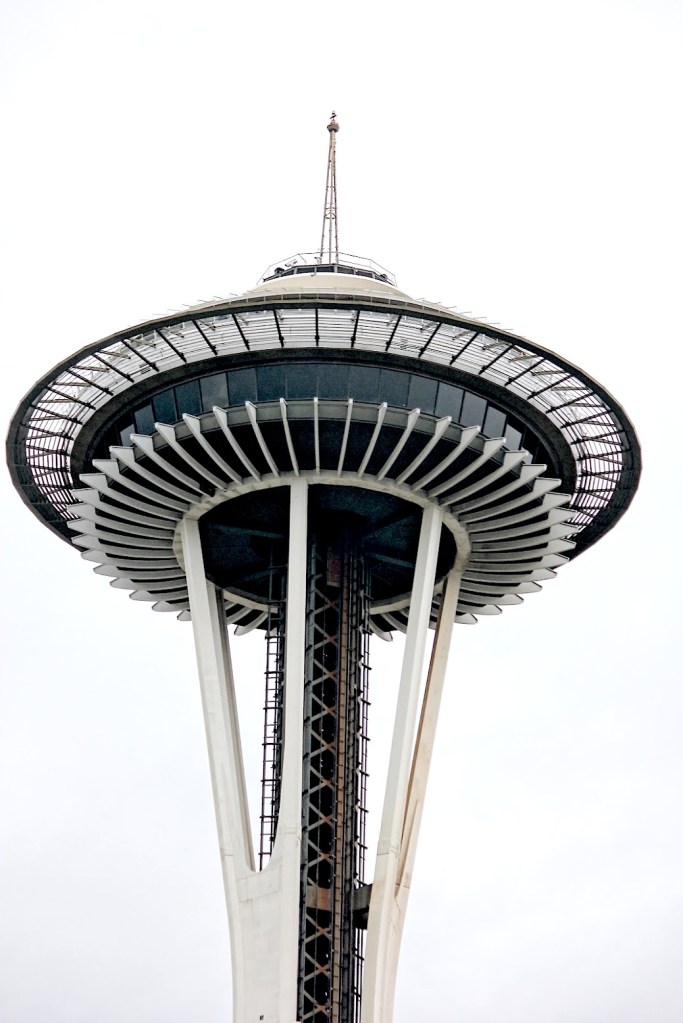
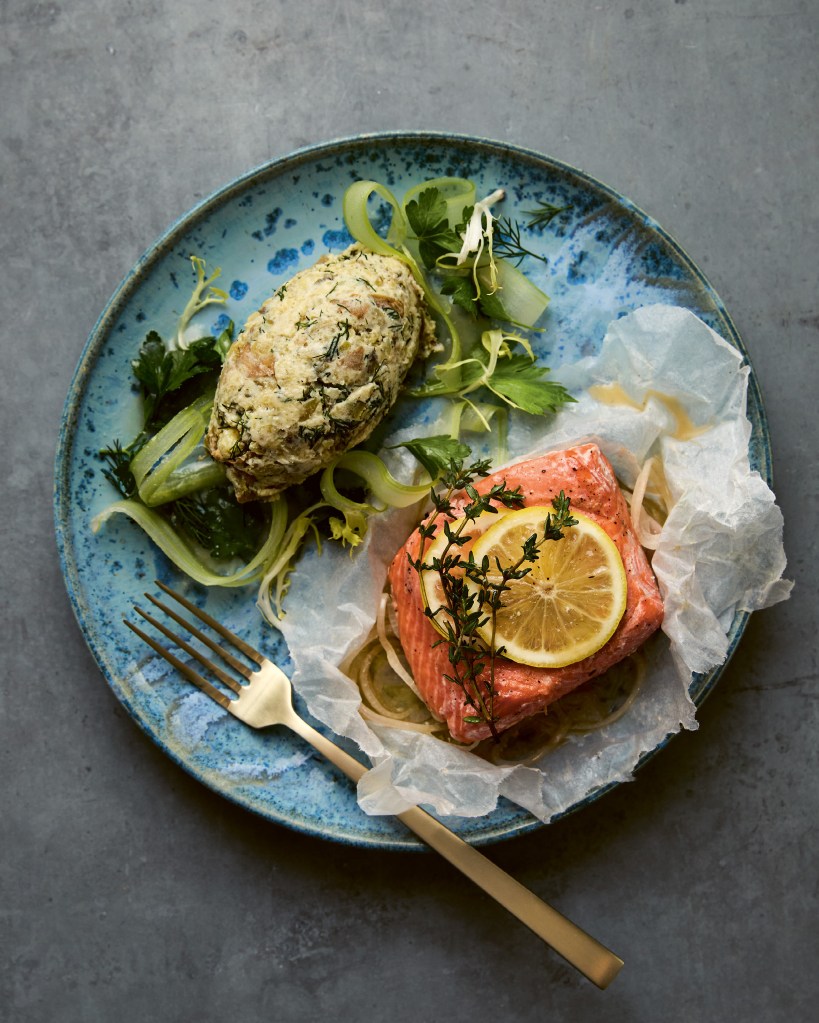
Definitely the geoduck clam chowder from chef Josh Hart of Copperleaf. I mean, that’s Seattle in a bowl right there! Josh brought a geoduck with him to the photoshoot, so there’s a nice photo of it in the book! Also, the Dungeness crab salad from Surrell and the low-and-slow cooked salmon from Victor Steinbrueck, whose grandfather, by the way, helped save Pike Place Market in the early ‘70s and had a hand in designing the Space Needle! Most people think of seafood when they think of Seattle, but because of our large Asian population here, dishes like the dry pho (Pho Bac Súp Shop) and lemon hand-shredded chicken (Gan Bei) are very Seattle, too.
How did you see the surrounding landscapes of Seattle reflected in these recipes and in the larger foodway?
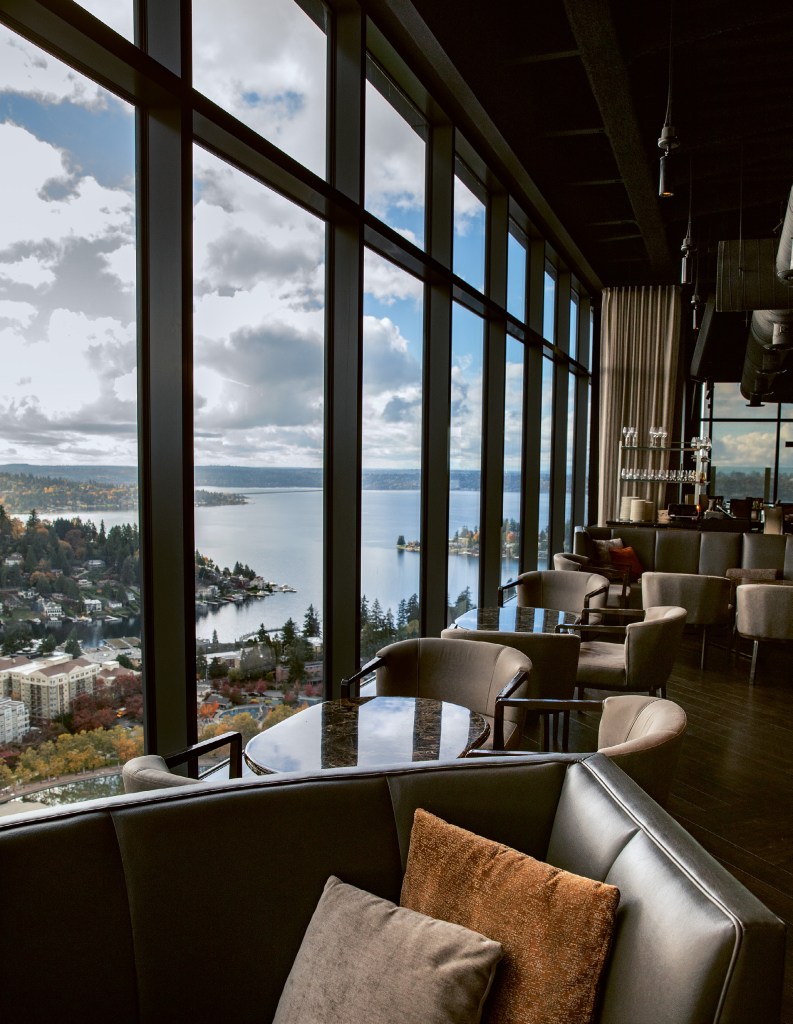
I think the city’s surrounding landscapes are deeply woven into its culinary identity. The abundance of local ingredients we are surrounded by truly shines through in the recipes featured in the book, with the chefs drawing inspiration from the ingredients, seasons, and natural beauty right outside their doors. Beyond the ingredients themselves, I think the Pacific Northwest has a way of shaping how we approach food. There’s an appreciation for seasonality, sustainability, simplicity, and letting high-quality ingredients speak for themselves. Whether it’s celebrating what’s coming out of the water, highlighting produce from nearby farms or incorporating flavors inspired by our forests and mountains, the landscape continually influences the culinary direction of Seattle. That connection to place is what makes our food scene so special and gives the city such a distinct identity.
Which local ingredients and/or recipes from Seattle Eats + Drinks would you recommend for sustainable diners?
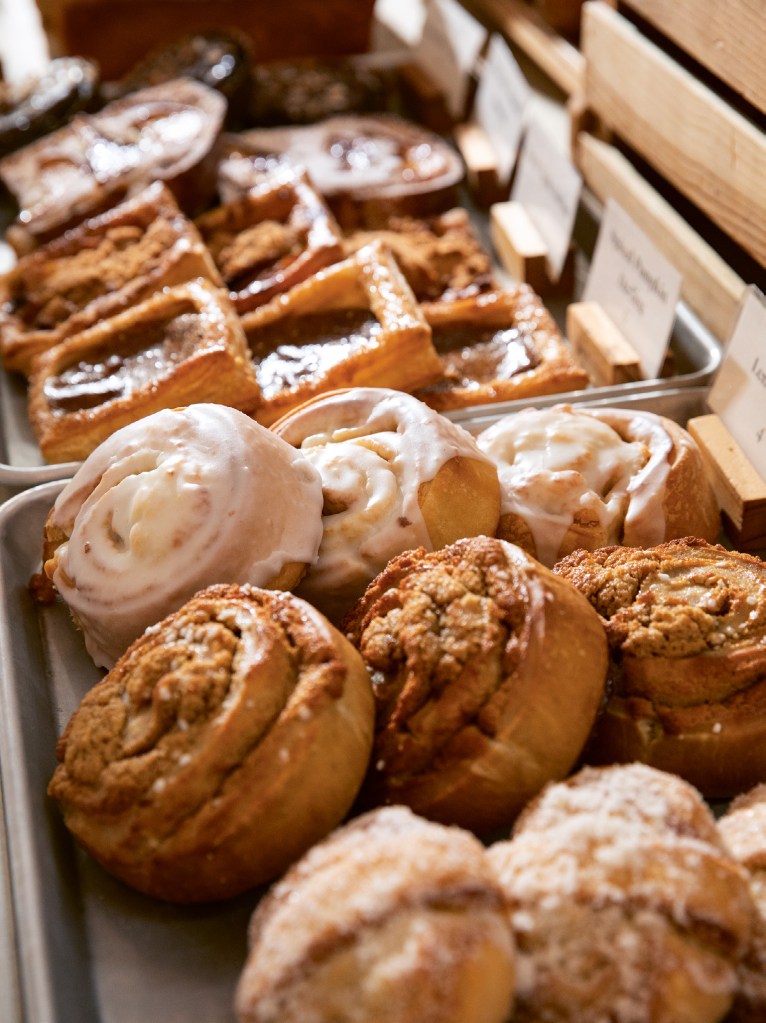
As previously mentioned, all of these restaurants pride themselves on sourcing local ingredients, which is reflected in the recipes. It’s one more thing that makes Seattle’s restaurant scene so special. We have an abundance of incredible ingredients in our own backyard—everything from seafood and wild mushrooms to cherries, apples, and pears. Places like Driftwood and chef/owner Dan Mallahan only serve dishes made with ingredients from Washington state, and only when they’re in season. Aaron Tekulve of Surrell sources all of his ingredients within a 100-mile radius, including the wine (Surrell is the only restaurant in the state that exclusively serves WA wine).
If you could toast Seattle with a cocktail from Seattle Eats + Drinks, which would you do it with?
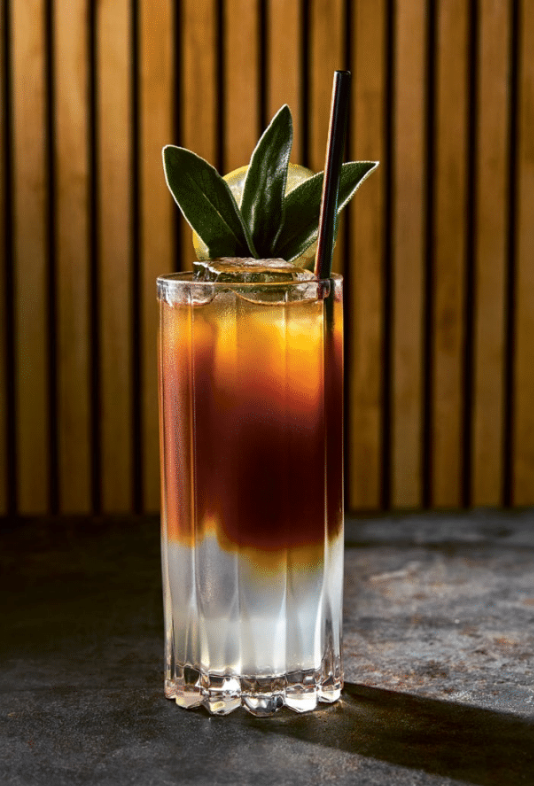
Well, if you want something really on the nose, the Supersonic Espresso Tonic. It combines Seattle’s signature beverage with the spirit of our legendary—and sorely missed—basketball team (if you’re like most locals, you’ll be inspired by at least one of those elements).
Do you have any reading recommendations for our readers?
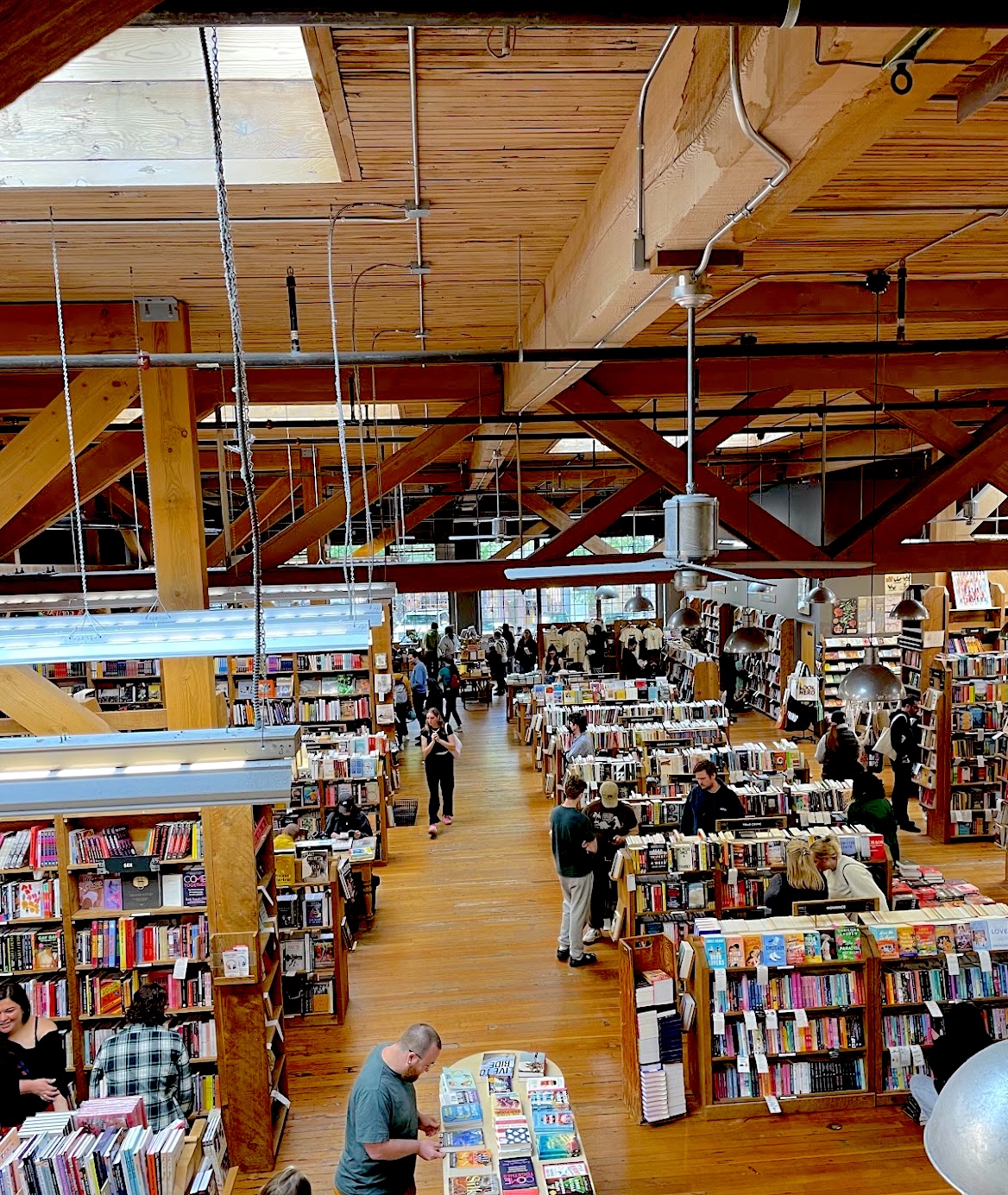
I always encourage people to stop by their local independent bookstores and see what catches their eye. Seattle especially has such a wonderful literary community, and there have been so many great recent releases from local authors across a variety of genres. I’d love to see readers make an effort to discover and support these voices. Ask your local bookseller for a recommendation, attend a reading or author event, and remember that supporting independent bookstores helps keep our creative community thriving. Pine Books, Arundel, and Elliott Bay Book Co. are three of my favorite bookstores.
Where is a place that made you feel closest to nature?
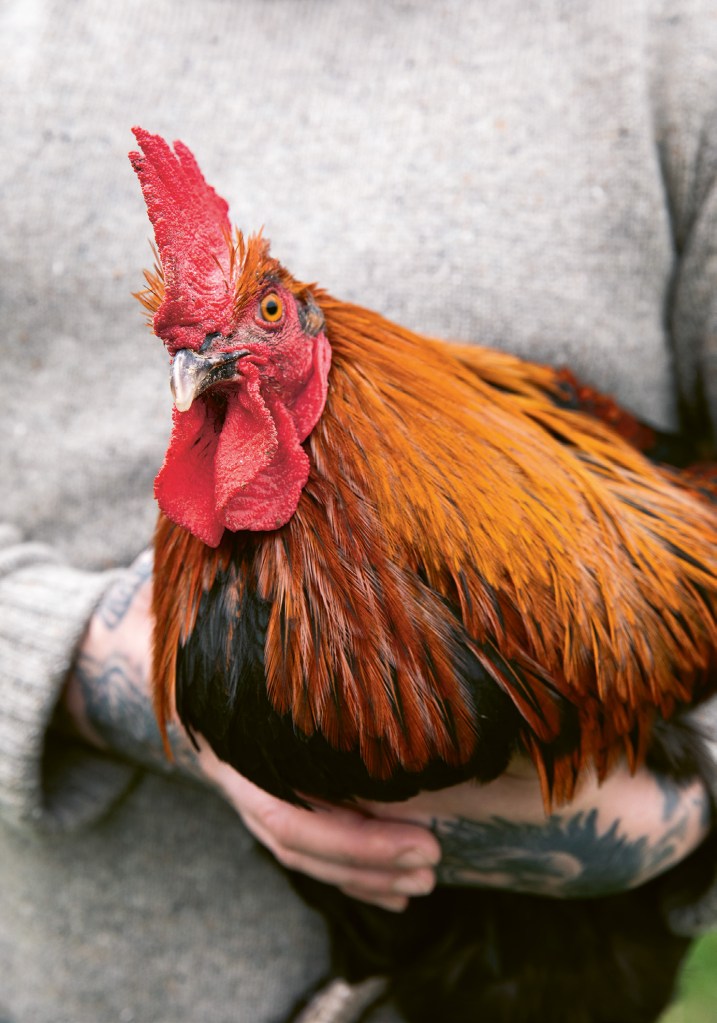
I was fortunate enough to grow up in Washington, so nature and I have a very long and loving relationship! I adore a road trip to Walla Walla. Driving through the mountains and seeing the vast farmlands of eastern Washington is incredible. It’s so peaceful. In Walla Walla proper, getting to walk through vineyards, seeing the Palouse, and driving through wheat fields is always incredible. Plus, you can’t beat the starry sky during a clear summer night.


Leave a Reply