
By Keri Stewart
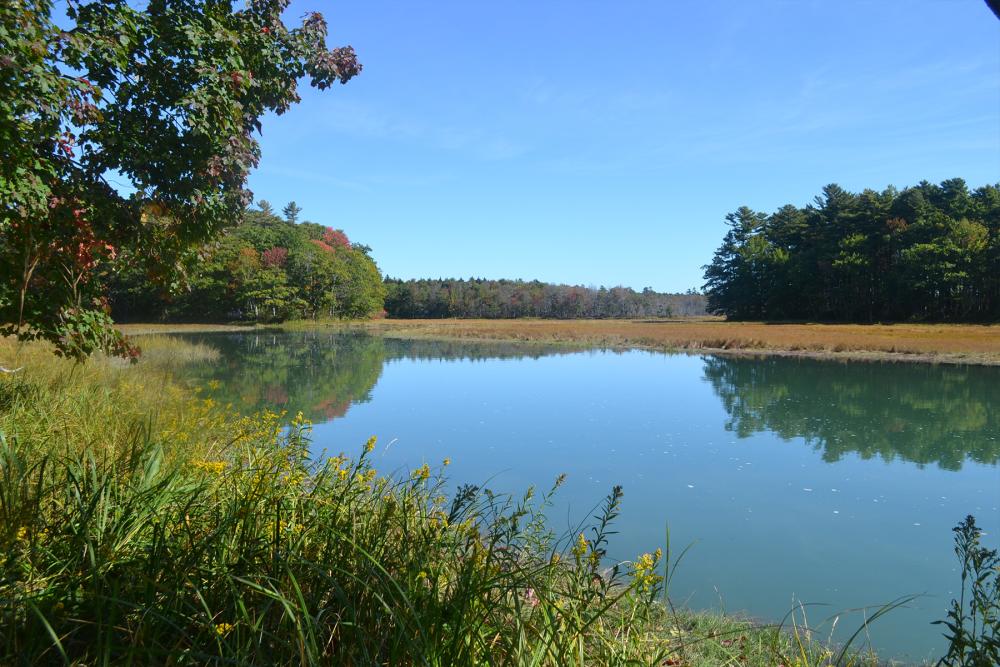
At the Rachel Carson Wildlife Refuge (RCNWR) in Wells, Maine, I feel the salty air brush against my temples. I feel connected to the way the trees move and the way egrets soar in the distant tall grasses. I pay attention to the beauty of the natural moment, something that poets treasure in their hearts and their own work.
My eyes have been trained under the gaze of poetry, and thus, I can focus on environmental details that nonpoets may not notice. Small sights and sounds alert me to draw my focus towards the stimuli but also inwards to the way they make me feel.
After sitting for a few hours at the birding hotspot in Maine, I observed two eagles sitting on branches, perhaps watching for food sources. During this experience, I feel compelled to become part of something bigger, a part of the natural world.
I am no longer just myself, but a part of the lives around me.
To birdwatch like a poet, one must focus on the beauty of the natural world and remain present in the moment. Birding becomes not just a focus on feathers but a collaboration with that which moves in an environment.
What is a poetic gaze for birdwatching?
Many poets find their work transformed by nature through evoking the five senses, most notably sight and sound. The environment becomes a walkthrough to connect both the external and internal experiences of the poet.
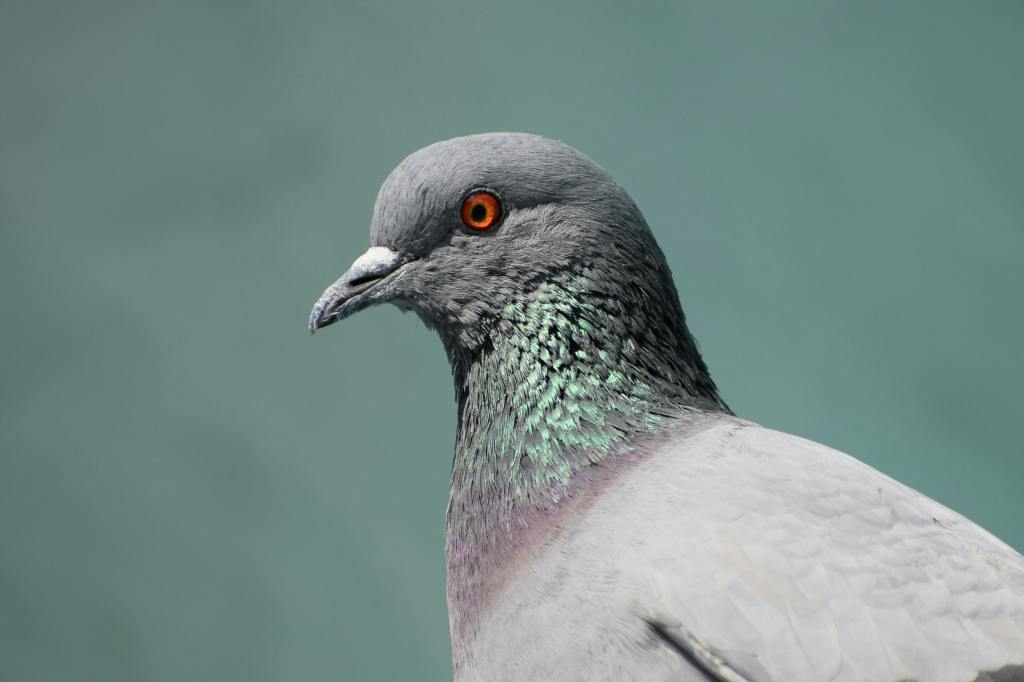
For instance, Ada Limón grew up watching birds in Kentucky and felt inspired for her collection You are Here. In that collection, she also wrote a series of poems inspired by the National Parks. Many of her poems utilize bird imagery as another way to explore being human.
How to birdwatch with a poetic gaze
While wandering the RCNWR, I feel connected to the pair of bald eagles. There’s something intriguing about the way they perch and observe the world around them. It’s almost a mirror to how I am observing them (and their habitat).
I feel inspired by these lives, so different from mine. I begin to think about all the people I walk by every day that I don’t know — how their lives contrast with mine.
Through watching the eagles, I feel sonder, a feeling I had once only read from a Pinterest board of unique words. In birdwatching like a poet, breathing becomes slower and more natural; eyes focus on the smaller details; senses heighten; and so, the beauty of the natural world takes center stage.
Sitting on a bench with the wind in my hair, I let the art of poetry enlighten my gaze. I become an observer of the elegance of the present moment.
How to take in the beauty of the natural world
To birdwatch like a poet, the most important thing is to appreciate the beauty of the natural world.
Take in all the pleasures around you and let your five senses guide every choice. Take notice of everything and feel gratitude for being able to experience such a gift. Admire the way the leaves flutter as a bird jumps from one branch to another. Smile when the sun shines on plumage, revealing iridescence not noticed before.
By noticing all your senses and feeling gratitude and appreciation for each observation, you will be able to take in the beauty of the natural world.
How to be present in the moment
Being present in the moment means taking everything in and not letting the past or the future define you. Allow yourself to become free from imagined boundaries and let your mind wander where your five senses touch. By admiring the beauty around you and taking in only the present moment, you allow yourself to observe nature with feeling: the key to poetry.
Remember to put away your phone and just breathe. Remember you are alive in this moment, and so is everything around you.
The importance of this fusion activity
Birdwatching with a poetic gaze becomes not just a collaboration of two distinct identities, but also an introduction to becoming something bigger than the self. Utilizing these two concepts, I have found my world to grow: I am more than just my body but also a reflection of my environment.
This sentiment of feeling a part of something bigger is also beneficial, as it allows the self to feel like a part of a community. Being social creatures, it is vital that we grasp onto pieces of community; we are wired physiologically to be social to improve our mental and physical well-being.
Birdwatching with a poetic gaze does a lot more than one would expect. There are many studies out there highlighting the key benefits of doing so.
Research supports this collaborative activity
Sonja Lyubomirsky’s The How of Happiness shows how certain behaviors can improve happiness. She found that entering a state of flow can improve life satisfaction.
When I get lost in birdwatching, I find myself lost in the beauty of the natural world. Everything feels clearer and more profound. I agree that this total immersion in birding can correlate with increased life satisfaction.
During my B.A. in Psychology, I explored the psychological benefits of poetry through reading research studies and psychology books such as Lyubomirsky’s. And it’s clear that total immersion in an activity provides benefits, such that birdwatching with a poetic gaze can heal the body.
And on another college campus, M. Nils Peterson et al. explored how birdwatching correlated with an improvement in psychological well-being. Participants active in birdwatching reported less psychological distress at the end than both the control group and the regular nature-walking group.
Meanwhile, at the Max Planck Institute for Human Development, researchers discovered that listening to birdsong calms the nervous system. These researchers found that the physiological benefits of birdsong helped reduce heart rate and cortisol, thus activating the parasympathetic nervous system.
Whether it’s through the reduction of stress, elevation of psychological wellbeing, or improved life satisfaction, the benefits to birdwatching and poetry are immense, suggesting that a combination of the two activities can be highly beneficial. By birdwatching with a poetic gaze, I feel more than just a part of something bigger. I feel the weight on my shoulders fall. There’s something healing about the action of poetic birding.
Healing the self with poetic birdwatching
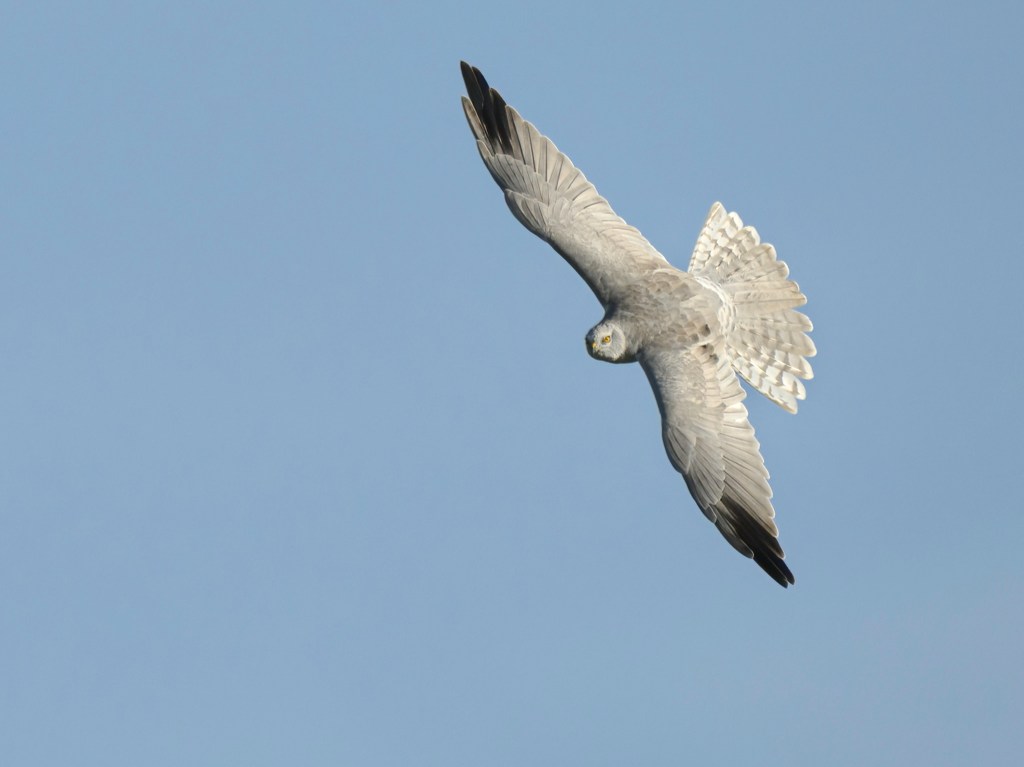
While birdwatching, I bring my notebook to write down quick observations. I note the way the eagles (a key species to see while birding in coastal Oregon) perch on the trees and how fast tree swallows swoop up and down near the marshland water. I take in the scenery and bring home the memories. Some stay in my head, others become pieces of future poems: the human experience etched on an image of a bird.
I don’t let myself think too hard about it. I just feel it all. The moment as it passes. I let my appreciation for the natural world shine. Poetry and birding go hand-in-hand.
Acting on this collaboration, I feel more present, appreciative, and healthy; invigoration takes over my mind and body.


Leave a comment