
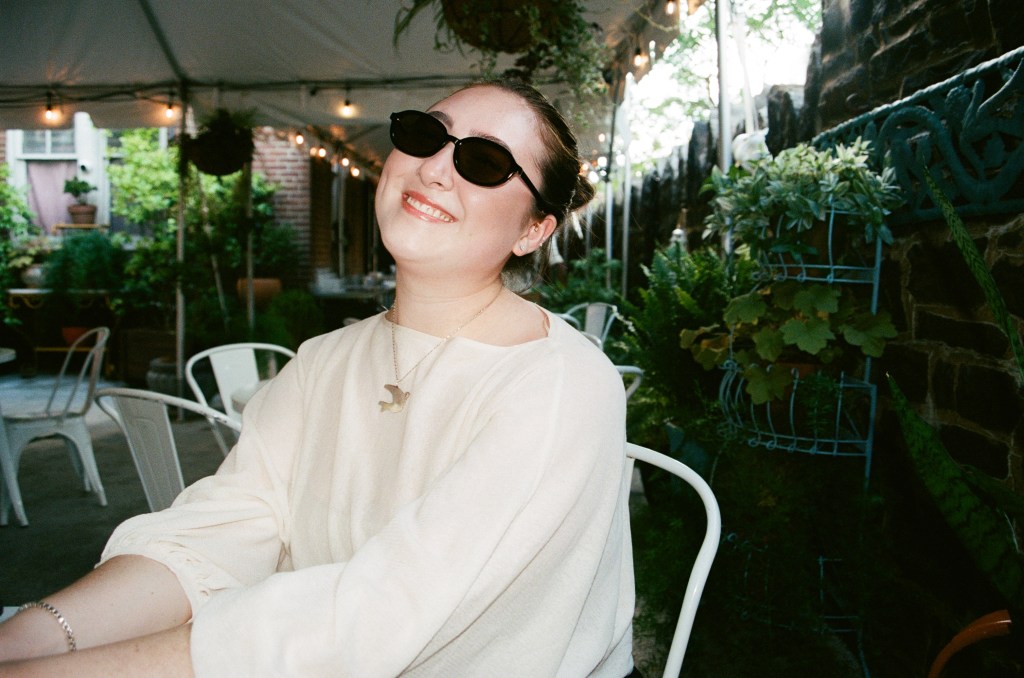
Perhaps one of the first things we notice about another person, besides their physicality, is their clothing.
How we identify in public, what clothes we feel comfortable in, and what brands we choose to identify with all have a part to play. Our personal style is not just our personality reflected through physical garments, but a glimpse into who we are beneath the clothes. For the majority of my high school and early university days, it was all about what I wore, how much it cost, and how I could unquestioningly afford it. But in the early 2020s or so, I got into thrifting, second-hand shops, and consignment.
Thrifting and circular fashion isn’t just practiced out of convenience or for the sake of affordability. For many, it’s a way to collect or resell highly sought-after luxury goods or just one-of-a-kind pieces in a way that’s still sustainable and climate-conscious. For others, like The RealReal, it’s the future of fashion.
The RealReal low-down on sustainable luxury
The RealReal was founded by Julie Wainwright in 2011, looking to expand the e-commerce market for luxury goods – home and art, handbags, footwear, accessories, and ready-to-wear.
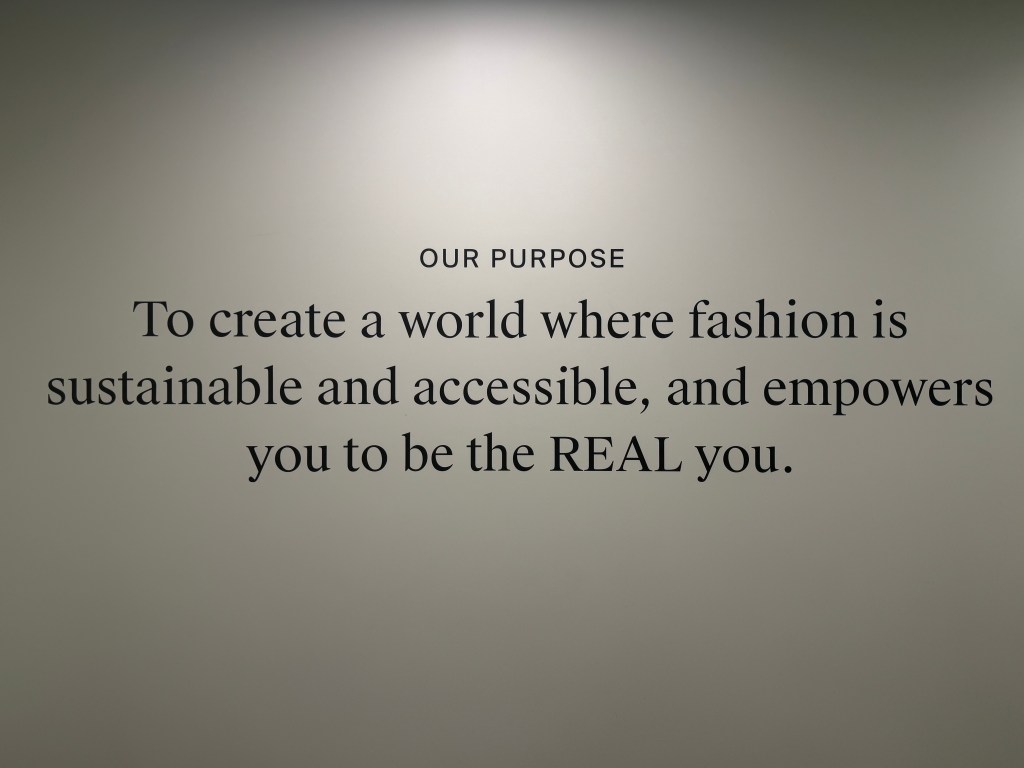
Their mission is “to change the way people shop – for the better.” And since its founding in 2011, over 50 million items have been kept in circulation. In fact, 50% of The RealReal’s consumers now consider consignment over buying new. Sustainability in the last 10 years has completely shifted the way our world considers, consumes, and consigns fashion, in an effort to prevent clothes from ending up in landfills or forgotten in the back of our closets.
Because I grew up in a rural Massachusetts town, I couldn’t swing by Newbury Street in Boston every time I wanted new clothes or accessories. I would resort to Savers, Goodwill, and Salvation Army, scavenging amongst the racks looking for pieces no one else would have. I carefully curated my wardrobe with pre-owned pieces at low cost, fine-tuning my appearance and wardrobe to match the burning desire I felt to be fashionable.
But I’ve come to learn that being fashionable doesn’t have a price tag. Because it’s not the cost of the item that makes it striking; it’s how the piece is styled and how we carry ourselves that makes it truly unique. It’s how we express what we feel and value internally, externally.
Circular fashion, photographed
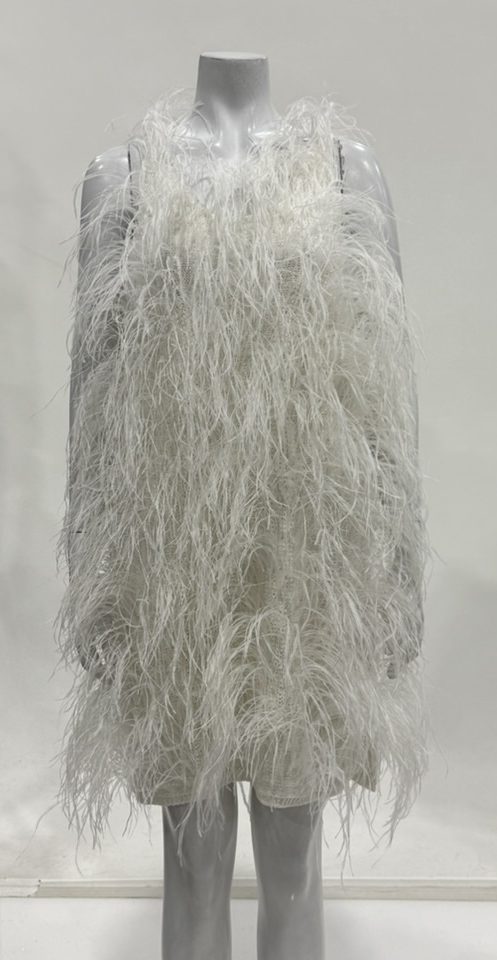
In August of 2026, I started a position as a Photography Assistant at The RealReal. Every piece, from the name-brand gowns to the hand-crafted bags, has a story; had a life before it came to us. And I’d like to think that is something to celebrate.
While Depop, eBay, Vinted, and Poshmark are popular reselling platforms, The RealReal created a market specifically for individuals looking for luxury brands without luxury prices. So many beautiful garments have passed through my photo station, where I have the pleasure of admiring them and capturing their essence. Some garments appear to be 1 of 1, while others are reconsigned in multiples. I have found silk dresses new with tags, just waiting to be worn, structured leather jackets with embellishments, and well-loved coins for buttons.
I take a lot of pride in my work. Because each photographer, tech assistant, and manager allows The RealReal to work with hundreds of thousands of products and support circular fashion on a large scale.
Now, I want to be clear that I understand The RealReal has prices not everyone can afford, but what might not be able to be purchased serves as great inspiration. I find that fashion is meant to be nuanced, personal, and different for everyone.
Sustaining our closets
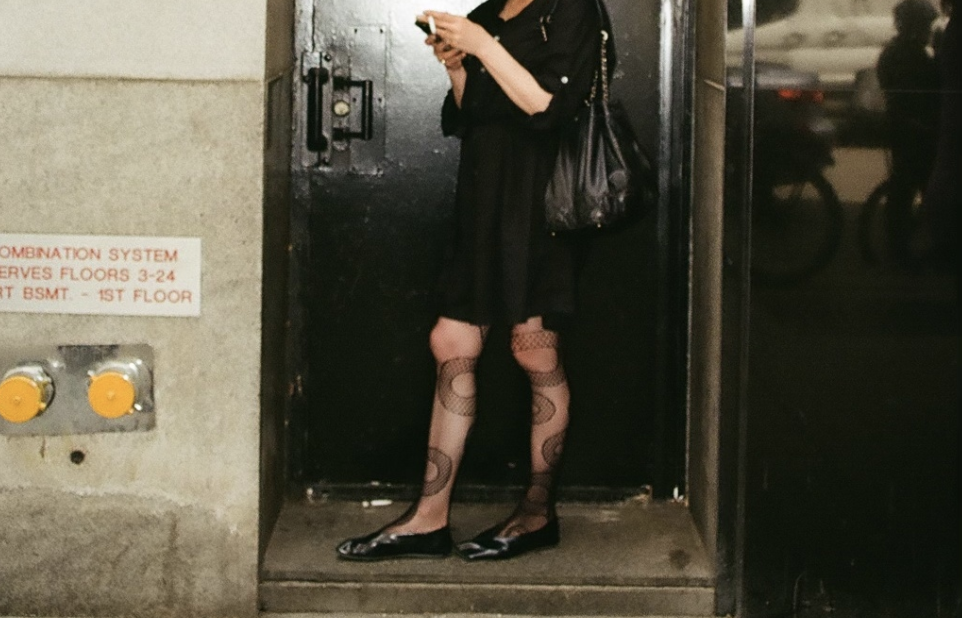
On October 20, 2026, The RealReal released their new book, Real Style: Dressing With Intention & Expressing Yourself Through Style, inspiring readers to define their own taste and aesthetic. Not only am I beaming at the idea of acquiring this book for my personal collection, but I am thrilled that The RealReal created a book to incite deliberation about using what we own to create a look we haven’t tried. The release focuses on what inspires fashion icons, what pieces catch their eyes, and why fashion brings us visceral reactions.
Sustainability is not just about ethically made garments and nature-forward companies, but the act of not buying anything. It’s about abstaining from overconsumption in an attempt to build a better relationship with yourself and your desires. This book from The RealReal actually reframes the organization’s overall message by encouraging readers to not buy anything, even used. It encourages readers to look in their own wardrobes and think long and hard not only about what they want, but why they want it.
A real and sincere love for fashion is about being selective, making judgment calls over long periods of time, and investing in a high-quality piece over multiple poorly-made pieces. It’s about being intentional.
Wearing what we have for the future
Amidst the background of COVID-19 in 2021 and thrifting, I found myself shopping for anything in an attempt to create as many outfits as possible, rather than intentionally gathering pieces that fit my style objective. Upon learning about The RealReal, I decided that my style objectives should simply involve researching pieces that are unique in texture and shape, working with the neutrals I already have, and investing in the pieces I don’t.
Working at The RealReal these past few months further changed my understanding of styling, brand representation, and organic textiles. From the lace trims or the belted cuffs at each wrist to the lambskin blazers with viscose lining, each item represents a larger message to the TRR community: work with garments already in circulation.
Actively choosing to not buy retail forces you to think critically about your habits as a consumer. Luxury is not just about price or brand name, but the ability to give a well-made piece multiple chances; multiple lives. True luxury is utilizing garments that already exist and breathing (or wearing) new life into them.

