
By Emery Denham
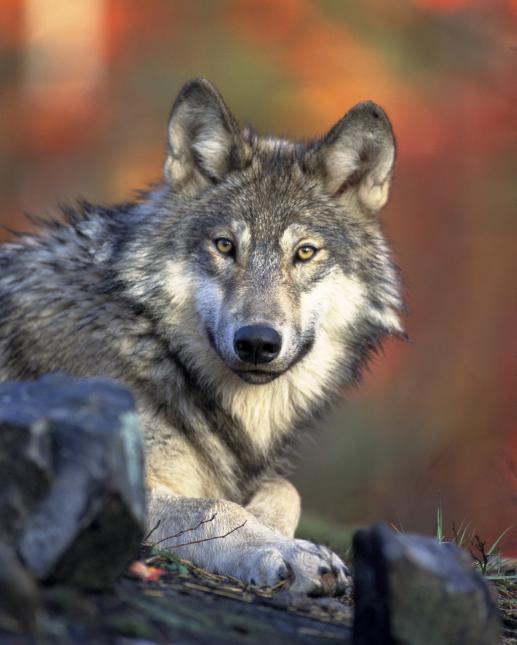
In the late 1800s, Yellowstone National Park had a problem — the precious deer and elk that decorated its scenery were under threat from wolves and other large predators. Herbivores were seen as peaceful, desirable inhabitants of the landscape, working in harmony with the nature that surrounded them. Predators, then, were destructive detractors of the system, taking with no give.
The rest of the United States had this same issue. Only instead of concern for their local deer population, farmers primarily feared predation on their livestock. Expansion of agriculture eliminated much of the wolves’ original prey and habitat, instead bringing them face-to-face with penned-in sheep and other farm animals. This problem was addressed with traps and firearms until anti-predator practices nearly drove wolves to extinction in the lower 48 states.
In 1926, Yellowstone National Park had yet another problem: the last grey wolf on its lands had been killed during a time of strict predator control.
In the absence of wolves in Yellowstone National Park, elk populations grew, altering the entire landscape as they consumed its vegetation. Without creekside willow trees, beavers struggled as well, losing access to a major food source. Effects rippled across the ecosystem.
Yellowstone, and the rest of the American West, hadn’t just eradicated a troublesome predator. It had lost an entire keystone species, an organism so important to the food web that its removal has drastic implications for the whole ecosystem.
Bringing back the wolves in Yellowstone
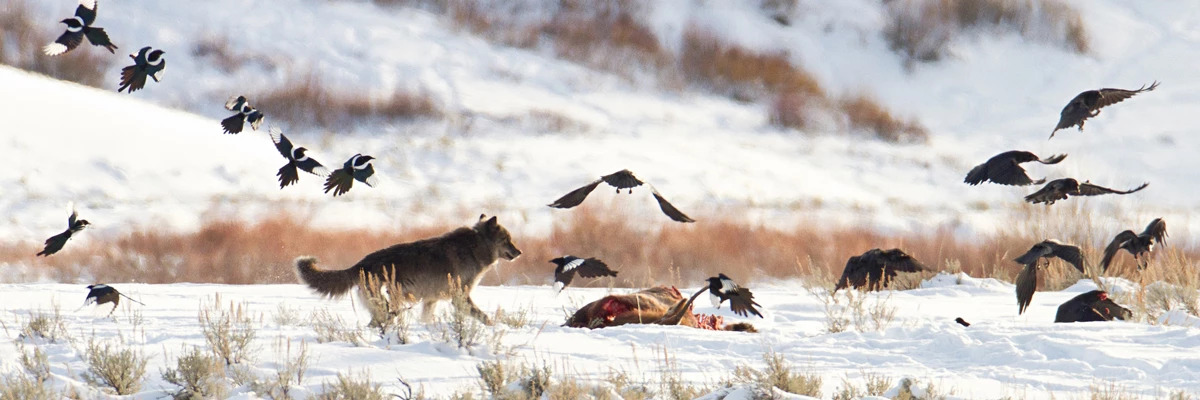
In 1995, the first wolves were reintroduced to Yellowstone, creating the first major case study for predator effects on the landscape.
The main goal of the project was to save the wolves themselves, which had been listed as endangered following their culling across the U.S. But in the process, the entire ecosystem was able to rebound. In fact, elk populations were brought back down to sustainable numbers, reducing their burden on the landscape and allowing willow and aspen trees to regenerate. A weight was lifted; the ecosystem could breathe again.
Other wolf introduction efforts have been similarly successful. In the American West, wolves have been directly introduced to the Greater Yellowstone Area and Colorado, but they’ve expanded across the country as populations grow — now, there are over 3,000 wolves in the western United States, with 555 in the Pacific Northwest specifically.
Compared to their historic near-extinction in the region, wolves have made an incredible comeback. But when considering their previous native range, it’s clear the species is still in a vulnerable position.
Keeping the pack together
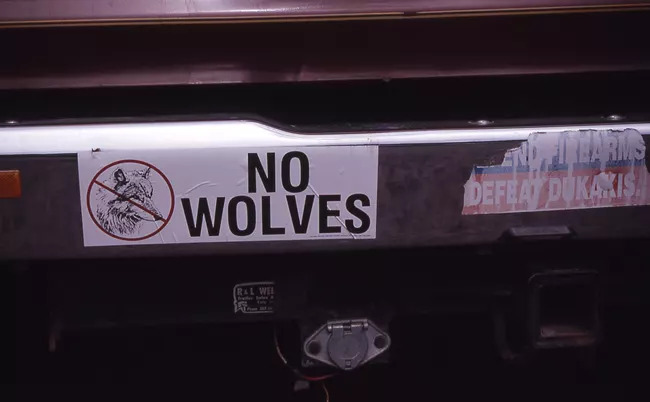
Now, wolves have their own predator problem as farmers continue to target them in an attempt to defend their livestock. Wolves still can’t be hunted in protected areas like national parks, but the moment they cross over these invisible boundaries, they unknowingly step into the dangerous paths of traps and rifles. This year alone, Montana will hand out permission for the deaths of 300 wolves, putting a considerable dent in the statewide population of 725 individuals. But the numbers used to be even higher, as the state allowed 458 wolves to be killed last year (unexpected drops in the population have led to tighter restrictions).
In the battle against these killings, Indigenous tribes are often leading the fight.
Tribal wolf advocacy group, Protect the Wolves, has called for multiple states to expand their protections for the species, adding 51 km (31 miles) of buffer zones around existing National Parks where wolves couldn’t be hunted or trapped — the group petitioned for these Sacred Protection Zones in Montana, Wyoming, and Idaho, but has yet to get a response.
Enforcing these zones would disallow lethal methods, but farmers would have other means to protect their flocks. Instead of harsh exclusion, they could work to coexist with the wolves.
Coexistence is key to conservation in the American West
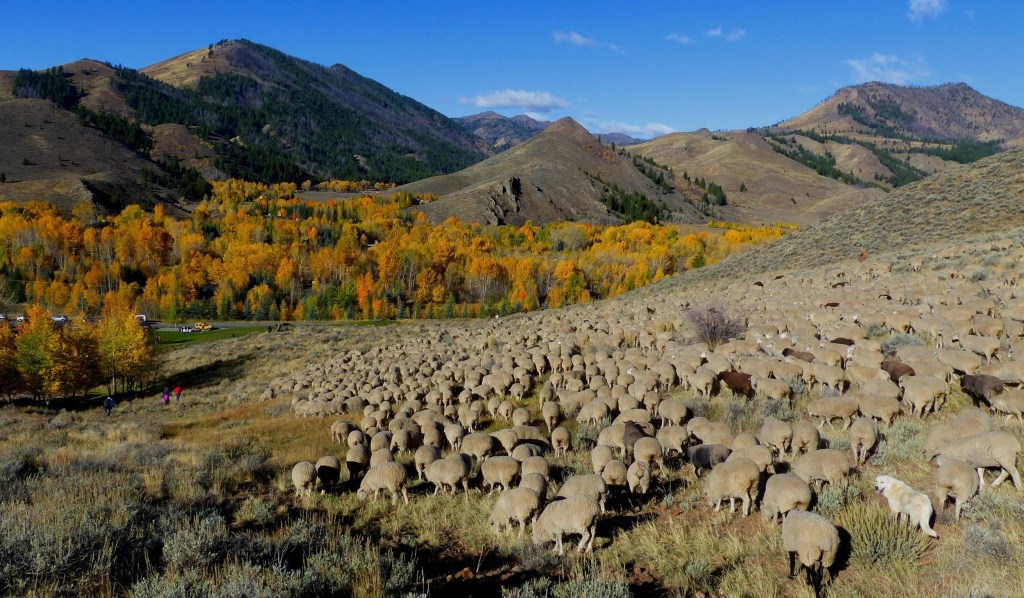
Lethal methods like hunting and trapping are far from the only options, and in some cases, killing off wolves can be counterproductive. The next pack or generation can step in to fill the space left behind. But non-lethal deterrents will continue to ward off any wolves in the area.
In central Idaho, the Wood River Wolf Project is encouraging farmers to coexist with wolves, so both species can thrive.
Instead of killing wolves, the goal is to encourage them to keep moving. Wolves may seem like bold, intimidating threats, but in reality the animals are neophobes, naturally wary of new, unexpected things, and especially human presence.
Randomly blinking lights imitate sweeping flashlights. Flag barriers that flutter in the wind and talkative speakers create strange new stimuli, all taking advantage of wolves’ natural fears. These strategies may seem simple, but they rely on a deep understanding of wolves: their behavior, movement, needs, and habits. In a way, ranchers work with the wolves as much as they work against them, making adjustments all the time.
Most importantly, the Wood River Wolf Project works to change public perception of wolves, to convince people that non-lethal methods are worth the switch to protect our canine neighbors.
Conservation isn’t as simple as reintroducing a handful of wolves to the American West. Wolves are powerful forces of restoration, bringing balance to ecosystems, but they can’t undo all the damage that’s been done. What they can do is teach us to work with nature, instead of against it.
Yellowstone never had a wolf problem. Its fearsome, destructive predators were needed to maintain balance in the ecosystem, and they were destroyed chasing something that could never exist. If the goal is to preserve the beauty of nature, we only need to look at what’s already there.


Leave a comment