
By Keri Stewart
The breathability of wool makes it a popular choice for scarves, hats, and even sweaters. As a moisture and temperature regulator, this material is a wonderful insulator. Winter climates are no match for the warmth of wool.
It’s quite noteworthy that wool, a competitor to synthetic fabrics, has the ability to regulate temperatures and evaporate excessive moisture.
But just how truly noteworthy is this fiber in regards to the sustainability of our environment?
Is wool sustainable?
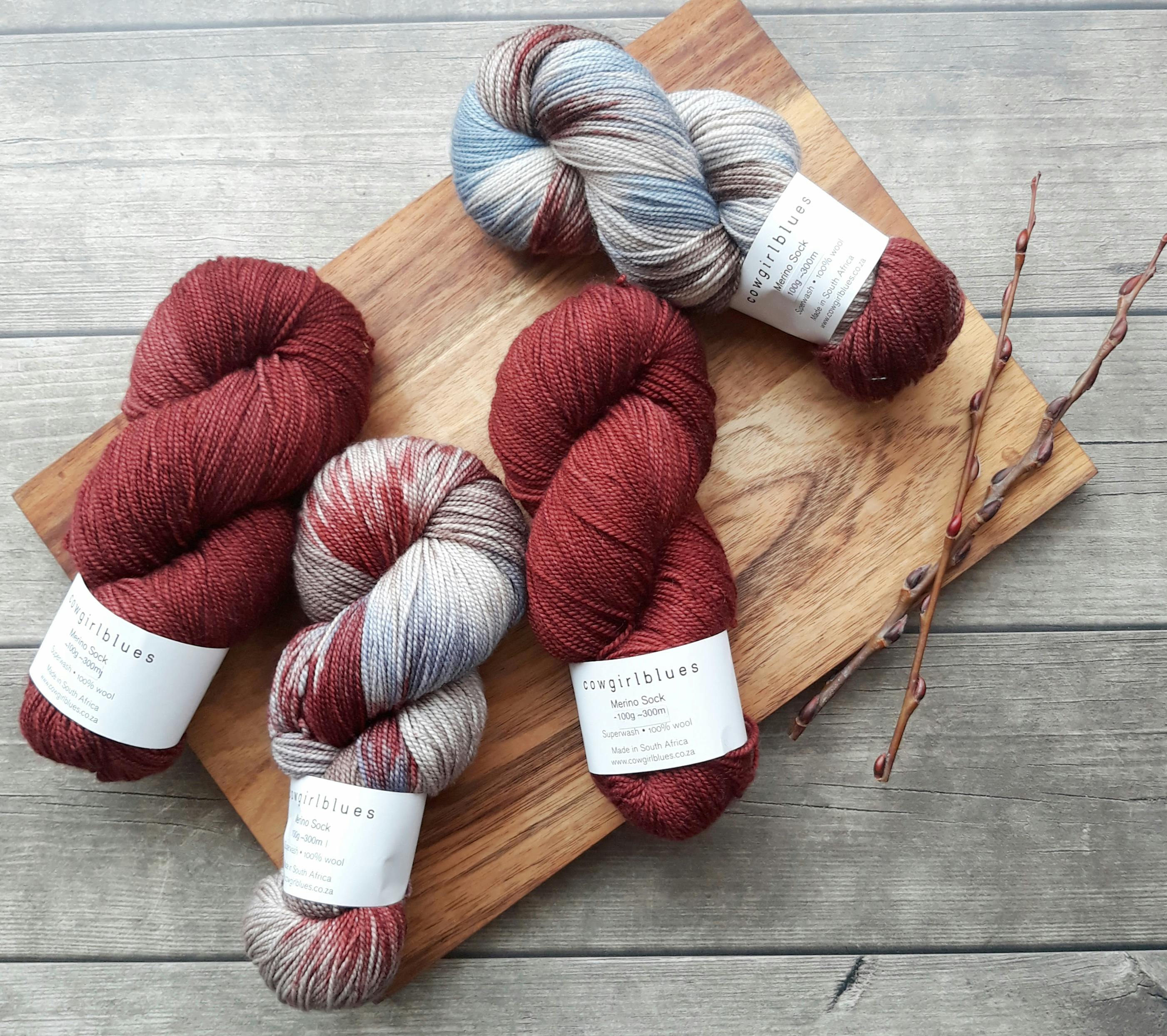
Thanks to its recyclability, biodegradability, and renewability, wool fits right into a circular economic model.
Being a natural-based material from an animal, wool offers biodegradability that is not so possible in synthetic fibers. This fiber is made of keratin, a protein found in hair, that makes it easily biodegradable by microorganisms in the soil. Over a span of months or years, the wool will be degraded naturally.
It’s important to focus on biodegradable materials because they have less of an environmental impact. By degrading, wool doesn’t burden landfills or threaten wildlife, such as how creatures can get trapped in plastic six-pack rings.
The natural biodegradability of wool through microorganisms is also important for another sustainable factor; being keratin-based, wool doesn’t shed microplastics during degradation.
While a plastic bottle will continue to degrade into smaller pieces of plastic through fragmentation, a fiber of wool will be degraded by microorganisms without emitting microplastics. Wool’s keratin-based structure is key to its sustainability. Its composition enables its fibers not only to have a biodegradable function but also to avoid shed microplastics. Thus, the fiber doesn’t contribute to microplastic pollution.
Wool is also quite a renewable source. In fact, sheep are able to produce about 4.5 kg of wool annually over the course of their life.
Additionally, wool is reusable. A woolen sweater could be recycled to become a patchwork piece on a pair of jeans or even a scarf. Besides repurposing, wool can also be recycled using a woolen spinning process. This closed-loop recycling stretches wool—that has been shredded into smaller pieces—to create yarn that can be used for other projects.
In a 2024 study by Mary Glasper et al., wool fabrics had the potential to be recycled up to 6 times with this process. Additionally, this process has been shown to keep up to 92% of the wool’s strength.
It’s not surprising to hear these results as “[wool’s] protein [keratin] provides… remarkable attributes such as elasticity, strength, and the ability to withstand repeated bending and stretching,” says IWTO in Wool Notes.
Therefore, the woolen spinning process offers a great opportunity to recycle wool.
Why is wool unsustainable?
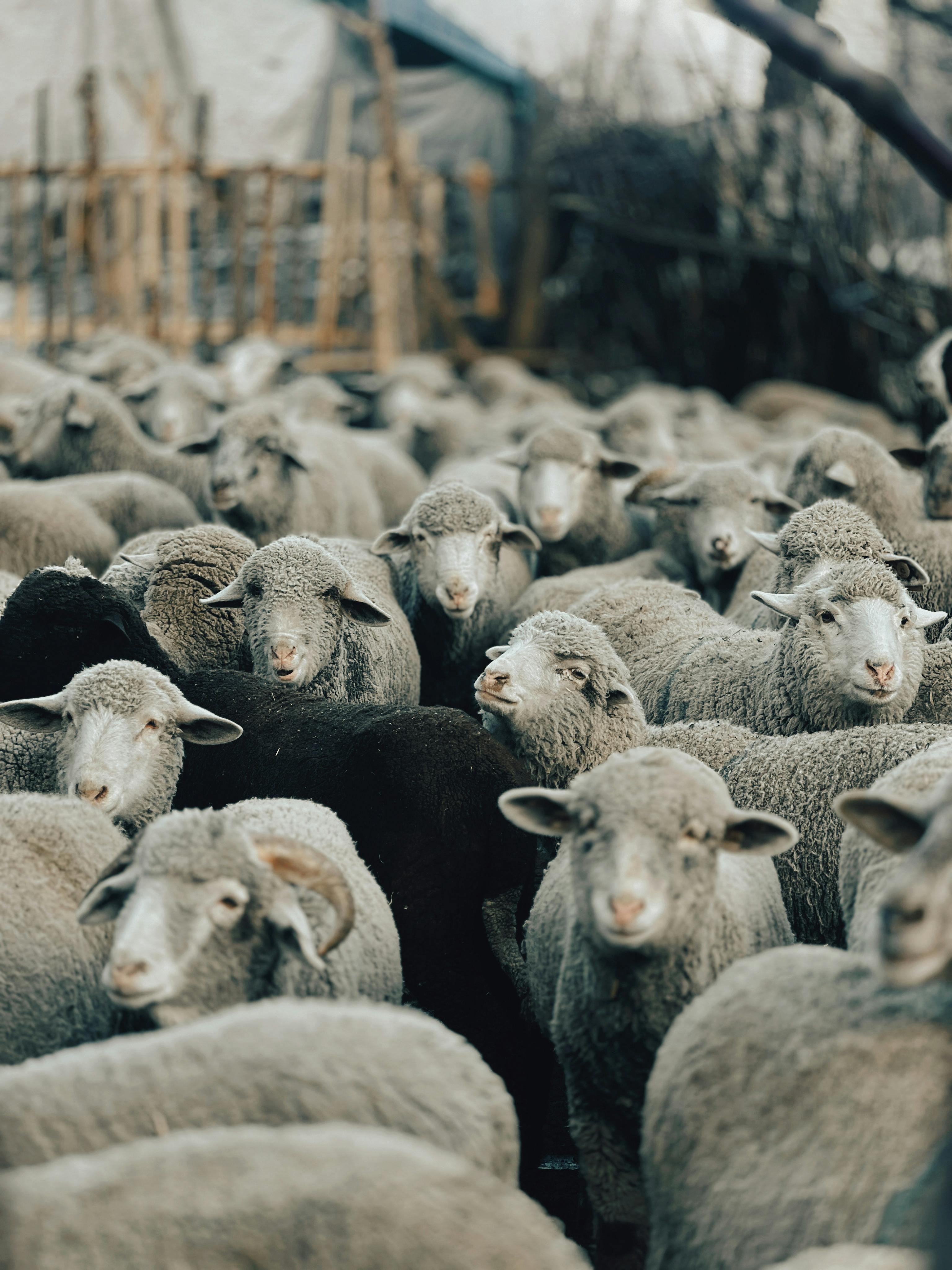
Wool has a lot of sustainable traits that make it appealing to customers and new businesses seeking sustainable practices. While it has its many environmental perks, there are some drawbacks to wool farming that are important to explore.
Between the actual treatment of the animals and some environmental risks, wool farming isn’t 100% sustainable.
The exploitation of sheep
No sheep wants to live in a crowded pen. Though many wool farms follow regenerative farming and have open pastures, there are still others where this is not the case.
Regarding the treatment of sheep, some employees have been illegally cruel via physical violence (i.e. punching, stepping on, not calling for a vet when required, etc.). Additionally, there is a procedure called mulesing, where the skin around a sheep’s hindquarters is cut off to prevent flystrike, an infection where flies lay eggs under the skin.
With the idea of wool farming comes the nature of viewing this animal as a source of product, profit, and potential rather than a living being.
It’s important to research where your wool is coming from so you can know where your money is going—what it’s supporting.
Overgrazing of the land
Cramped conditions can lead to overgrazing which negatively impacts the biodiversity of the land.
As sheep eat too much of the grass, the vegetation fails to grow back properly, and thus, the biodiversity of plants decreases, and soil erosion takes place. Without a stable environment, the ecosystem is weakened, and other organisms relying on the vegetation are thus negatively affected.
By harming one trophic level (the vegetation) the rest of the food pyramid is hindered, and the lands are more likely to become deserts through desertification.
Although it’s important for the sheep to eat, it’s also important for natural vegetation to continue to flourish for the sake of the ecosystem.
To combat overgrazing and the disruption of the ecosystem, farmers have used organic-based fertilizers to improve the quality of the soil and follow rotational grazing so that the sheep do not graze too much in one area.
Carbon emissions
One of the most environmentally negative traits of wool farming is the fact that sheep produce high rates of methane gas, contributing to carbon emissions.
With climate change in full gear, excessive greenhouse gases are not something we want to increase, and thus, it is important to consider the impacts of wool farming on our planet.
What is the carbon footprint of the wool industry?
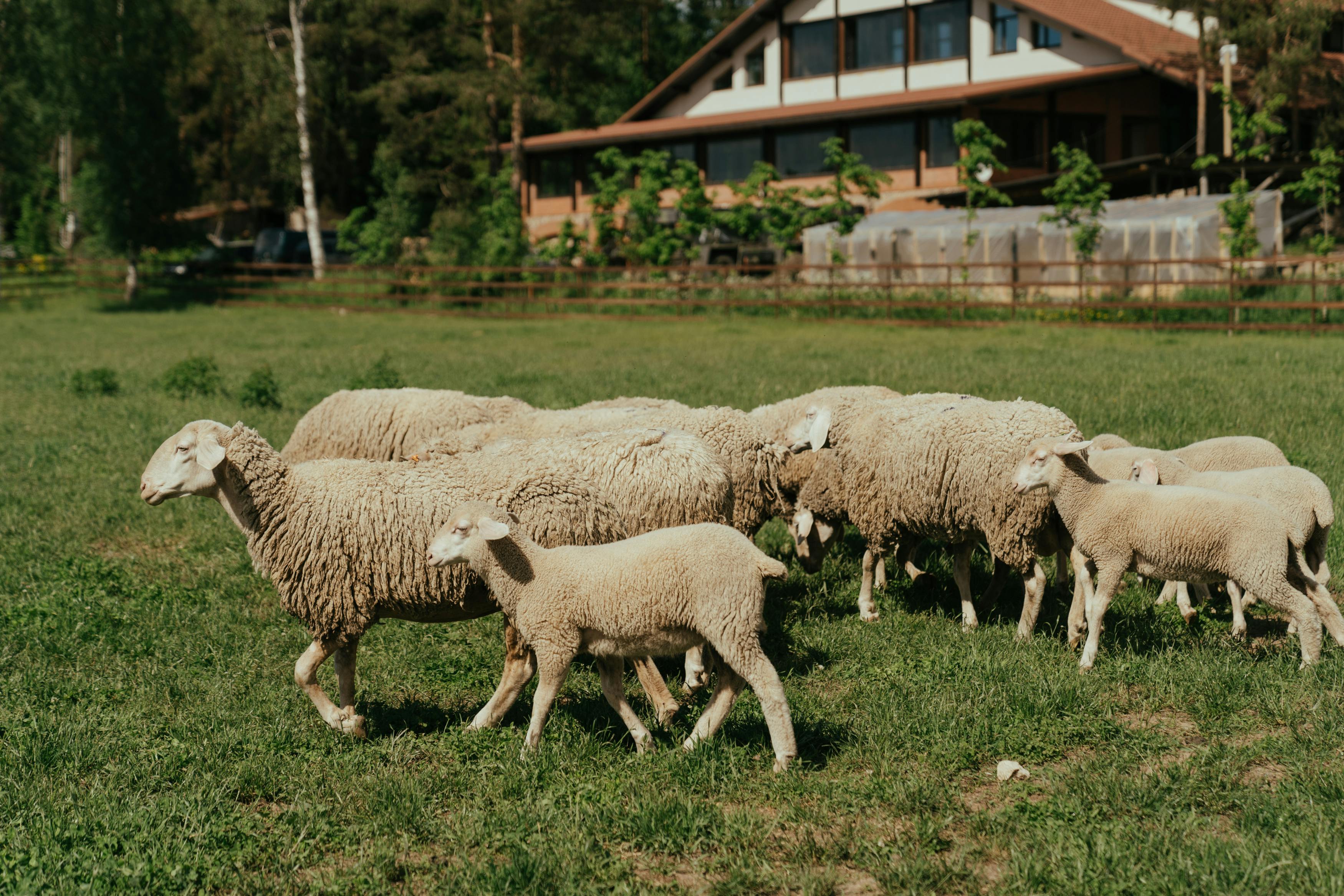
Researchers have been looking into ways to reduce carbon emissions for wool farming as a means of making it more sustainable.
Because sheep produce such high rates of methane gas, some farms have relied on solar and hydropower for the processing and farming of wool as a means of reducing these emissions. Rather than focusing on equipment that utilizes fossil fuels, farms can be more environmentally friendly by using renewable energy sources.
Some researchers have discovered supplements that can potentially decrease the amount of methane that sheep produce. For instance, seaweed-based supplements have been shown to reduce sheep’s carbon emissions.
IWTO says, “There are also definitely major trials underway with the red seaweed feed supplement (Asparagopsis taxiformis – which is technically an algae) which shows promise in reducing methane emissions.”
Other examples that IWTO shares are:
“Boevaer® (DSM-Firmenich AG, Kaiseraugst, Switzerland) is in wide commercial use, and reported to reduce methane emissions by ~30% in dairy cattle (Science Lit Review), and 15% for grazing animals (MLA).
“Agolin® (Agolin SA, Bière, Switzerland) is an essential oil based supplement shown to reduce methane emissions in dairy cows by ~8% (Study).”
Additionally, Xixi Li et al.’s study, exploring different dietary supplements, states, “When methane is expressed in terms of wool growth, animals on the rhagodia diet [Rhagodia preissii] produced 26% less methane for every gram of wool.”
Although the rhagodia diet did not have an overall decrease in methane, the wool growth occurring at 26% lower emissions suggests we need more research on dietary supplements.
Carbon audits measure how much carbon a business is emitting, such that one’s carbon footprint can be tracked. To keep farms accountable for their sheep’s emitted greenhouse gases, it’s important to encourage them to conduct a carbon audit. Tracking carbon emissions can keep farmers aware of how much methane their sheep produce. However, it does not keep them accountable for reducing those emissions.
Considering the drawbacks of carbon audits, behavioral implementations on farmers can be important for reducing carbon emissions. Carbon pricing, a policy that taxes businesses based on their carbon emissions and the harm they cause to the environment, along with a cap-and-trade system, as discussed in a 2016 article by Anthony Biglan, where businesses exceeding a set carbon limit must pay more to emit more, can be a great place to start. These behavioral implementations have the potential to reduce farmers’ behavior of emitting excessive methane gas via wool farming through the avoidance of paying extra fees.
While there are a few drawbacks to the production and farming of wool in our environment, it seems to be a step in the right direction towards sustainability.
If the treatment of sheep is managed safely and farmers implement more methods to reduce the carbon emissions of sheep, it could make wool the crown of material sustainability and, thus, a key for our future.
 Blinter Magazine
Leave a reply to Articles by Keri Stewart – Blinter Magazine Cancel reply