
By Keri Stewart
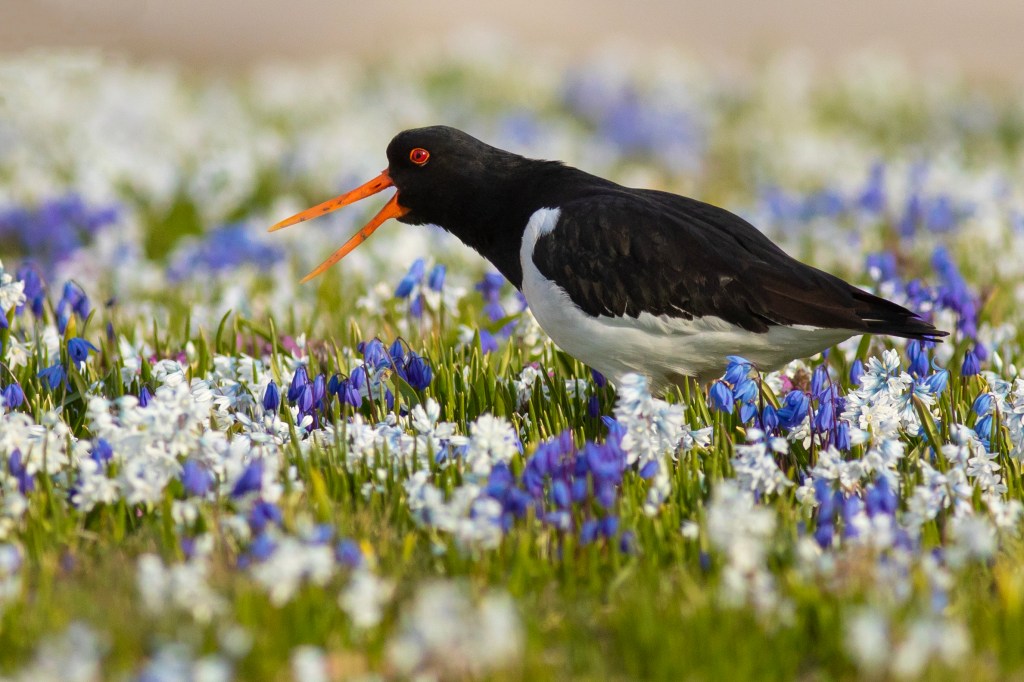
Present in the Baltic Sea, Gotland is an island that’s part of Sweden featuring beautiful wilderness, sea stacks, and coastal areas that redefine beauty in terms of something existing ubiquitously. Whether you explore the island’s charms at one of its myriad nature reserves, coastlines, Visby (a town with Viking origins), or sea stacks, such as Lergravsporten and Hoburgsgubben, a sense of awe is sure to follow.
Apart from the island’s natural beauty in its scenery: its avian wildlife establishes a pronounced focus on birding to record boundless flights and a variety of species. Raptors are frequent year-round residents among others in Gotland, so be sure to be on the lookout for those feathered friends.
Many tourists and locals visit birding hotspots, such as Lausviken, Närsholmen, Lake Paviken, and Hoburgen. These areas are all protected by Sweden’s Environmental Code that aims to defend the environment.
Birding at Gotland is reminiscent of a beauty that’s omnipresent. Every hotspot is another chance to rediscover wonder.
Popular birding hotspots in Gotland, Sweden
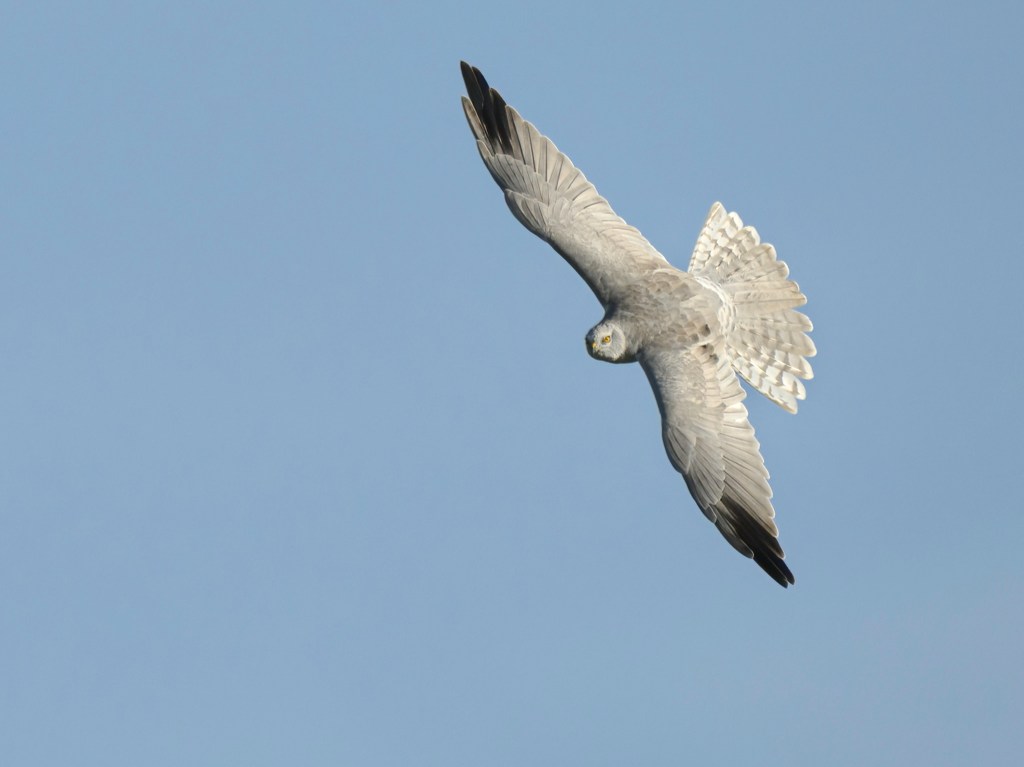
Gotland is a popular birding destination for travelers with an interest in birdwatching. This island has plentiful habitats that establish an arrangement of diverse species.
Additionally, its location makes it perfect for watching migration patterns in the spring and fall. Many visit Sundre Fågelstation, a bird ringing station, to witness these migrations, though there are a handful of other spots many travel to as well:
Lausviken
Taking a step towards the east of Gotland, Lausviken introduces biomes of coastal meadows and a shallow bay where you can find waterfowl and raptors. When the tides are low, the sandy coasts offer a rich feeding ground, a food haven for many birds.
During your visit to Lausviken, you can birdwatch at one of the two observation towers, making this a wonderful hotspot to witness migration in progress.
Some of the year-round residents are the Golden Eagle and White-tailed Eagle. These raptors will be found soaring overhead in search of prey. Additionally, during migration seasons Barnacle Geese can be seen in big flocks.
The area’s most popular species are the Bar-tailed Godwit, Red Knot, Eurasian Curlew, Avocet, and Dunlin. However, their presence depends on the season and weather.
In autumn, you will be amazed at the year-round raptors present in this shallow bay alongside the arrangement of other waterfowl, waders, and flocks of birds.
Närsholmen
Another popular birding spot is Närsholmen, a peninsula with unique pasture-like vegetation and coastal meadows. Its special variety of flora, such as the field vetch, cultivates rich birdlife as many of these plants are rare or unusual.
The Närs lighthouse at Närsholmen overlooks the Baltic Sea. It exists as a popular landmark in the area. The panoramas of beautiful flora and the lighthouse are one of the many reasons to visit. And, due to its distinctive environment, this peninsula is also a wonderful spot for birdwatching. Many breeding birds, such as the Greater Sandpiper and Great Shearwater, find the environment to be suitable.
In autumn, Ebirders most frequently counted the Mallard, Black-headed Gull, Eurasian Wigeon, Great Crested Grebe, and European Golden Plover. A birding trip here is an opportunity to witness a unique blend of vegetation and avian wildlife.
Lake Paviken
On the western side of Gotland, reedbeds and unique wet meadowlands are home to over 240 bird species at Lake Paviken. The lush grasses paired with the lake and reedbeds offer a perfect birding hotspot that is both a blend of beauty and habitat diversity.
While making your way to the lake’s birding observation tower, you may be able to spot a handful of ducks and waders. The five most popular birds noted are the Great Bittern, Garganey, Spotted Crake, Caspian Tern, and Water Rail. Though a Western Marsh Harrier patrolling above wouldn’t be unexpected.
Regarding autumn specifically: Ebirders have most frequently counted the Great Crested Grebe, Great Egret, Gadwall, Hooded Crow, and Mallard. And, there is a very good chance of spotting unique aquatic-loving birds, especially if you wait patiently from the observation tower. You never know what may be hiding in the reedbeds.
Hoburgen
Another popular birding hotspot near the water, Hoburgen, pairs coastal rauks (sea stacks) with open shrublands, combining both the aquatic sides of nature with the richness of vegetation. Featuring old rauks, the tides crashing on the shore, and the vibrant greenery, this birding hotspot is both a gift for your life list and for checking off the good presentation box; the landscape is truly stunning.
This picturesque coastline is currently the most popular Ebird hotspot in Gotland for most species counted. Of which, the Black-headed Gull, Mallard, Common Eider, Common Gull, and European Herring Gull are at the top of the list.
An interesting bird of prey you can find in autumn is the Eurasian Sparrowhawk. This frequent attender can be observed hunting for a meal or simply just soaring above. It’s best to witness the beauty on a picnic blanket or from one of the tall rocky areas.
Gotland’s best hiking trail for birdwatchers

Walk the trail through the Södra Hällarna Nature Reserve, 2.1 miles long, a loop route, and go through forests, rocky coastlines, and interesting meadows. This easy-to-cover trail makes birdwatching a journey rather than pure exercise. With beautiful environments comes stunning creatures. The avian wildlife here is enchanting to which many companies even offer nature tours of the area.
Ebirders have most frequently counted the European Herring Gull, Common Goldeneye, and Common Gull in this space.
Sweden’s Environmental Practices
After 19th-century industrialization led to factory emissions and polluted waterways, Sweden has made multiple efforts towards protecting the environment. One of which is the Miljöbalken (the Environmental Code) coming into effect.
What is Sweden’s Environmental Code?
Utilized in 1999, Sweden’s Environmental Code aims to protect the environment and humanity. Through seven parts and 33 chapters, this code has paved the way towards environmental change.
Those found guilty of environmental crimes, such as harming protected species or the release of hazardous substances, can face fines and even imprisonment.
However, the law works as a guideline of principles. Each individual case is ultimately under the decision of the supervisory authority.
How this code impacts areas like Södra Hällarna
Managed by Region Gotland, Södra Hällarna is under the protocol of Sweden’s Environmental Code. This code aims to protect the wildlife and environment of the area.
There is importance placed on checking soil, water, and wildlife conditions which can help highlight any changes to previous investigations.
Also, if someone were to commit an environmental crime, it is more likely for prosecution to happen as a result of the Environmental Code in writing.
When individuals (or companies) risk environmental harm, they require a permit to proceed. Waste management and construction are good examples of activities requiring a permit.
It’s important for places like Södra Hällarna to have environmental protection. Without a foundation outlining environmental concerns and goals, nature would be more vulnerable than it already is.
Where the Environmental Code needs improvement
With all the good the Environmental Code does and seeks to protect, its framework outline and general principles result in varied, unequal case outcomes.
Regarding forestry, a project by Jan Darpö + Jonas Sandström explored concerns towards implementing species protection. Different regions had different concerns about sensitive species. Even just northern and southern Sweden differed in this topic.
Discrepancies in this focus were deemed to result from a lack of data. There wasn’t enough information on species for there to be consistent case results.
Another project, run by Charlotta Zetterberg, found concerns impacting nature reserves and shores. Many applications for an exception to the rule have been accepted, and there was also variation found between and within counties on this topic.
How can a dispensation be an exception when it is granted so frequently? This concern further highlights the Environmental Code’s lack of consistency and perpetuates confusion on how the guidelines work.
While the Environmental Code benefits the environment by creating a framework of environmental concerns to follow, it would benefit with more consistency between cases, implementing its objectives, and ensuring information is frequently updated.
Appreciate your surroundings
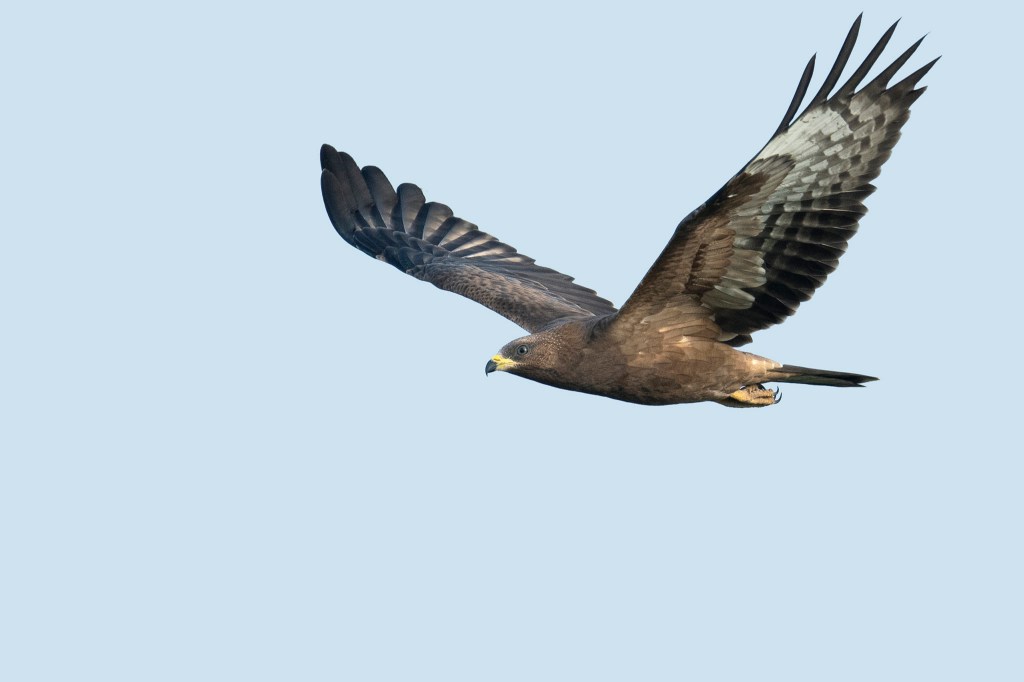
With Gotland’s majestic habitats and coastal enrichments it’s important to do more than just sightsee and birdwatch. Many groups have put forth environmental concerns and laws into focus to defend these beautiful areas.
Remember to take some time to appreciate the moment and where you are. Here, there lies enchanting terrains, rich panoramics, and pleasant wildlife. Over 240 bird species have been recorded, but Gotland’s abundance of nature didn’t form overnight.
When it comes to avian populations, it’s important for places like Södra Hällarna to follow proper environmental practices, such as Sweden’s Environmental Code, for its prosperity.
 Blinter Magazine