
I’ve spent my career covering many things, but luxury travel, with a focus on sustainability, has long been one of them. For a few years, however, I worked remotely as a luxury journalist for a live newsroom. Though I was hired to be the lead on all things sustainability and travel, for the breaking stories and live articles, I was tapped for many other beats, but mostly fashion.
I wasn’t upset by it. No, fashion wasn’t my specialty, but I grew up loving it. In fact, I used to think that on top of being a writer, I’d grow up to be “a fashion designer on the side.” I had a book filled with over 2,000 designs that I drew between the ages of 6 and 11. Many were inspired by Disney princess dresses during the earlier stages, but as I got older, they started reading more Limited Too and Hannah Montana modern.
The point is, while I abandoned that idea, realizing that I hate anything to do with sewing and was way more passionate about writing, I still found fashion fun and interesting. While getting my two bachelor’s degrees, I ended up studying this quite a bit for my Women and Gender Studies Concentration. When I got into climate journalism, I covered the fashion industry and its impact quite a lot. So I wasn’t opposed to covering fashion for the luxury news outlet when I was often tagged in on coverage for it.
I learned a lot in that time about the behind-the-scenes — what goes into marketing, the trends beloved by brands, the power of conglomerates, the ins and outs of PR for these pushes, and other nuggets of wisdom became areas that I was well-versed in. But, as someone who was still freelancing as a climate journalist and remained deeply passionate about the topic, I was much more interested in ideas like sourcing practices, transparency in sustainability reporting, why certain people are included in campaigns and why certain groups are left out, labor practices, and materials.
I started pitching features where I’d do intensive research into brands’ earnings and DEI reports, sift through material sourcing information, and interview experts about the effectiveness or lack thereof when it came to sustainable drops and other green pushes. When I had to cover a breaking news story about a campaign drop or brand ambassador announcement, I had a big enough knowledge base to see past the surface-level information. I understood the “why,” and it was always “money.” Even luxury fashion names that touted sustainability were engaging with infamously unsustainable celebrities for their collection imagery or sneaking plastic into the clothing.
And, every so often, a label that I’d never think of as green would surprise me.
The unsustainability of luxury fashion
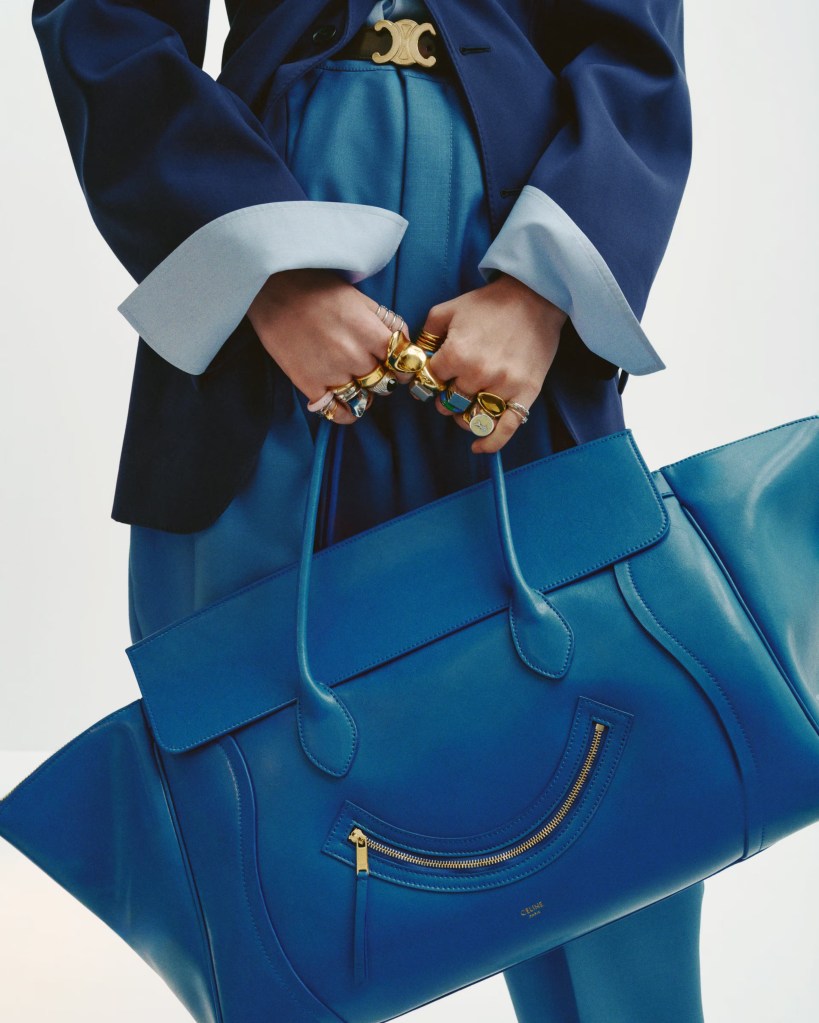
When you’re sifting through hundreds of campaigns involving giant branded trunks that cost tens of thousands of dollars or leather bags covered in animal skins, it’s hard to believe in a sustainable vision of the industry. The brands that I figured weren’t sustainable, generally never were, and the brands that I thought could be, kept falling dramatically short.
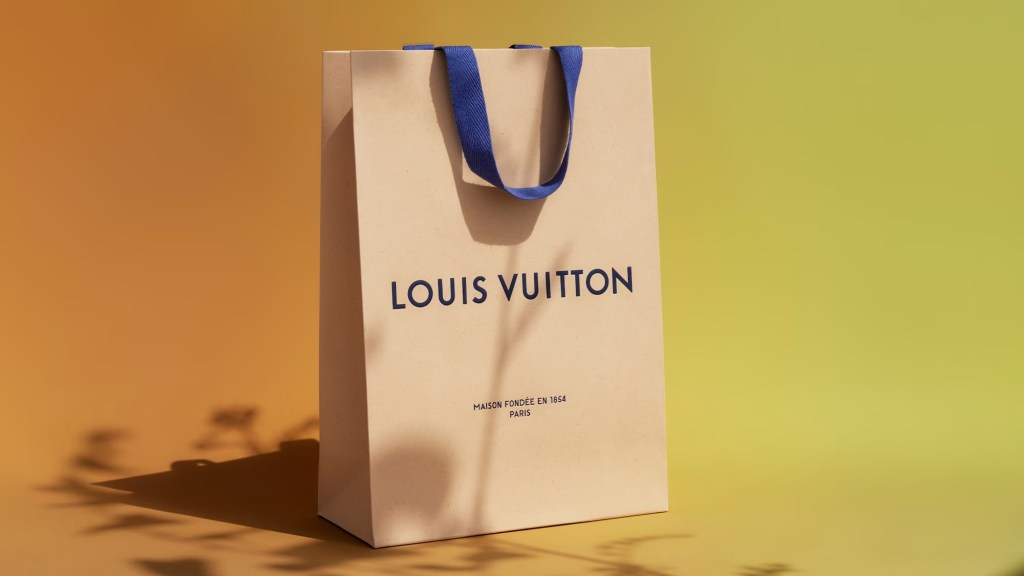
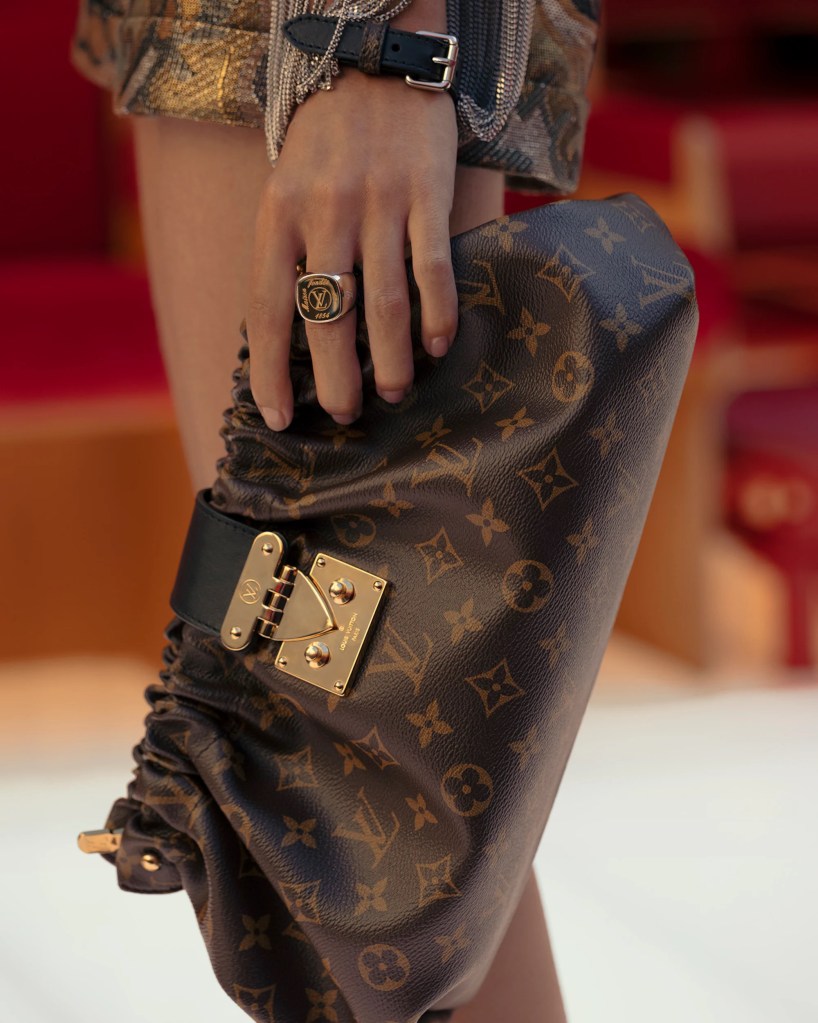
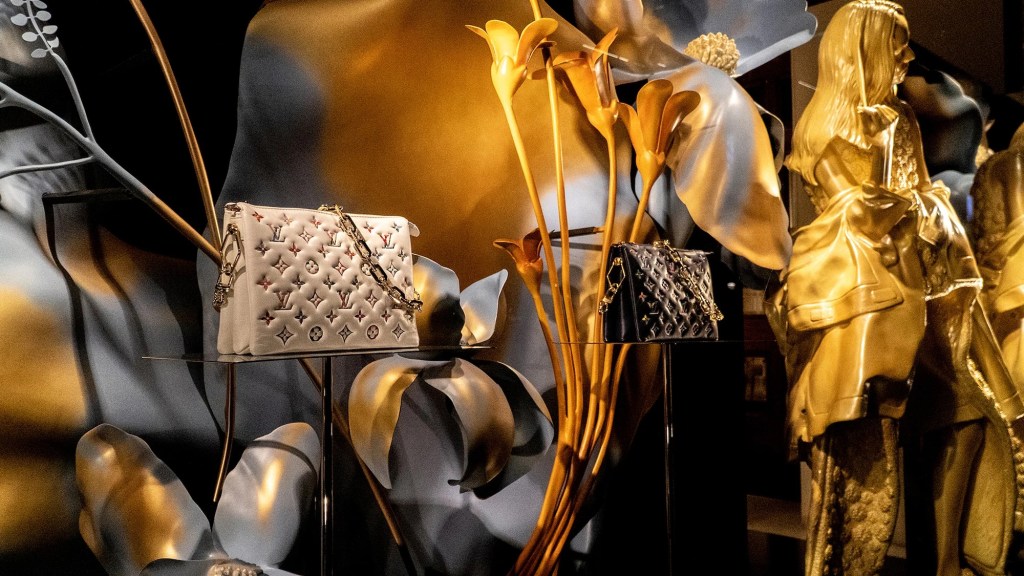
Take Louis Vuitton, which might just be the most famous luxury name on the market. I was covering endless drops of monogrammed purses, massive travel cases, perfumes, bulky sneakers, novelty baby clothes, and clothing collections. Every so often, they’d center green messaging, but never for a big fashion campaign. It would be a single video they’d release on YouTube, revealing a specific initiative they’re supporting. For example, they were working with the Australian conservation group People for Wildlife back in 2023, and released some imagery on their channels about it.
However, despite these shows of support for climate justice, the brand doesn’t provide evidence of certain claims, or it does the bare minimum for sustainability goals, but frames them as progress.

Let’s look at the label’s goal to, by 2030, reduce its carbon footprint by 55% compared to 2018. You should know that this is when most companies in developed countries will be legally required to reduce their emissions anyway. The EU Climate Law, for instance, already states that net GHG emissions must be decreased by at least 55% by 2030. The legally binding climate targets ensure that those who don’t comply will have to pay fines. The Fit for 55 legislation includes the fashion industry, and therefore, Louis Vuitton and every other EU-based brand would need to comply.
Louis Vuitton’s supposed effort to go the extra mile isn’t outstanding or rooted in sustainability at all. It will be the bare minimum. That’s like a car company touting its seatbelts as an amazing feature that shows its dedication to safety. Yes, seatbelts improve safety, but they’re also a legal obligation to include, and therefore don’t really say anything about the brand other than they’re law-abiding.
Meanwhile, at LVMH, the conglomerate that owns Louis Vuitton and countless others in the luxury fashion space, the percentage of recycled materials in customer packaging for glass and plastic actually fell by 2% between 2023 and 2024. And, in the fashion and leather goods sector, the percentage of new products to be covered by a sustainable design process went from 61% in 2023 (though it was only assessing 300 products) to 33% of the 3,781 products evaluated.
The Scope 3 emissions produced by the group went up by 5.2%. On top of this, the GHG emissions from Scope 3 fixed assets, upstream transportation, and business travel went up by 21%, 32%, and 23%, respectively, between 2019 and 2024. There are other increases during the same timespan, including the 67% boost in GHG emissions from the use of the products sold and the 51% generated by investments made by LVMH. However, LVMH touts its Scope 1 and Scope 2 emission reductions, which again aren’t outstanding, but rather on track to meet the legal requirements to operate in the EU without fines.
Now, believe me, sifting through the conglomerate’s reports is a challenge — for example, the units change depending on what the group is measuring, as is the case with the Scope 3 measurements, which, unlike Scope 1 and Scope 2, were often, if not always, tallied up according to GHG emissions per unit of added value. Finding just a simple chart with easy-to-read scales featuring each Scope’s emissions seems to be fantastical at this point.
So, while LVMH publishes plenty of good news when it comes to its sustainability performance, I’m pretty wary of how that information is presented, lacks comparisons, or is just hard to read. Eco-reporting should be accessible, but it often isn’t. That’s perhaps my biggest job as a climate journalist, and while I was primarily covering luxury: to translate inaccessible environmental language from reports into language for everyone to understand.

You shouldn’t have to have a college degree in environmental topics to even digest something that was supposedly written for the general public.
But the issues with luxury fashion’s relationship to nature aren’t just confined to emissions reports. Sourcing information is often muddy, at best, and plenty of labels continue to go with unsustainable materials such as nylon, rare animal leathers, polyester, and fur, half of which being cheap and not worth the steep prices that these products are tagged with. Then there’s the people behind them.
I can’t stress this enough: I will never, ever understand why people would wear something from Chanel. It’s well-known that the woman behind the brand collaborated with the Nazis. She was also in a relationship with a Nazi agent during and after the war, and fled to Switzerland after being questioned when the Nazis lost power. She never faced any punishments for her enabling of those who murdered, tortured, and kept the Holocaust going.
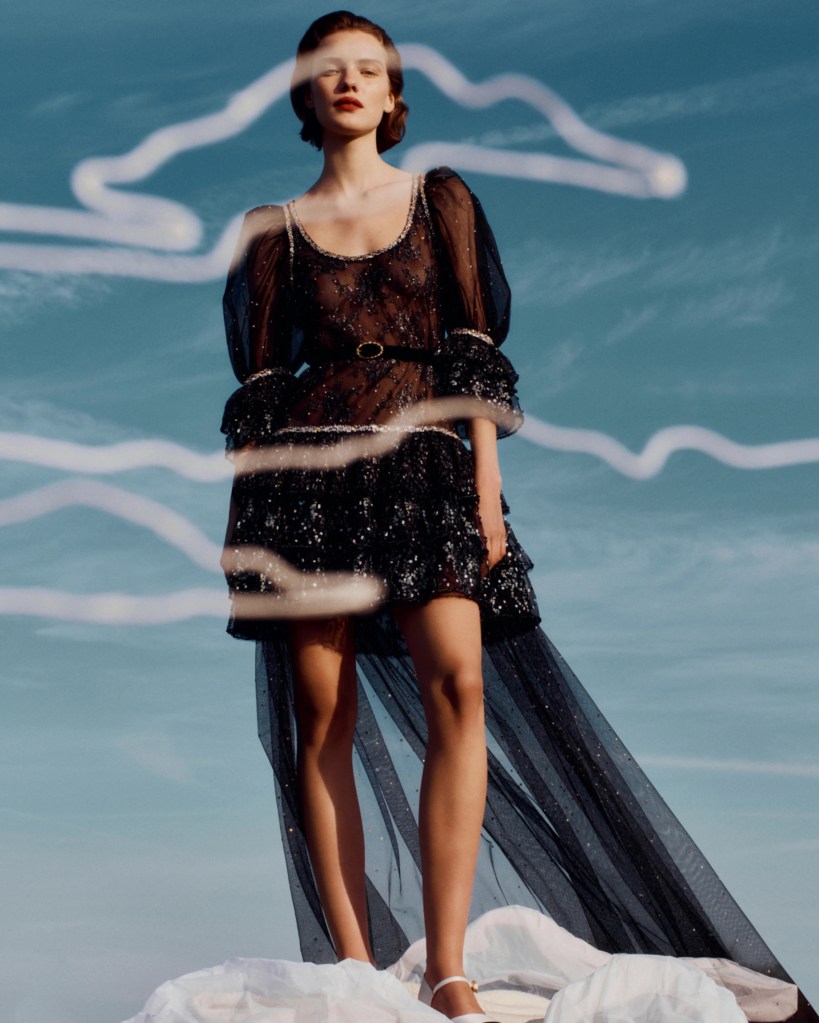
Even if her brand didn’t have her name on it, I’d be wary of those wearing it in the same way that I, as a queer person, am wary of those who order their food from Chick-fil-A — regardless of their beliefs, they’ve inevitably decided that fried chicken is worth sacrificing their allyship for. But her name is on everything. She is the brand. Even celebrities that I believed to be socially conscious proudly pose for Chanel campaigns and step up as brand ambassadors.
I don’t know if this is the product of a severe lack of awareness (I’d advise anyone wearing someone else’s name to research who that person was, even on a surface level) or a severe case of apathy toward human suffering. And how do stars like Timothée Chalamet, Lupita Nyong’o, Kirsten Dunst, Keira Knightley, Lorde, Marion Cotillard, Dua Lipa, Laufey, Tilda Swinton, and countless others who people admire justify wearing Chanel’s name? They certainly can’t claim that they are uninformed — these celebrities have teams of crisis management professionals and image managers whose sole job is to ensure they don’t get in hot water.
I won’t pretend to know what’s running through their minds when they sign their contracts, show up to Chanel shows, or don the brand’s apparel for events. But it certainly adds to my concerns about the sustainability of luxury fashion.
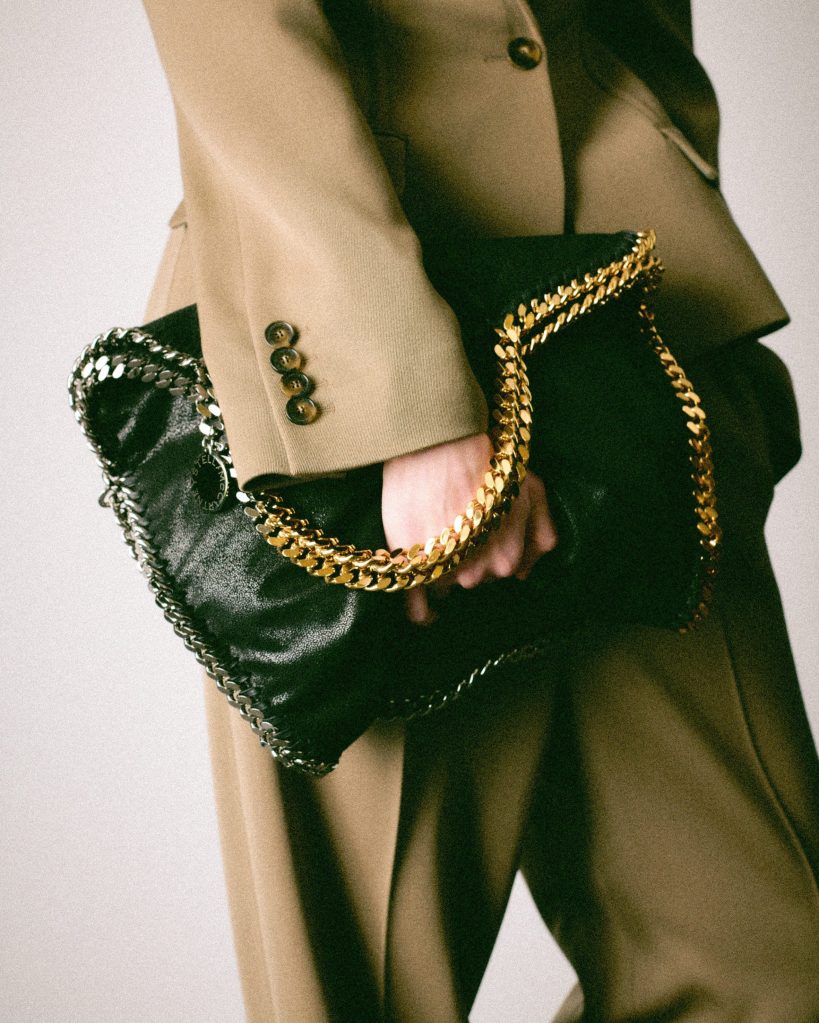
Then there are brands with founders who aren’t Nazis or unreasonably wealthy white men. Stella McCartney, for example, has long made a name for herself in the world of eco-luxury design. Campaigns are centered around noteworthy concepts like the female form, protest, animal rights, and climate. The brand built a reputation for using green innovations like mushroom leather and cruelty-free feathers.
But, then the brand makes contradictory moves, such as allowing Jenners to star as campaign models (for context, Kylie Jenner and Kim Kardashian both made Myclimate’s 2023 list of the top 10 most private jet carbon emissions) or collaborating with Adidas, a brand notorious for inhumane labor practices and that scores low on human rights transparency indexes.
It seems that Stella McCartney, a brand doing supposedly green things in-house, still dabbles in unsustainability in its partnerships, collaborations, and external dealings. Why isn’t the label centering climate activists or, at the very least, socially and eco-conscious celebrities, for all (not most) of its campaigns? Why isn’t the label only forging collaborations with brands that align with its touted values? Why are there still so many shortcomings in this portion of the business when it’s clearly figured out how to make green luxury fashion well?
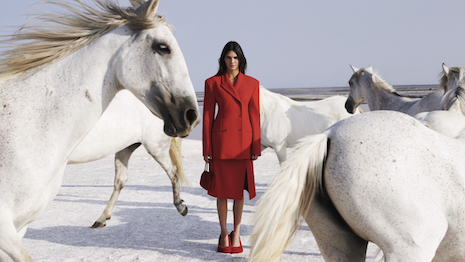
To be clear, I love what Stella McCartney is doing for fashion, but all the more reason why I expect better from them: I know they’re capable of it, so falling short is a choice, not a lack of ability.
The fashion show that gave me hope for luxury
Fashion shows feel like celebrations of this landscape. I never thought I liked them, let alone luxury presentations, as they seemed to include dull styles, unoriginal set-ups, and guest lists filled with those who don’t seem to care about the planet. So, when I was asked to cover a luxury fashion show, I figured it would be another painful process filled with let-downs.
But Valentino’s 2023 Paris Fashion Week production was another animal entirely. I never thought much of the label, knew nothing about the new collection, and believed the prices, like those of any maison, were outrageous for what you get. But this presentation, at least for the day, changed my mind.
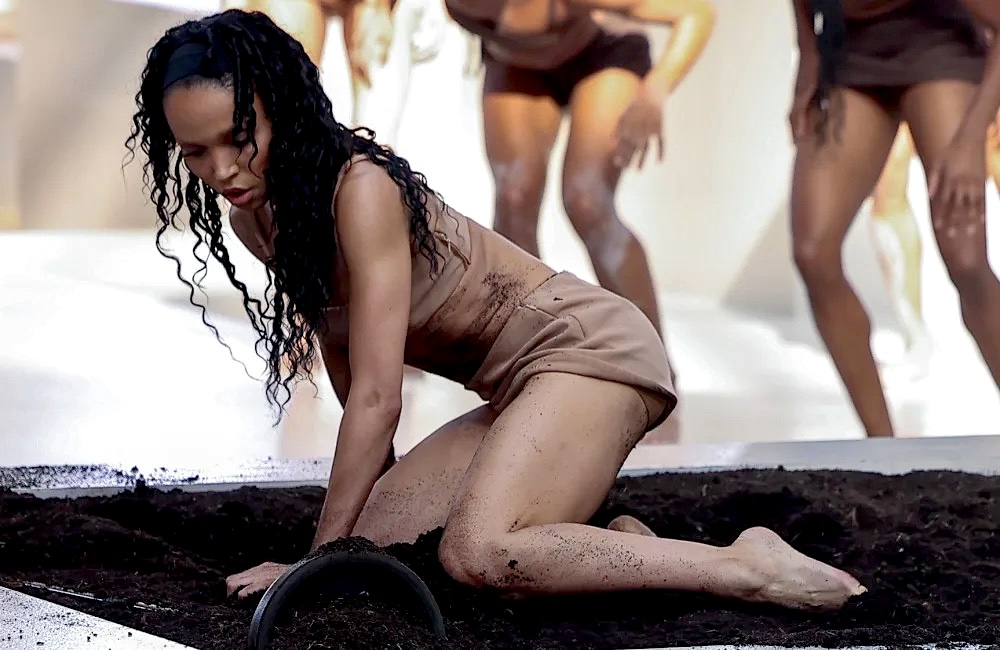
The show was held in the École Nationale Supérieure Des Beaux-Arts, making for a mindful space that honored heritage, creativity, and imagination. At the heart of it was FKA Twig’s “Unearth Her” performance. Filled with ecofeminist ideas and gestures that involved connecting the female form to nature, it blew my mind. The dancers poured sand over themselves, the singer dug in the dirt, and together, they all engaged in land-based performance art. I had never seen anything like it in fashion, let alone luxury. It had a rawness and vulnerable wildness that you just don’t see in advertising, commercial spaces, or high-end branding.
You can read my article on it here.
All of this complemented the collection being shown, which, according to the fashion show’s notes, had a “fundamentally feminist aim; independence of the body from the male gaze or societal expectation, an agency.” And the pieces featured “Altorilievo,” or a technique involving cut-outs and sculpting that makes the fabric look, well, sculptural. It turns the wearer into a sculpted Venus of sorts — it’s a really beautiful effect. The natural fibers, flora-inspired designs, and moon-shaped bags all came together for what felt like an ode to the natural world and women’s interactions with it.
Now, I honestly would have brushed off this language and setup had it not come with the ecofeminist performance. I’ve seen plenty of good verbiage in campaigns that tout things like feminism, mindfulness, and other honorable traits. But they’ve been presented in a trendy or disingenuous way that lacked artistry, involved ordinary garments, or just didn’t strike a chord. But Valentino’s combination of the stirring performance, natural textures and shapes, light-filled setting, and thoughtful narrative was special. I didn’t just watch the whole thing to write my article; I watched it two more times alone and again with my partner.

I’ve never forgotten just how magical that fashion show was. It completely changed my mind about luxury fashion, the role that high-end design can have in the arts, and fashion shows in general. It felt like a once-in-a-lifetime production, and while it opened me up to seeing other fashion shows, I’ve yet to witness anything that even comes close to it in any way, including from the brand.
Nonetheless, it instilled a deep appreciation for what luxury fashion could be and reminded me that, despite the focus on the marketing, pricing, famous faces, and clout associated with the industry, high-end apparel could center on art and sincerely mean it. It could empower not just women’s beauty, but wholeness and wildness, painting a more accurate picture of existence through stunning materials and competent designers.
In other words, luxury fashion could become all that it claims to be.
Here’s what luxury fashion could be like

Luxury fashion, when criticized, is quick to remind consumers that luxury is about craftsmanship. That’s how it justifies the ginormous upcharges. That’s how, perhaps, it gets away with reusing old ideas and rebranding them as new. That’s how it can tap unethical celebrities, avoid transparency, violate labor laws, and commit any number of other atrocities or faux pas that so many do regularly. People will still buy from them because, according to the stories we tell ourselves about luxury, no one makes a bag like that. It may put me in debt, but this is the best pair of shoes in the world.
But what if luxury fashion’s quality claims weren’t just true, but were paired with a true concern for those who wore the products?
I think of Burberry’s Winter 2023 campaign and all the beauty that it involved — rugged landscapes across the British Isles served as the backdrop for absolutely stunning pieces like soft plaid shawls splashed with thistle and marine hues. Despite the gorgeous scenes, I couldn’t help but feel a little checked out when reviewing the materials for my write-up of it. Yes, Burberry does a lot of community work and has repurposing programs. But are they as sustainable as they could be? Do they give back to Britain enough to justify how much they’re bringing in?
I can’t imagine how stirred I would’ve been if I weren’t wondering if the jackets shown in each shot were made ethically.
I could name countless other campaigns that were visually stunning, had pretty fashion pieces, or just touted good ideas that just didn’t strike a chord because of this huge question mark. Do they mean it? Do they care about these landscapes that are centered in the imagery? Do they put as much attention and care into crafting these clothes and accessories as they say they do? Or are they just flirting with the concepts enough to get me to pay them a ridiculous amount of money, but not enough to be sincerely invested; enough to splash favorable messaging across their website, but not enough to score even middle-of-the-road rankings on environment and human rights lists?
I know not everyone is struggling with these questions when they view a brand’s materials. Perhaps it’s because it was my job, or maybe it’s because I can’t help but have hope for artistic spaces of any kind, but I do struggle with them. Again and again, the reality consistently contradicts the beautiful pictures that luxury fashion is publishing. I want something real, and I’m convinced that I’m at least not alone in that.

I want a Burberry campaign in the highlands, set to the music of local folk singers and featuring clothing made from regenerative materials sourced either in-country or from certified suppliers that any consumer could be proud to support (I have a rule that if I wouldn’t work for them, I shouldn’t buy from them). Imagine those purple scarves waving in the wind and feeling a sense of interconnection between the product and the dreamy landscape. That would push me to buy. That feels like an experience worth a steeper price tag.
It’s not just a scarf. It’s a bit of heritage, wildness, and art.
I want a Stella McCartney push starring someone like Jane Fonda, Elizabeth Wanjiru Wathuti, or other beautiful people who share the brand’s philosophy. A campaign featuring unique cuts, plant-based materials, and people who would actually prioritize sustainable clothing would paint such a powerful vision of eco-luxury.

I want CPFW’s sustainability requirements to be upped and adopted by the rest of the world, including Paris Fashion Week. I want material innovators who craft things like fruit peel leather and wine waste bags to be given a platform in advertising, so customers can hear from those who know the most about their products. That would give me hope for the future.
I want a world where LVMH, being worth $300.83 billion, realizes that the public won’t keep giving to a group that makes their planet less livable. And LVMH wouldn’t stop being wealthy if it put $1 billion or $200 billion toward solving the climate crisis. What if that amount of money were directed toward a scientific, social, and governmental collaborative body that had a sole purpose of mitigating climate change? Everyone says the issue is resources, and that there’s no way there could be a solution before the point of no return for the emergency. But there’s actually plenty of that to go around, even just in-house at LVMH.
For a group that shouts so loudly about innovation, responsibility, future-proofing, and creativity, I’d think they’d jump at the chance to show off their skills. For a business built on designers, they’re sure hesitant to design solutions.

I’m not sure how long luxury fashion can keep on this path; the path of putting out lackluster styles while destroying the livable planet for paying customers, and all while avoiding responsibility at all costs. I’d say this will last for as long as the public continues to show them that they’ll still give them their money if they get status in return. They’ll keep wearing the names of Nazi collaborators. They’ll keep wearing monogrammed outfits made by sweatshop laborers. They’ll keep handing over their underfed salaries for products that are destroying the planet for their kids.
But the thing is, despite my frustration with the apathy and tunnel vision at play, it shouldn’t be on the consumers to set the standard. Again, the reports are hard to sift through, even if you’re qualified to do so. But, more importantly, companies are supposed to be the innovators, right?
For an industry that calls itself a trailblazer, I’m not seeing it. But I hope I do someday, because I’ve seen glimmers of hope. I’ve seen food waste become heirlooms and ecofeminism tell stories with clothing and dirt at the hands of luxury designers, feminist dancers, and sex-positive singers.
These are the things I hold onto as I watch people don Chanel attire and billionaires get slaps on the wrists for violating human rights laws. It’s bleak out there, but the ingredients exist for a luxury fashion industry that doesn’t just act on its word but celebrates it. Sustainability should be at the heart of this business, at least if it wants to survive the future. I urge luxury fashion houses to reimagine their place in the industry. Otherwise, the public will do it for them.
Because someday, people are going to question why they’re buying a $4,000 accessory when it puts them in debt and doesn’t even fairly pay the farmer who produced the wool for it. Someday, it’ll stop adding up for those who are holding out hope.
 Blinter Magazine