

In the Trump Administration’s budget plan for 2026, there is a proposed thirty percent cut to the Department of Interior’s (DOI) fiscal year 2025 budget, primarily targeting the National Park Service (NPS). Other proposed cuts to the Bureau of Land Management with a focus on eliminating the protection or status of national monuments that are said to block the possibility for mining and drilling for oil and gas. Additionally, a reworking of the US Geological Survey’s programs to refocus on the administration’s claims to a “dominance in energy.”
Amidst the rising concern for global warming and a need for cleaner energy, land, air, and water, cuts to federal funding read as a lack of future thinking and investment in people. A simple look at NPS rangers and their work can help situate us into how an economy can’t be saved by starving those who keep it running.
History of the parks and their rangers
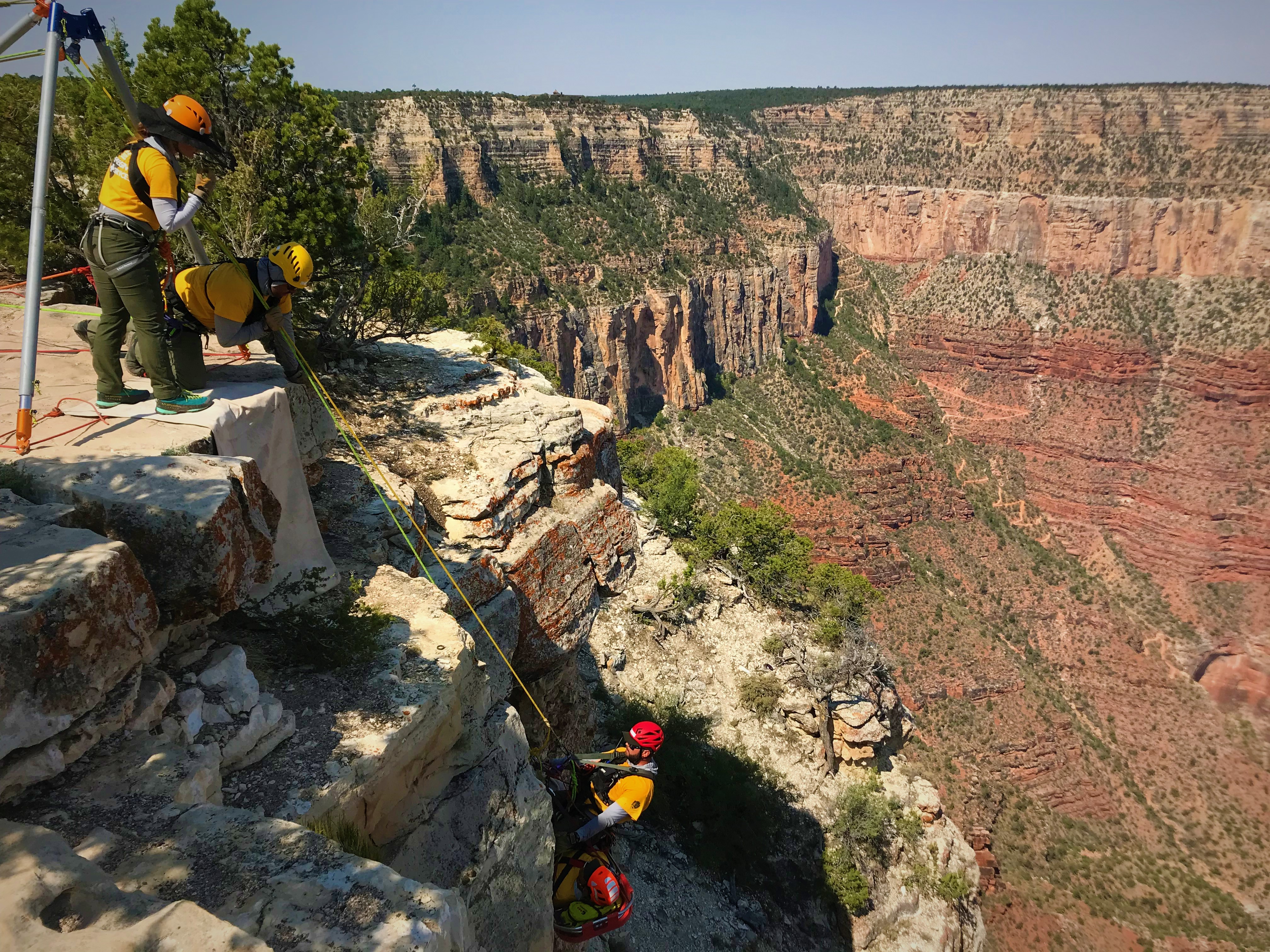
Following the establishment of Yellowstone National Park as “a public park or pleasuring ground for the benefit and enjoyment of the people,” and a few other established units, the first park rangers emerged in 1905. Without proper funds to staff the parks, an arrangement with the Secretary of War provided Army units to help protect the areas.
Throughout the late 1800s, the DOI ran these first national parks. In 1906, the Antiquities Act allowed for future national designation of historic and scientific interest to be protected and reserved for public interest, further expanding services.
On August 25, 1916, President Woodrow Wilson signed the Organic Act, which established the National Park Service within the DOI. NPS held the responsibility of managing the national parks and monuments that the DOI previously managed. In 1933, further consolidation and transfers of parks and monuments previously managed by the War Department and the Forest Service became what the NPS is thought of serving today.
From the 1950s and onward, a shift of emphasis on park development rather than enforcement helped signify Park Rangers’ focus more on visitor experience and ecology, and by the 70s, law enforcement advanced into management and administrative positions. The role of the ranger is oriented with the coming and going of different territorial and economic strategies, as well as shifts in user groups for the parks.
Beyond the instrumental impact that the parks, specifically visitors, provide for both local and national economies, the National Park system also provides intrinsic values in active and passive use. The NPS designates lands and historic features for their cultural and historic significance, scenic and environmental attributes, and educational and recreational opportunities.
Although the NPS’s character had been reshaped over its years, the national parks themselves have long been preserved mainly for their aesthetic qualities, demonstrating a greater succession to their economic gain.
What happens when we take federal funding away?
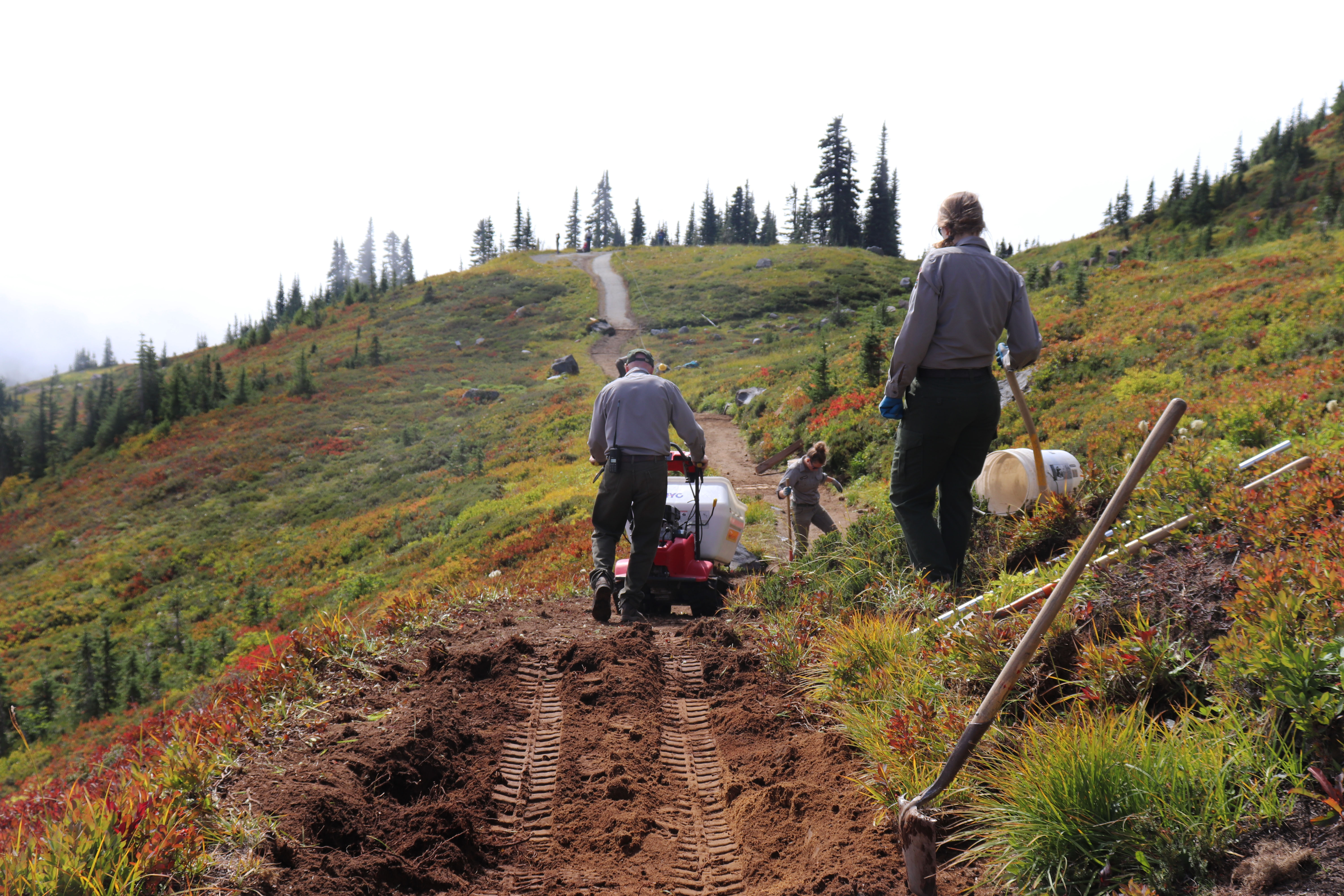
The NPS FY 2025 budget request was $3.58 billion, with the hopes of prioritizing equity and support for underserved communities, building resiliency against the climate crisis, conserving natural resources, and funding scientific research to help in decision-making. The National Park System receives some funding through user fees and private philanthropy. They primarily rely on Congress for federal funding, which is supported through our taxes.
The National Park Service manages and preserves 433 national units, which include monuments, historic sites, recreation areas, and parks of various designations and sizes. The president’s administration proposes a $900 million cut, targeting to dispose of NPS units that Trump views as not national parks because “they receive small numbers of mostly local visitors, and are better categorized and managed as State-level parks,” the proposal says.
NPS would still see additional cuts under the proposal, totaling more than $33 billion in reductions related to parks and public lands, management, and science-related programs and grants.
Under the DOI and beyond the $900 million cut to the operations of state-level park services, we see a $73 million cut to NPS Construction, $158 million to the NPS Historic Preservation Fund, a cut of $77 million to NPS National Recreation and Preservation, and the Bureau of Indian Affairs, USGS, the Bureau of Land Management, U.S. Fish and Wildlife Service, Renewable Energy Programs, and Federal Wildland Fire Service, are all looking at similar levels of cuts.
Cutting federal funding means a cut to the park’s workforce. One of the immediate and short-term effects of these funding cuts is on new employees, especially the seasonal workers, who take care of park maintenance during peak visiting hours. Sadly, many rangers are told to see these cuts as “attrition.” Which in this context means a gradual reduction of a workforce without expectation of replacement. Beyond the individual loss that some workers face, conflating federal cuts with workforce attrition is problematic due to political motives.
It’s easy to draw a connection between administrative statements of “unleashing American energy” with less protection of natural resources that the park protects; however, a deeper concern is not just towards misinformation and strike to our individual agency, but also on how we value and center maintenance work.
What is the importance of a park ranger?
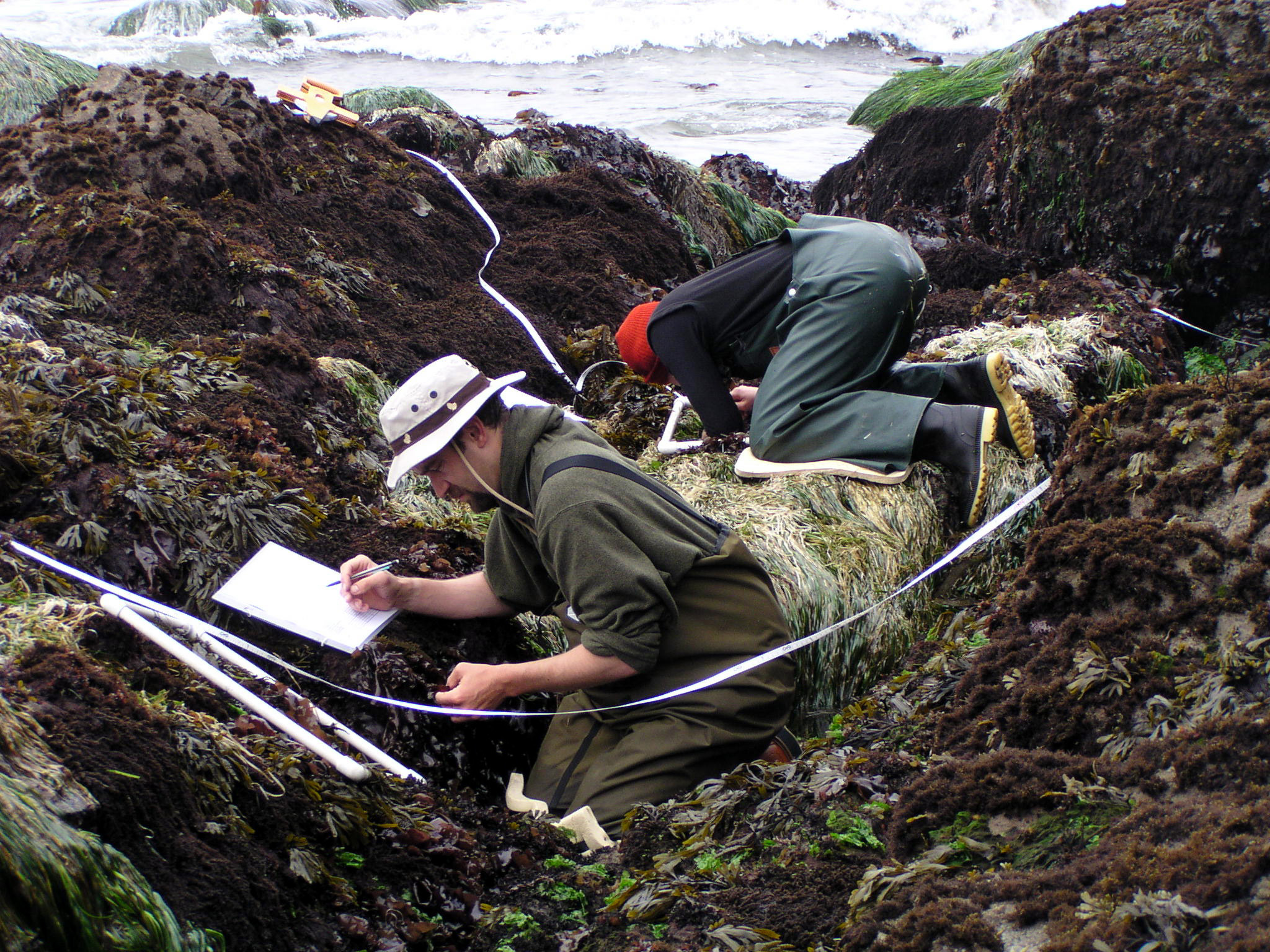
Park rangers cover a wide range of jobs. From resource protection and management (i.e., grounds upkeep, law enforcement, emergency medics, search and rescue, etc.) to visitor education, like tours and staffing information centers.
Bill Wade, Executive Director of the Association of National Park Rangers (ANPR), told of the pride and passion that people have for all 433 units. The ANPR is “a service-wide organization to communicate for, about, and with Rangers; to identify, promote, and enhance our profession and its spirit; to support management and the perpetuation of the National Park Service and to provide a forum for social enrichment.”
“These employees have a pride and passion of their own–for protecting the parks and providing service to visitors and citizens. Cutting the workforce means fewer employees to provide this protection and the services, along with fewer employees to do science and research about the parks,” says Wade.
Wade retired from the National Park Service after 34 years, where his last service was as superintendent of Shenandoah National Park.
Wade continued, “Since 1872, with the establishment of Yellowstone National Park as the world’s first national park, each successive generation of Americans has been adding those areas it deems important to the nation’s national heritage–areas of scenic beauty, historical significance, and recreational value.”
What the parks and their employees can symbolize
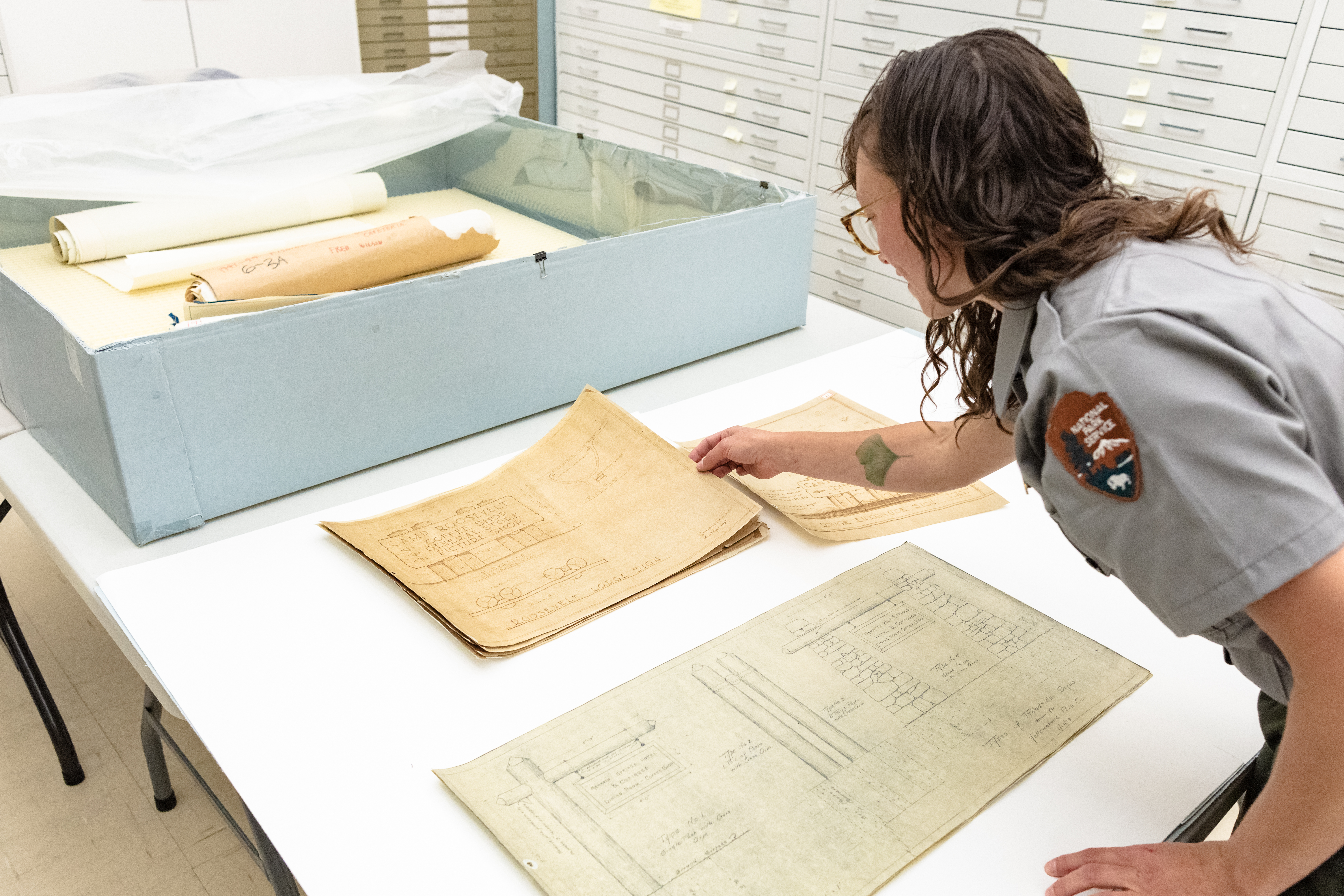
The national parks help to recognize our human-nature relationship. They provide spaces to see how care and maintenance keep our systems going. Through a rich history and present value, the National Parks stand as places of community engagement and knowledge.
Cuts to our national parks and museums highlight the broader importance of acknowledging reactive and responsive care. Even if histories come with different narratives and truths, there is still a reason for memory. The interactions with our environments are learning moments. They are opportunities for positive and impactful change while still acknowledging the past.
Our natural systems, even if in today’s world have become blurred with built and political systems, run on a rhythm. As much as they influence us, we have the ability to change and shape our environments and systems back.
Maintenance and care work have their own worlds of practices, tools, and wisdom. It’s important that we not only support, teach, and specialize in these certain departments and niches of our systems, but that there is an emphasis on learning and growing with the community. That no matter how small a park might be, these places hold memories and life.
Parks and their respective rangers teach reciprocal responsibilities. They are people and places that emphasize thinking globally, acting locally. Environmental care seeks to understand places, humans, and non-human individuals from both a rational and emotional perspective.
Future of the parks
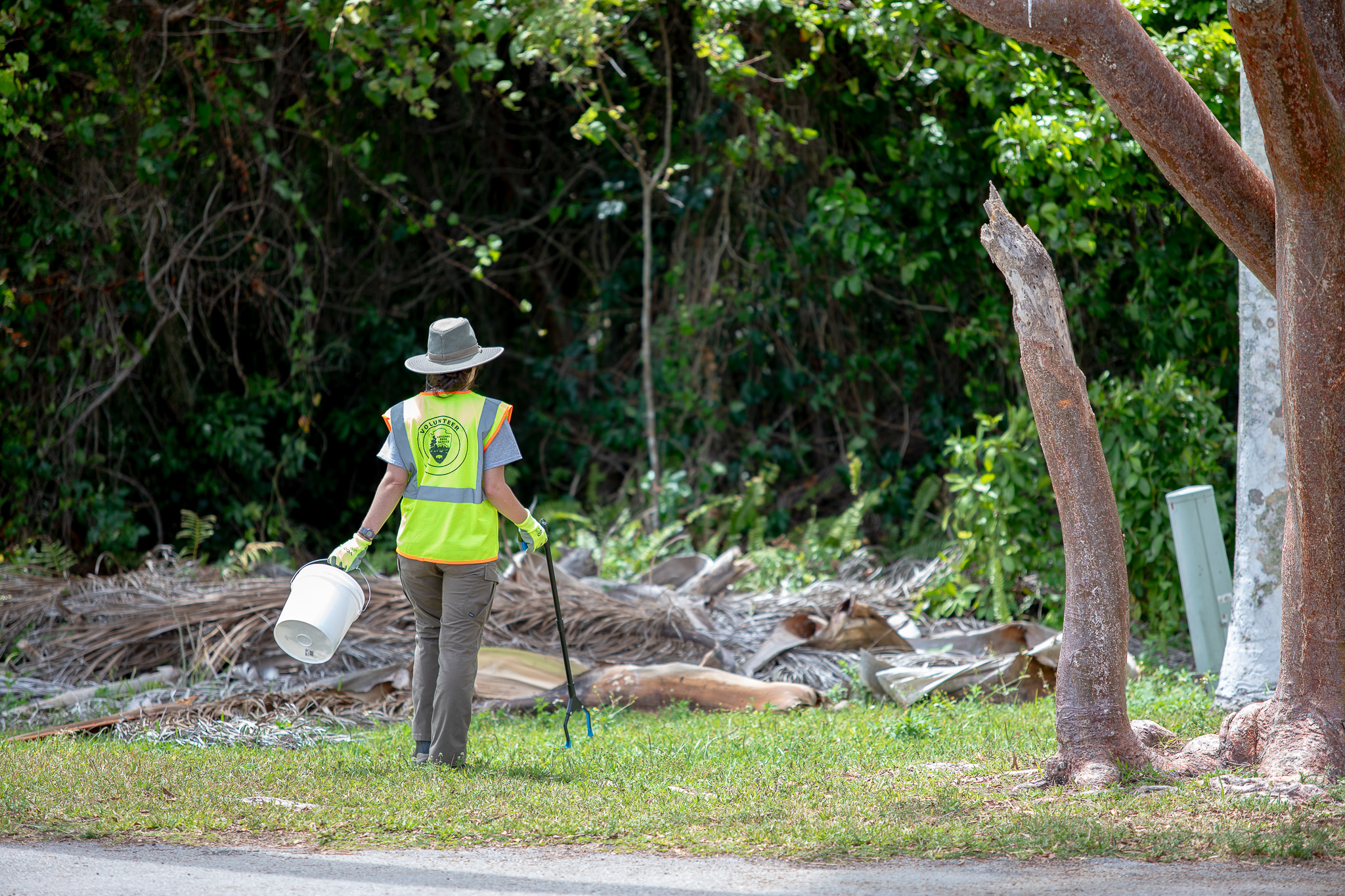
Despite the national parks still holding to a conservation of wild and natural landscapes, they still face future vulnerabilities and require a dedicated need for adaptation and mitigation from climate change.
Funding for the National Parks and their rangers is an investment in education and infrastructure. Although running through a broken system, hope isn’t and can not be lost. There are people both with the knowledge and those willing to learn skills to provide the love and care our world needs. Rashly cutting funding to public services and projects is a loss to the day-to-day practices of consideration and kindness.
And if you wish to stay up-to-date with the National Parks Conservation Association and their responses to the current administration, check out their blog.
 Blinter Magazine