

Stones stacked along a tide-worn shoreline. Leaves arranged in a gradient from bright gold to blood red, glowing against damp forest soil. Mud, basalt, and salt crystals spiraling out into the sea. These are not remnants of ancient rituals or accidents of weather—they are land art: works shaped by human hands and offered back to nature, meant to shift, erode, and vanish.
This is art that doesn’t hang on walls or sit on plinths. It unfolds outdoors, often in silence, built from what’s already there—branches, ice, dust, seed pods, river stones. For many artists, the landscape isn’t just a backdrop or subject matter. It’s a canvas, collaborator, and co-creator.
While the phrase “land art” calls to mind the radical practices of the 1960s and ’70s, its underlying impulse stretches back millennia. From megaliths aligned with solstices to earthworks shaped like serpents and gods, humans have long turned to the land to make meaning. Today, a new wave of artists is reviving earth-centered practices—merging aesthetics with environmental concern and ancestral memory to bring this ancient practice into the present moment.
What is land art?

Land art, also known as earth art or environmental art, refers to creative works that use natural landscapes as both canvas and material. Rocks, soil, water, wood, and plant life take center stage, shaped into sculptures, patterns, or architectural forms. These works are typically site-specific and often ephemeral, designed to shift with the seasons, erode with wind or water, or dissolve entirely.
Unlike works designed for museum walls, land art lives outdoors, blurring the boundary between human expression and the natural world. Land art rejects both marketability and permanence, favoring transformation and process over perfection or durability. Many land art works exist outside traditional galleries, tucked into forests, deserts, or coastlines—often meant to be discovered rather than displayed. Artists like Andy Goldsworthy frequently create sculptures from leaves, ice, and stone, designed to interact with their environment over time. Some works shift or decay within hours, while others remain for years—but in either case, the process of change is part of the work itself. In an era of mass production and digital consumption, this fleeting quality is precisely the point.
Ancient origins: Sacred geometry, earthworks, and ritual landscapes

While the land art movement is often associated with avant-garde 20th-century artists, the impulse to shape landscapes for symbolic or ritualistic purposes is far older. The Nazca Lines in Peru—geometric and animal-shaped geoglyphs carved into desert plains around 500 BCE—stretch across miles of arid land and are only fully visible from above. Their purpose remains mysterious, but their scale and permanence point to an ancient fusion of art, land, and spirituality.
In the British Isles, megalithic monuments like Stonehenge and Newgrange align with celestial events, suggesting deep ties between environment, time, and human ritual. Across North America, Indigenous earthworks such as the Great Serpent Mound in Ohio display a complex understanding of geometry, ecology, and symbolism. More than just physical structures, these forms embodied belief systems, ancestral narratives, and collective identity.
Modern land artists share with these ancient builders a respect for place and an understanding that working with natural materials can transcend aesthetics. The land isn’t merely a medium—it becomes an active participant in the creative act.
The 20th-century rebirth of land art
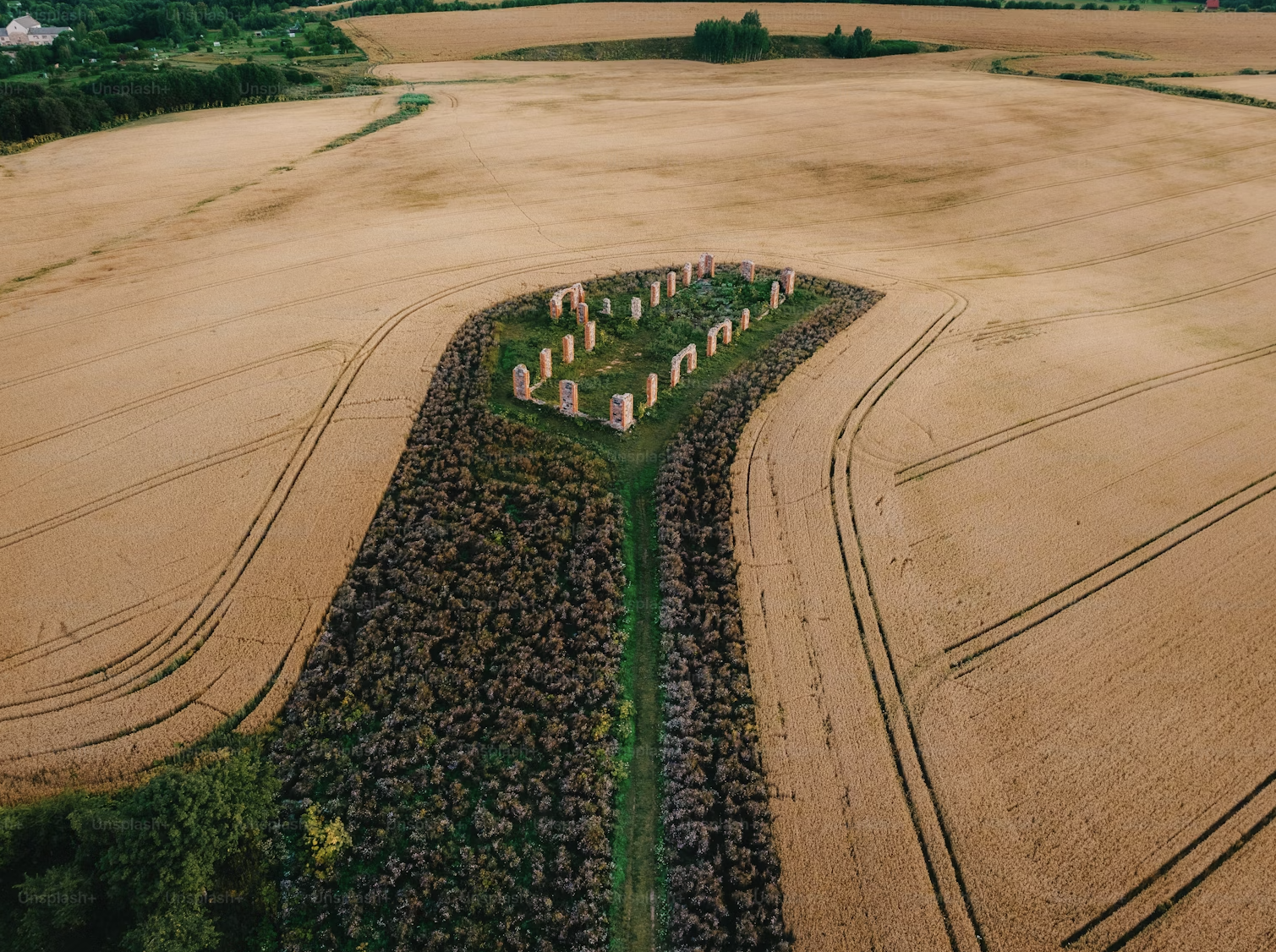
What we now recognize as land art emerged in the late 1960s, fueled by frustration with institutional art spaces and a push to create works that defied ownership and traditional constraints.
Artists like Robert Smithson, whose monumental Spiral Jetty (1970) coils out into Utah’s Great Salt Lake, sought to create work that could not be sold, moved, or contained. His partner, Nancy Holt, created Sun Tunnels (1976), four concrete cylinders aligned with solar events in the Utah desert, inviting viewers to consider light, time, and orientation. Meanwhile, Walter De Maria’s The Lightning Field (1977) in New Mexico set a grid of steel poles into the landscape to interact with storms and natural light.
This first wave of land artists broke radically with institutional norms, but their works were often monumental, remote, and, over time, expensive to maintain. As museums and collectors eventually sought to preserve or replicate these installations, questions arose about whether the original ethos could survive institutionalization.
Preservation vs. ephemerality

One of the core tensions in land art is the question of permanence. Many of the movement’s earliest practitioners—Robert Smithson, Nancy Holt, Ana Mendieta—embraced transience as part of the work. Their pieces were not designed to last. They were designed to change, erode, rot, or vanish entirely.
But as land art gains institutional recognition, museums and curators have increasingly sought to document, preserve, or reconstruct these works. For instance, Andy Goldsworthy’s ephemeral sculptures are often accompanied by meticulous photographs, raising the question: is the documentation the art, or is it just evidence of what once was?
This paradox grows sharper when artists like Agnes Denes build pieces like The Living Pyramid, which contain both living, growing materials and monumental ambition. How do you conserve a pyramid made of soil and grass? And should you?
The contradiction lies at the heart of land art’s appeal: it lives in tension between nature and culture, decay and legacy, disappearance and memory.
A modern revival
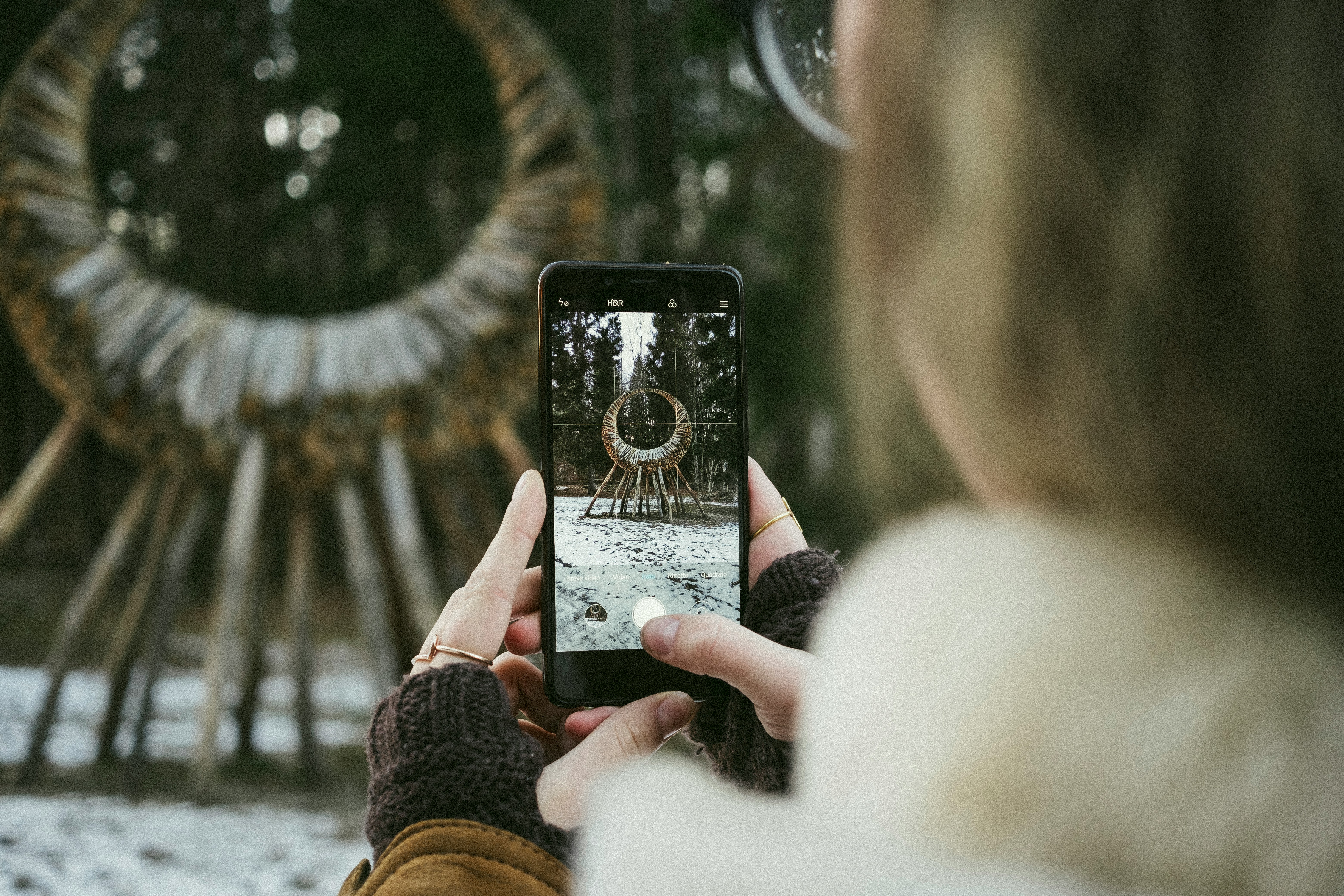
The new generation of land artists takes cues from their predecessors but works with a broader range of themes, materials, and identities. Their practices often emphasize ephemerality, ecology, ritual, and collaboration with the more-than-human world, expanding what land art can look like and who it speaks for.
Temporary works and public engagement
Andy Goldsworthy, perhaps the most recognizable figure in contemporary land art, creates ephemeral sculptures using leaves, twigs, ice, mud, and stones. His pieces—like Nettle Stalks (2025)—are built outdoors and left to be altered or reclaimed by natural forces. Goldsworthy documents these changes through photography, making transience a central part of his practice.
Thomas Dambo, by contrast, constructs large-scale, semi-permanent sculptures from scrap wood and trash. Thomas Dambo’s The Six Forgotten Giants, scattered across woodlands, fields, and city outskirts in Denmark and elsewhere, encourage visitors of all ages to explore the outdoors through whimsical, interactive experiences. While sturdier than Goldsworthy’s work, Dambo’s installations still foreground storytelling, sustainability, and connection to place.
Ritual, identity, and the politics of place
Ana Mendieta’s Silueta Series (1973) is a landmark in feminist and postcolonial land art. Created in rural Iowa and Mexico, the series featured bodily impressions made in sand, soil, and grass, sometimes filled with fire, blood, or leaves. Mendieta’s work linked land to identity, spirituality, and displacement, challenging dominant narratives within the male-dominated earth art canon.
Delcy Morelos, a Colombian artist, uses soil, clay, and scent to craft immersive environments rooted in Andean cosmologies. In El abrazo (2023), she built a monumental chamber of earth, inviting visitors to walk through, smell, and feel the materiality of the land. Her practice positions soil not as a raw material but as a living, breathing entity, embodying ancestry, memory, and resistance.
Ecological systems and organic processes
Precious Okoyomon creates living installations that evolve over time, often using kudzu, sugarcane, moss, and dirt to form immersive, semi-wild environments. In To See the Earth Before the End of the World (2022), Okoyomon’s work physically grew and decayed throughout the exhibition, reflecting themes of colonial history, Black identity, and ecological rebirth.
Agnes Denes is one of the most visionary figures in conceptual land art. Her Wheatfield — A Confrontation (1982) transformed two acres of Manhattan landfill into a functioning wheat field within view of Wall Street. The piece offered a powerful critique of capitalism and environmental neglect, juxtaposing agrarian labor with financial excess in the heart of the city.
As land art has evolved from remote interventions to works that engage directly with contemporary culture and community, new platforms have emerged to carry the movement forward, none more prominent than Desert X.
Land art in the present tense: Desert X
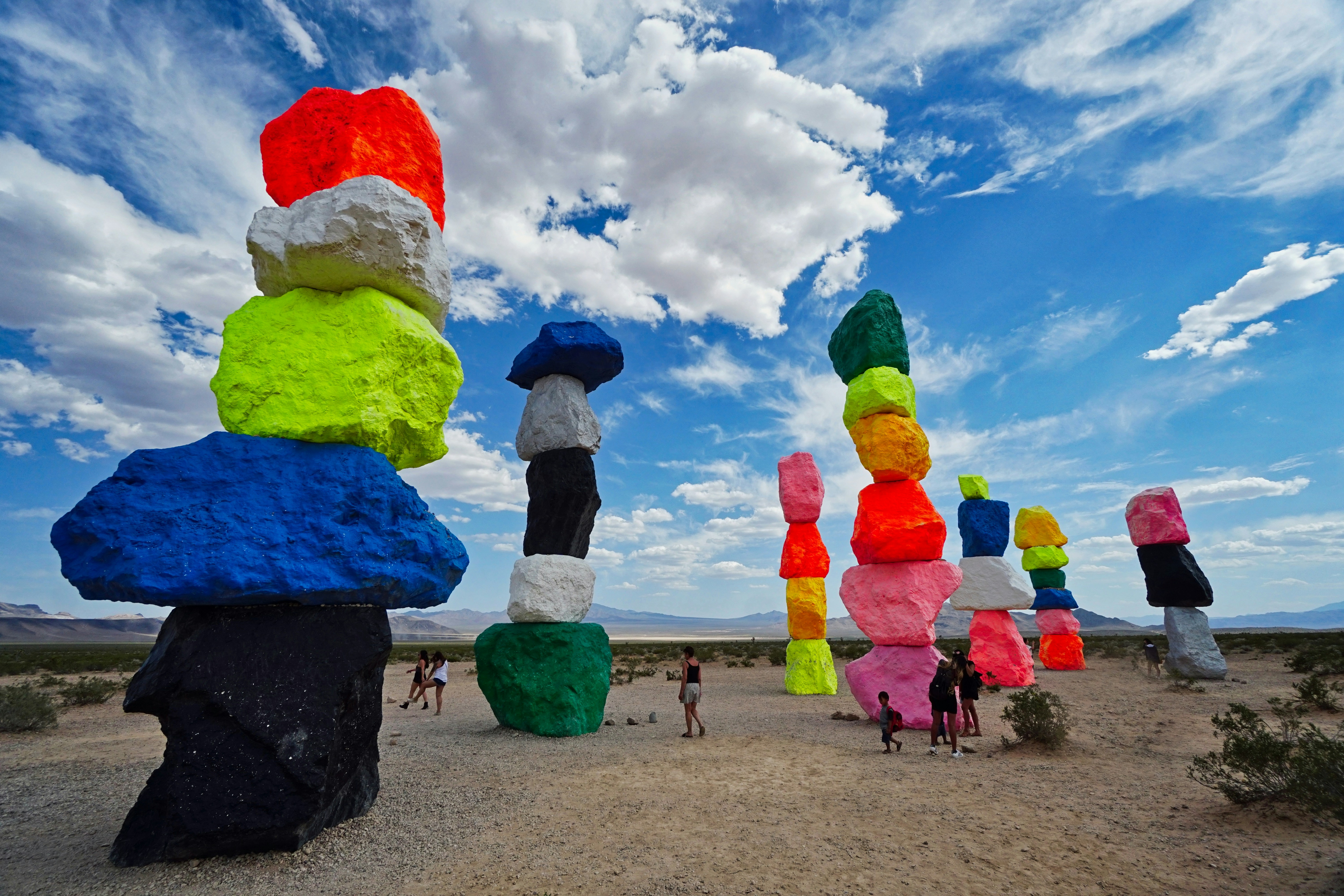
While many land art pioneers worked independently and far from the public eye, today’s landscape-based practices are increasingly showcased in major international exhibitions. Desert X, launched in 2017 in California’s Coachella Valley, is among the most prominent. The biennial event commissions site-specific installations that engage directly with the surrounding desert terrain, reviving the spirit of 1970s land art while situating it within a broader conversation around accessibility, politics, and place.
Desert X deliberately positions itself within the legacy of artists like Robert Smithson and Nancy Holt but updates the format for a contemporary audience. Works often grapple with urgent themes: water scarcity, border politics, Indigenous erasure, and climate crisis. Installations unfold across the landscape, requiring visitors to seek them out across vast open land, echoing the experiential ethos of earlier land art while making it more inclusive and widely seen.
In 2025, the exhibition featured Agnes Denes, whose piece The Living Pyramid brought one of land art’s most iconic voices into the present. Built from layers of soil and vegetation, the towering structure offered a living monument to regeneration and coexistence, bridging the conceptual rigor of her early work with a renewed ecological focus.
Desert X has also expanded globally through Desert X AlUla in Saudi Arabia, inviting artists to respond to vastly different cultural and environmental contexts. Together, these platforms suggest that land art is not a relic of the past but a continually evolving practice that reshapes how we see and live within the earth.
Expanding the map: A global conversation
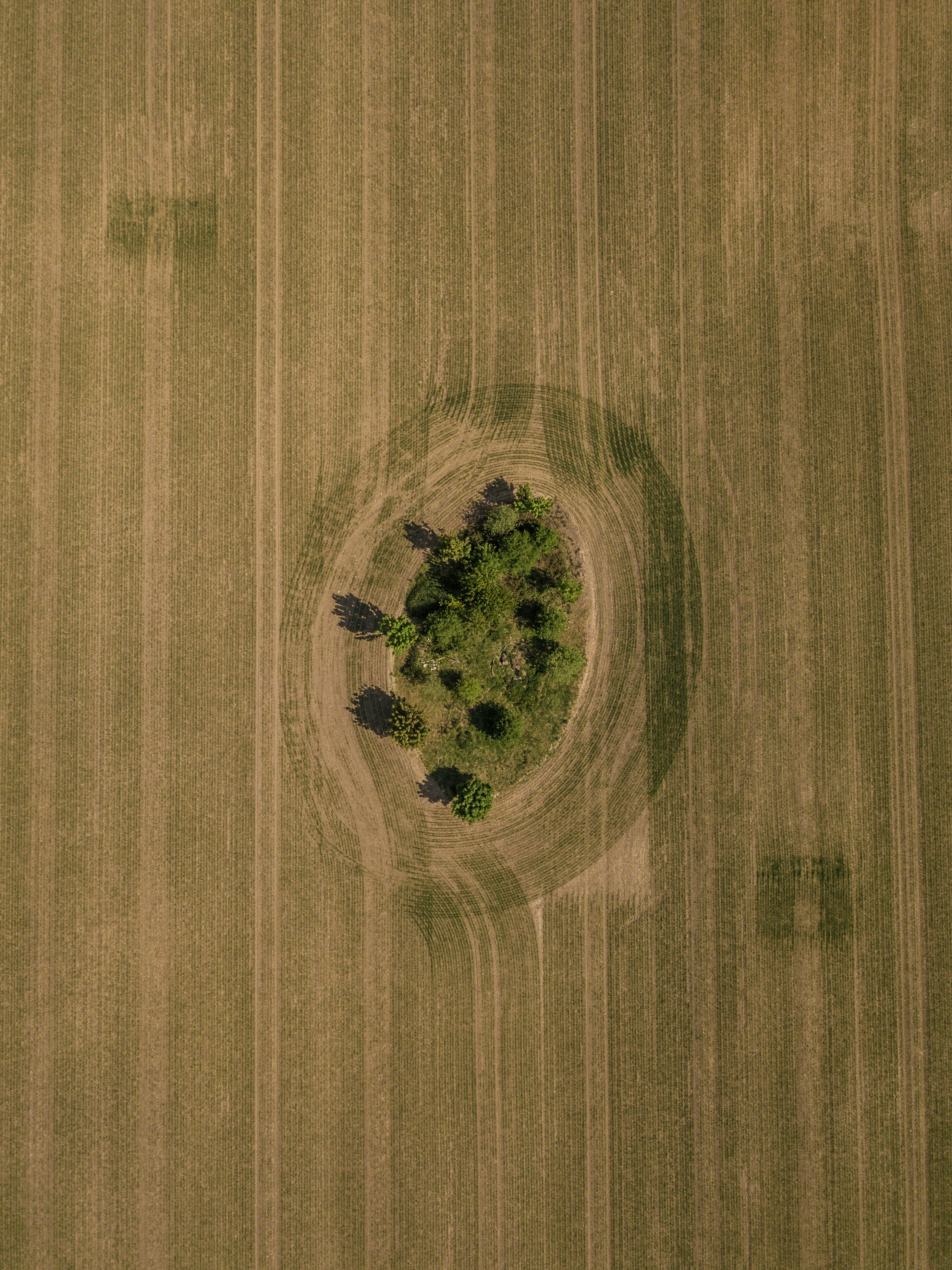
While early land art was dominated by white Western artists working in remote American and European landscapes, today’s practitioners are reshaping the field across geographies, cultures, and cosmologies. What was once defined by monumental gestures in the Mojave or Great Salt Lake unfolds in rainforests, deserts, coastlines, and urban green spaces worldwide.
In New Zealand, Māori artist Brett Graham creates large-scale sculptural installations incorporating Indigenous materials and histories, reasserting ancestral relationships to land disrupted by colonization. In South Africa, collectives like Keleketla! Library has integrated site-specific art into land rights activism, treating the landscape as a contested space of memory and protest. In Japan, Yusuke Asai creates intricate, impermanent murals using natural pigments like soil and dust—artworks meant to fade, inspired by animist beliefs about the spirit within all things.
Across Latin America, land art is deeply interwoven with ritual and resistance. Beyond Delcy Morelos, whose work explores Andean soil cosmologies, artists like Francisca Sánchez in Chile use land-based installation to document extractivism, water scarcity, and Indigenous knowledge systems. In India, the Kochi-Muziris Biennale regularly features artists directly engaging with land and water as cultural and environmental battlegrounds.
The rise of exhibitions like Desert X AlUla and biennials in Sharjah, Kochi, and Dakar has helped decentralize land art’s definition, shifting focus away from wilderness as untouched terrain toward landscapes shaped by complex social, historical, and ecological entanglements. This global reimagining doesn’t just expand land art’s reach—it redefines who it serves, who it honors, and who gets to tell stories through soil, stone, and sky.
Why land art resonates now

In an age defined by digital saturation, ecological collapse, and urban sprawl, land art offers a radical invitation to slow down, touch the ground, and pay attention.
Its impermanence is not a weakness—it’s a statement. In contrast to the built-in obsolescence of consumer culture, land art emphasizes natural cycles, impermanence, and renewal. As climate change transforms landscapes, land art becomes both a memorial and a call to action: honoring what is fleeting while urging us to care for what remains.
Moreover, land art fosters a renewed sense of place. It challenges the idea that art must be separate from life, or that beauty must be protected behind glass. It invites viewers to move, explore, and notice. Whether it’s discovering a leaf spiral in the woods or a towering sculpture tucked into a park, the encounter feels personal, surprising, and earned.
In educational and community contexts, land art is also finding new life. Schools, conservation groups, and local governments are embracing it as a tool for engagement, blending creativity with stewardship. Temporary installations help children understand seasons, materials, and their ability to shape the world gently.
How to see land art today

For readers interested in experiencing land art firsthand, the good news is: you don’t need to trek into the Utah desert. Increasingly, land art is being made for public parks, sculpture gardens, and accessible natural spaces worldwide.
In New York’s Hudson Valley, Storm King Art Center houses one of Andy Goldsworthy’s few permanent stone walls, meandering through woods and water. Thomas Dambo’s wooden trolls can be found across North America and Europe, often hiding in plain sight near hiking trails or suburban greenways. Desert X offers a biennial walking and driving experience across California’s Coachella Valley, combining GPS-guided exploration with monumental, landscape-responsive work.
And even if you can’t travel, the spirit of land art can be encountered locally. Look for temporary installations in public parks, botanical gardens, or community-built environmental sculptures. Many artists, particularly in Indigenous, Black, and diasporic communities, are returning to land-based ritual and performance, leaving traces behind not for museums but those who walk the land with attention.
A return to the source
Land art is not merely a niche practice or nostalgic throwback. It’s a living, evolving discipline rooted in some of humanity’s oldest impulses—to mark the land, tell stories, and be in conversation with the environment rather than control it.
As modern artists like Andy Goldsworthy and Thomas Dambo continue to enchant and provoke, they remind us that sometimes the most powerful works of art are the ones that weather, erode, and eventually disappear, leaving behind not objects, but experiences.
In a world defined by speed, permanence, and spectacle, land art quietly offers something else: stillness, humility, and the gentle possibility of connection.
 Blinter Magazine