

By Keri Stewart
You know how the summer is: hot, humid, full of strong UV rays. Nothing out of the usual burning in the sun, especially considering how this summer is predicted to have hotter-than-usual temperatures.
While there are a handful of people who prefer this warmth, many find themselves switching gears and wanting a vacation away from these scorching temperatures, away from the excessive heat.
Being outdoors doesn’t have to be hot. There are a variety of destinations—from sightseeing the Isle of Skye in Northern Scotland to whale watching in Alaska—that allow tourists to escape the heat.
These “coolcations” are a wonderful opportunity to enjoy both a vacation and a cooler environment.
What is a “coolcation”?
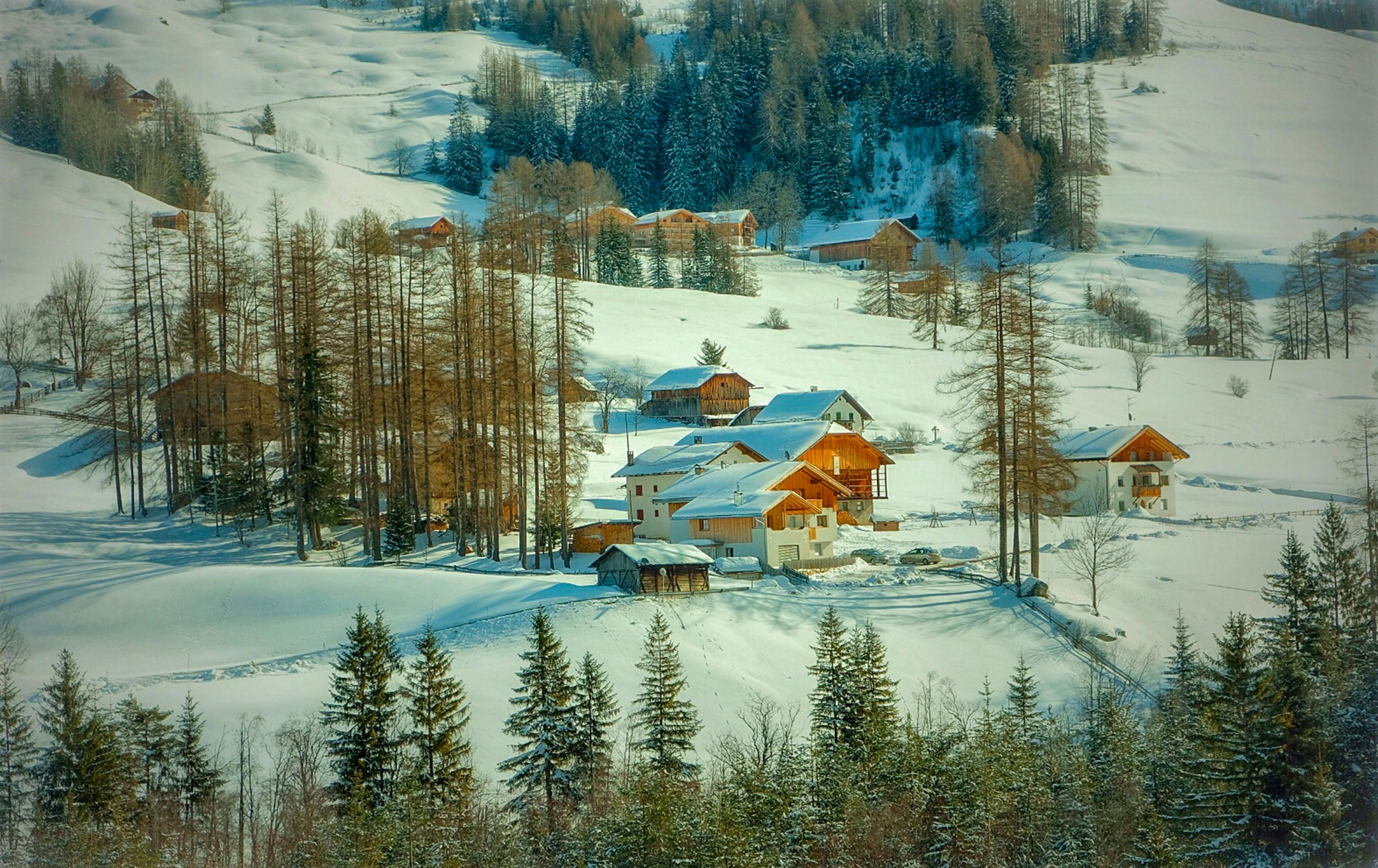
A coolcation is a vacation taken to colder destinations during the summer heat. By going to cooler conditions, tourists can escape the rising temperatures and find themselves enjoying a more comfortable, optimum temperature.
Why are temperatures rising? Carbon emissions are to blame.
By burning fossil fuels and (partly) deforestation, we have been spouting greenhouse gases (heat-trapping gases) into our environment, and thus, increasing Earth’s global surface temperature.
This anthropogenic climate change has led to Earth’s rate of warming being more than three times as fast since 1982. Climate crisis equates to extreme concerns: increased temperatures, severe storms, drought, ocean acidification, and even a risk to our and other species.
As climate change worsens global warming, so too does it increase coolcationing, encouraging more people to travel to colder havens as a mode of escape.
10 activities for your coolcation
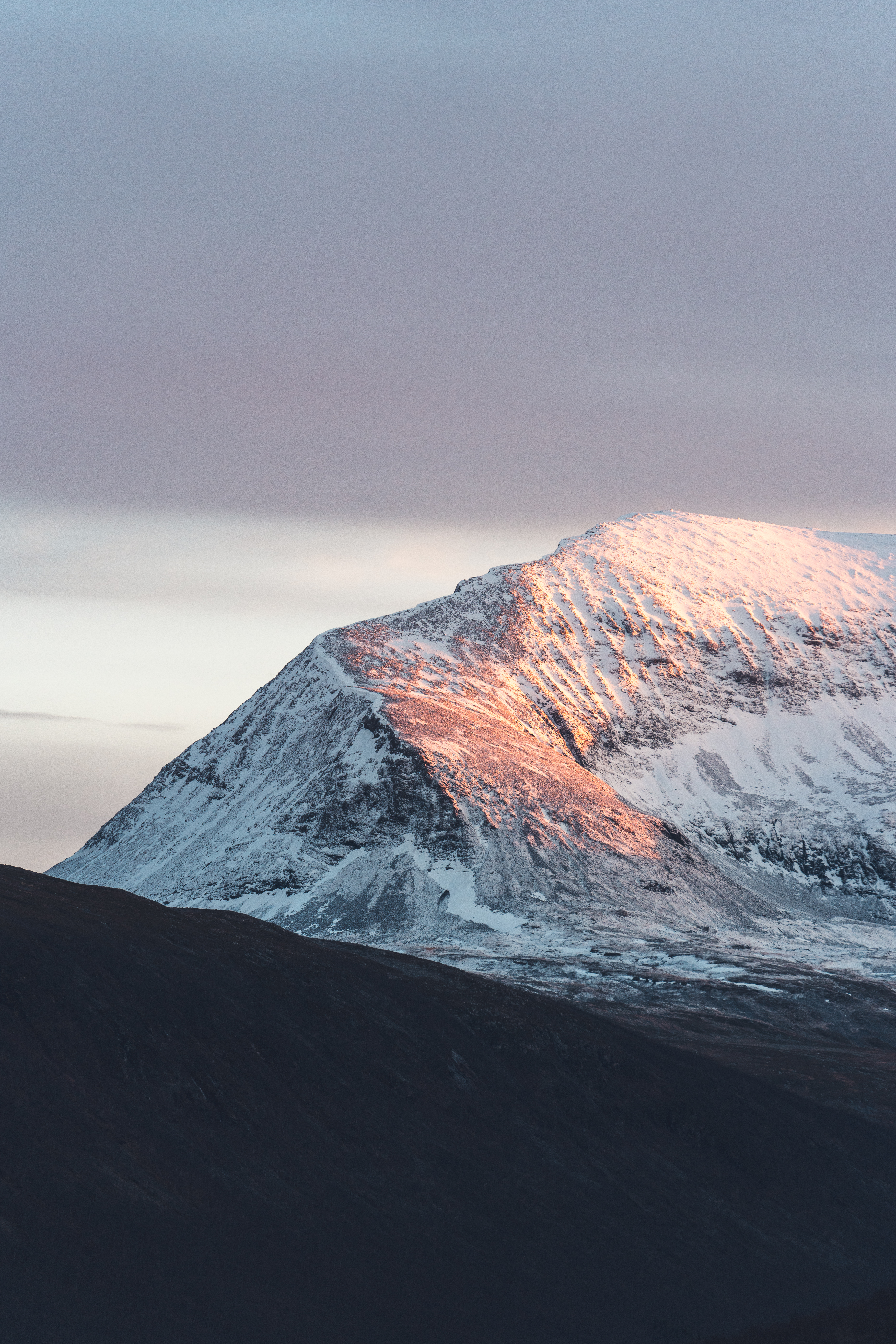
Your coolcation would not be complete without the right environment and activity best suited for you. That’s why I discovered 10 activities for your coolcation so that you don’t have to.
Whether it’s a relaxing trip full of sightseeing or a chance to explore new environments and trek through interesting terrains, this list has an array of activities and destinations for your coolcation needs:
Watching breathtaking views on the Tromsø Cable Car in Norway
The Tromsø Cable Car (The Fjellheisen), a four-minute ride up Storsteinen mountain, gives you a chance to view the surrounding city of Tromsø, fjords, and mountain scenery.
From the peak, you can witness thrilling panoramics, such as mountains in the distance, and admire the Midnight Sun: a phenomenon in which the sun appears above the horizon for extended periods of time.
Bask in the wonders of the cooler environment. The Midnight Sun. The mountainous landscape.
After those initial moments of awe, you can head to the Fjellstua Café to grab a cup of coffee (or a snack) before continuing to watch those breathtaking views at the mountain’s peak. Afterwards, you can enjoy the cable car ride back down.
Sightseeing medieval castles in the Isle of Skye, Northern Scotland
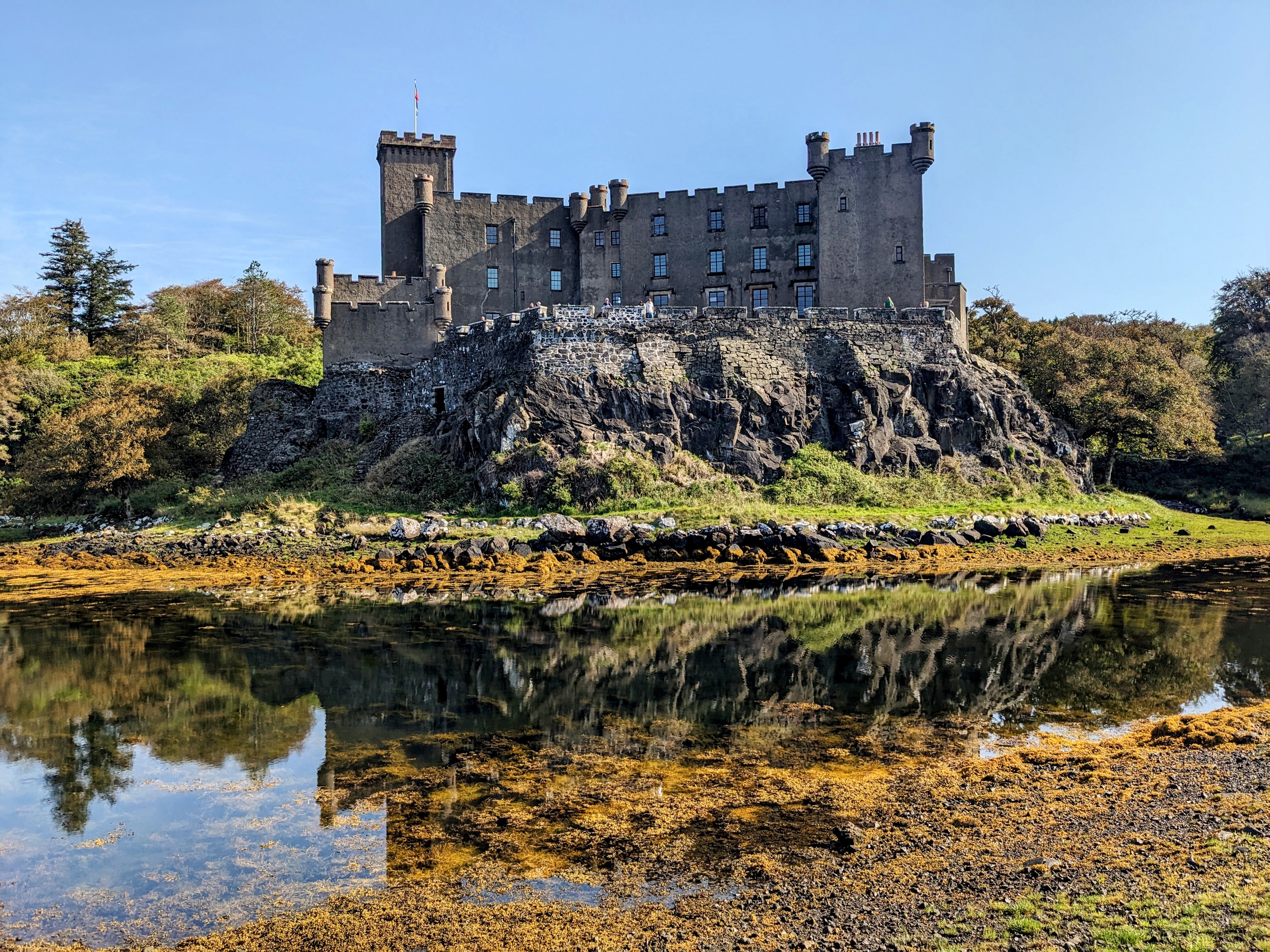
The greenery of the Isle of Skye shines just as bright as the rich history of the area’s clans and their castles. Both the MacDonald and MacLeod clans have castles and/or ruins on the island, perfect for history buffs, architecture fans, and coolcationers looking for a new adventure.
The oldest occupied castle of Scotland, Dunvegan Castle, owned by the Clan MacLeod, offers tours of the castle and surrounding gardens. For just £17.00, you can explore the castle’s interior and walk along a variety of garden types: the Water Garden, Rose Garden, and Walled Garden.
Some beautiful elements, such as the water lily pond, rhododendrons, and Memorial Gazebo, create whimsical components of natural yet carefully crafted scenery.
The MacDonald clan’s Armadale Castle, while no longer inhabited, still functions as a stunning ruin to tour. These early and mid-19th-century ruins, surrounded by picturesque views of the Highland estate, are worth visiting.
Swimming at Cannon Beach in Oregon
Just because it’s a coolcation doesn’t mean there can’t be swimming; it wouldn’t be a summer vacation without a quick dive.
Along the coast of Oregon, Cannon Beach’s mild temperatures make it ideal for swimming, along with enjoying other beach activities like volleyball or sandcastle making.
Additionally, you can explore Cannon’s lively tidepools full of diverse creatures at the Haystack Rock. This recognizable landmark is home to a variety of sea stars and other colorful marine wildlife.
Though parts of Haystack Rock’s tide pools are off limits (so as to preserve sea life), you can still walk across the sand and rocks to dry off after swimming at the beach.
Whale watching in Alaska
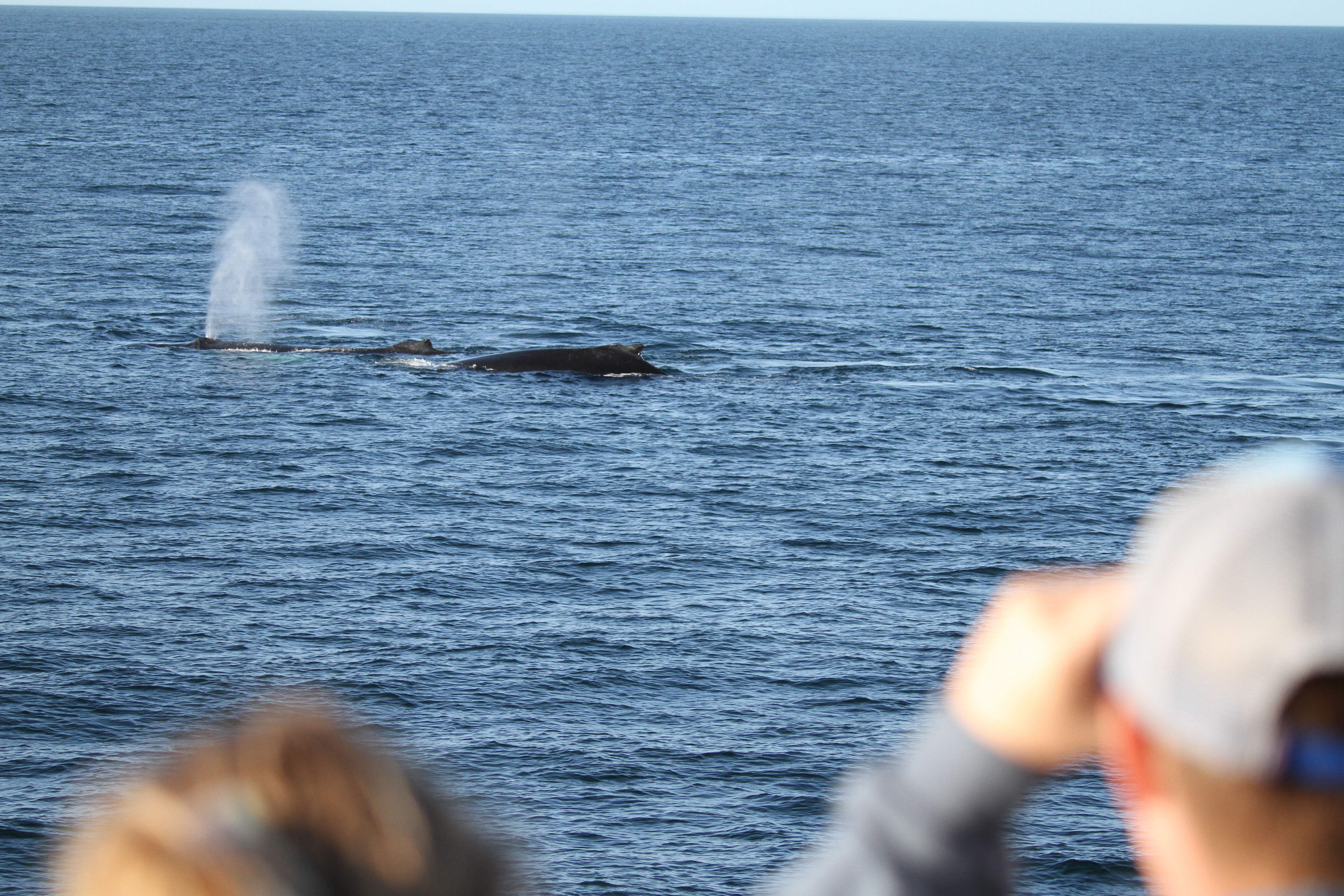
Interested in oceanic views without actually being in the water? Whale watching in Alaska is the perfect combination of salty sensations meets peaceful observation. The marine get-go of mindfulness and connecting to nature.
Juneau, the best whale watching spot in Alaska, frequently harbors orcas and humpbacks during June. Guided by a naturalist, pair your relaxation with a bit of cetacean identification expertise.
Birdwatching in Lapland, Finland
Up in Northern Finland, above the Arctic Circle, Lapland is a wonderful tundra region that features mild temperatures in the summer, making it a great pit stop for your coolcation.
One of the many outdoor activities that encompass this area is birdwatching. Explore natural reserves, such as the Pallas-Yllästunturi National Park, to be met with wondrous avian sights: the Willow Ptarmigan, Lapland Longspur, Ruff, Wood Sandpiper, and more.
With all of the beautiful panoramas of wildlife, you’ll be sure to forget how hot it is back at home; you’ll be too focused on catching glimpses of birds, even the slightest movement between branches.
Touring Svalbard in Norway for a chance to observe polar bears
Glacier chunks on arctic oceans. Cold but not freezing temperatures. A small boat and a naturalist guide. Your next coolcation could be touring Svalbard to spot polar bears.
With ice starting to melt in Svalbard, you can be sure to tour more ground up north, offering more likelihood to spot polar bears in the wild. Additionally, the Midnight Sun lights up the environment 24/7; polar bears will be easier to glimpse.
These multi-day wildlife tours, even as long as 9 days, plunge into an arctic wilderness frenzy: a vibrant thawing of ice and the stillness of winter. Watch as this northern archipelago comes to life and admire its species adorned in the light of the Midnight Sun.
Hiking the Abisko National Park in Northern Sweden
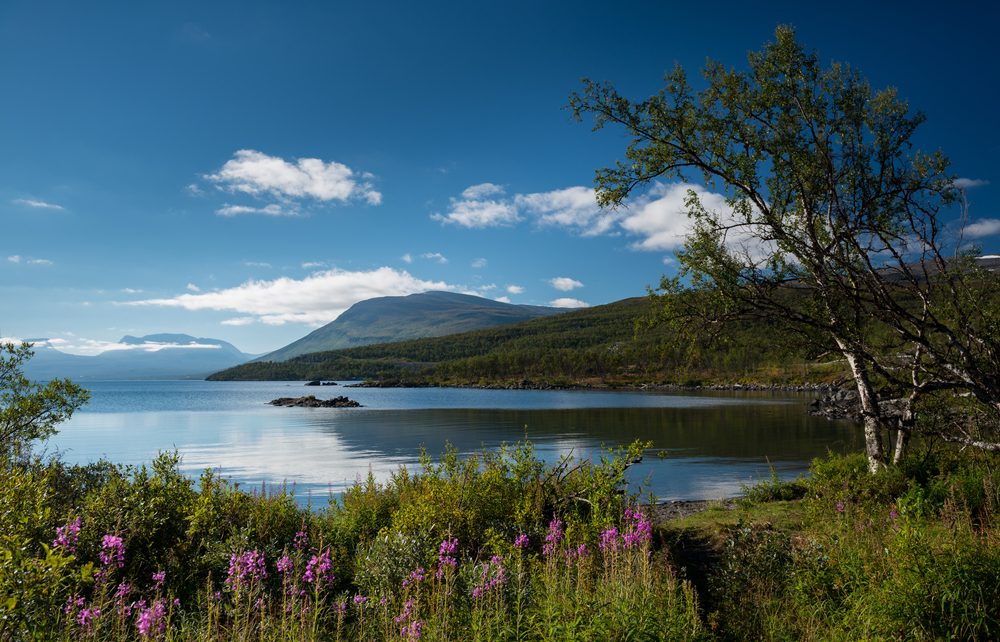
Get your hiking shoes on because it’s time to embody endurance at the Abisko National Park. Witness the profusion of rich vegetation blooming in juxtaposition to tall, standing mountains and clear, unmoving lakes.
There are a handful of hiking trails to choose from; however, the Njakajaure Nature Trail and Marmorbrottet Quarry are the most popular options. This easy 3-mile trail loops around mountainous areas and Lake Njakajaure.
The underrated out-and-back Lapporten trail, though challenging due to its 16.5-mile distance and sometimes unmarked areas, can take you through the Abisko Turiststation to even the Čuonjajavri mountain lake.
The Abisko National Park is a wonderful coolcation destination for hiking. Explore its multitude of trails through alpine meadows and scenic mountainous landscapes.
Diving at Port Hardy on Vancouver Island of British Columbia
For divers with cold water experience, diving at Port Hardy pairs a coolcation with sightseeing diverse marine ecosystems. Explore a whole new world in these vibrant, chilly waters: nudibranchs, corals, rockfish, and even wolf eels.
Towards the north end of Port Hardy, Browning Pass, a popular sub-dive, offers rich marine wildlife on account of the water’s plentiful nutrients. Those 40°F to 50°F temperatures are nothing when you get to see the underwater flamboyance, the spirit of undersea life.
With cold-water gear and a trip to Port Hardy, you can become immersed in the liveliness of marine ecosystems, entering a whole new world.
Driving through the Diamond Circle in Iceland

Make sure you have enough gas in your car. Iceland’s Diamond Circle, a sightseeing extravaganza, covers 155 miles, making it a wonderful multi-day activity for your coolcation.
There is no rush with driving through the Diamond Circle. You are in control of which sights to see. Whether it’s Lake Mývatn, one of the many waterfalls, or the Ásbyrgi canyon, the travel route is in your hands.
Climbing Mount Washington in New Hampshire
Coolcations don’t have to be completely frozen. In fact, they can be milder or chilly, such as Mount Washington.
Ranging (on average) between 39.6℉ to 51.4℉ in June, this destination meets your heat-escape needs without causing you to freeze too much. Though don’t be surprised if it snows on the summit; the higher the elevation, the more varied (and colder) the weather.
A trip to Mount Washington is not only a journey to the highest point in New England but also a challenge: an average 4-hour hike. However, the length varies depending on how often you take breaks and which trail you take.
The mountain’s notable paths are the Tuckerman Ravine Trail, Lion Head Trail, Boott Spur Trail, Jewell Trail, and Ammonoosuc Trail, with the first two being the most popular (and shortest) options.
Even though you’ll work up a sweat climbing uphill, the cold summit will be rewarding, reminding you of how grateful you are for your coolcation.
Coolcationing: Escaping summer heat or global warming acknowledgement?

Coolcations allow you to enjoy a vacation even when the weather is more extreme, more scorching than you’d like. They also let you explore underrated, less populated areas, as many prefer vacationing in tropical areas.
Despite coolcations influencing present-day tourism positively, it’s important to acknowledge the reason behind this expansion: the weather is too hot as a result of global warming.
Our planet can’t continue heating up at its current rate. It’s important to stay educated on sustainable actions you can take to save our planet and to encourage corporations to be accountable for their carbon emissions.
Though coolcations explore underrated destinations and help people escape the summer heat, it’s vital for our planet’s maintenance that we take action locally and globally to slow down global warming.
 Blinter Magazine