

By Teo Jaworski
In the golden age of posting vacations on social media, bigger has often meant better. More likes, more shares, more attention! We’ve been lured by bucket lists, far-flung destinations, and the excitement of globe-trotting. But in a time of climate reckoning and work-life overload, a quiet shift is unfolding. More and more travelers are trading long-haul flights for long weekends. Enter the microvacation: short, simple, and increasingly essential.
What is a microvacation?

A microvacation is a getaway that lasts fewer than five days, often squeezed into a long weekend. It might involve driving to a cozy cabin in the woods, exploring a nearby city’s food scene, or camping under the stars just a couple of hours from home. There are no airport security lines or jet lag schedules—just a fast path to rest and reconnection.
And while they may be small in scale, their impact on personal well-being and the environment is anything but.
“Microvacations give people the chance to slow down, recharge, and be present—without the carbon cost of long-distance travel,” says Lila Mendoza, an ecotourism researcher at the University of British Columbia.
Less carbon, more connection

Traditional travel often comes with a steep environmental bill. Long-haul flights are among the most carbon-intensive activities an individual can undertake. A round-trip flight from New York to Paris, for example, emits over 1.6 metric tons of CO2 per passenger, nearly the same as the average person in many developing countries emits in an entire year.
Microvacations, by contrast, typically take place closer to home. This cuts down dramatically on emissions by avoiding flights altogether or replacing them with lower-impact modes of transport like train travel, carpooling, or biking. A study by the European Environmental Agency found that car travel emits about 75% less CO₂ per person than air travel over similar distances, assuming you’re not driving solo in an SUV.
Shorter trips also mean fewer hotel nights, lower energy use, and often more outdoor, low-impact activities—from hiking and kayaking to visiting local farms or artisan markets. That translates into fewer resource demands per trip and a closer relationship with nearby ecosystems.
The local economy wins too

Microvacations aren’t just a win for the planet—they’re a boost for local communities. Travelers who choose small towns, regional parks, and neighborhood gems often spend their money at locally owned businesses rather than global hotel chains or tourist conglomerates.
“When someone books a two-night stay in a rural inn or eats at a family-run restaurant, that money stays in the community and supports sustainable livelihoods,” notes Sarah Kamara, director of the Community Tourism Collective.
This kind of decentralized travel also eases pressure on over-touristed destinations like Venice, Bali, or Yellowstone—places that are struggling under the weight of mass tourism and the environmental degradation it brings.
Rethinking what travel means
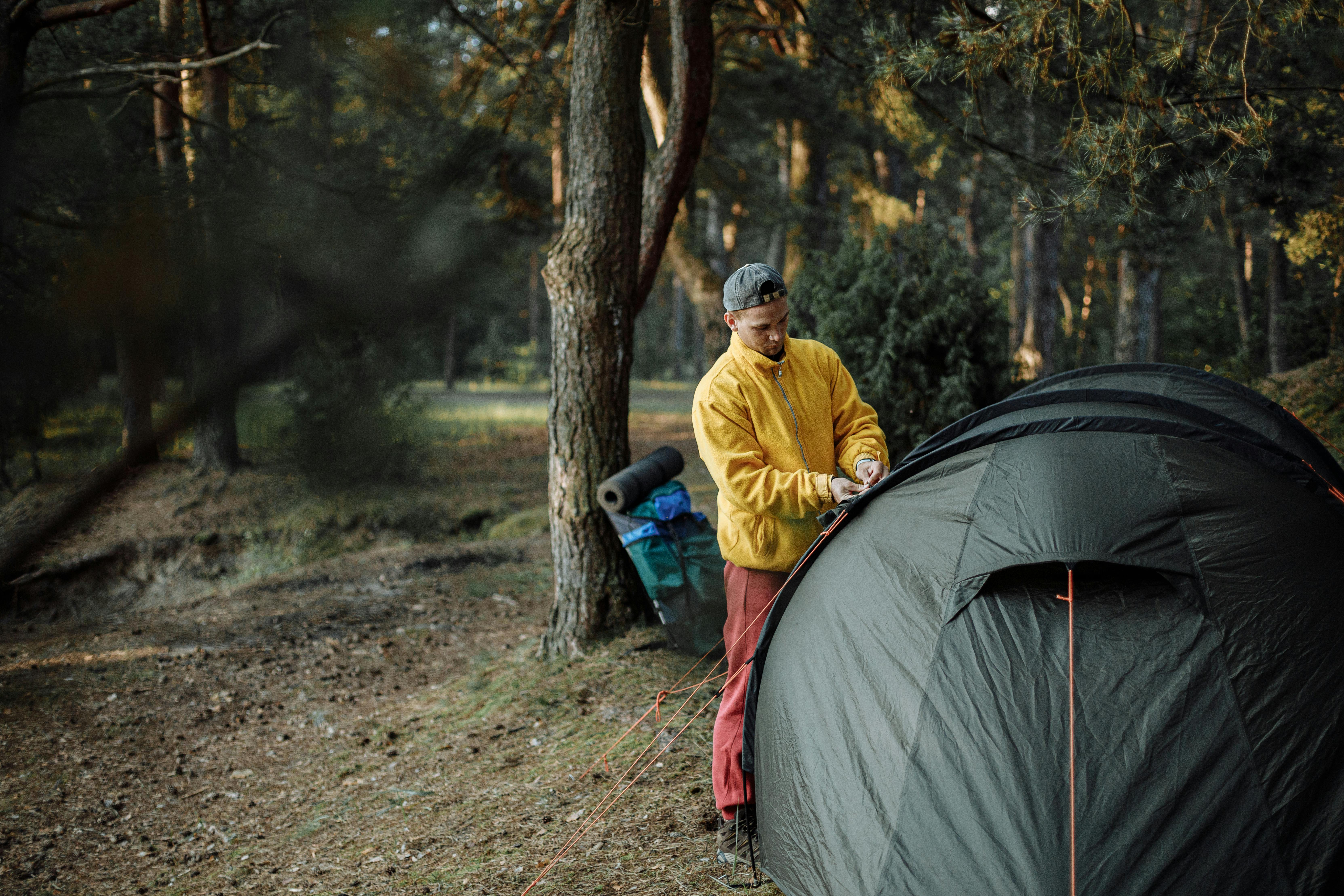
Beyond environmental benefits, microvacations offer a deeper philosophical shift: traveling with intention. Rather than checking off continents, microvacationers seek fulfillment in smaller moments—watching the sunrise over a nearby lake, sharing a meal with locals, or finding a hidden trail just an hour from home.
This “slow travel” ethos encourages a more intimate, grounded connection with place—and with oneself. It’s not about how far you go, but how deeply you experience the journey.
Skeptics may view microvacations as a compromise. But the truth is, they are an evolution. In a world where both the climate and our calendars are under strain, microvacations offer a practical, pleasurable, and profoundly sustainable alternative to the traditional vacation model.
They require fewer resources, less time, and less money—but they deliver on what most of us actually crave: rest, beauty, novelty, and meaning.
So before you book that intercontinental getaway, consider this: the best trip might be just down the road.
Microvacation tips for sustainable travelers

To make your microvacation as sustainable as possible, consider choosing destinations within 300 miles to avoid the need for flights and reduce your carbon footprint.
Opt for accommodations that are eco-conscious or locally owned, as these tend to have a smaller environmental impact and contribute more directly to the local economy.
Packing light and bringing reusable items—such as water bottles, shopping bags, and utensils—can help minimize waste while you’re on the go.
When planning activities, look for opportunities that connect you with nature or support local culture, whether it’s a guided hike, a farmers’ market visit, or a small art workshop.
Finally, try to travel during off-peak seasons, which helps ease pressure on popular destinations and makes for a more relaxed, authentic experience.
As climate consciousness becomes not just a value but a necessity, the travel industry must adapt, and so must we. Microvacations are more than a trend; they are a blueprint for how we might explore a world that needs softer footsteps. Because sometimes, the smallest trips lead to the biggest changes.
 Blinter Magazine