
By Nate Smith
Syttende Mai (“17th of May” in Norwegian) marks Norway’s constitution day. Many countries celebrate their nation’s independence, but each has its own flair. From fireworks in the US to flag-hoisting ceremonies in India, Norway follows suit in the celebration of its independence.
But how did Syttende Mai come to be? What is Syttende Mai known for? Understanding the history of Syttende Mai and the traditions that still happen today can help deepen our understanding of Nordic culture and highlight how other nations celebrate their independence.
A brief history of Syttende Mai
The signing of the Constitution of Norway was held in Eidsvoll in May of 1814. This moment was important to stop Norway from being ceded to Sweden after the loss of Denmark-Norway (what was at the time a single nation) in the Napoleonic wars. But, because of the still ravaging Napoleonic wars and years of reconstruction after, the day was not publicly addressed until 1833.
A day of celebration marking the 17th of May did not take form until 1864 when the first children’s parade was established in Christiania (a town in Oslo).
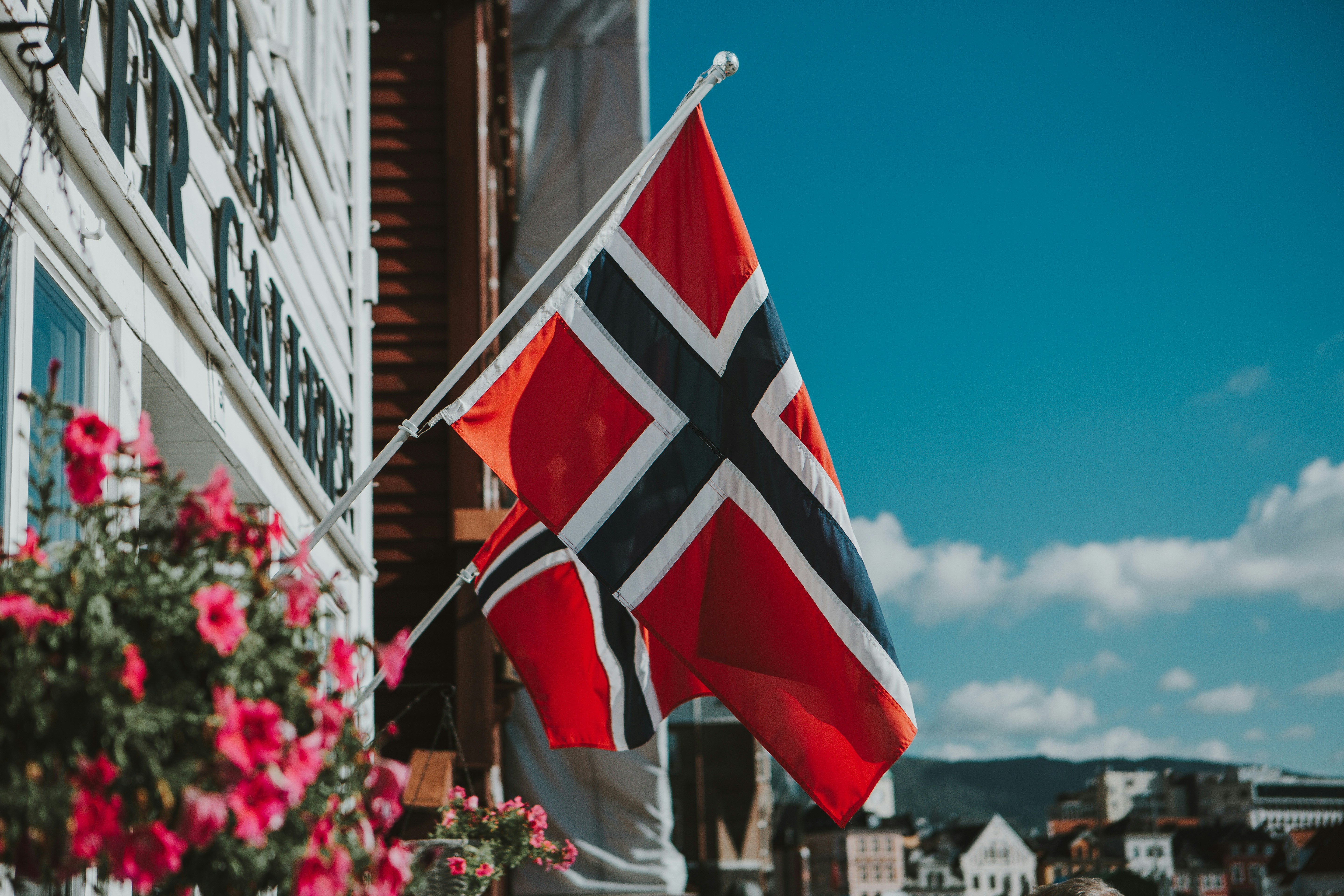
During the Second World War, when Norway was under Nazi occupation, all celebrations of the day were strictly prohibited. Even displaying the colors of the Norwegian flag could have a citizen arrested. When Norway was liberated on the 8th of May, 1945, the flag was flown to show the freedom of the nation. The liberation from Nazi occupation is a large reason why the celebration didn’t die out. It is a reminder to the people of Norway that fighting for freedom, no matter how many times, is possible.
Syttende Mai in modern times

Today, Syttende Mai still has children’s parades, the waving of the flag, and traditional clothing called bunads worn to instill pride in the country. Dating back to the 18th and 19th centuries, these outfits were worn by farmers. The traditional long flowing dresses and suits range in colors. Sometimes, these details signify where a person is from.
Meanwhile, parades have been a part of Syttende Mai since the 19th century. These modern festivities include singing and dancing.
Syttende Mai is steeped in tradition and the fight for freedom. In this, it is central to its nation and people.
 Blinter Magazine