

As the longest day of the year dawns across the green-covered hills of ancient lands, the summer solstice—known in modern Paganism and Wiccanism as Litha—awakens something primal in the spirit.
Litha was celebrated by the Celts, which was a moment of high sun that was more than an astronomical event. It was a spiritual experience around which the wheel of the year turned. Many communities gathered to honor the triumph of light over darkness, along with sacred rites and activities unfolding beneath the sun.
The solstice was marked with reverence, fire, and a profound connection to nature. To understand Litha is to step into a world where the natural landscape and the divine intertwine, creating a seasonal ritual rich in symbolism, nature, and meaning.
What is Litha?

Litha is a contemporary name for the summer solstice, falling between June 20th and 22nd in the Northern Hemisphere. It is one of the eight major holidays on the Wheel of the Year observed in Wiccan and many Pagan traditions.
The festival celebrates fertility, abundance, and the sun’s peak power, as explored by Moonfall Metaphysical. Also known as Midsummer, it symbolizes abundance, growth, and solar power—the zenith of the sun’s energy before the days begin to shorten.
The history of Litha
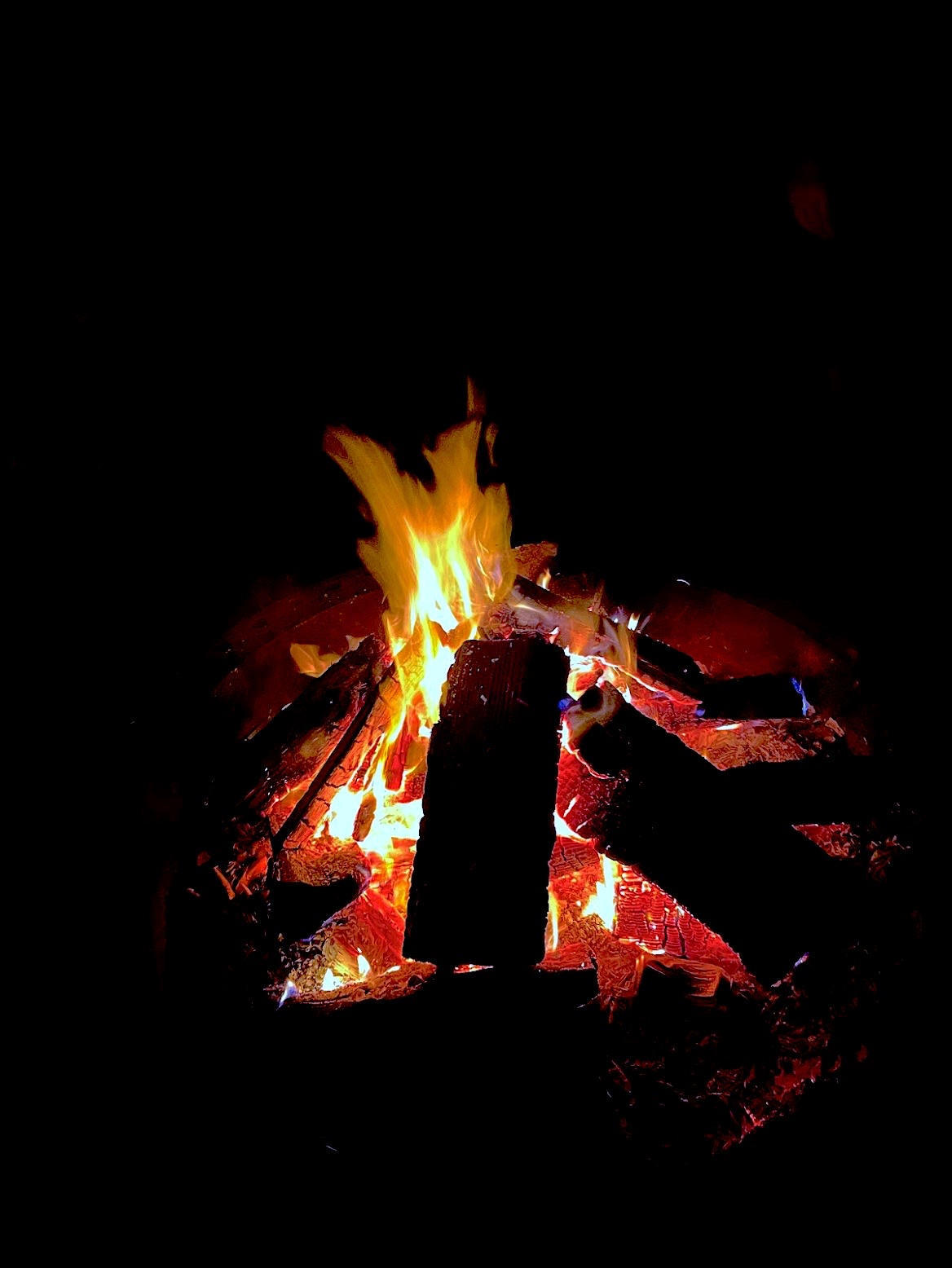
Though its exact historical roots are complex, the customs of Litha have been widely embraced by modern Pagan and Wiccan communities. Traditionally, Celtic celebrations of the solstice were community-driven, involving fire rituals, offerings, and deep spiritual connection to the land and cosmos.
“We are fairly certain that the ancient Celts observed these solstices,” says Rev. Jean Drum Pagano, Archdruid Emeritus of Ár nDraíocht Féin (ADF).
“For ourselves, it is the celebration of the longest day,” Pagano says. “By embracing the knowledge of the longest day, we understand that the length of the days has peaked, and tomorrow will be just a little shorter, as we march toward harvest and the declining year.”
Where does the word “litha” come from?

The name “Litha” itself originates from Old English, as recorded by the Venerable Bede, who used it to refer to the months of June and July—Ærra Liða and Æftera Liða—in his 8th-century work The Reckoning of Time. Though not a term universally used among all Pagans, it has become a recognizable and meaningful label in many modern circles.
“The term ‘Litha,’ from my research, is of Old English or Anglo-Saxon origin,” Pagano says.
“Like many things that have roots in Pagan history, we know of them from latter-day Christian scribes that may have passed the information down during the Dark and Middle Ages.”
How do Celts and Pagans celebrate Litha today?

Though the historical details are speculative, many modern Pagan practices reflect what is believed to have been the intention: reverence for the sun, purification through fire, and honoring deities.
“While we may not know how the ancients practiced, we can guess,” Pagano says.
“Some sort of observation or celebration at the time, possibly involving purification and most certainly the use of a fire, which is widespread in Indo-European practices.”
Today, those ancient customs echo in flower crowns, bonfires, sun wheels, and rituals of abundance. The Busy Pagan and SUI.org describe a variety of celebrations, from nature walks and meditations to spellwork and solar feasts.
“Litha celebrations usually include flower crowns and wreaths, making nature-related crafts and art,” says Teddy Shugars, a Pagan and Wiccan practitioner.
“One of the crafts that is made is a Sun Wheel. Bonfires and spending time outdoors with friends and family is a popular way to celebrate as well.”
While Wiccans and modern Druids may perform rituals to honor the sun or deities of fire, Shugars pointed out that there is variation across traditions.
“Hellenic Pagans don’t typically celebrate it, but I like to because I have Saxon and Celtic ancestry,” says Shugars.
“Like many other Pagans, I like to incorporate my religion and honor my gods on that day. Sun, fire, and nature gods are honored on Litha.”
What does Litha mean to those who celebrate?

For many, Litha is both a spiritual celebration and a cultural revival, connecting modern people with ancestral practices of sky-watching, fire-building, and nature-reverence.
“In observing the cycles of nature, we also acknowledge and celebrate the cycles in our own lives,” Pagano says.
“Of birth, emergence, blossom, flourish, harvest, diminish, and ultimately death—before we come again.”
And while some may associate the solstice with universal traditions, Litha is distinct in that it has only recently been formalized under that name.
“Litha had only started to be celebrated in the latter half of the 20th century,” Shugars says.
“Its celebrations are mostly based on Saxon and Celtic traditions, with some Norse and Germanic influences. It can be harder for Pagans, Wiccans, and those who practice witchcraft to find a community close to where they live.”
Because of this newer adaptation, modern Litha celebrations are often smaller or more private than ancient solstice festivals.
How to celebrate Litha

Celebrating Litha doesn’t require joining a coven or visiting a sacred stone circle (though that certainly helps).
Moonfall Metaphysical and other guides suggest simple, nature-based activities such as:
- making sun tea with herbs gathered in the morning light
- lighting candles or a bonfire in honor of the sun’s strength
- crafting sun wheels, using branches, vines, and ribbon
- hosting a seasonal feast featuring fresh fruits, honey, and flowers
- performing spells or meditations for abundance, fertility, and protection.
Whether solitary or communal, these celebrations offer an invitation to pause and mark the turning of the year.
“It’s important to many Pagans because they can celebrate their culture and religion,” Shugars says. “I like to incorporate my religion and honor my gods on that day.”
As the sun begins its slow descent and the days gradually shorten, Litha invites us not just to bask in the height of summer but to embrace the fullness of the cycle, both earthly and spiritual.
 Blinter Magazine