

Paris Fashion Week (PFW) has long been associated with opulence, luxury, and innovative style. As environmental awareness continues to shape the fashion landscape, there is a rising interest in how sustainability might intersect with high fashion. The ongoing discourse around eco-conscious design raises questions about whether the event will reflect this ecological perspective.
Among the designers known for their commitment to sustainable fashion are Stella McCartney, a pioneer in eco-conscious luxury, Marine Serre, and Gabriela Hearst, who each bring unique approaches to greening the runway. Their work consistently challenges traditional practices, showcasing how high fashion can align with environmental values. As Paris Fashion Week approaches, it’s worth reflecting on whether these leaders—and others inspired by their efforts—are truly transforming one of the most iconic fashion events in the world, or whether the industry’s deeper issues will persist.
Paris Fashion Week: Tracing the path to sustainability

Since its inception, Paris Fashion Week has stood as a symbol of opulence and artistic vision, drawing designers and fashion enthusiasts from around the globe. However, behind the spectacle lies a long history of environmental impact, from wasteful practices to significant carbon emissions from international travel. Traditional runways often involve grandiose set designs, massive energy consumption, and single-use materials, casting a shadow over the glittering shows.
Lately, discussions about sustainability have grown more prominent and urgent within the fashion industry. Brands like Stella McCartney have been vocal advocates for change, promoting responsible sourcing, cruelty-free materials, and waste reduction. For example, McCartney has integrated regenerative agriculture and vegan leather alternatives into her collections, setting a precedent for incorporating sustainability without compromising luxury. Additionally, industry collaborations like the Fashion Pact—a coalition of global fashion brands committed to environmental goals—highlight a shift toward accountability.
The COVID-19 pandemic pushed the industry to reconsider its norms. With travel restrictions and health concerns, many brands turned to digital showcases, minimizing the environmental impact of traditional runway productions. Despite these advances, it remains if PFW can truly reinvent itself without losing its identity as a luxury fashion hub.
Who’s pushing for change at Paris Fashion Week?
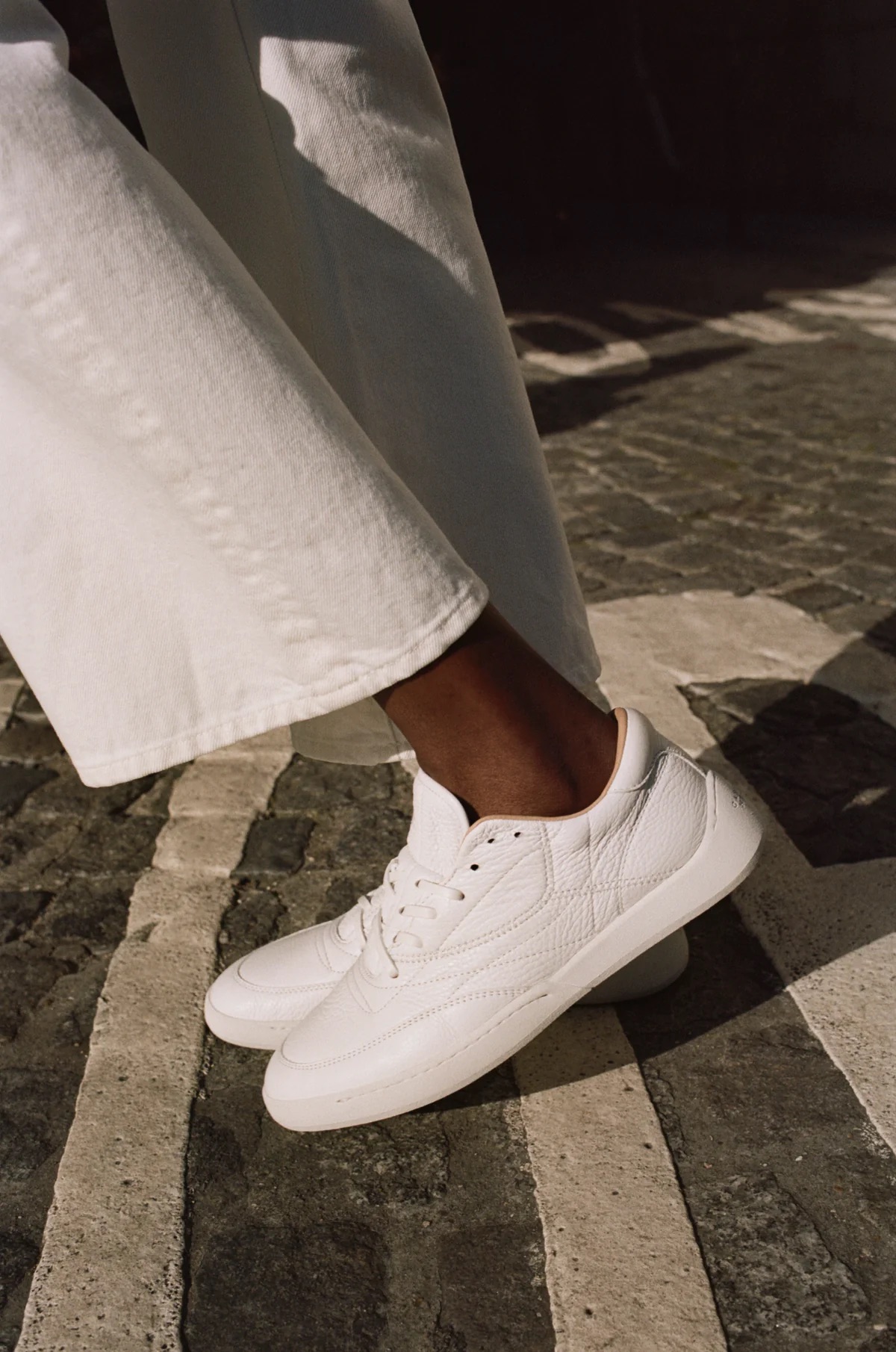
Certain legacy brands are leading the sustainability shift.
Stella McCartney
McCartney remains at the forefront of sustainable luxury fashion. While not part of the upcoming June menswear schedule, McCartney showcased her sustainable vision at her Paris Fashion Week’s Womenswear Fall/Winter 2025-2026 show this past March. Her work with mycelium leather and regenerative agriculture demonstrates how high-end fashion can embrace circular economy principles without sacrificing quality or design excellence.
Marine Serre
Serre, who presented at Paris Fashion Week Womenswear in March, is renowned for her bold upcycling techniques, transforming discarded materials into high-fashion pieces. Her signature crescent moon pattern frequently appears on reconstructed textiles, creating a recognizable aesthetic that celebrates reuse while maintaining luxury appeal.
Gabriela Hearst
Hearst is another highlight from the March 2025 womenswear shows in Paris. Known for her zero-waste philosophy, Hearst has integrated renewable energy and sustainable materials into her presentations. Her dedication to craftsmanship and timeless design aligns perfectly with sustainability’s focus on longevity and reduced consumption.
Rising designers with a green vision
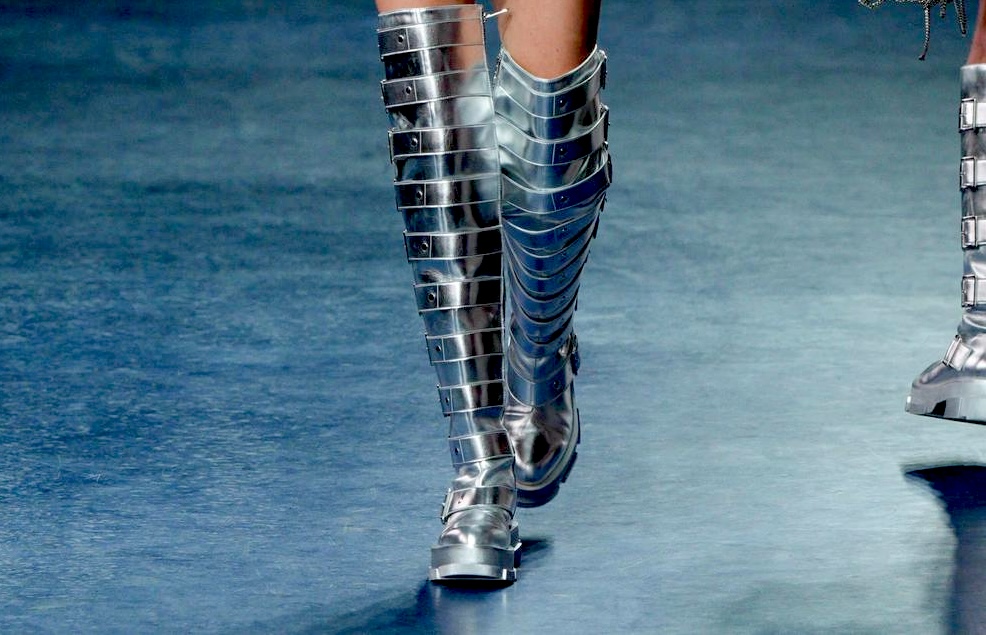
Kevin Germanier
Germanier has consistently embraced maximalism and glamour through the use of discarded beads and sequins, proving that sustainable fashion need not compromise on vibrancy. His Fall/Winter 2024–2025 collection, “Les Épineuses,” was a notable appearance at PFW. This lineup stood out for its creative use of upcycled embellishments, highlighting a bold approach to upcycled fashion.
Jeanne Friot
In January 2025, Paris-based designer Jeanne Friot unveiled her Fall/Winter 2025–2026 collection, “VISIONS,” during Paris Fashion Week Men’s. The collection showcased genderless fashion through recycled textiles and closed-loop design, encouraging customers to return previous season items for upcycling. Founded in 2020, the brand challenges traditional gender boundaries while minimizing environmental impact.
Louis-Gabriel Nouchi
During Paris Fashion Week Men’s in January 2025, Louis-Gabriel Nouchi debuted his Fall/Winter 2025–2026 collection, which drew inspiration from George Orwell’s 1984. The collection featured a carefully curated color scheme of black, bone, and dark khaki, putting emphasis on the richness of the materials. The fabrics included mouliné wool jacquards and custom-tailoring textiles from Kvadrat, along with waxed leathers and plush velvets. Nouchi has demonstrated his commitment to sustainability in previous collaborations, working with deadstock fabrics, ECCO.kollektive for craftsmanship and material innovation in leather, and an entirely upcycled denim collection with the French brand Kaporal. His innovative approach to design and dedication to sustainable practices continues to influence contemporary menswear.
What to watch: PFW Men’s S/S 2026 Preview
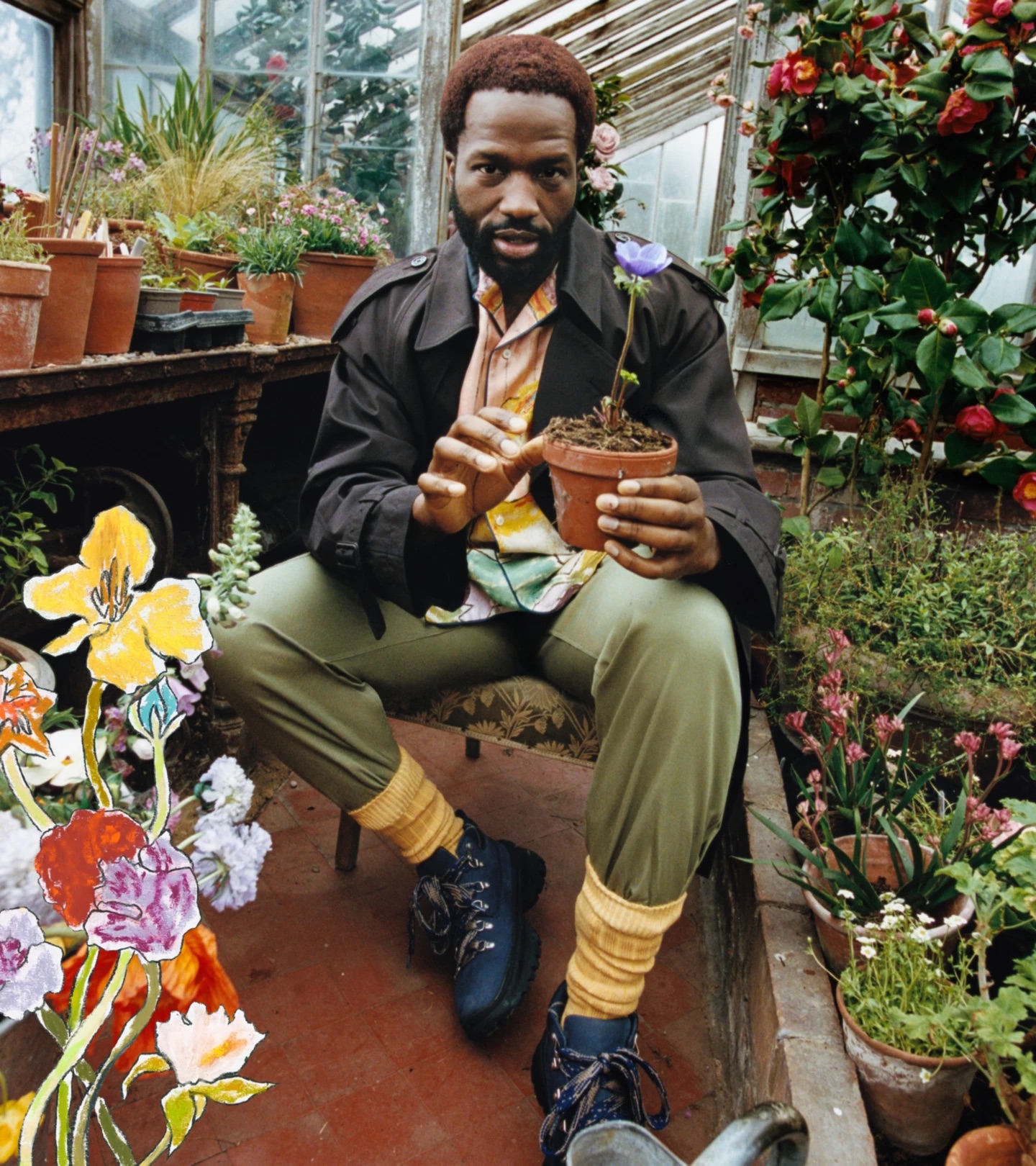
Event Details
Dates: June 24–29, 2025
Location: Various venues across Paris
Season: Spring/Summer 2026
Paris Fashion Week Men’s June 2025 edition will showcase the latest innovations in menswear design from established houses and emerging talents. The event will feature both traditional runway presentations and digital content. While sustainability initiatives vary widely among participating designers, the event offers an opportunity to observe how environmental considerations are being integrated into different creative visions.
Spring/Summer 2025 – 2026 Global Fashion Calendar
London Fashion Week Men’s SS26: June 12–June 15, 2025
Milan Fashion Week Men’s: June 20–June 24, 2025
Paris Fashion Week Men’s: June 24–June 29, 2025
Paris Haute Couture: July 7–July 10, 2025
Berlin Fashion Week SS26: July 14–July 17, 2025
This packed calendar highlights the fashion industry’s traditional schedule, with Paris positioned as the culminating event for menswear presentations before the exclusive haute couture shows begin. The back-to-back scheduling between Milan and Paris testifies to the intense pace of the industry—a challenge that sustainable fashion advocates often cite when discussing the need for more mindful production and presentation cycles.
Fashion’s green innovators: Notable sustainability efforts
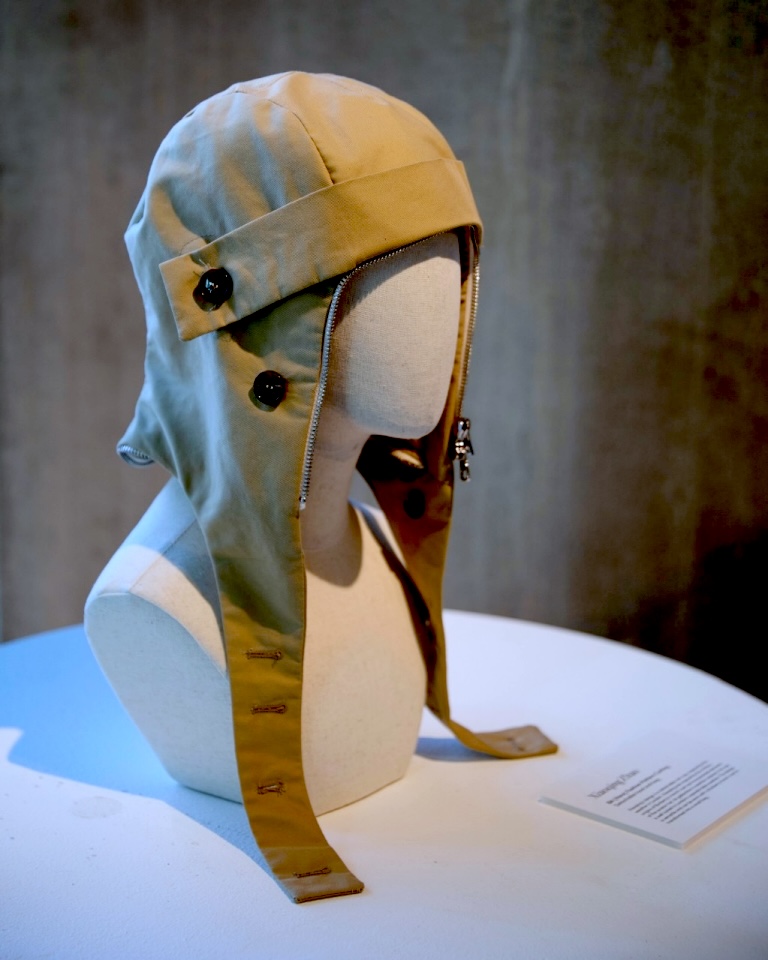
While sustainability may not be the central theme of Paris Fashion Week Men’s, several designers have incorporated environmental consciousness into their creative processes:
Jonathan Anderson’s Dior Men Debut
Jonathan Anderson will debut his collection for Dior Men on June 27, 2025, during Paris Fashion Week Men’s. While specific sustainability strategies for his Dior tenure have yet to be unveiled, Anderson’s previous work with Loewe and JW Anderson noted thoughtful material selection and artisanal craftsmanship, promoting longevity and quality in fashion.
Pharrell Williams for Louis Vuitton
Both Pharrell Williams and Louis Vuitton established a commitment to sustainability through past initiatives. Williams, known for his involvement with sustainable practices such as Bionic Yarn—a company that transforms plastic waste into high-grade textiles—has long been an advocate for responsible material use. Similarly, Louis Vuitton has made strides in sustainability by incorporating recycled and eco-friendly materials, such as Econyl Regenerated Nylon, into some of its collections. While specific sustainable practices within Pharrell’s tenure as Men’s Creative Director are still emerging, his respect for artistry and durability aligns with the brand’s ongoing efforts to embrace more eco-friendly practices.
Botter
The Dutch-Caribbean label Botter, led by Rushemy Botter and Lisi Herrebrugh, has built its brand identity around sustainability, ocean conservation, and inventive textiles. Their collections have featured garments made from recycled materials such as ocean plastic and algae-based fabrics. Botter has collaborated with organizations like Parley and established a coral nursery in Curaçao, demonstrating a deep commitment to environmental issues.
Lukhanyo Mdingi
South African designer Lukhanyo Mdingi emphasizes ethical production and artisanal craft. His work celebrates traditional textile techniques while creating contemporary designs, supporting communities of craftspeople, and preserving cultural heritage. Mdingi’s collaborations with organizations like the Ethical Fashion Initiative and his use of GOTS-certified organic materials highlight his dedication to sustainability. For instance, his 2022 “Bodyland” collection featured fabrics made from GOTS-certified organic cotton fibers and dyes, produced in partnership with CABES-GIE in Burkina Faso.
Spring/Summer 2026: Menswear trends to watch

As Paris Fashion Week approaches, speculation around the Spring/Summer 2026 menswear collections is intensifying. Based on the themes and aesthetics showcased during the recent Fall/Winter 2025 shows, here are some emerging trends that might take center stage:
Soft masculinity: Fluid and playful aesthetics
Masculine silhouettes have been shifting towards softer, more fluid designs, and this trend is likely to expand further. Expect to see flowing fabrics, relaxed tailoring, and gender-neutral cuts, focusing on comfort without sacrificing style. Sheer fabrics, draping, and subtle floral prints may add a whimsical touch to traditionally structured pieces.
Modularity and transformative layering
Building on the heavy, protective layering seen in fall collections, the spring season could introduce lighter, modular garments designed for adaptability. Convertible jackets, detachable sleeves, and multi-functional outerwear might take center stage, with breathable materials allowing for both layering and ventilation. We can expect an emphasis on practical design that still delivers strong visual appeal.
Natural textures and lightweight fabrics
While heavy textures dominated the fall season, spring might shift toward lightweight textiles. Consider lightweight linen, tactile cotton, and sheer knits that provide texture while maintaining a sleek, uncluttered look. Textural contrast could play a big role, combining smooth, organic materials with more structured elements to create dynamic outfits.
Earthy and botanical color stories
While winter collections were characterized by bold and vivid colors, spring could take a different direction, favoring softer, nature-inspired shades. Earthy shades like ochre, olive, and terracotta could dominate, balanced with botanical colors such as sage green, clay pink, and mineral blue. These color schemes convey tranquility and a natural aesthetic, maintaining a visually pleasing effect.
Streamlined utility: Practical but polished
Utility wear continues to unfold, moving away from rugged, survivalist aesthetics toward a more refined, urban approach. Look for practical features such as pockets and sturdy materials, thoughtfully incorporated into streamlined, minimalist designs. This balance between practicality and sophistication could make utility pieces more versatile and appealing for everyday wear.
Subtle statement pieces: Emphasis on details
Instead of loud, eye-catching designs, there may be a focus on subtler statement pieces where the details speak for themselves. Embroidery, hand-stitching, and unexpected fabric combinations might add intrigue without overwhelming the look. The goal could be to create garments that reveal their complexity upon closer inspection.
Fashion trends are inherently unpredictable, and Paris Fashion Week often defies expectations. While these predictions draw on recent runway themes and broader industry shifts, the collections may surprise with new ideas and experimental aesthetics.
Challenges and criticisms in fashion
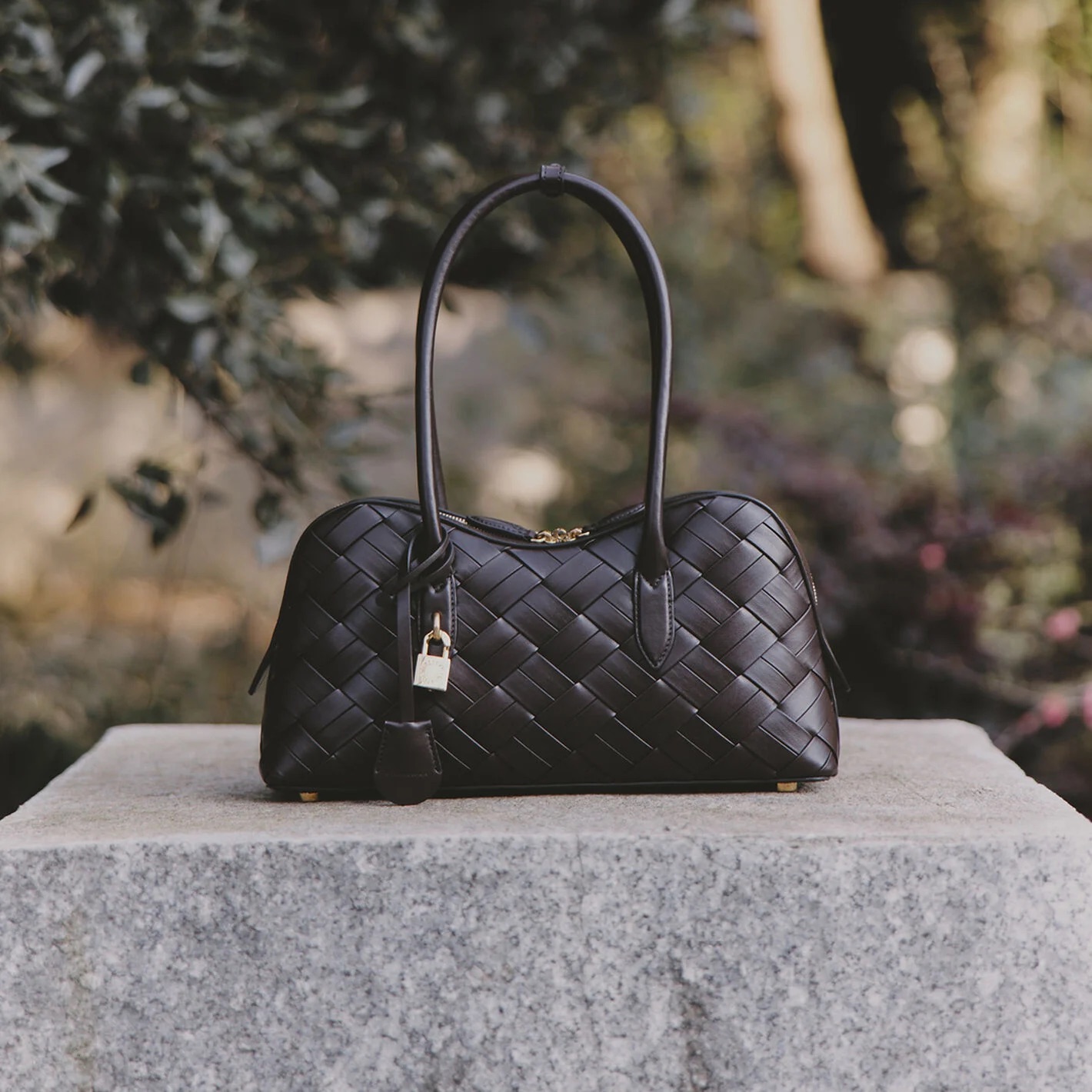
While there have been significant advancements in sustainable fashion, considerable obstacles persist. One of the most prominent issues is greenwashing—the practice of using sustainability as a marketing tool without genuinely addressing harmful core practices. Critics argue that some brands may tout eco-friendly initiatives while continuing to rely on resource-intensive production methods. The lack of industry-wide standards further complicates matters, making it difficult for consumers to discern between meaningful change and superficial claims.
Another major challenge is the scale versus impact dilemma. While small-scale sustainable initiatives can showcase contemporary approaches, there are lingering questions about whether they can truly offset the fashion industry’s massive environmental footprint. This is especially relevant for global luxury conglomerates that operate on vast production scales. Implementing sustainable practices in isolated collections may make headlines, but it raises doubts about the broader impact when the majority of production remains largely unchanged.
Affordability and access also pose barriers to the broader adoption of sustainable fashion. Many truly sustainable garments come with higher price tags, making them less accessible to the average consumer. This trend raises questions about whether sustainable fashion can move beyond niche luxury markets to generate a broader positive impact. Without addressing cost barriers, sustainability risks an exclusive perception, rather than a collective movement.
Lastly, there is the measuring of real impact. The absence of standardized sustainability metrics makes it difficult to compare environmental claims across brands, allowing some companies to make impressive-sounding but ultimately hollow assertions. Without clear guidelines or benchmarks, it remains challenging to assess which initiatives genuinely reduce environmental harm and which merely pay lip service to sustainability.
While the fashion industry’s efforts to embrace eco-conscious practices are increasing, these challenges highlight the need for greater accountability, transparency, and systemic change to achieve genuine progress.
Greener runways ahead: The future of Fashion Weeks

As Paris Fashion Week’s Menswear Spring/Summer 2025-2026 approaches, the fashion industry remains at a crossroads. Leaders in sustainable luxury demonstrate that environmental responsibility can coexist with high fashion, but the true test will be whether these pioneering efforts inspire broader change across the industry.
What seems increasingly clear is that the definition of luxury itself is evolving. For a new generation of consumers and designers, true luxury encompasses not just exceptional craftsmanship and design but also environmental stewardship and social responsibility. The fashion leaders greening Paris Fashion Week are not just responding to a trend—they’re helping redefine what it means to be a luxury brand in the 21st century.
The integration of sustainability into Paris Fashion Week represents not just an evolution in fashion design but potentially a revolution in how we understand fashion’s purpose and impact. Through continued innovation and commitment from industry leaders, Paris Fashion Week has the opportunity to maintain its position as a global tastemaker while embracing a more responsible vision for fashion’s future.
 Blinter Magazine
Leave a comment