

Twice a year, our Earth experiences a solstice, which marks the point at which the sun appears to stand still. This year, the summer solstice will take place on Saturday, June 21, 2025, at 02:42 UTC. (Find out how this corresponds to your location here).
For those who live in the North, this longest day has much to celebrate as the sun and the change of the season bring about new light and life.
What is a solstice?
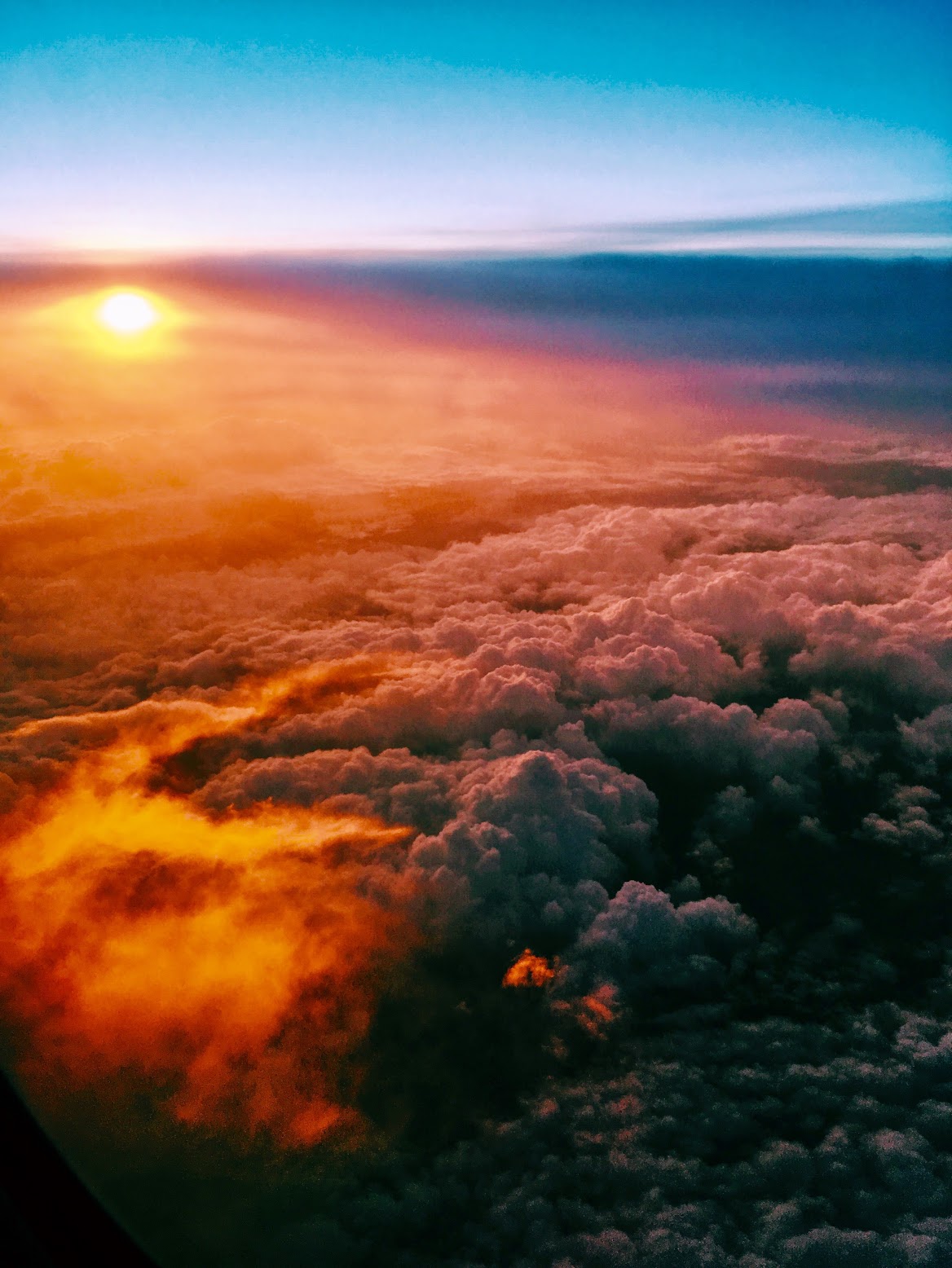
Although some traditions follow multiple days of festivities related, the summer solstice is technically a specific moment with the sun, from a Northern hemisphere perspective, furthest north. This makes for those in the north the longest day and shortest night of the year. From here, the sun moves back south, eventually bringing the winter solstice.
Important to remember, the summer solstice isn’t always at the same time and date each year, as the sun’s time is not our clock time. Solar time, kept by the sun’s motion in the sky, does not run at a uniform rate. Our mechanical time runs on the average rate of the sun over the course of the year, leaving at some parts of the year as much as a 16-minute difference between our two times.
Global history of the summer solstice
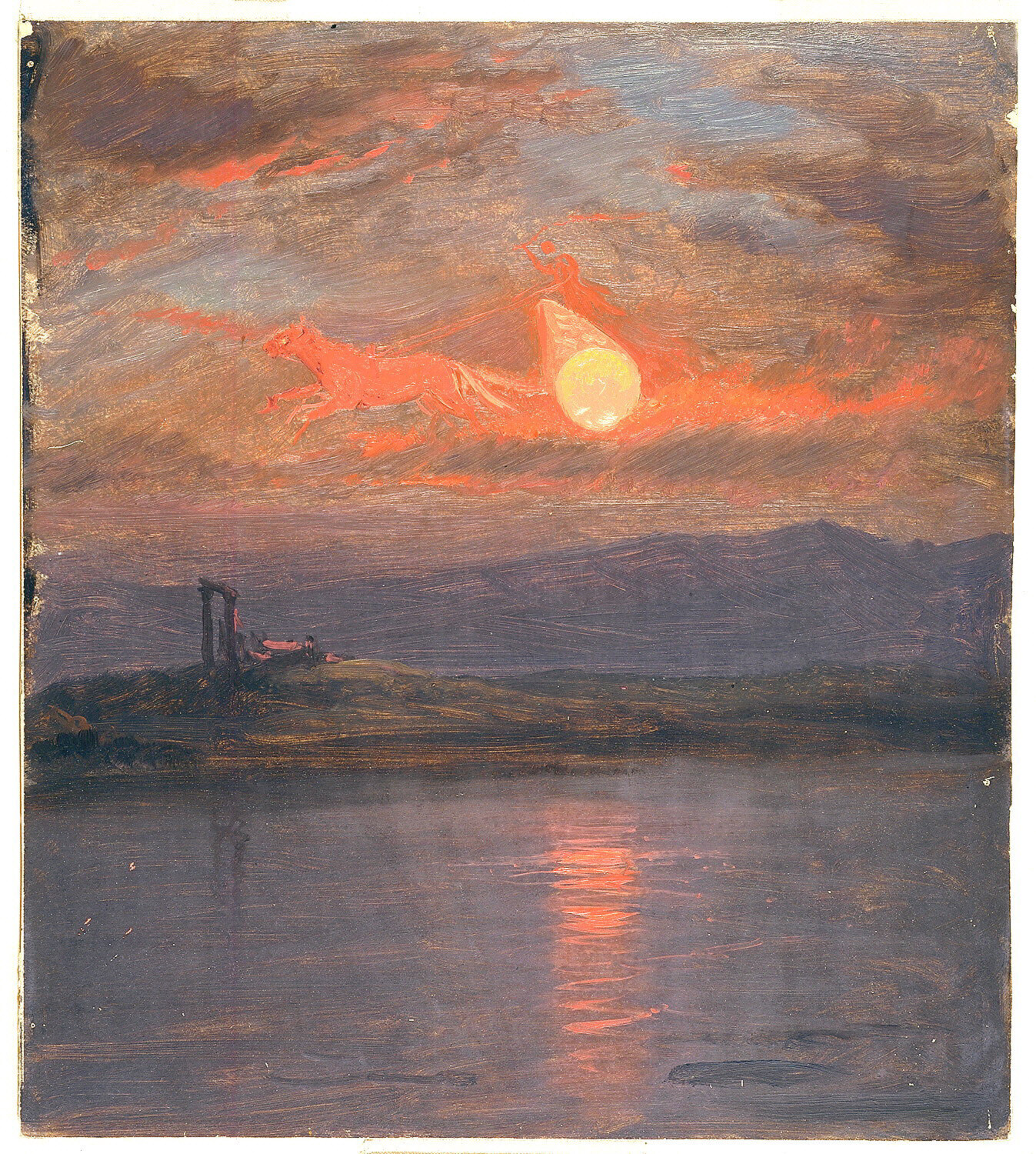
Throughout history, societies have offered various constructions and understandings of time. Both physical and spiritual aims of making sense of temporality have influenced how societies and cultures conduct themselves, often made from studying the weather, moon and stars, and the sun.
A common manifestation of the knowledge of the sky is in prehistoric buildings and monuments that are constructed in ways to mark celestial movements. Being in heavily agrarian times, much of the day’s work was dedicated to farming, so studying the sun’s path helped to signal times of planting and harvesting.
Most notable of these structures is Stonehenge, in Wiltshire, England, which aligns with the sunrise of the summer solstice. Although a popular destination today for gathering for solstice celebrations, there’s little archaeological evidence that the area was for great rituals, fires, or feasts. Most likely, only certain ranked members of the community used the Stonehenge. It was not until the 1860s, led by greater studies of its alignment, that the public began to relate it to the solstice.
Also popular is Machu Picchu in Peru, and the Sun Gate, or Inti Punku, along the Inca Trail. However, being south of the equator, the June solstice celebrates the end of the harvest season and the coming of winter. Still, during this solstice, travelers can see the sunrise as it lights up the entire archaeological site.
The Fajada Butte in the Chaco Canyon in New Mexico is home to spiral petroglyphs that align with the summer solstice. In the main building of the Ħaġar Qim temples, along the coastlines of Malta, sunlight passes through a hole and reflects on the ground a disk that, as minutes pass, becomes a crescent, then elongates into an ellipse before disappearing.

If viewed from the Sphinx in Egypt, the sun sets perfectly between the Great Pyramids. In ancient Egypt, the time around the solstice marked the rise of the Nile River. Ancient Egypt celebrated this with rituals to their sun and star gods, for the floods were important to the agricultural process.
Other ancient festivities across the world used the summer solstice as a means for celebrations to gods that represented the sun (Kronia festival in Ancient Greece) or the earth’s bounty and femininity (Vestalia festival in Ancient Rome).
In China, although the celebration of the summer solstice is not as common today as it might have been in ancient times, the province of Zhejiang and its Dragon Boat festival align their celebration with the solstice.
Origins of midsummer
The continuation of the summer solstice today is most commonly understood with the traditions of Midsummer. Often celebrated over several days, around June 20th to 25th, in Northern Europe, Midsummer draws on a history of different ancient German and Scandinavian cultural, pagan, and Christian traditions and customs. It often aligns with festivities for St. John the Baptist, which can be thought of as the Christian adaptation of the summer solstice.
In the article, “The Midsummer Solstice As It Was, Or Was Not, Observed in Pagan Germany, Scandinavia and Anglo-Saxon England,” Billington tries to disentangle various influences, myths, and historical records of Midsummer. They note a difficulty in pinpointing the festivities, as larger socio-historical contexts and shifts in the concept of time shaped what is now known as Midsummer today.
In sixteenth-century Scandinavia, Midsummer solstice games reflected the sun’s rising and falling as a satire about human aspiration, power, and law and order. After vigils of the feast of St. John, where communities gathered around bonfires to dance and sing to honor the work of ancient heroes, the celebration eventually turned to parody. Songs and dances were in tune with vices prevalent in the community and their current leaders.
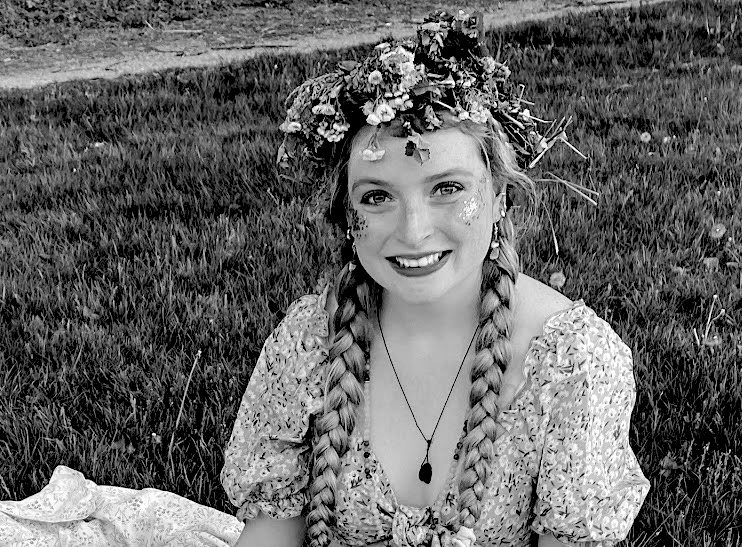
Since technically the period of the summer solstice is when the sun is at its “weakness,” Midsummer wasn’t a time of worshiping the sun or God. By the Middle Ages, people did not view Midsummer as a ritual; instead, they saw its festivities as “iconoclastic games.”
More aligned to today’s festivities, Midsummers were also times for magic. Plants took on healing and prophetic properties, and bonfires were set to chase away any evil spirits. Fire was and still is a popular symbol across any summer solstice festival, as it marks a way of assisting the sun along its annual course.
Where to experience solstice festivities

Penzance, Cornwall, United Kingdom
The Golowan Festival is just over a weeklong celebration full of arts and parades related to the feast of Saint John (June 24th) and Saint Peter’s day(June 29th) that is all about light, optimism, and rejoicing. Revived in 1991, Golowan carries the satirical tradition mentioned above, as the festival starts with a mock mayoral election, and throughout the 10 days, fires and fireworks alongside nonstop dancing and drinking crowds through the urban scene.
Ottawa, Canada

From June 21st to the 22nd, the Summer Solstice Indigenous Festival is an annual arts and education celebration brought on by the First Nations, Métis, and Inuit peoples in Canada. The grounds for the festival hold markets and traditional foods, and international Pow Wow competitions. Coinciding with National Indigenous Heritage Day, this summer solstice celebration emphasizes the role of the Earth through sharing stories and marks a new season of life.
Fairbanks, Alaska, USA
From noon to midnight, under a never-setting sun, the Midnight Sun Festival is a block party full of live music and street vendors. Best is to stick around for the actual summer solstice and stay up to watch the Midnight Sun Baseball Game. This unique game requires no stadium lights at 10 o’clock at night, as it is played only 140 miles away from the Arctic Circle. Or if looking for something brave to do, travel west of Fairbanks to Nome for a polar plunge into the Bering Sea and experience their small town midnight sun festivities.
Barcelona, Spain

The Verbena de San Juan, also referred to as the festival of Sant Joan, is like a reversed summer solstice festival. It is a festival of the shortest night of the year, held on the night of the 23rd, in celebration of St. John’s birth. With similar themes of a musical focus and, of course, the symbol of fire, beaches and towns across Barcelona fill with party-goers. Plenty of private bars and clubs also take part in the festivities. This night is full of hope and superstitions, but still, a feeling of abundance sparks with each new firework set off to kick off the start of summer.
Longyearbyen, Norway
However, if festivals aren’t your thing, and you wish to appreciate the true midnight sun, travel to the world’s northernmost town for its never-ending sunset. Longyearbyen, Svalbard, although few in population, it still offers fresh landscapes with chances of spotting wild polar bears and reindeer, as well as tourist attractions from a rich history of exploration to kayaking the arctic waters and hiking.
Celebrate wherever you are
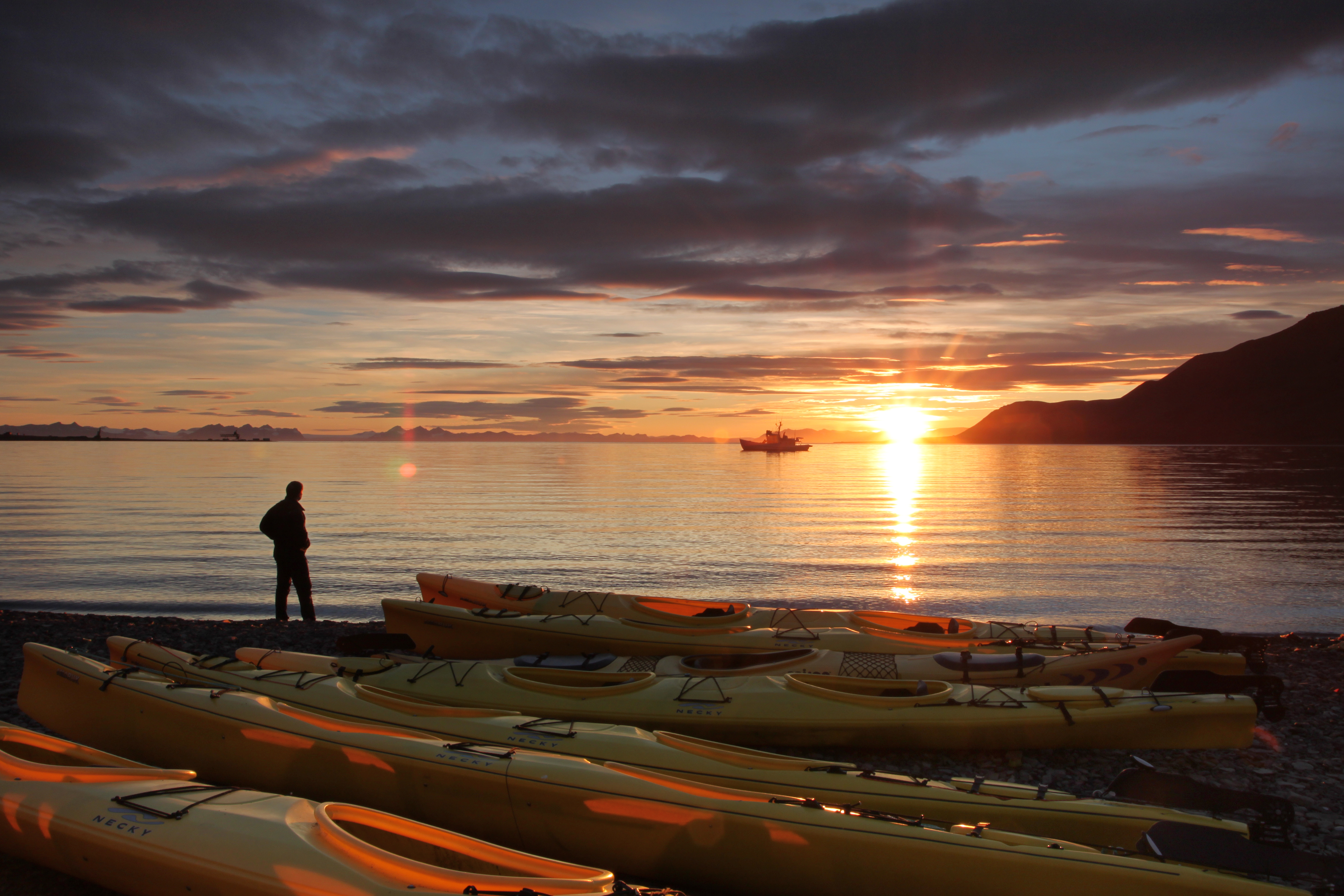
Whether you set out to view a never-setting sun, choose to partake in festivals of history and change with a new town, or you only end up traveling just outside your home, take in the simple everyday wonder of light and the movement of the sky.
Our sun and its “encyclopedia of light” are a rich source of life for us and our planet that is well worth celebrating.

 Blinter Magazine