

Meet Jasmin Utter, General Manager Region Americas – Global Sales, at Scandinavian Airlines (SAS).

Our editorial team had the opportunity to chat with this aviation sales leader. We got to learn more about SAS’s sustainable goals, Utter’s favorite places in Scandinavia, and the history of this culturally-rich airline. This conversation went as follows:
What should readers know about Scandinavian Airlines?
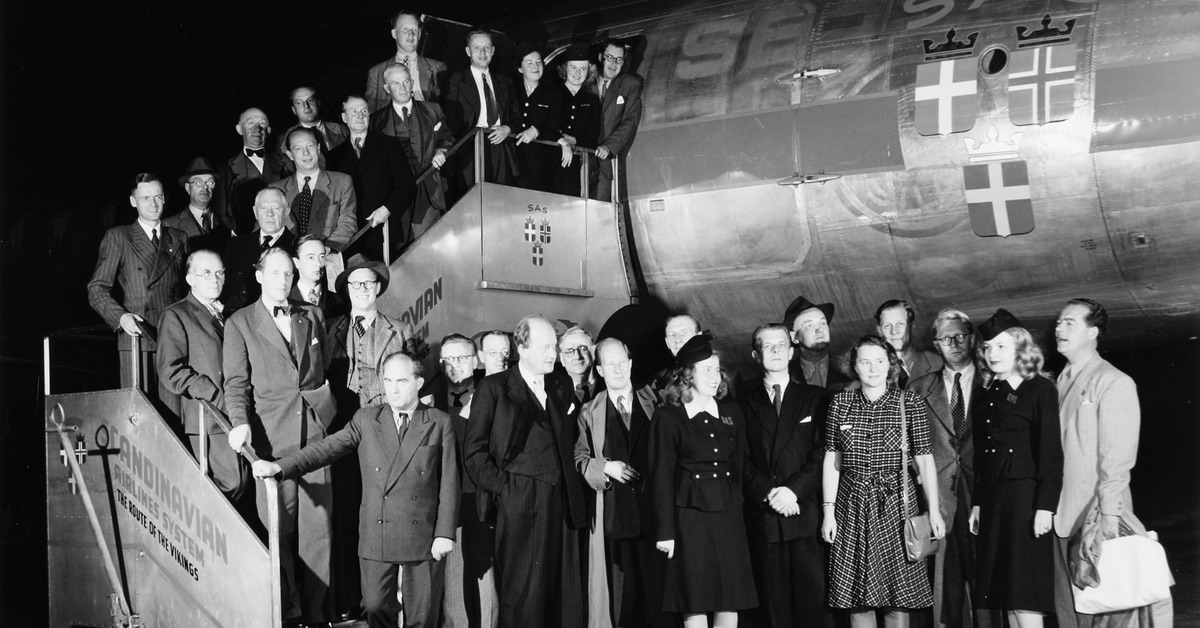
Scandinavian Airlines (SAS), founded in 1946, is the major carrier in Scandinavia. Operating from its main hub in Copenhagen, with additional hubs in Oslo and Stockholm, SAS offers a network of domestic, regional, and international flights.
Each year, the airline serves over 25 million passengers and transports around 60,000 tons of cargo to 135 destinations across Europe, North America, and Asia.

SAS first launched a service between Copenhagen and Seattle in 1966, becoming the first airline to offer nonstop flights from Seattle to mainland Europe.
Earlier, on November 15, 1954, SAS operated the world’s first commercial flight over the North Pole. The new route between Copenhagen and Los Angeles helped shorten travel times and improve efficiency, creating a faster connection between Europe and the United States. The flight distance was reduced by around 2 000 miles, which in turn considerably lowered fuel consumption.

SAS has set a goal to reach net-zero emissions by 2050, reflecting a long-standing commitment to innovation and progress. Sustainability efforts continue to be a central focus across the organization.
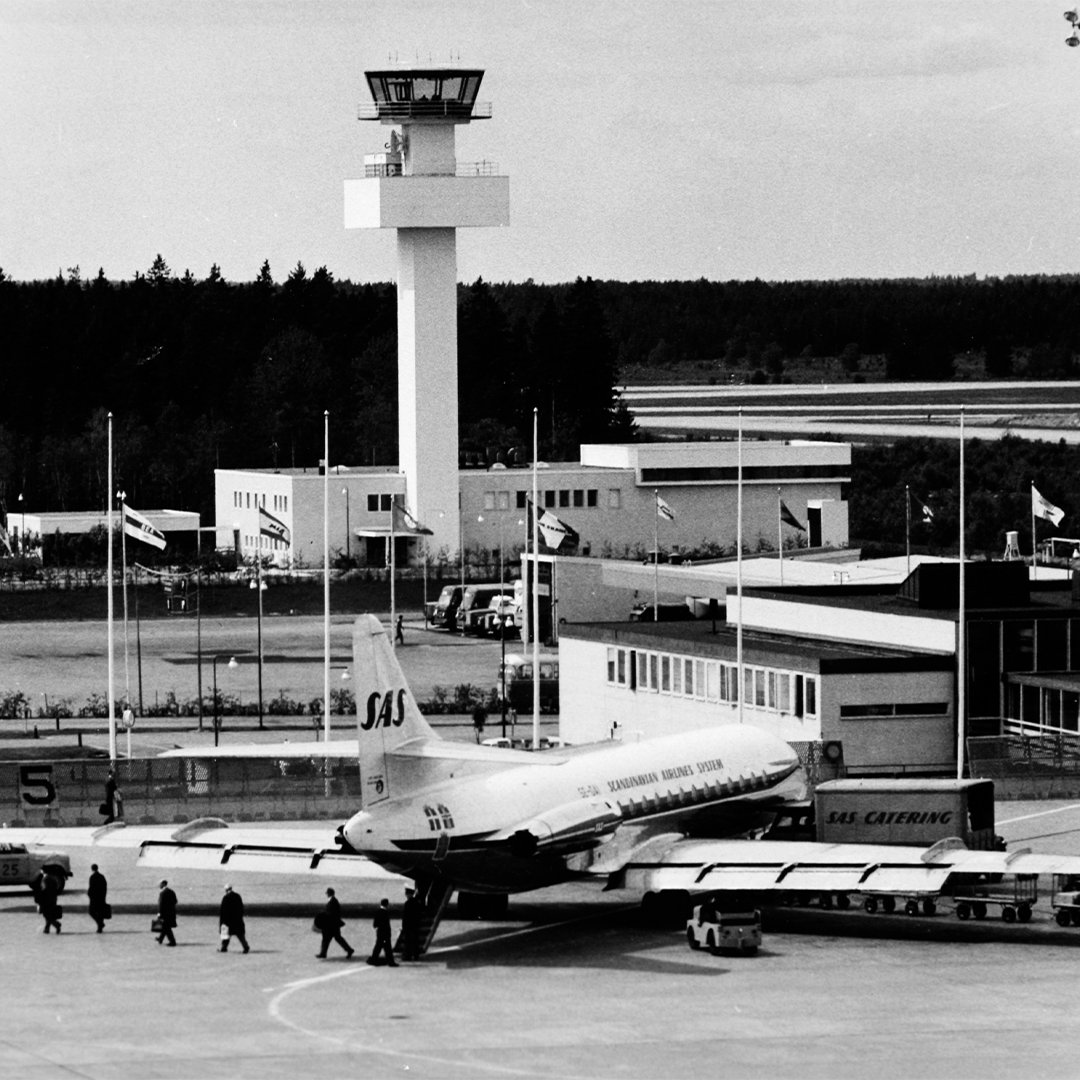
SAS is ranked among the most punctual airlines in both Europe and globally. Additionally, Danish and Swedish consumers have recognized SAS as the most sustainable airline brand—earning the top spot for the sixth and fourteenth time respectively, according to the Sustainable Brand Index.
How does the airline celebrate Scandinavian heritage and culture?
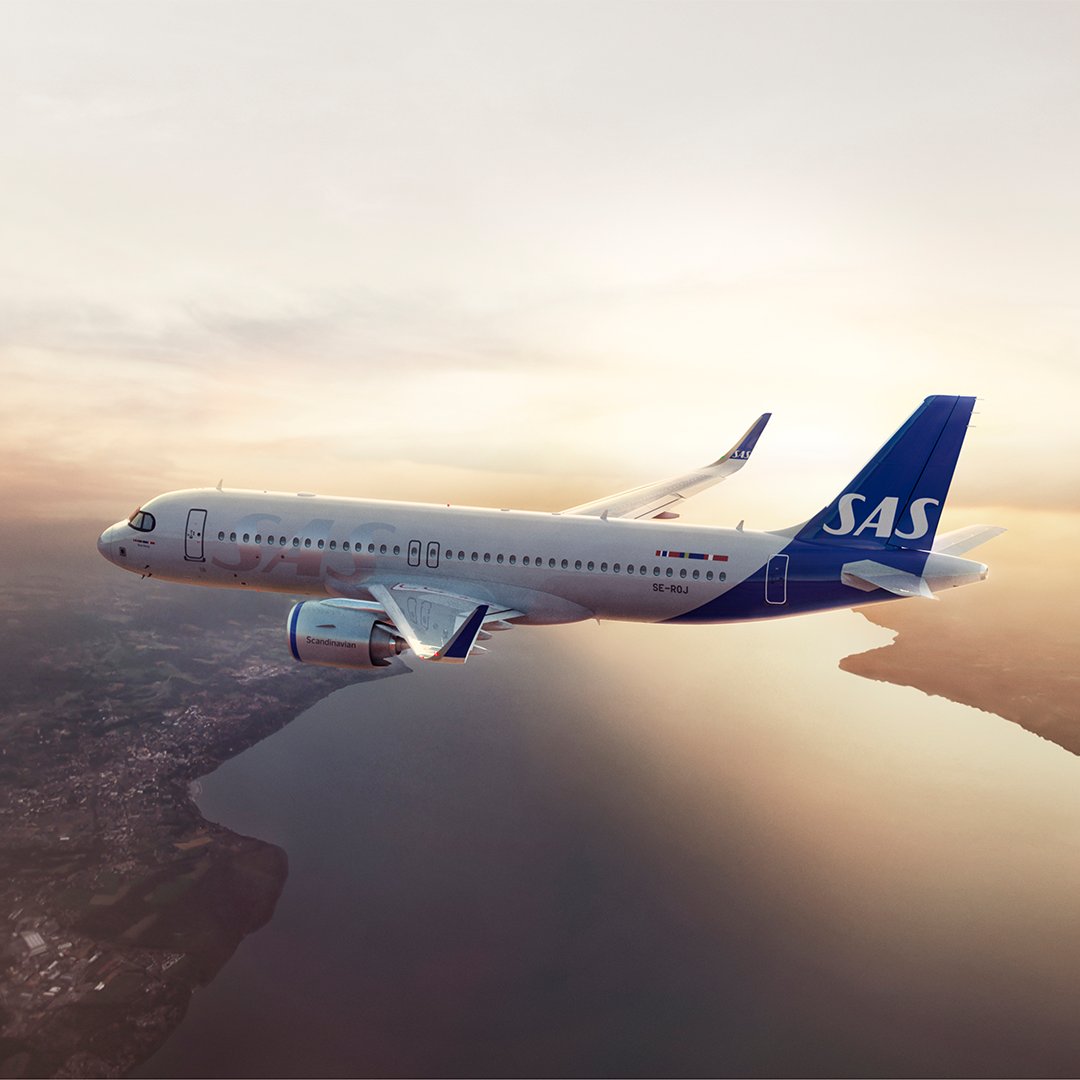
SAS incorporates Scandinavian values into the customer experience through minimalistic and functional design, regionally inspired food and beverage offerings, and a focus on punctuality, environmental responsibility, and care.
These principles – simplicity, quality, and sustainability – are core to the Scandinavian way of life and are reflected in everything from our aircraft interiors to our digital services.
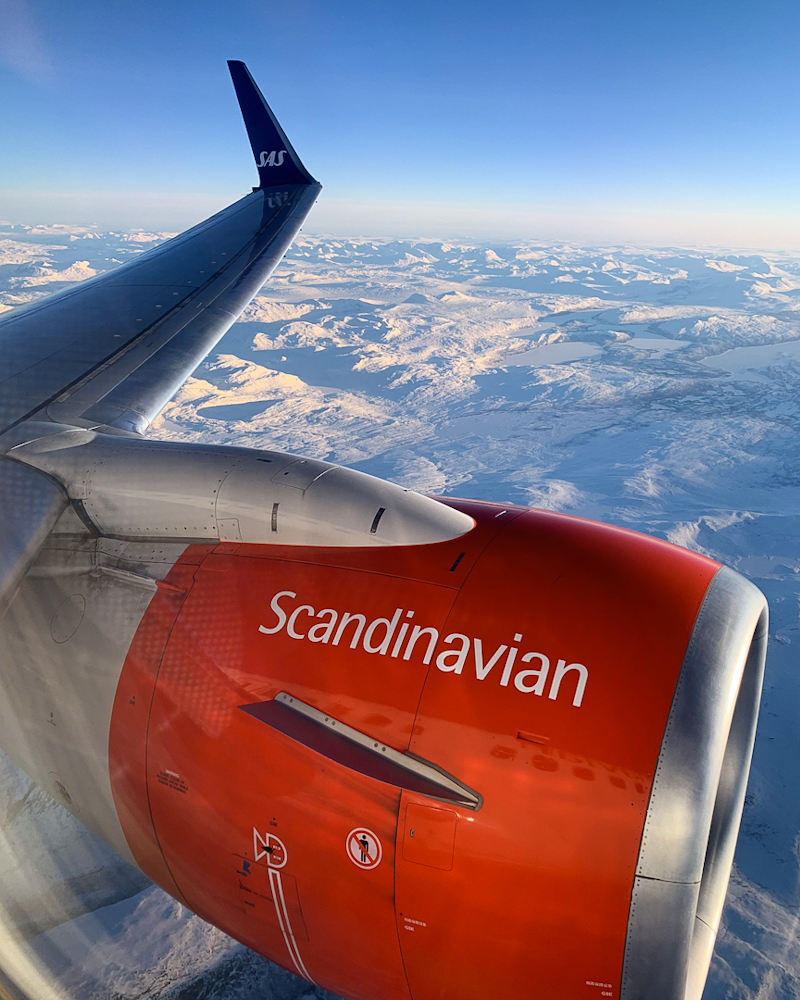
In line with the Scandinavian tradition of equality and openness, SAS also fosters a workplace culture rooted in inclusion and respect.
Recent updates to our uniform and appearance policies – including the introduction of gender-neutral uniforms, as well as the acceptance of visible tattoos, piercings, and sneakers – reflect our belief that individuality should be respected and celebrated. We want to create a culture where colleagues feel confident expressing their identity.

People are at the heart of everything we do, and by welcoming greater diversity of personal expression, we believe we become more relevant to the people and communities we serve.
Tourists are increasingly opting for Arctic destinations as “coolcations” take the world by storm. Why do you think the North is calling for so many tourists around the world?
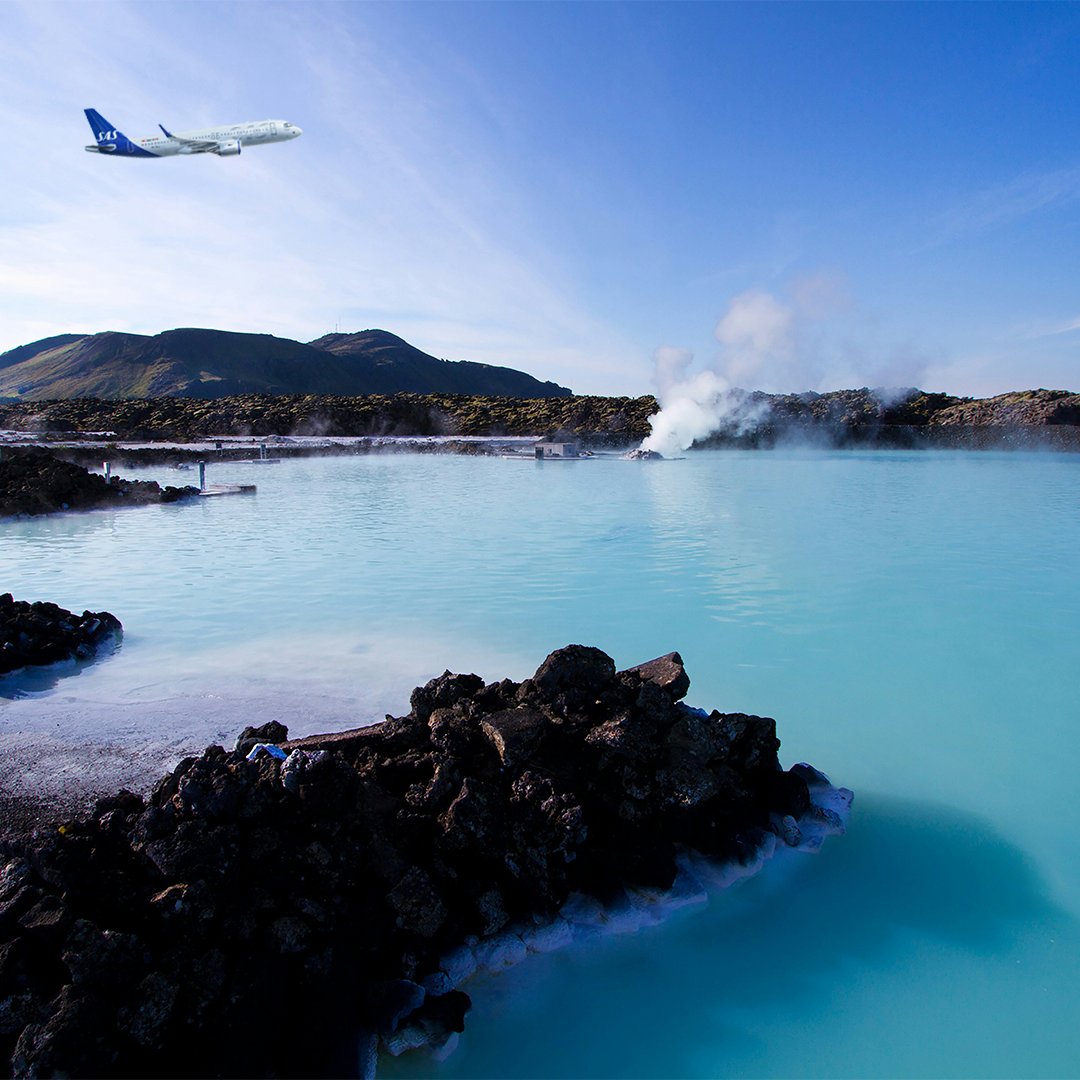
The Arctic and wider Scandinavian regions offer a distinct blend of natural beauty, seasonal contrasts, and a sense of both adventure and calm.
Areas like northern Norway, Svalbard, the Faroe Islands, and Swedish Lapland have seen growing interest, reflecting a broader shift toward sustainable and experience-driven travel.
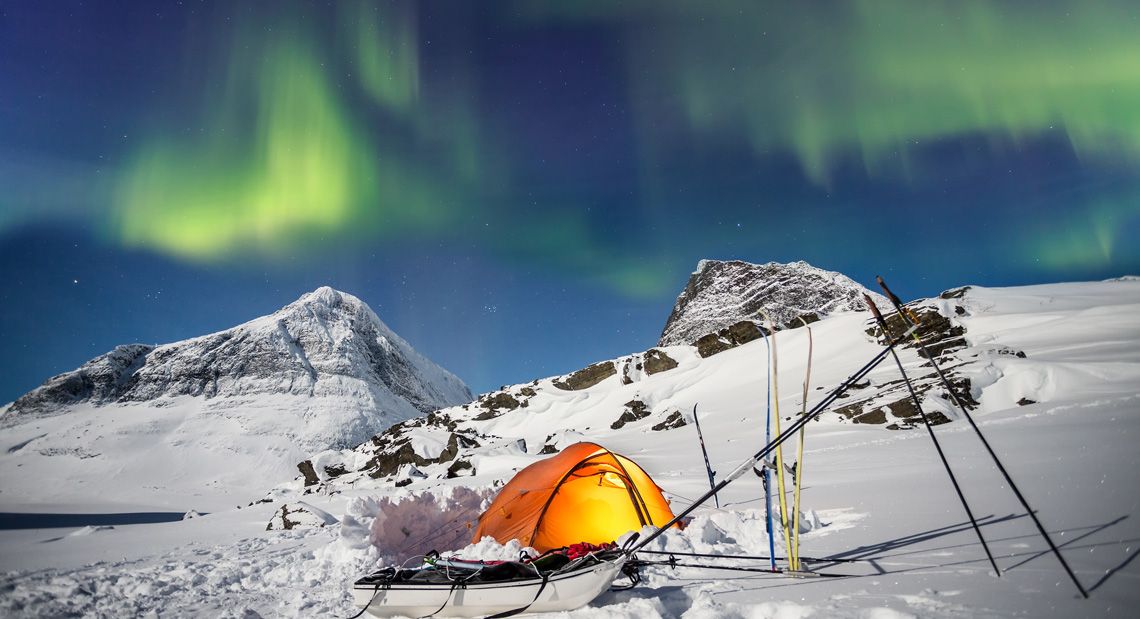
As more travelers look to cooler destinations for both comfort and climate-conscious reasons, the Scandinavian and Arctic regions provide not only physical space but also a sense of renewal.
Many are drawn to the region’s cultural values — simplicity, environmental awareness, and a close connection to nature — which aligns with a growing desire for more thoughtful and responsible travel.
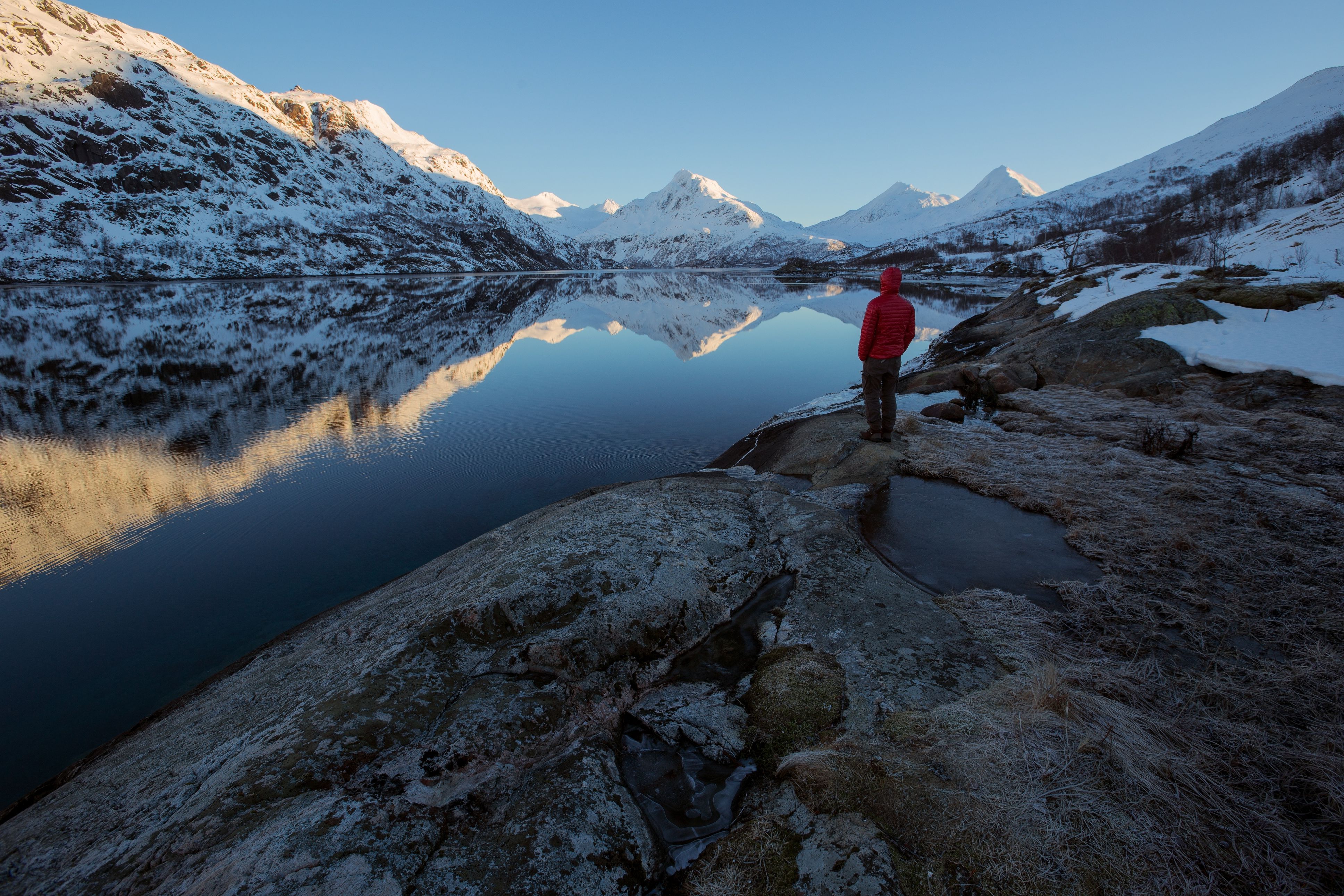
To support this interest, SAS continues to improve access to these destinations. In May, we’re opening a new route from Seattle to Copenhagen, and in June, a seasonal route from Copenhagen to Nuuk in Greenland.
What is the best part of flying with Scandinavian Airlines?
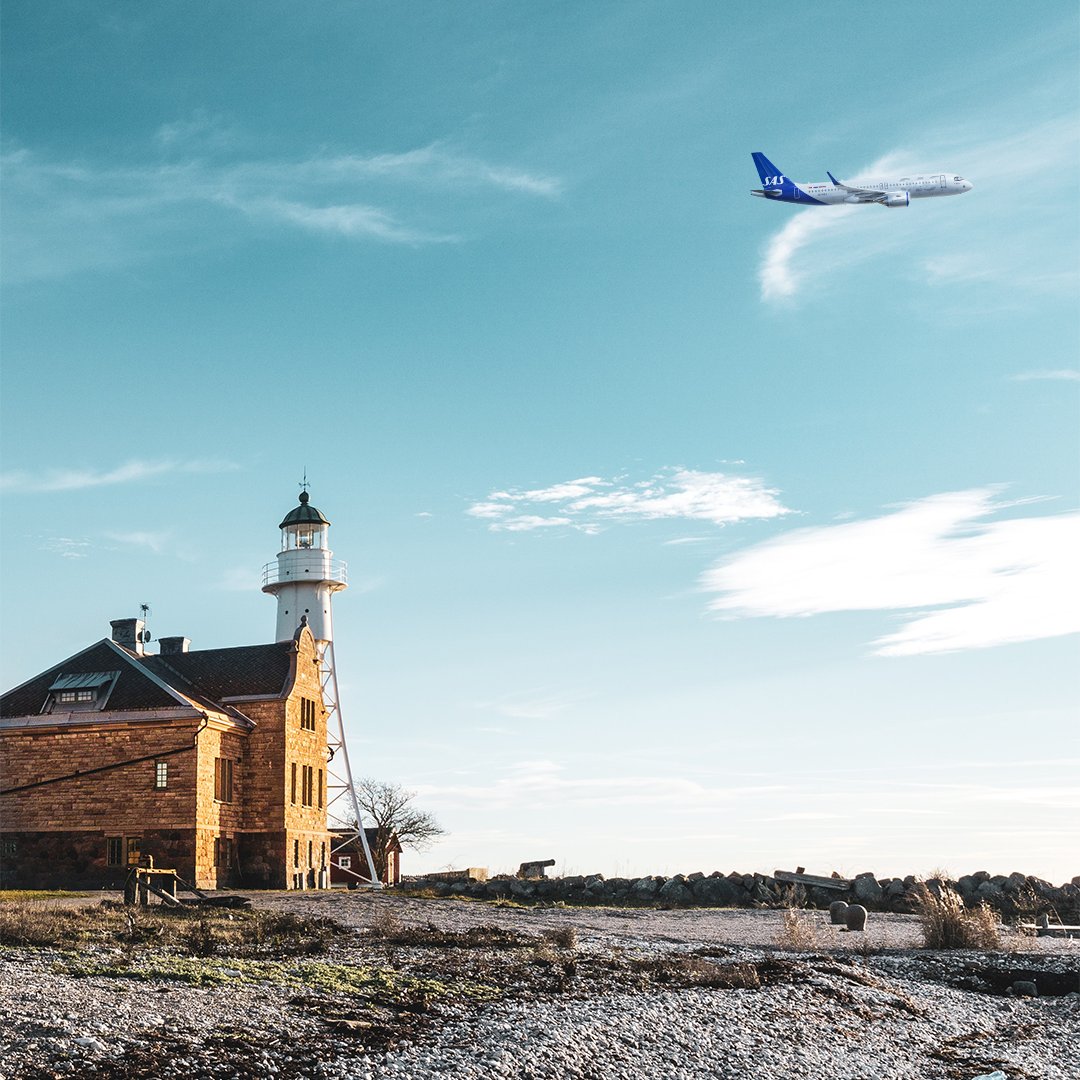
Flying with SAS offers travel experience grounded in Scandinavian values, with a focus on reliability, efficiency, and comfort. Known for strong on-time performance, SAS operates a modern, fuel-efficient fleet designed to support a smoother journey.
With Copenhagen as our global hub, travelers from the U.S. benefit from easy connections to key destinations in Stockholm, Oslo, and across Europe and Asia.

The network is designed to support some of the most efficient and convenient transatlantic connections, making it easier for passengers to get where they need to go — quickly and comfortably.
Where are three places in Scandinavia that you wish everyone could visit at least once in their lifetime?
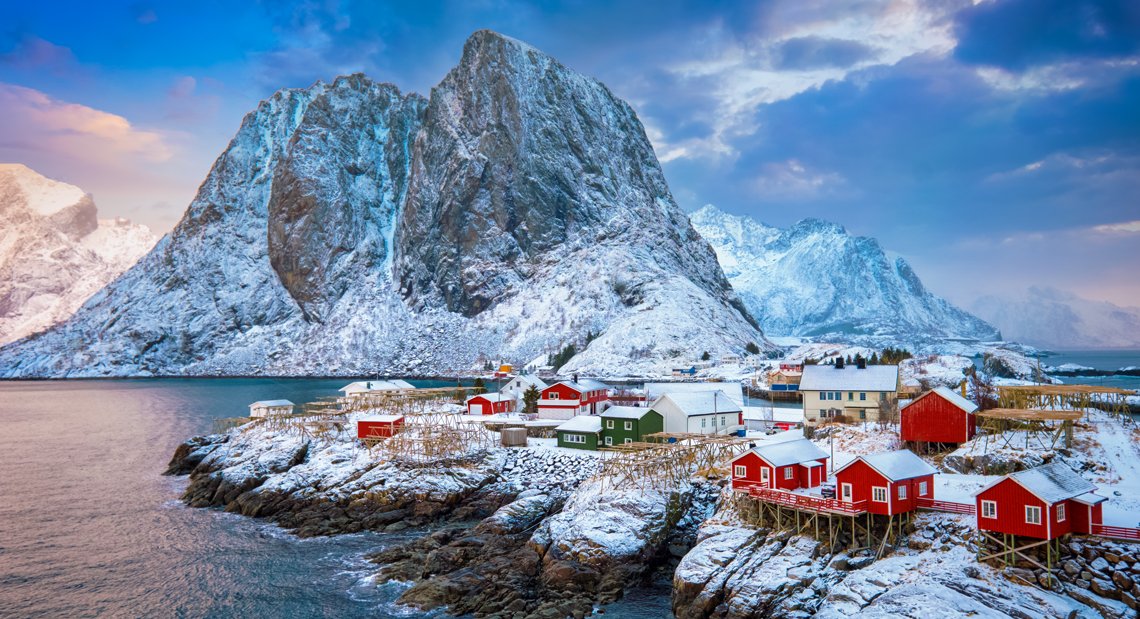
Lofoten Islands, Norway: famous for dramatic landscapes and northern lights
Stockholm Archipelago, Sweden: ideal for exploring thousands of islands and coastal culture
Møns Klint, Denmark’s white cliffs: one of Denmark’s most stunning natural sites, perfect for hiking, fossil hunting, and gazing out over endless sea views
Where is a place that you’ve been to that’s made you feel the closest to nature?
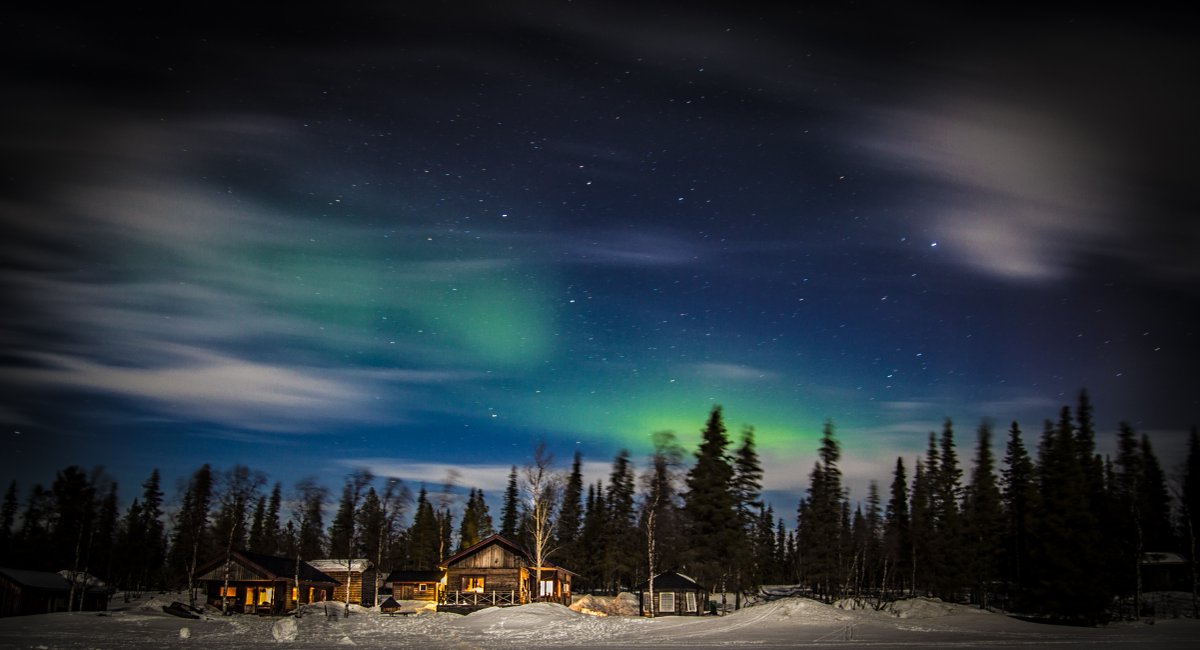
Kiruna, in Northern Sweden, is a place where nature plays a central role in everyday life.
Situated above the Arctic Circle, it’s known for its wide-open landscapes, quiet surroundings, and striking seasonal contrasts — from the soft light of the midnight sun in summer to the northern lights that brighten the winter skies.
What are some of your favorite things about Scandinavia?
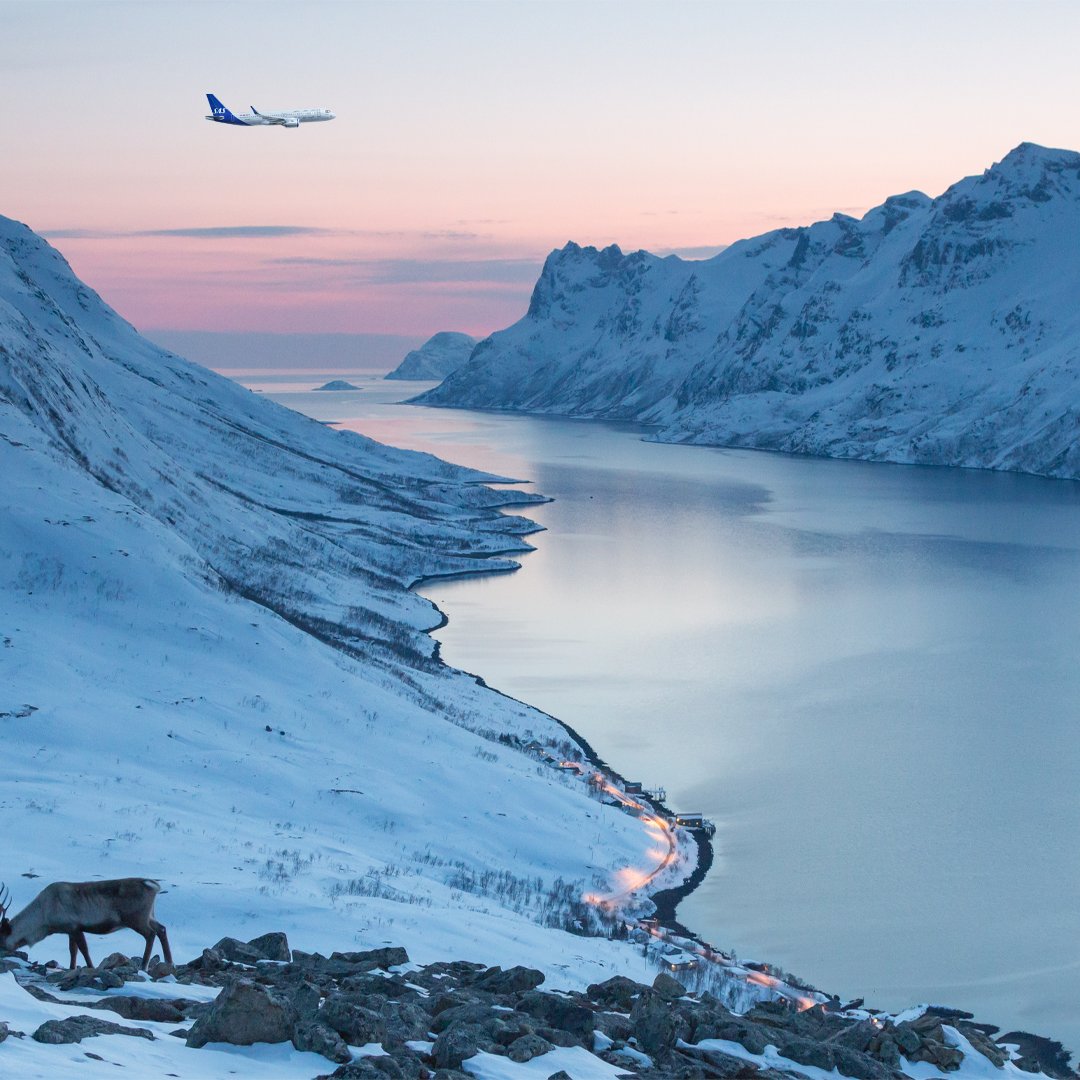
Scandinavia is known for its close connection to nature, clean design, and a way of life that
values balance, equality, and well-being.
The rhythm of the seasons shapes everyday routines — from bright summer nights to the stillness of winter — and cities reflect a blend of modern architecture and rich history, all set against a backdrop of forests, coastlines, and lakes.

Simple, thoughtful traditions like fika in Sweden or hygge in Denmark reflect a regional appreciation for slowing down, enjoying the moment, and connecting with others.
Access to nature, clean air, and a shared focus on sustainability are important parts of everyday life.
It’s a region that many find calming and inspiring — a place where creativity and curiosity thrive. That spirit is part of what makes it so special to live in, visit, or share with others.

Not surprisingly, the Scandinavian countries often rank high in global well-being and happiness surveys.
Do you have any reading recommendations for our readers?
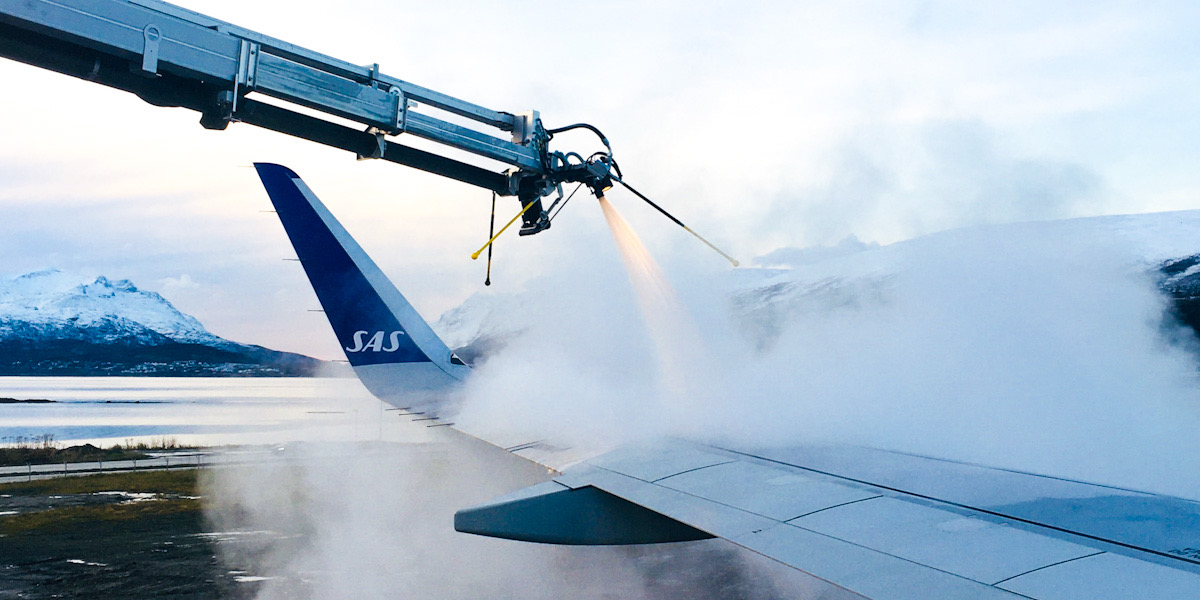
These books give a fun insight into Danish and Swedish life:
The Year of Living Danishly by Helen Russell
Lagom: The Swedish Art of Balanced Living by Linnea Dunne
What’s your vision for the future of Scandinavian Airlines?

At SAS, we’re taking steady steps toward a more sustainable future for aviation — from reducing food waste and flying more efficient aircraft to supporting the development of sustainable aviation fuel through partnerships.
At the same time, we’re working to make the travel experience smoother and more intuitive, with improved digital tools, thoughtful service, and better connections between Scandinavia and the rest of the world.
With Copenhagen as our central hub, we continue to expand our global network while staying true to the Scandinavian values of trust, simplicity, and care.
 Blinter Magazine