

By Teo Jaworski
Whales, the majestic leviathans of the sea, are among the most captivating creatures in the natural world. Their immense size, complex social behaviors, and haunting songs have intrigued humans for centuries.
Yet one of the most fascinating aspects of whales is their lifespan.
Some species of whales can live for over 200 years, making them some of the longest-living animals on Earth. This extraordinary longevity has profound implications not only for their species but also for the broader marine environment.
The mystery of whale longevity
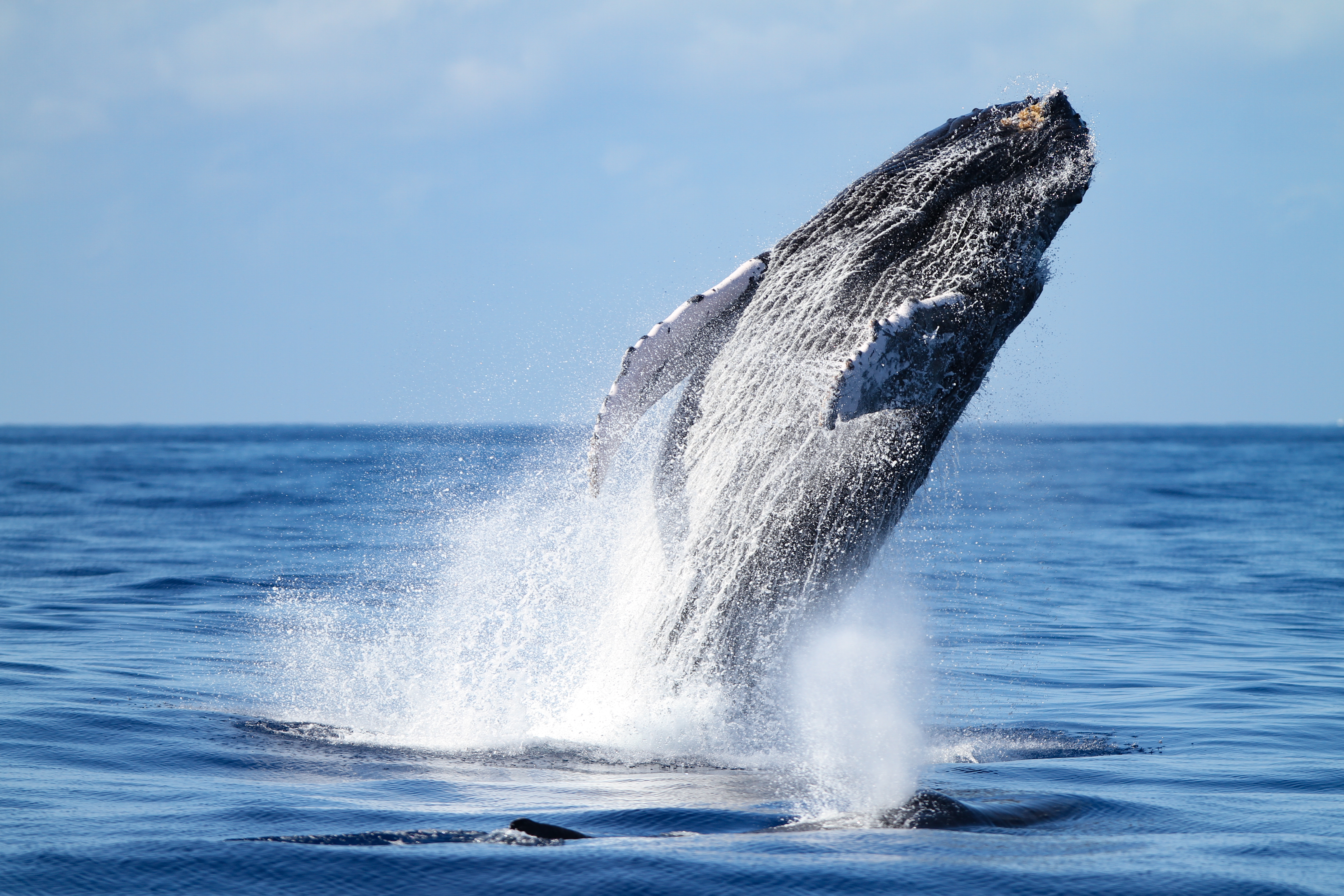
The lifespan of whales varies significantly among species. For example, humpback whales typically live around 45 to 50 years, blue whales can live up to 90 years, and bowhead whales can exceed two centuries.
Scientists have uncovered pieces of this puzzle using innovative methods such as analyzing the layers of wax in a whale’s earplug, studying amino acid racemization in eye lenses, and examining genetic markers associated with aging.
One of the most astonishing discoveries came from the bowhead whale. In 2007, researchers found an old harpoon embedded in the whale that dated back to the 1880s. This physical evidence confirmed that some individuals have been swimming through Arctic waters since the 19th century.
The genetic resilience and slow-aging processes of bowhead whales are now the subject of extensive research, with the hope that understanding these mechanisms might unlock secrets applicable to human medicine and aging.
Environmental role of long-lived whales
Whales are not just passive inhabitants of the ocean; they are active agents of ecological balance. Their long lives amplify this role, allowing individual whales to contribute to environmental health across generations. Their presence in marine ecosystems supports biodiversity, nutrient cycling, and even climate regulation.
Whale falls and deep-sea ecosystems
When a whale dies, its body eventually sinks to the ocean floor, creating what scientists call a “whale fall.”
These carcasses become oases of life in the deep sea, supporting complex communities of organisms for decades. Crabs, worms, fish, and bacteria all benefit from this rich, localized resource. The longer a whale lives, the more biomass it accumulates, enhancing the eventual impact of its death on the ocean floor.
Whale poo and phytoplankton blooms
Perhaps less glamorously but equally importantly, whale excrement plays a vital role in marine nutrient cycles. Whale feces are rich in iron and nitrogen, which are essential nutrients for phytoplankton—microscopic plants that form the foundation of the marine food web and are crucial for carbon sequestration.
Long-lived whales continuously fertilize surface waters throughout their lives, promoting the growth of phytoplankton, which absorb carbon dioxide and produce oxygen.
Carbon sequestration and climate impact
Whales themselves act as carbon sinks. As they consume prey and grow, whales accumulate significant amounts of CO2 in their bodies.
When they die and sink to the ocean floor, this carbon is effectively removed from the atmospheric cycle for centuries. A long-living whale thus stores more carbon over its lifetime, which contributes to long-term climate regulation.
Challenges to whale longevity
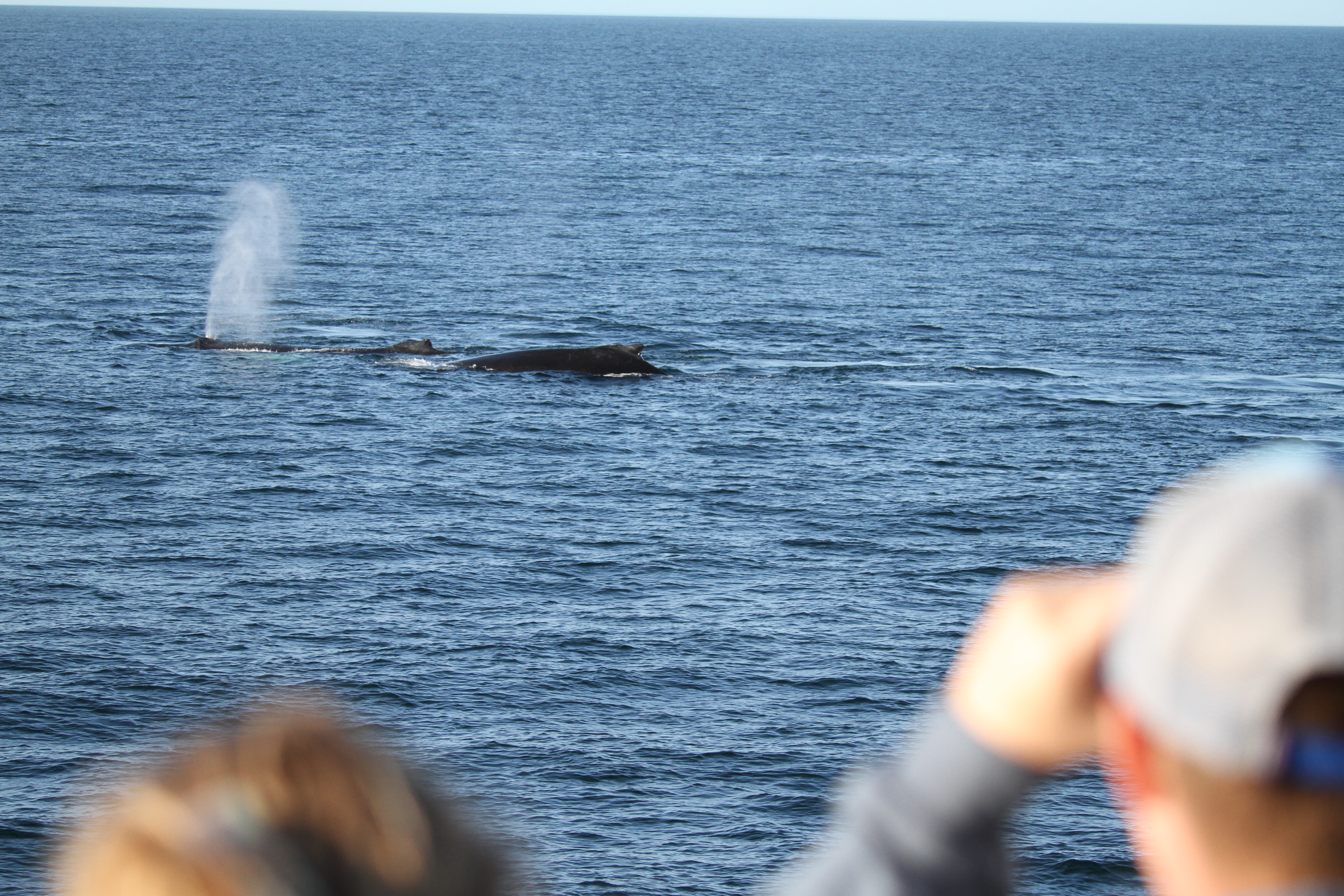
Despite their biological potential for longevity, whales face numerous threats that can shorten their lifespans.
Commercial whaling in the 19th and 20th centuries drastically reduced global whale populations and removed older individuals from the gene pool. Today, modern threats include ship strikes, entanglement in fishing gear, ocean noise pollution, and climate change.
Noise from ships and underwater drilling disrupts whale communication, which is vital for navigation, mating, and social bonding. Changes in sea temperature and ice coverage affect the availability of krill and other prey, forcing whales to adapt or starve.
Pollutants such as mercury and microplastics accumulate in whale tissues over time, potentially undermining their health.
Efforts to conserve whale populations have gained momentum in recent decades through international bans on commercial whaling and the establishment of marine sanctuaries. Yet, the challenge remains in enforcing these regulations and addressing emerging threats like climate change and deep-sea mining.
A glimpse into evolution and intelligence

Whales’ long lives also offer an unparalleled window into the evolution of intelligence and social complexity in marine mammals.
Orcas, for instance, live in matriarchal societies where older females guide pods through complex migratory routes and hunting strategies. Female orcas can live well beyond their reproductive years, a trait known as menopause, which is extremely rare in the animal kingdom and suggests the value of elder knowledge within their communities.
Long-lived whales can accumulate experience and social learning that benefit not just individual survival but collective well-being. The intergenerational transfer of knowledge—whether in migratory routes, feeding grounds, or danger zones—enhances the resilience of whale populations.
This mirrors certain aspects of human society and highlights the intellectual and emotional sophistication of these marine giants.
Guardians of the Deep

The curiosity of a whale’s lifespan is more than a biological anomaly; it is a key to understanding the intricate web of life in our oceans.
Whales influence everything from microscopic plankton to global climate patterns. Their longevity magnifies their environmental impact, making their conservation not just a matter of animal welfare but a cornerstone of ecological sustainability.
By protecting whales, we are safeguarding vital processes that support life on Earth. Their survival intertwines with the health of our oceans and, ultimately, our planet. Understanding and respecting the lifespan of whales enriches our perspective on nature’s interconnectedness and reinforces our responsibility as stewards of the marine world.
 Blinter Magazine