
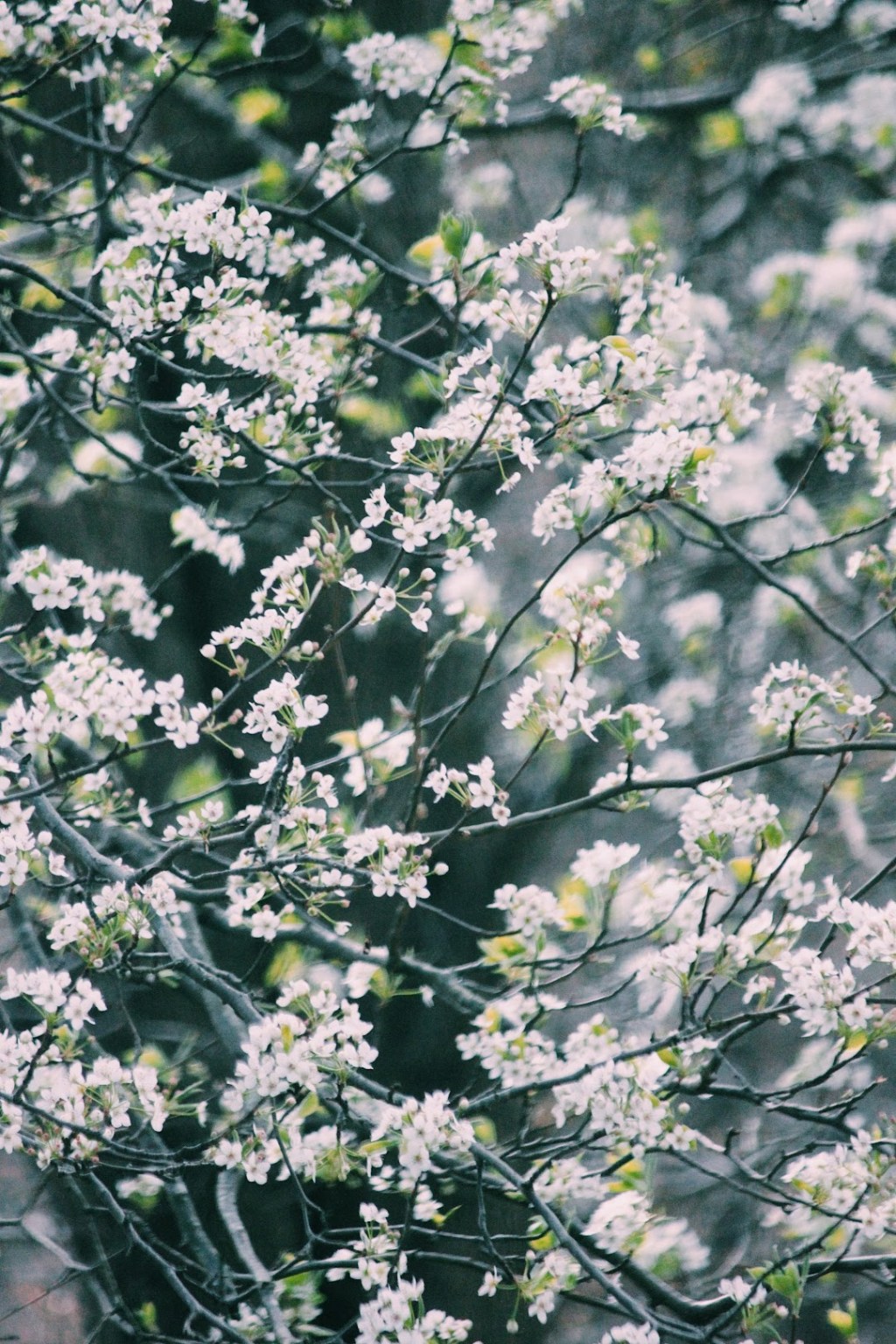
Each spring, as winter’s chill fades into memory, a quiet transformation begins: branches that were once bare burst into a delicate blush of pink and white.
Cherry blossom trees blanket the landscape in a soft, joyful celebration of rejuvenation. For a few precious weeks, people gather to see the beautiful mosaic of petals, symbolizing the start of spring.
For generations, cherry blossoms have brought together people of all ages, backgrounds, and walks of life. They remain an integral part of landmarks around the world, most notably in Japan and the Tidal Basin in Washington, D.C.
Their historical significance runs deep internationally, and they arguably remain one of the most iconic flowers in existence. And though their blooms last only a short while, their impact lingers long after the petals fall.
What are cherry blossoms?

Cherry blossoms, also known as sakura in Japanese, refer to the wide range of flower blossoms classified under the Prunus genus of trees. These trees are typically planted for ornamental purposes and are admired for their beauty.
Cherry blossoms can be challenging to classify into a single species due to mutations and various flower characteristics.
The flowers range in color, from white and pale pink to deeper, more vibrant pinks. In rare species like Ukon, the petals can appear yellow or creamy. In Gyoiko, they may even appear green.
The variance of cherry blossoms depends on location. In Japan, the origin of the cherry blossom tree, Yoshino cherry blossoms, are the most common. As of today, more than 430 species and their hybrids have been documented worldwide.
When do cherry blossoms bloom?
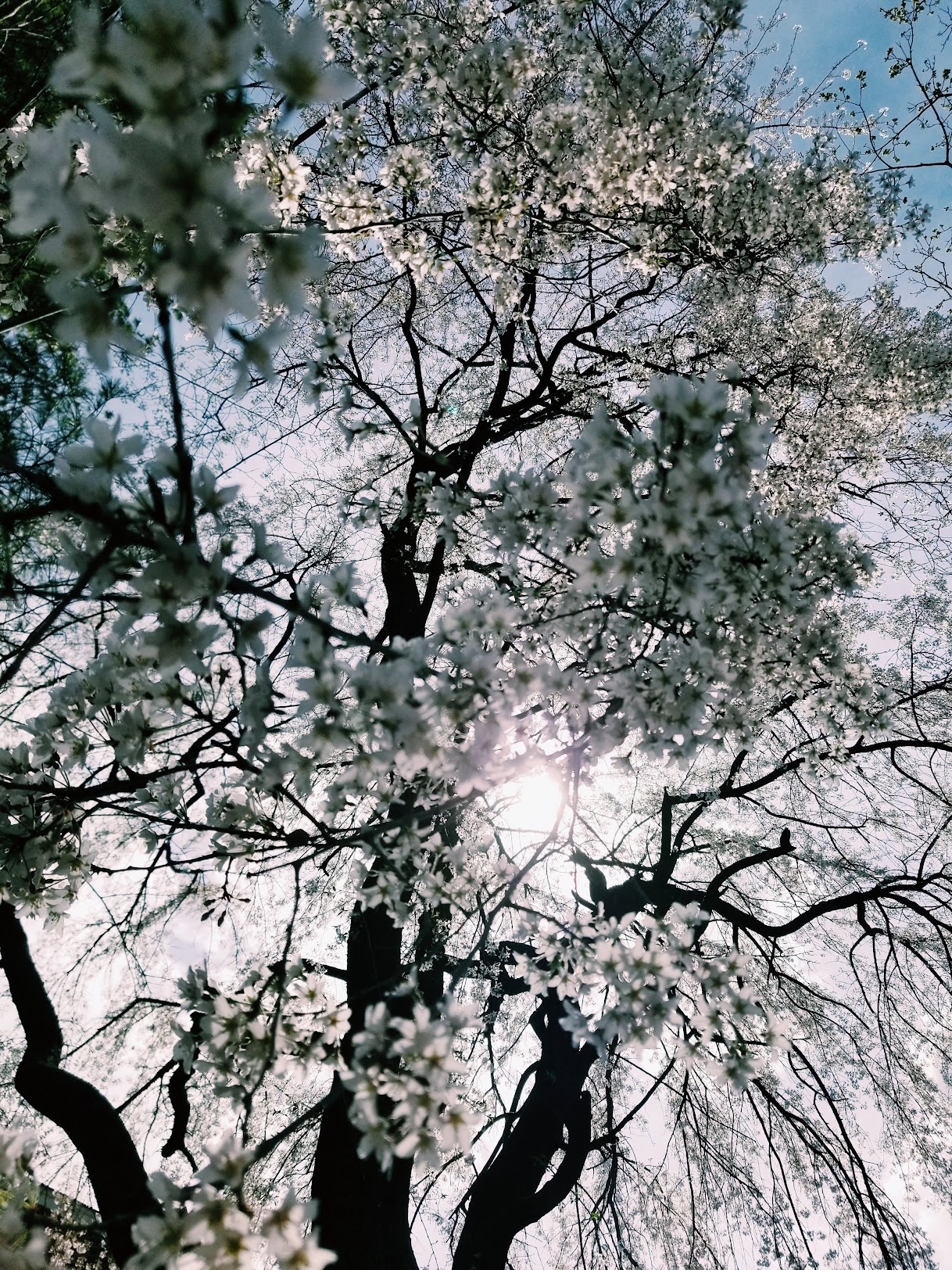
Historically, cherry blossoms are a predictable species when it comes to blooming. A tree’s peak bloom is defined as the time when 70% of the blossoms are open.
While bloom time can vary depending on weather, it most commonly occurs between late March and early April.
In warmer years, peak bloom has been recorded as early as March 15. In cooler years, it may be delayed until April 18. Today, with rising temperatures, earlier bloom times are becoming more common.
Even when in full bloom, cherry blossoms only stick around for a week or two. Rain, wind, or sudden cold snaps can cut the season short. Their fragility is part of the appeal, reminding us to savor what’s fleeting.
What do cherry blossoms symbolize?

In Japanese culture, cherry blossoms have long symbolized the fleeting nature of life. Though stunning, they bloom for only a short time, reminding people that beauty is temporary and must be appreciated in the moment.
The tree is often seen as representing both life and death, as well as beauty and impermanence. Some interpretations link cherry blossoms to the brief, honorable lives of samurai warriors.
Beyond historical symbolism, cherry blossoms are deeply ingrained in Japanese culture, from folklore and artwork to film and seasonal celebrations.
“It really brings me back to my country of origin… It brings me back to my family,” says Mari Nakahara, a Japanese American and author of Cherry Blossoms: Sakura Collections from the Library of Congress.
“But more than that, I am happy to see American people enjoying cherry blossoms, American people adoring cherry blossoms, and American people thinking of cherry blossoms as an icon of peace,” Nakahara says.
Similarly, during hanami, the Japanese custom of flower viewing, families picnic beneath the blossoms—a tradition that dates back over a thousand years to the Heian era. It’s not just about the flowers. It’s about being present.
In other parts of the world, different meanings take root. In Chinese culture, cherry blossoms are symbols of love and feminine strength, often linked to themes of passion and empowerment. Across cultures, their appearance signals a time to reflect, renew, and reconnect with nature and one another.
The meaning of cherry blossoms continues to evolve and remains open to interpretation. Each individual can take away something different from their beauty and natural elements, making them even more unique.
What makes cherry blossoms special?

Cherry blossoms seem to capture attention like no other tree. In a sea of greenery, they rise to the occasion—bold petals popping against blue skies.
“There’s just something about a cherry tree in full flower that is just breathtaking to see. There are thousands and thousands of flowers on an individual tree… It’s just something magical about seeing that,” says Anthony Aiello, associate director of collections at Longwood Gardens.
“They’re sort of overwhelming with how beautiful they are,” Aiello continues.
In particular, the Yoshino variety is renowned for its abundant blooms during peak season. Each blossom typically has five petals, while the pink double blossoms of ‘Kanzan’ have as many as 28 petals each.
So, depending on the age, variation, and petal number on the cherry blossom tree, it can result in a massive number of petals scattered across the tree, creating the striking cloud-like display that is so iconic.
Although many other flowering trees are beautiful during the springtime, the sheer amount of petals on a cherry tree creates an immense illusion of fulfillment and richness. Due to the abundance of petals, seeing a cherry blossom tree in full bloom is an experience unlike any other. It’s no wonder people associate them with joy, renewal, and the arrival of a new season.
Where can you see cherry blossoms?

Cherry blossoms have been cultivated in Japan for centuries, but they only reached the United States in the past 100 years or so.
Aiello explains that the first wave of cherry blossoms in the U.S. arrived as a gift from Japan in 1912. Planted in Washington, D.C., the trees represented a growing friendship between the two nations.
These trees have stood the test of time, and D.C. has become a hub for blossom viewing. Today, the city hosts the annual National Cherry Blossom Festival, welcoming more than 1.6 million people each spring.
In addition to D.C., major cities such as New York, San Francisco, Newark, Virginia Beach, and Philadelphia host their own cherry blossom festivals.
Regardless of where the trees are planted, they remain a special sight to see. Their beauty draws crowds not just for the blooms, but for the sense of peace, renewal, and shared experience they bring each spring.
Why do cherry blossoms matter today?
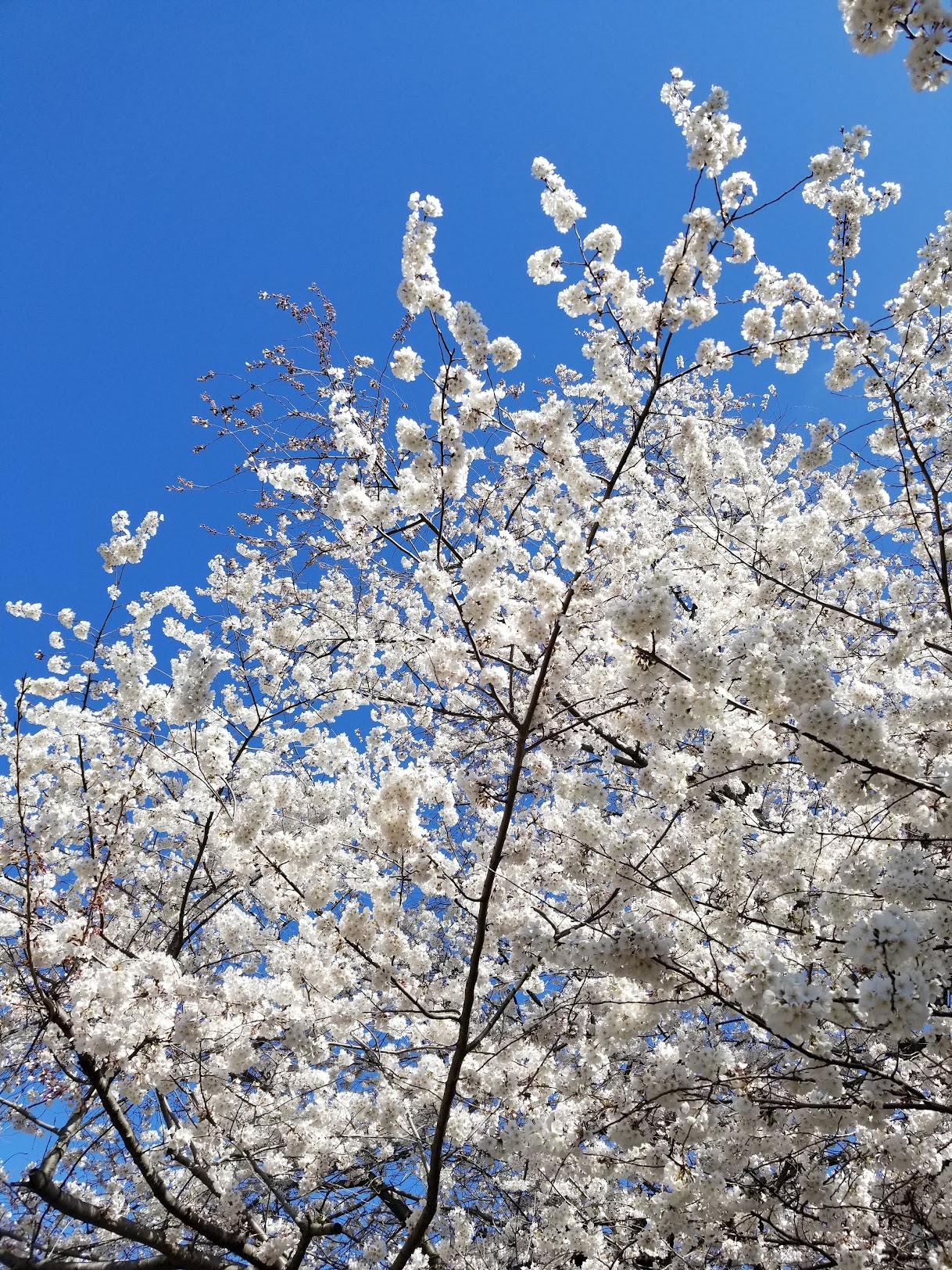
Cherry blossoms remind us of how quickly things can change—and how beautiful those changes can be. In a world that often moves too fast, they ask us to pause, breathe, and witness something fleeting and magnificent.
Whether it’s your first blossom season or your fiftieth, the wonder of watching a cherry blossom tree bloom never fades.
 Blinter Magazine