

By Nate Smith
Last year, I was lucky enough to experience the total solar eclipse in Burlington, Vermont.
The small city was bustling, and people were excited to see the world fade to black and to see the sun as a bright white halo. It was a magical experience. As the sky darkened and the temperature cooled, I noticed the city lamps automatically turned on. At the time, it wasn’t a big deal (my eyes glued to the eclipse), but it was after the fact.
I was looking at the photos I had taken of my darkened afternoon, and I saw just how much the lamps distracted my eyes as the brightest thing in the sky.
This experience had me thinking about how much light there is in even a small city like Burlington, Vermont (with a population of around 45,000 people); how every night the streets were lit up, and the dark sky is lost in the city lights.
Being able to experience the night sky in all its splendor is something that takes my breath away every time. I mean, to see the stars that make up the Milky Way is something I will never get sick of. So imagine my surprise when I learned that not only were other people thinking this while they looked up into the night sky, but also that there is a tourism industry directly linked to the night sky!
Dark sky tourism is on the up and up. People seem to be looking to get the most out of their night skies, after the sun sets and the stars are shining their fullest. To understand Dark Sky Tourism, it is first important to understand what it is, and more importantly, the best places to view it.
What is Dark Sky Tourism?
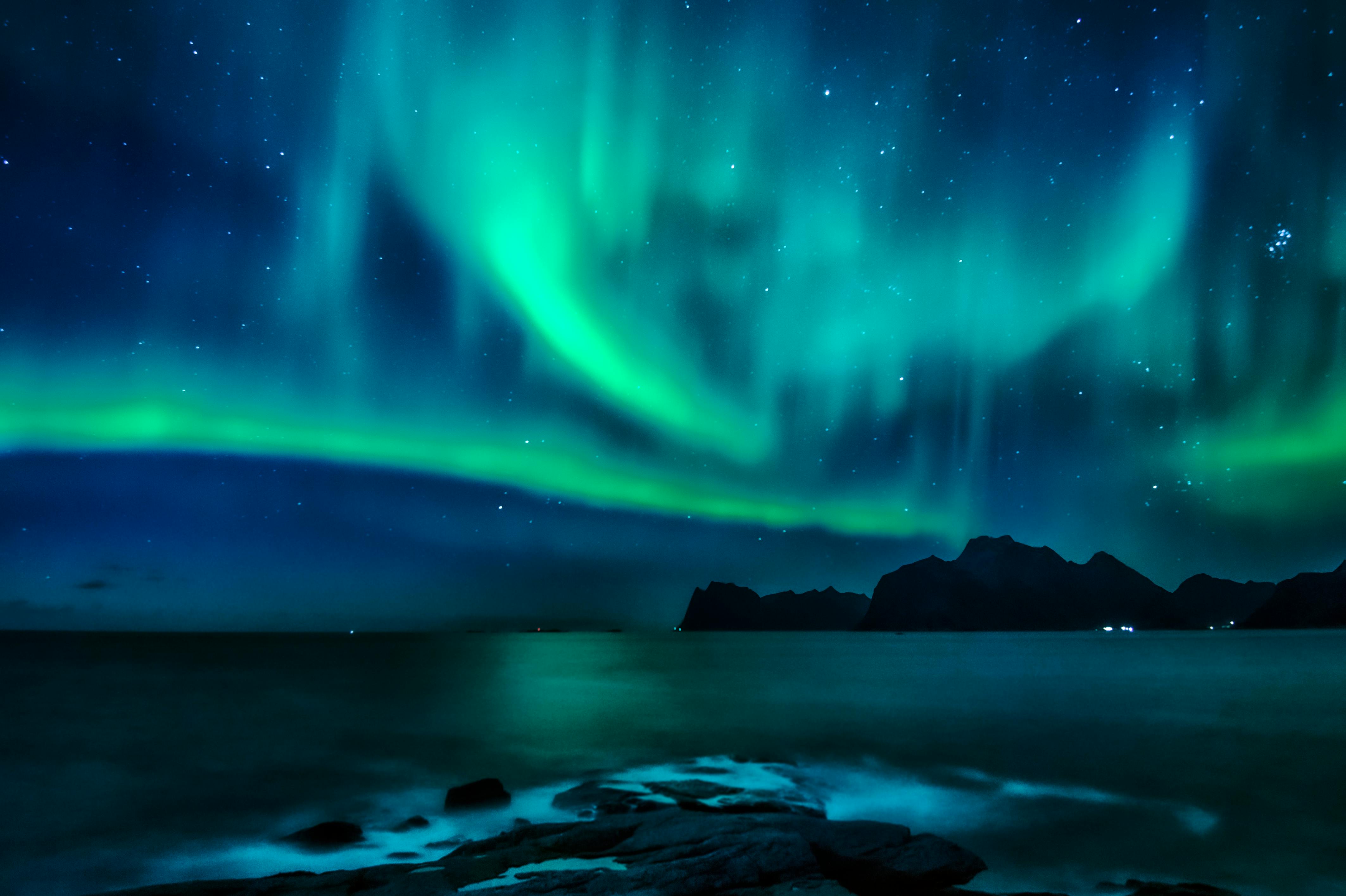
Simply put, dark sky tourism is traveling and experiencing all the night sky has to offer with limited light pollution. So we know that Dark Sky Tourism is so much more than stargazing or connecting the dots of constellations.
But why is it on the up and up in 2025? This was a question I felt needed a professional opinion. Enter Neen James, a luxury travel expert with a focus on trending tourism.
“Today’s luxury has evolved from possessions to experiences,” James says.
“Travelers today want to create memories for a lifetime they can share with those they love; dark sky tourism provides that,” she continues. “The appeal is simple: witnessing celestial wonders—eclipses, Northern Lights, or stars in Montana or Australia without light pollution—represents luxury at its purest, creating unparalleled moments that transcend material wealth.”
The appeal of dark sky tourism boils down to one thing: accessibility.
There are no lines to wait in, no fees, simply wait until the sun goes down and observe what the night sky has to offer. It can be as easy as going out your front door, or staying inside and looking out your window.
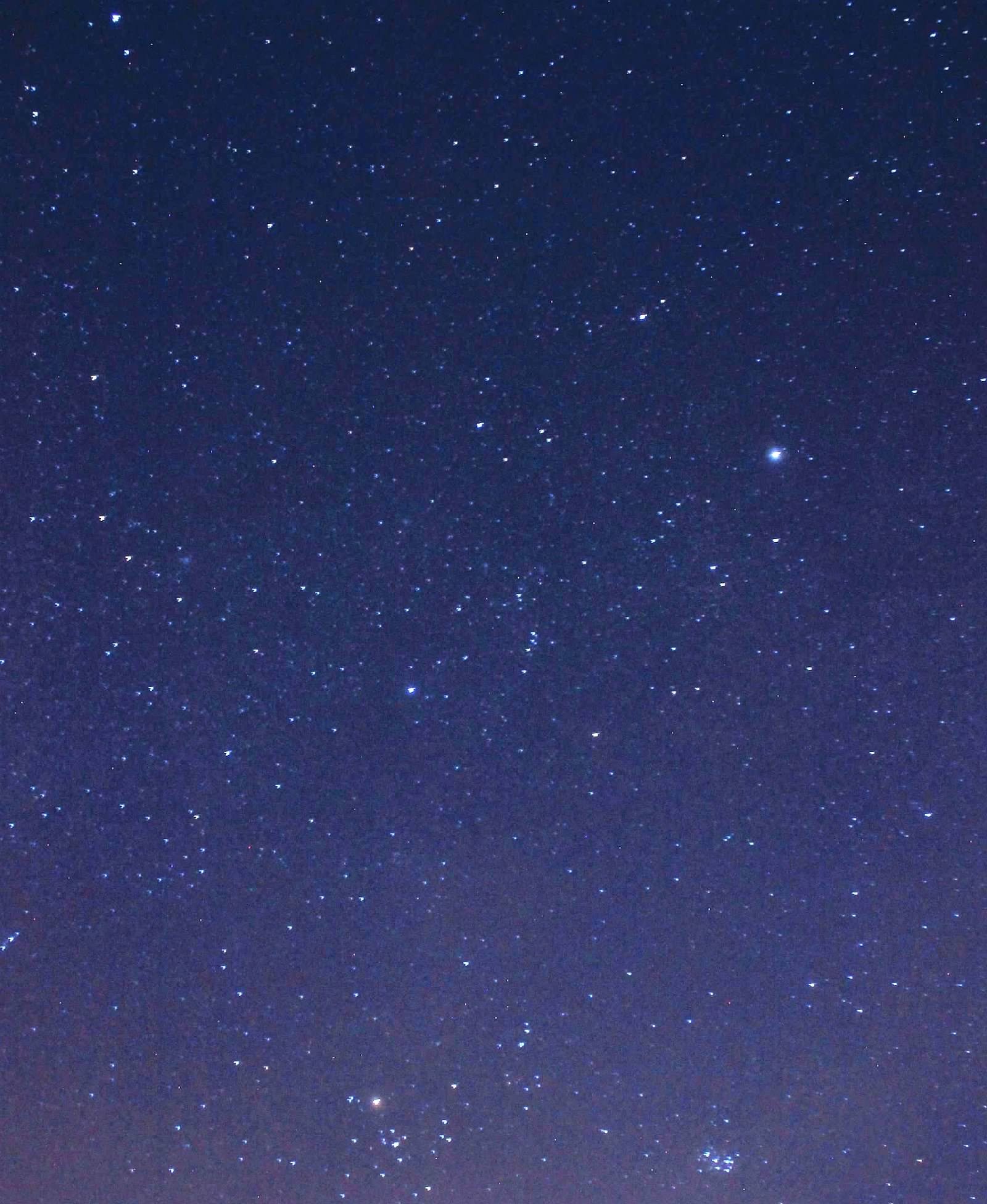
James highlights another aspect of what makes dark sky tourism so popular: the travel itself! I know when I travel, I want to make the most of my time. Days are spent filled to the brim, immersing myself in wherever I am.
But at night, other than dining or limited sightseeing, it can feel like the best thing to do is go to bed early and wait to see where I am in the light of a new day. Dark sky tourism flips this idea on its head; like experiencing new places, the sky in certain places can be drastically different than others.
But what are some places that can capitalize on dark sky tourism? What makes these places unique?
Some of the best (and worst) places to experience the night sky
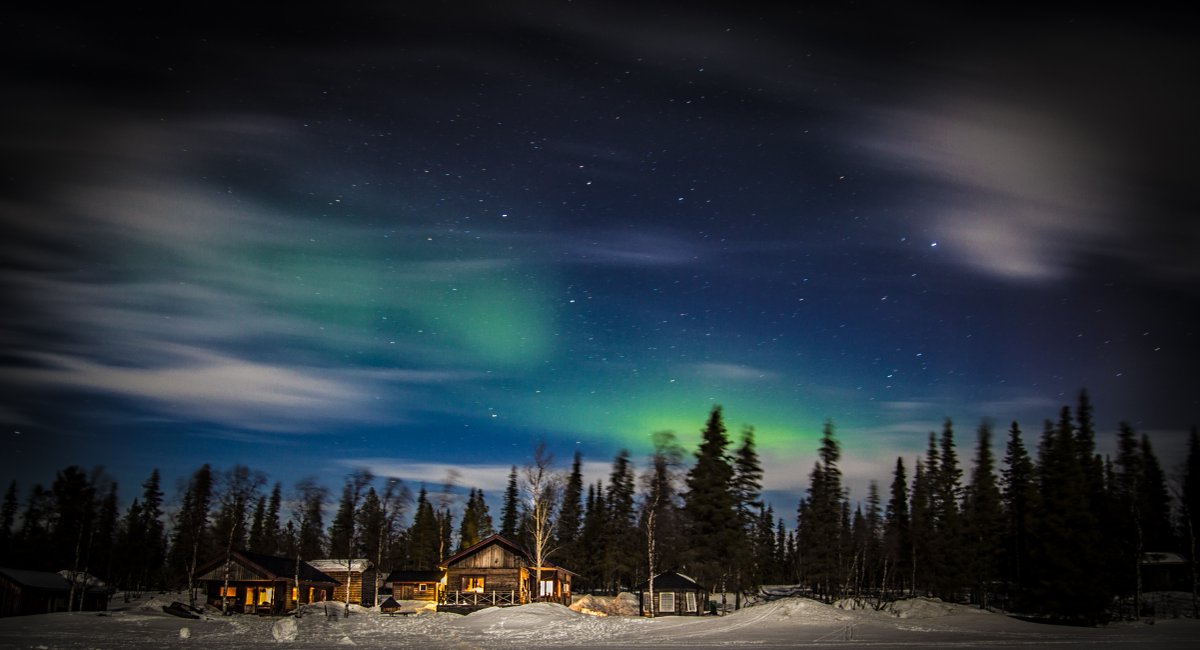
The best places for dark sky tourism are places where, to put it dimly, dark! But with around 55% of the population living in urban areas, it can be hard to get a hold of places that maximise darkness without the accessibility of travel.
With this in mind, some cities and places are better than others.
It can be as easy as looking outside your own window at night, but more remote places tend to have less light pollution because of the less amount of people living around.
To understand the best places to experience the night sky, we should first rule out some of the worst. Some of the places with the most light at night, or sky glow, include:
Tokyo, Japan
New York City, USA
Los Angeles, USA
London, United Kingdom
Shanghai, China
Moscow, Russia

While these cities are not ideal for experiencing a dark sky, they are hubs of culture and other areas of tourism. For our purposes of experiencing a starry night sky, we’re going to steer clear of them.
Many urban environments create excess sky glow that dampens the experience of a dark night sky. Some cities strike a balance of darkness where it is accessible to be surrounded by a city, but also possible to experience the night sky. Some of these cities include:
Reykjavik, Iceland
Yellowknife, Canada
Anchorage, USA
Nuuk, Greenland
Christchurch, New Zealand
The biggest trend when it comes to cities with very little light pollution is that most, if not all of these cities have strict light regulations and or natural preservation regulations that limit the amount of light at night. Another trend with cities with the least amount of light pollution is how many are nestled in the Arctic Circle.
Day and night in the Arctic Circle

While this can be a massive advantage for Dark Sky Tourism when it comes to experiencing the northern lights, it can also be a double-edged sword because polar day and polar night are big factors in the Arctic Circle.
Polar day (starting around the summer solstice, or June 21st, and ending around ) is when the sun is continuously shining during the whole 24-hour day cycle. If you are planning a trek to Reykjavik, Iceland, to gawk at the northern lights, be sure to plan for polar day, or be ready to experience the lovely sunshine for the full 24-hour day cycle!
Polar night is the opposite of polar day. Occurring around the winter solstice (December 21st), polar night is not explicitly a blackout. There is some sun, but a meager amount, you might associate with the very end of a sunset. This would be the time to capitalize on a dark sky trip to the Arctic Circle to experience all the winter night has to offer.
The wonder of the night sky
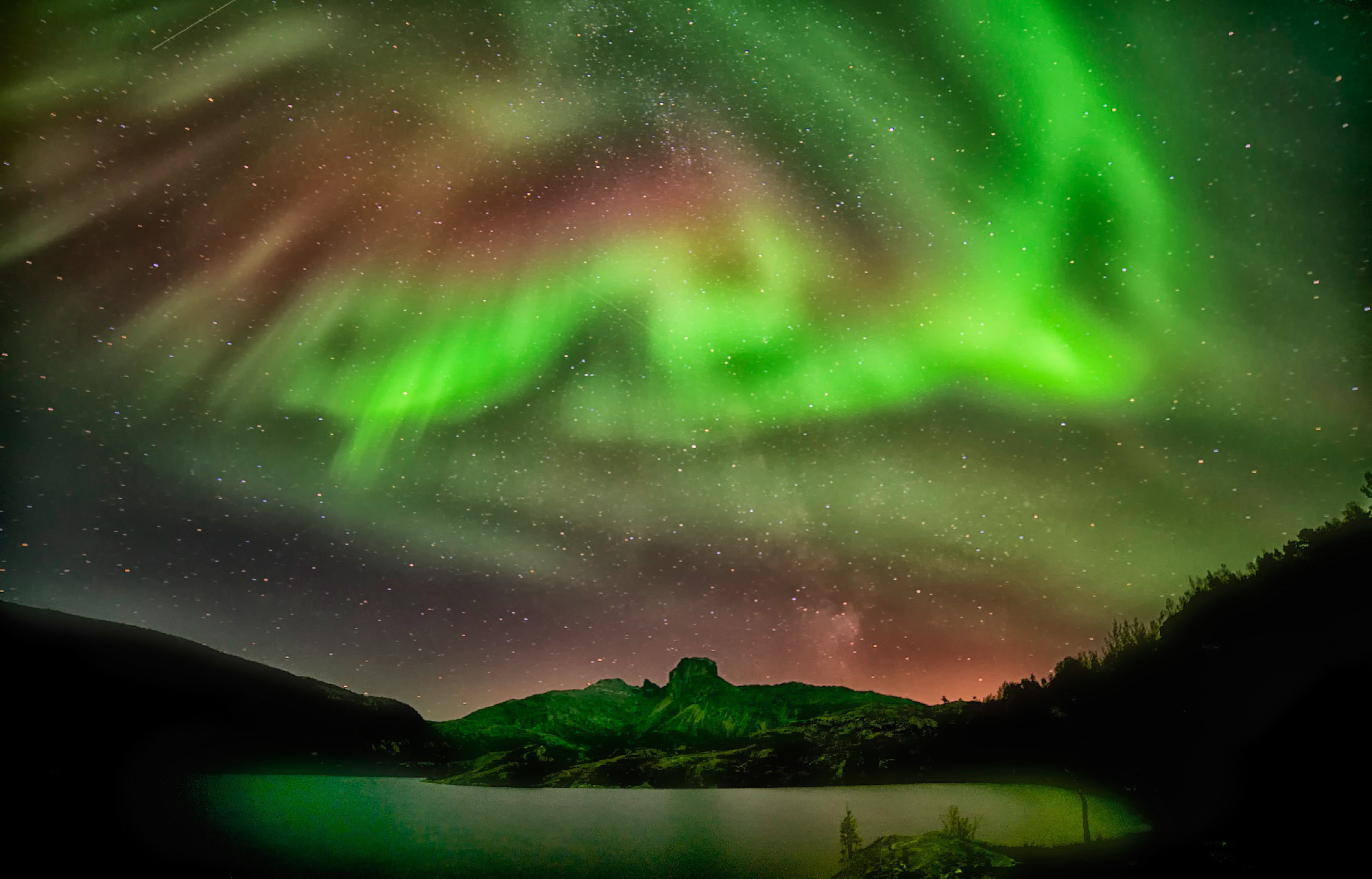
As the weather is slowly starting to become warmer, and the days are gradually getting shorter, I have found myself almost missing the long, dark evenings.
Let me be clear, the long New England winter wore me down, but recently moving to a fairly remote part of New Hampshire has given me a vast appreciation for the night sky. This allure of the night is what drives people to seek out amazing, dark, and remote places.
Lesser light usually correlates to fewer people. This sweet spot of remoteness to darkness ratio is a key aspect to Dark Sky Tourism, but not the only aspect. As stated before, many cities are fairly accessible to travel to and also have wonderfully dark nights.
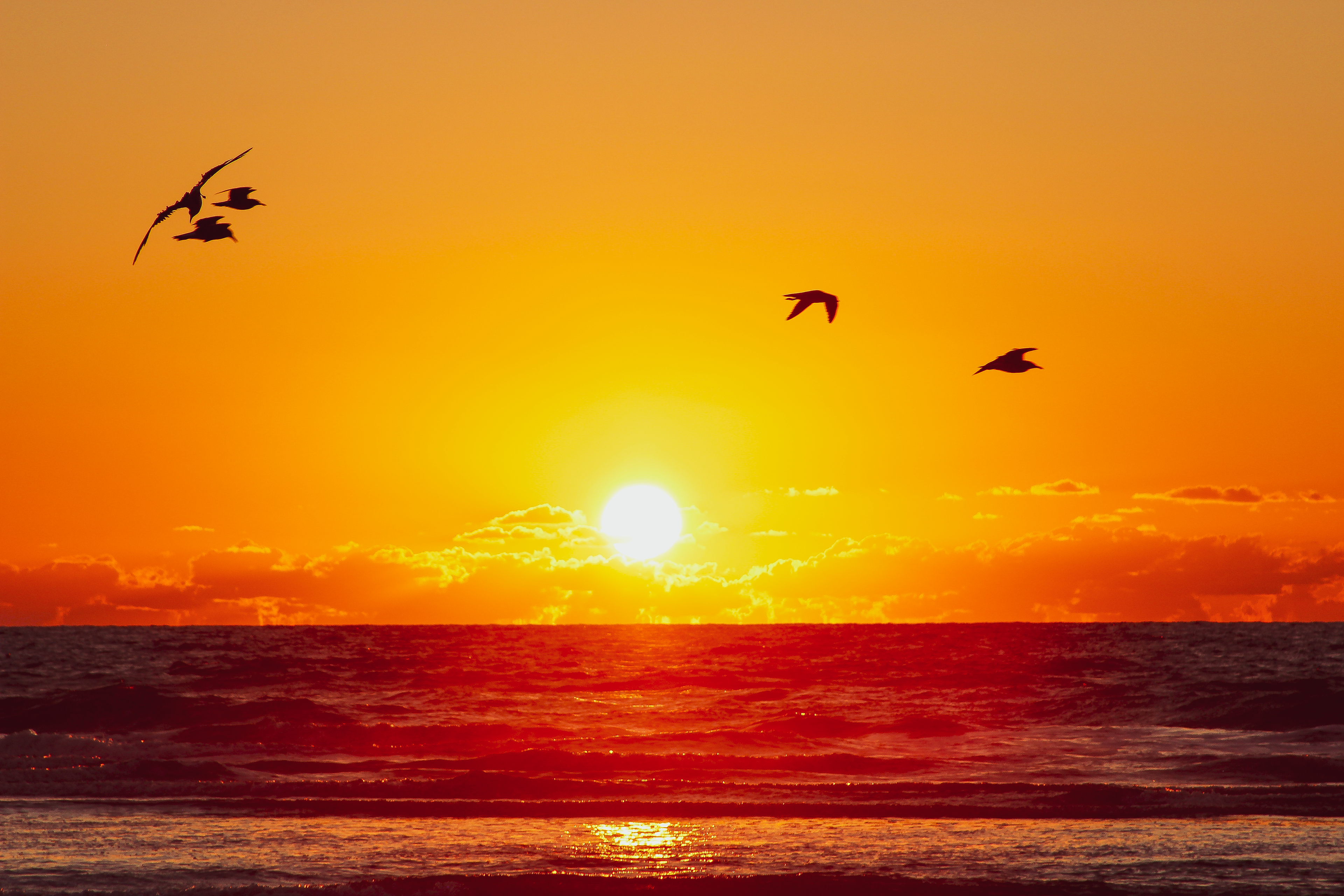
What draws many to the fascination of the night sky is just how omnipresent it is, and will be.
The lightbulb was invented in 1880, so before that, the night sky was more or less the same for everyone and everything on Earth. With that context, the explosion of light sources stemming from the light bulb (thanks, Thomas Edison) was a revolution in productivity. But with this cornerstone of civilization and society, obviously made the night sky is a bit harder to take in.
It has only been recently that people have looked back to before the lightbulb and thought about just how beautiful the night sky can be.

As I write this, the sun is setting. The sky is clear, and the vibrant orange hues of the day are melting into stark violets and darker blues of night. I am extremely lucky to live in a place with very limited light around me. In a few hours, the stars that humans have experienced since the dawn of civilization and will continue to experience will soon light up. There are so many places, and even people, that take this for granted.
Next time you find yourself staring up into the night or planning a vacation, think about that.
 Blinter Magazine