
The fashion industry is at a crossroads.
Now defined by rapid trend cycles and mass production, it has long been one of the most environmentally damaging industries. The numbers are staggering: the fashion industry accounts for 2-8% of global carbon emissions and is the second-largest consumer of water. The equivalent of one garbage truck of textiles is wasted every second, and over 92 million tonnes of textile waste end up in landfills annually.
With climate change accelerating and consumer awareness at an all-time high. Brands can no longer afford to ignore sustainability. Eco-conscious shoppers, particularly Millennials and Gen Z, are demanding more than just trendy designs—they want ethical sourcing, sustainable materials, and transparency in production. Fashion giants and independent designers alike are now rethinking their supply chains, materials, and production methods to align with these values.
From mushroom leather to bioengineered fabrics to the slow fashion movement, sustainability is reshaping the fashion industry, and both brands and consumers are leading this change.
The rise of sustainable materials: Rethinking what we wear
One of the biggest innovations driving sustainable fashion is the development of new, eco-friendly materials.
Traditional textiles like cotton and synthetic fibers have devastating environmental costs. For example, producing just one cotton t-shirt requires around 2,700 liters of water, equivalent to what one person drinks over 2.5 years. Meanwhile, synthetic fibers, found in nearly 60% of clothing, are made from fossil-fuel-derived resources and contribute to microplastic pollution every time it’s washed.
In response, scientists and designers are pioneering next-generation materials that reduce waste, pollution, and animal cruelty. Some of the most exciting developments include:
- Mushroom Leather (Mycelium-based Leather) – Traditional leather production is resource-intensive. Mycelium-based leather, such as Mylo by Bolt Threads, offers a biodegradable and cruelty-free alternative made from fungi. Luxury brands like Stella McCartney and Hermès have already started incorporating it into their designs.
- Recycled Ocean Plastics – Brands like Adidas, Allbirds, and Patagonia are turning plastic waste into high-performance materials. Adidas’ Parley for the Oceans initiative, for example, transforms plastic pollution from the ocean into sneakers and swimwear, reducing reliance on virgin synthetic fibers.
- Bioengineered Fabrics – Lab-grown silk, such as Spiber’s Brewed Protein, mimics natural silk without the need for silkworm farming. Meanwhile, algae-based textiles, such as AlgiKnit, provide biodegradable alternatives to synthetic fibers. These innovations reduce environmental harm while maintaining performance and durability.
- Bananatex – Crafted from the fibers of the Abacá banana plant, Bananatex presents a durable and biodegradable fabric option. Grown in the Philippines, the cultivation of Abacá supports sustainable forestry projects, making Bananatex both an eco-friendly and socially responsible choice.
These innovations are not just theoretical; major brands are actively incorporating them into their products. For instance, Adidas collaborated with AMSilk to produce a biodegradable running shoe using Biosteel, a lightweight material made from recombinant spider silk. This innovation demonstrates how science and sustainability can work together to create cutting-edge yet environmentally responsible fashion.
Fast fashion vs. slow fashion: A growing divide

At the heart of this sustainability conversation is the division between fast and slow fashion. Fast fashion giants like Zara, H&M, Uniqlo, and ultra-fast fashion e-commerce giants like Shein and Temu churn out massive quantities of low-cost clothing designed to last only a few wears before being discarded. Shein, for instance, releases up to 10,000 new styles per day, an unsustainable rate that contributes to textile waste and labor exploitation.
Despite claims of sustainability initiatives, many fast fashion brands engage in greenwashing—the use of misleading environmental claims to appear more ethical than they are. For example, H&M’s Conscious Collection has faced backlash for using vague sustainability claims without full transparency about its supply chain.
In contrast, slow fashion prioritizes quality, ethical production, and longevity. This movement encourages:
- Investing in timeless, durable pieces rather than trend-based disposable clothing
- Supporting ethical brands like Patagonia, Eileen Fisher, and Reformation, which prioritize transparency and sustainable practices
- Embracing circular fashion models, such as thrift shopping, rental services, and upcycling
Clothing rental services like Rent the Runway and secondhand online platforms like ThredUp, Poshmark, Vestiaire Collective, and The RealReal are thriving as more consumers shift away from throwaway culture.
The rise of slow fashion signals a cultural shift—consumers are no longer just buying clothes; they’re buying into a philosophy that values ethics over excess.
The role of consumers: A new generation of conscious shoppers
Consumers play a crucial role in demanding sustainability from brands. The younger generations, particularly Gen Z, have been at the forefront of this movement. Studies show that 62% of Gen Z consumers consider sustainability before making a purchase.
Activists and celebrities are also calling out the industry’s hypocrisy.
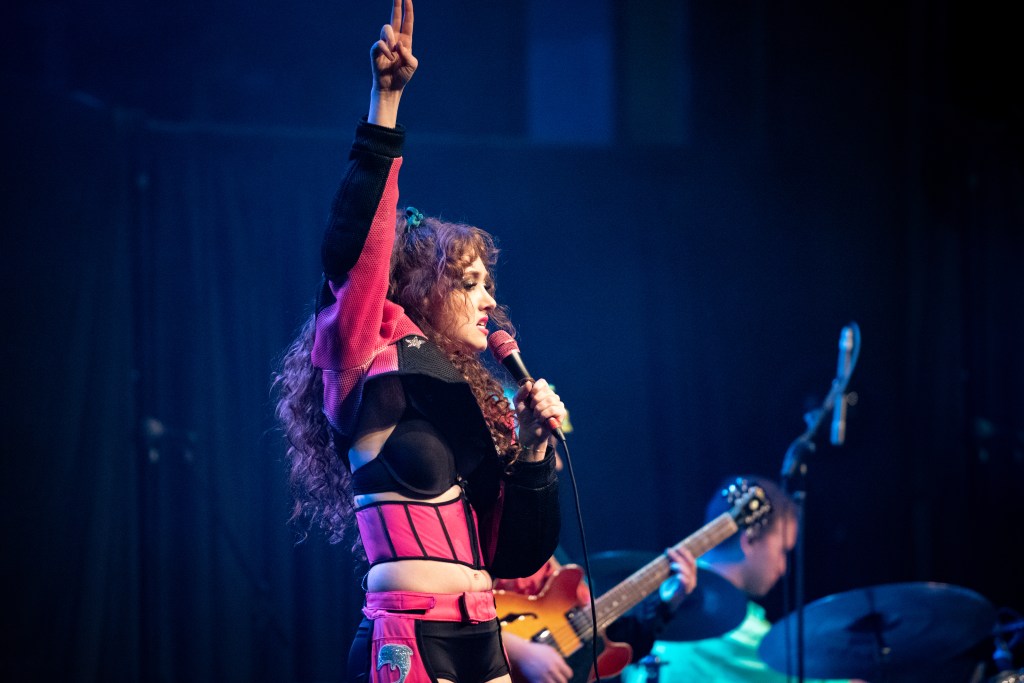
Rising pop artist Chappell Roan recently called out H&M, stating that she refuses to support fast fashion due to environmental and ethical concerns. Her stance reflects a growing sentiment among artists and other public figures using their platforms to advocate for more responsible consumption.
Challenges for the fashion industry
While progress is being made, the road to sustainability in fashion is not without challenges.
- Greenwashing – Many brands claim to be sustainable without real accountability. More regulations are needed to ensure transparency.
- Cost barriers – Sustainable fashion often comes with a higher price tag due to ethical labor and eco-friendly materials. Efforts to make sustainability more accessible are crucial.
- Scalability – Large brands must implement truly circular production models, where materials are continuously reused rather than discarded.
Despite these hurdles, a shift in legislation and supply chain transparency can drive change. The European Union is rolling out stricter textile waste regulations, pushing companies to take responsibility for their environmental impact rather than shifting the burden onto consumers. Additionally, textile recycling initiatives are scaling up, with companies investing in methods to break down old garments and regenerate fibers for new clothing. Brands like Houdini Sportswear and Renewcell are pioneering fiber-to-fiber recycling, reducing the need for virgin materials.
Another promising solution is biofabrication, where materials are grown rather than manufactured, eliminating excessive waste from production. Companies such as Modern Meadow are working on lab-grown leather, reducing the environmental impact of cattle farming while still providing high-quality, durable textiles.
These industry shifts, combined with increasing pressure from both consumers and policymakers, are pushing fashion towards a more sustainable future.
The future of sustainable fashion
The fashion industry is undergoing a major transformation.
Sustainability is no longer an afterthought—it is the future. From cutting-edge materials like mushroom leather, bioengineered silk, and Bananatex to the rise of slow fashion and secondhand shopping, both brands and consumers are rewriting the rules of style.
Fashion doesn’t have to come at the cost of the planet. The next time you shop, ask yourself: Who made my clothes? What impact did they have? Because true style is about looking good while doing good.
 Blinter Magazine
Leave a comment