

Slow travel and trends like dupe or alternative destinations, though niche, are known in the tourism industry for their sustainability undertones.
These modes of travel reduce emissions and celebrate natural landscapes. They involve local stakeholders and consider social impact. The way you get somewhere is just as important as where you are heading. This is what’s at the heart of slow travel.
Is tourism sustainable today?
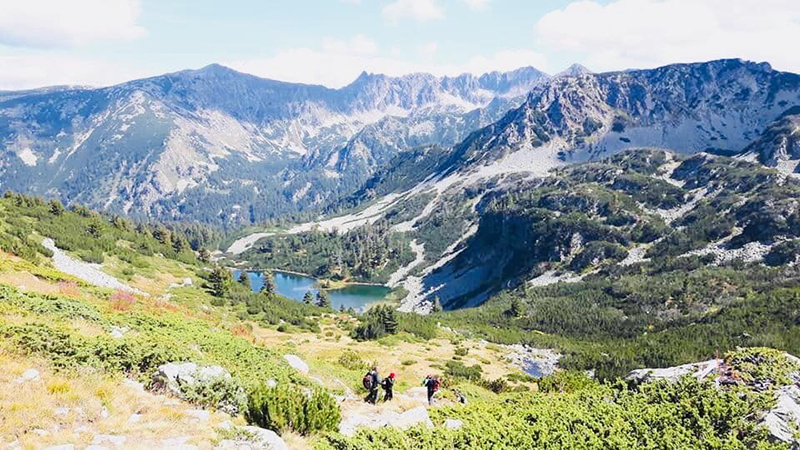
Today, sustainability is becoming a fundamental part of tourism’s development and for the traveler. This means a shift of priorities that focuses on experiences and impacts, not the final destination.
“Slow” here is the philosophy of deliberately selecting where to go and how to go, what to see and what to buy, and most importantly why to travel? It asks what threats the tourist holds and where it switches from an emphasis on tradition and culture to an appropriation or infantilization of it. Slow sets a tone to rethink the concept of travel with more depth.
Most slow versus traditional tourism comparisons focus on the mode of transportation, the duration of trips, and the type of accommodations. Mode of transportation is an easy line to draw to connect back to environmental awareness. Where traditional tourism has a standardized reliance on planes and cars, slow tourism uses walking, cycling, trains, public transport, and even sailing!
These are great alternatives if they are feasible for the traveler. But “slow” can also be characterized by a pace that is deliberate, not superficial, and a focus that is immersive, not a task.
Traveling for experiences is one thing, but doing it with pro-environmental behaviors is another. This includes more than the “carbon footprint” of the trip or how “nature” focused the trip is. Pro-environmental behavior is the knowledge and attitudes one puts forth on the physical destination and its people, whether that’s prior research of the destination or a respectful vulnerability and sincerity towards a new culture upon arrival.
Why is slow travel sustainable?
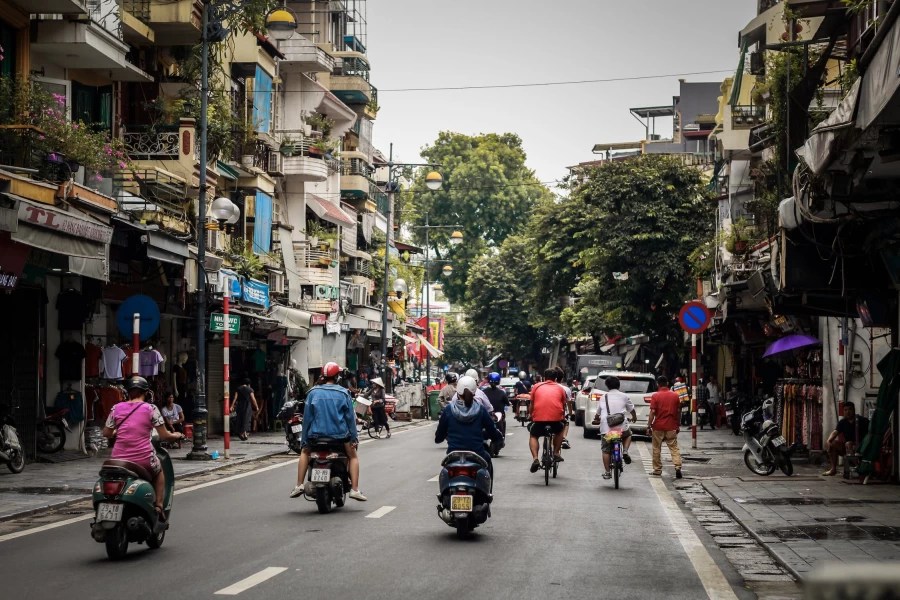
Tourism and hospitality are still major global industries and often the main source of revenue for a city. It incorporates actors and workers across a wide range of fields. With this in mind, a destination’s “image” is part of the way we come to know new places. There is a market-economy side to this that focuses more on “branding” and consumption, which involves city development and policy; however, an image can also help tourists act responsibly.
The objective of tourism as an industry is to bring in profit and, at extremes, compete with other destinations in their “image” and offerings. Studies on the support for slow travel point to a need for co-creation between travelers and the destinations’ local travel firms and residents.
Implementing characteristics of slow tourism not only improves the travelers’ experiences but contributes to a more sustainable and long-term development of the destinations themselves. Where slow tourism is supported and managed by local agents and development acknowledges the capacity of its spaces, a “value co-creation” can be fostered.
Is slow travel difficult?

Most often, through a lack of knowledge and openness, tourism’s barriers involve colonialism, power relations or conflicts of interest, and socio-cultural skepticism. Slow travel will not directly fix these issues, it offers solutions.
Research on the feasibility of slow tourism comes down to the industry and its city as a whole. Key components often point to how well factors like social cohesion and supportive work are being performed– to what degree are environmental and infrastructure policies addressing travel-related industries and how tourism influences local lives. Slow travel’s potential relies on improving infrastructure and involving local communities in the creation of tourism.
Sustainability in tourism can become strategic, making it lose its meaning. However, incorporating locality-telling a history and showing representations of cultures- helps stick to sustainable goals. In turn, these built relationships help connect us back to our dependency on Earth and position us to want to care for and maintain what resources we have.
Local solutions can focus on controlling the intensity of flow and movement of tourists via types of transportation and spatial spread of activities and sites. This can also be where dupe destinations can gain more attention. Dupe and alternative destinations see less “touristy” towns and cities with the same rich cultural, historical, and experiential worth as more popular destinations.
Can slow travel make a difference?
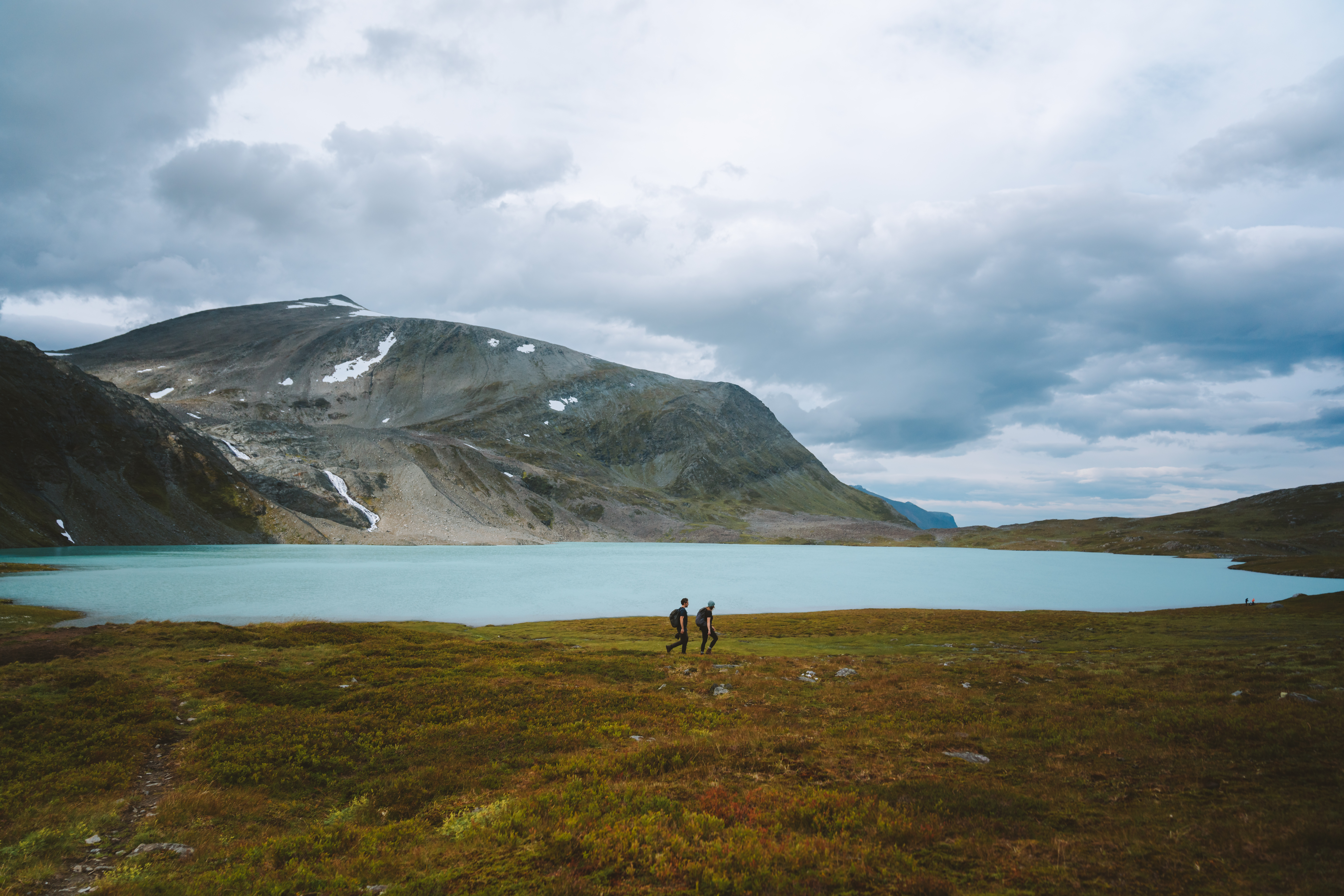
Traveling is at an individual’s expense. If the “trend” is in the hopes of being sustainable, then some degree of education from the traveler is needed, as well as, of course, trust and transparency of the destinations and sites on their eco-initiatives. Still, we are at the mercy of larger actors and networks that influence climate change to degrees that are outside of individual control.
What slow tourism does best is consider authenticity in the exchange of cultures. Although one can take “slow” literally by traveling by boat instead of plane or eating at a restaurant with reservations where the courses are drawn out and tell a story. Slow tourism and alternative destinations can also mean an appreciation for slowing down and taking in the wonders of everyday life.
Slow tourism is the traveler’s willingness to partake in and acknowledge differences.
It is “enough” if you choose these shifting attitudes. From the perspective of traveling for learning and experiencing, hopefully, these alternatives to tourism go past being trends. It is important to know your goals with your adventures, so it is “enough” if you are considerate of your movements and marks through the new places and spaces.
Slow travel is a different approach to time and space. It is the choice to include locality and sustainability (i.e., cautious of where profit flows and stays) and wellbeing (i.e., selective of the human and environmental transactions between travelers and local populations).
How existing tourism can integrate slow travel
Because these terms are considered “trends,” it does draw attention to the fact that eco-conscious behaviors and opinions deserve a choice in the matter. It signifies a need for industries to make changes and adoptions towards sustainability. By now, it’s not so much that ecotourism is a trend, as it has begun to ground itself across travel industries, as they, too, need to deal with the future of climate change.
What we hope to see as a consistent “trend” within traveling is one of empathy and transferability- what’s the next cultural fact to know? The next new dish to discover? The next place with an experience you can’t possibly forget? Or the next destination where the people, their music, and their stories move you to know yourself more?
There’s always more to see, hear, do, and learn. Let yourself change as you travel to new places. Take what’s offered and leave only a small trace.
 Blinter Magazine
Leave a comment