

A single scroll through social media reveals an overwhelming number of ways to spend money. One influencer is unboxing an Amazon haul filled with trendy home gadgets, another is showcasing a new “must-have” skincare routine featuring 10 unavoidable steps, and yet another is raving about the latest smartphone upgrade. The message is clear: we’re all living in a material world—but at what cost?
While Madonna’s “Material Girl” was once an anthem of playful indulgence, today’s consumer culture has taken materialism to a whole new level.
Welcome to Overconsumption Core, a term that encapsulates the culture of mass consumerism fueled by social media, influencer marketing, and relentless pressure to buy. While fast fashion is one of the most visible manifestations, this phenomenon extends beyond clothing—into beauty, technology, home decor, subscription services, and lifestyle trends.
The cycle of buying, flaunting, disposing, and replacing has become the norm, making it easier than ever to accumulate excess. But with landfills overflowing, credit card debt rising, and mental fatigue setting in, many people are beginning to question the sustainability of this lifestyle. What are the true costs of overconsumption, and is there a way out?
The social media effect: How platforms fuel overconsumption
Shopping is no longer just a necessity; it has become a form of entertainment. Social media has transformed consumption into content, making it feel aspirational rather than excessive.
Platforms like TikTok, Instagram, and YouTube thrive on product-driven trends. Influencers showcase their latest purchases in polished, aesthetically pleasing videos. “Haul” culture—where individuals unbox and review dozens of newly purchased items—has made excessive consumption feel normal, even desirable.
Even home organization videos often reinforce overconsumption. Many minimalist, “clean girl aesthetic,” or home-decluttering accounts showcase perfectly curated spaces filled with new, trendy organizational products, rather than encouraging a reduction of belongings.

Then there are the micro-trends—short-lived aesthetic movements like cottagecore, dark academia, coquette, and mob wife—that encourage viewers to buy entire wardrobes, home decor, and accessories to match an identity that may only last a few months. A 2023 Vogue article highlighted how these rapidly shifting aesthetics, from “coastal cowgirl” to “tomato-girl summer,” dominated fashion and lifestyle trends throughout the year, reinforcing the cycle of constant reinvention and consumption.
The result? A culture of compulsive consumption, where shopping is no longer based on need but on an endless pursuit of novelty and belonging.
“TikTok made me buy it:” The rise of algorithm-driven impulse shopping
One of the most viral shopping trends in recent years is “TikTok Made Me Buy It,” a hashtag with 14.9 million posts on the platform. This trend showcases products that have gone viral thanks to TikTok’s highly personalized algorithm. This ensures that users are constantly discovering new items tailored to their specific interests and browsing habits.
The appeal of “TikTok Made Me Buy It” lies at the junction of entertainment and commerce. Unlike traditional advertisements, these product recommendations often come from everyday users and micro-influencers, making them feel more organic and trustworthy. Many brands have capitalized on this trend. Companies like The Pink Stuff cleaner, Stanley tumblers, and Dyson Airwrap are seeing massive sales spikes after going viral.

However, the downside is that many of these viral purchases end up being short-lived. Shoppers often regret impulse buys driven by the hype, especially when items don’t meet expectations or quickly fall out of trend. Studies show that social media-driven shopping encourages compulsive spending, with many consumers reporting higher-than-usual impulse buying habits due to social media’s influence.
This cycle of instant gratification followed by buyer’s remorse is a key characteristic of Overconsumption Core. It reinforces the idea that shopping is not just about necessity—it’s about staying relevant in a fast-moving digital culture.
The role of influencer marketing
Social media influencers have become walking advertisements, and their recommendations often feel more trustworthy than traditional marketing. This is why brands heavily invest in influencer partnerships—an industry that has tripled since 2020 and is now valued at $33 billion U.S dollars in 2025.
Unlike traditional ads, influencers build parasocial relationships with their audiences—meaning followers feel like they personally know and trust them. As a result, when an influencer shares their favorite new beauty product, kitchen gadget, or tech device, it doesn’t feel like an ad—it feels like advice from a friend.
To drive urgency, brands also use scarcity marketing, where products are labeled as “limited edition” or “selling out fast,” creating a fear of missing out (FOMO) that encourages impulse purchases.
But this cycle of consumption comes at a cost, both financially and psychologically.
The psychological toll of overconsumption

Purchasing a new item can feel like a small emotional high—this is because shopping triggers a dopamine release, a chemical associated with pleasure and reward. However, studies show that satisfaction from material purchases fades quickly compared to experiences, a dissertation by Dr. Emily Rosenzweig of Columbia University also elaborates further on this topic.
Once the initial excitement of an item wears off, consumers often feel the need to buy something newer and better to maintain that high. This habitual cycle of spending can lead to:
- Impulse buying and regret—purchasing things that aren’t truly needed
- Decision fatigue—feeling overwhelmed by the sheer number of possessions
- Clutter-induced stress—studies show that excess belongings can cause anxiety and affect cognitive function
The financial strain of keeping up
The pressure to constantly upgrade and stay on trend often leads to financial stress. This is especially evident in:
- Technology: Smartphones, laptops, and gaming consoles are designed with built-in obsolescence, meaning they become outdated faster than necessary, pushing consumers to upgrade frequently.
- Subscription Overload: Streaming services, subscription boxes, and digital memberships can quietly drain bank accounts, adding up to hundreds of dollars a year.
- Buy Now, Pay Later (BNPL) Services: These make high-priced items feel accessible, but 30% of users report struggling with payments and financial regret.
For many, the financial weight of overconsumption leads to stress, anxiety, and a cycle of debt that is difficult to escape.
The Environmental Cost of Excess

Overconsumption isn’t just a personal issue—it has devastating consequences for the planet.
The waste crisis
Everything we buy has a lifespan, and today’s products are not built to last.
- Fast fashion: Clothing waste has doubled in the past 15 years, with billions of garments ending up in landfills annually.
- Tech Waste: E-waste is the fastest-growing waste stream in the world, with millions of discarded phones and laptops contributing to pollution.
- Plastic packaging: Many beauty and home products come in non-recyclable materials, contributing to the global plastic crisis.
The carbon footprint of shopping
The rise of next-day shipping and global supply chains has also dramatically increased emissions. Online shopping now accounts for over 20% of global retail sales, with packaging waste and shipping emissions becoming a significant sustainability concern.
The pushback: Can we break the cycle?
Despite the dominance of Overconsumption Core, a growing counter-movement is emerging. More consumers are rethinking their shopping habits, opting for quality over quantity and seeking out sustainable alternatives. But as people become more conscious of what they buy, a different kind of pressure is creeping in—what some call Underconsumption Core.
For some, the fear of making an unsustainable choice leads to decision paralysis or even guilt over buying anything new at all. While the shift toward mindful consumption is a positive one, it can sometimes go too far, making even necessary purchases feel like a moral dilemma. The key isn’t about never buying anything—it’s about finding a balance between reducing waste and making thoughtful, lasting choices.
Mindful consumption and minimalism
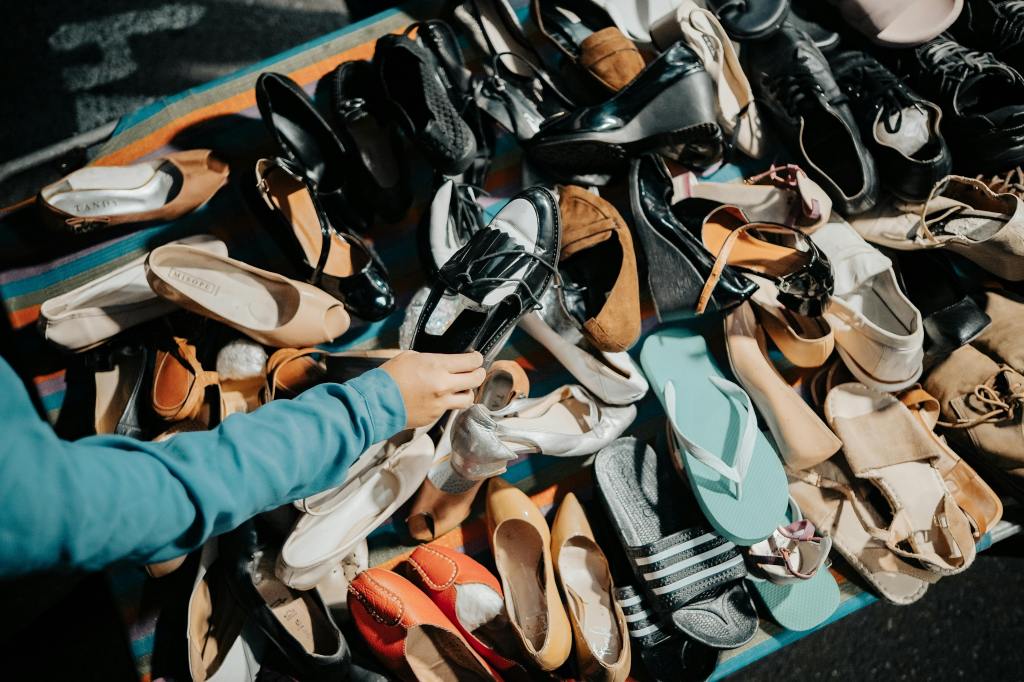
Many people are embracing a more intentional approach to shopping by:
- Prioritizing quality over quantity—investing in fewer, well-made items that last.
- Embracing secondhand shopping—thrifting has become more than just a budget-friendly option; it’s a sustainable way to extend the life cycle of clothing and reduce waste. Platforms like Depop, Poshmark, and ThredUp are booming and will continue to grow.
- Following slow fashion & sustainability movements—choosing ethically made and durable products over mass-produced fast fashion.
At its core, the shift away from overconsumption isn’t about a halt in buying—it’s about buying with purpose. A healthy approach to consumption means recognizing that sustainability doesn’t have to mean deprivation and that small, thoughtful choices can make a real impact.
Rethinking our relationship with consumption
Overconsumption Core is deeply ingrained in modern culture, but awareness is growing. Consumers are recognizing that happiness isn’t found in more stuff—and that a sustainable, mindful approach to consumption is not just better for their finances but also for their mental health and the planet.
While systemic change is slow, individuals can take steps to challenge the cycle of overconsumption—one mindful choice at a time.
The real question is: Are we ready to choose less?
 Blinter Magazine
Leave a comment