
When we think of the impacts of climate change today, an array of issues may come to mind: loss of biodiversity, rising temperatures, disappearing coastlines, increases in frequency of natural disasters—just to name a few.
One issue that may not be on the extensive list for most is the connection between the climate crisis and issues regarding housing. These two things are much more tightly-linked than we may assume at first glance, and here’s why.
How is climate change effecting property value?
The biggest connection is the fact that property values are dropping—drastically—due to climate-related issues. One large issue is the increase of severe weather patterns. As the climate crisis worsens, so do these severe weather patterns. Severe weather patterns can include, but are not limited to, extreme heat, increase or decrease in average rainfall, increased frequency and intensity of hurricanes/tornadoes/tsunamis, extreme drought, and many other unappealing things.
Severe weather does tremendous damage to properties. Whether it’s excessive amounts of rainfall that batter away at your roof or hurricanes that wipe away entire structures, this increase in severe weather has obvious physical and logistical effects on property value and can almost directly be linked to the climate crisis.
To add some evidence in to back up this direct link between the climate crisis and property value decline, a study found that by 2055, 70,026 neighborhoods (84% of all census tracts) may experience forms of negative property value impacts due to climate risk, which would total in around $1.47 trillion in overall property value loss due to insurance pressure and shifting demand from consumers.
Is climate change making insurance more expensive?
Along with tremendous amounts of property damage, insurance providers also are now changing policies and coverage. Because of the increased risk in certain areas due to these natural disasters and weather patterns, some insurance providers are taking action to either increase premiums or even withdraw coverage from higher-risk areas altogether.
A study conducted by the U.S. Department of the Treasury reported that “from 2018 to 2022, consumers living in the 20 percent of ZIP codes with the highest expected annual losses to buildings from climate-related perils paid $2,321 in premiums on average.”
This is 82% more than what those in the 20 percent lowest climate-risk ZIP codes pay. This not only is a tremendous difference, but also raises issues of housing equity for many communities that are on the forefront of this issue.
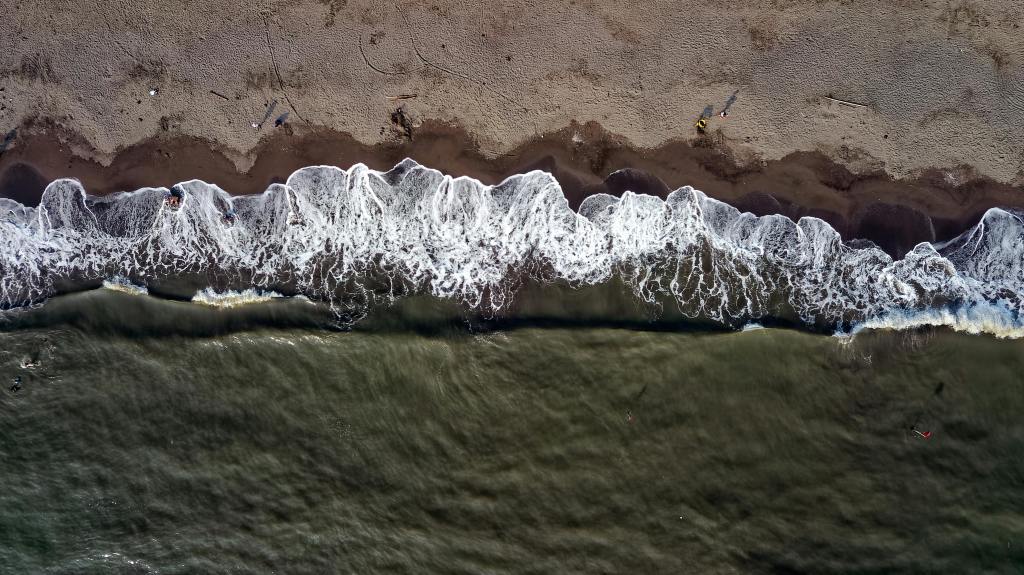
Not only is the issue of property value decline a huge problem, but because of the increased intensity of severe weather patterns many areas are becoming completely inhabitable altogether. One of the biggest examples of this is the rising sea levels and disappearance of coastlines, resulting in members of coastal communities having to relocate.
Climate change and migration
In a study by First Street, they predicted that over 55 million American people will voluntarily decide to relocate within the United States to communities that are less vulnerable to risks associated with climate change by 2055.
5.2 million people are predicted to kick off this migration in the present year.
What can I do about climate change?
So what do we do? The answer is relatively unclear—and there is no perfect solution—but action can be taken to help combat the housing crisis-climate change disaster.
One of the biggest actions is educating yourself on a personal level. Whether you are a homeowner or you rent, these issues are very real and can be incredibly overwhelming. Taking the time to educate yourself on the region in which you live, and how it may be affected by the worsening of the climate crisis is incredibly important.
If we start to educate ourselves more on these potential risks, we then can begin to ask questions and push for change from policymakers and on an individual level.
The housing crisis in connection with the climate crisis is an issue that is only going to worsen as time goes on. It is important to educate yourself, make individual lifestyle changes, and advocate for policy change to help save our planet and in turn, the housing market!
 Blinter Magazine
Leave a comment