
By Keri Stewart
Featuring the largest lake in the United Kingdom, Lough Neagh, and the popular city of Belfast, Northern Ireland is home to a wide variety of landmarks, including a handful of prime birding spots.
With many sanctuaries for the winged creatures and 40 nature reserves speckling the region, Northern Ireland is ideal for sighting shorebirds, seabirds, and waterfowl. Its location by the Atlantic Ocean and Irish Sea makes it not only a plentiful birding site but also a stunning coastal getaway for all.
As the spring migration approaches, birders around the world are eyeing the locale for its potential views of the Wheatear, Swallow, Ring Ouzel, and Osprey. The best birding spots in Northern Ireland are diverse but accessible, and international visitors are sure to rejoice.
Top Ebird hotspots in Northern Ireland
It can be overwhelming to figure out which spots to birdwatch at, especially since there is so much to see in Northern Ireland.
The joys of Ebird are that it enables you to view hotspots where checklists or a high number of species are most frequent. This way, you can be sure to find the best spots to navigate to. Many are using Ebird on their explorations of the Faroe Islands, which are only a short boat or plane ride away from Northern Ireland.
Whether you prefer seeing a high biodiversity count or a specific species on your life list, Ebird hotspots can be observed based on your desires.
Window on Wildlife Belfast Lough RSPB Reserve
As you make your way towards Belfast, you’ll discover one of the many nature reserves: Belfast’s Window on Wildlife (WOW). Next to the Belfast Harbor Estate, this nature reserve juxtaposes a bustling economic hub with the scenic coasts of the lagoons as though you just stepped foot into another world.
This sightworthy location is bustling with diverse wildlife: butterflies, konik ponies, and a handful of bird species.
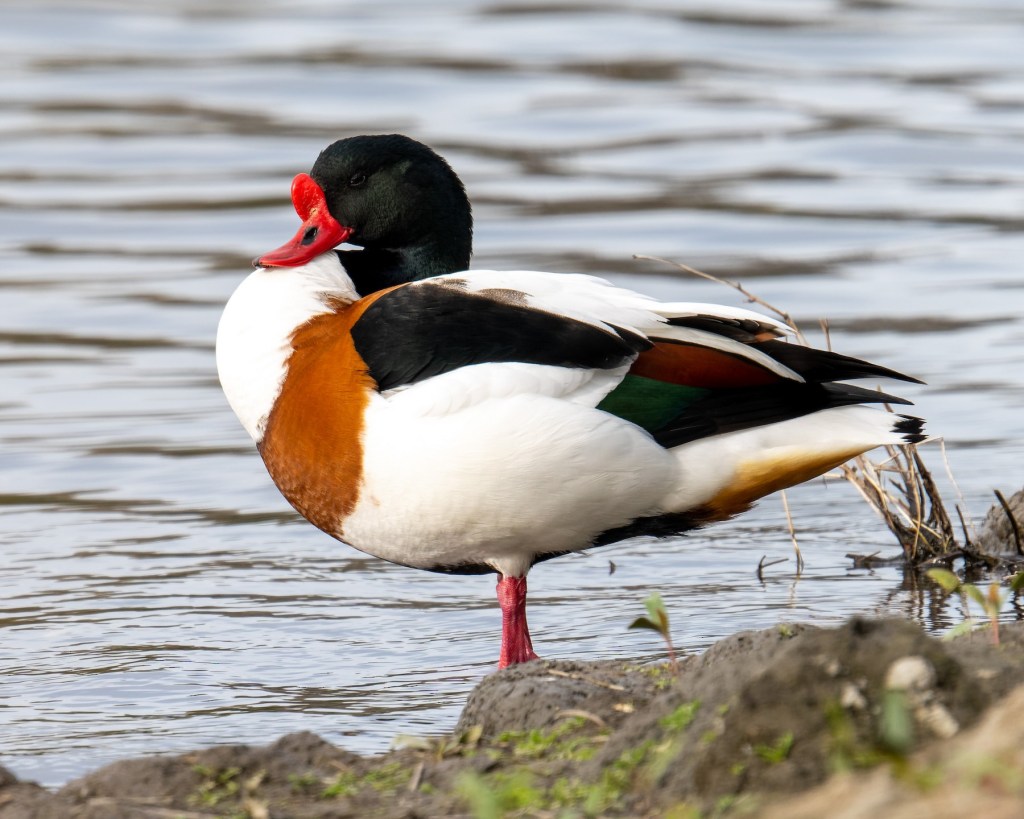
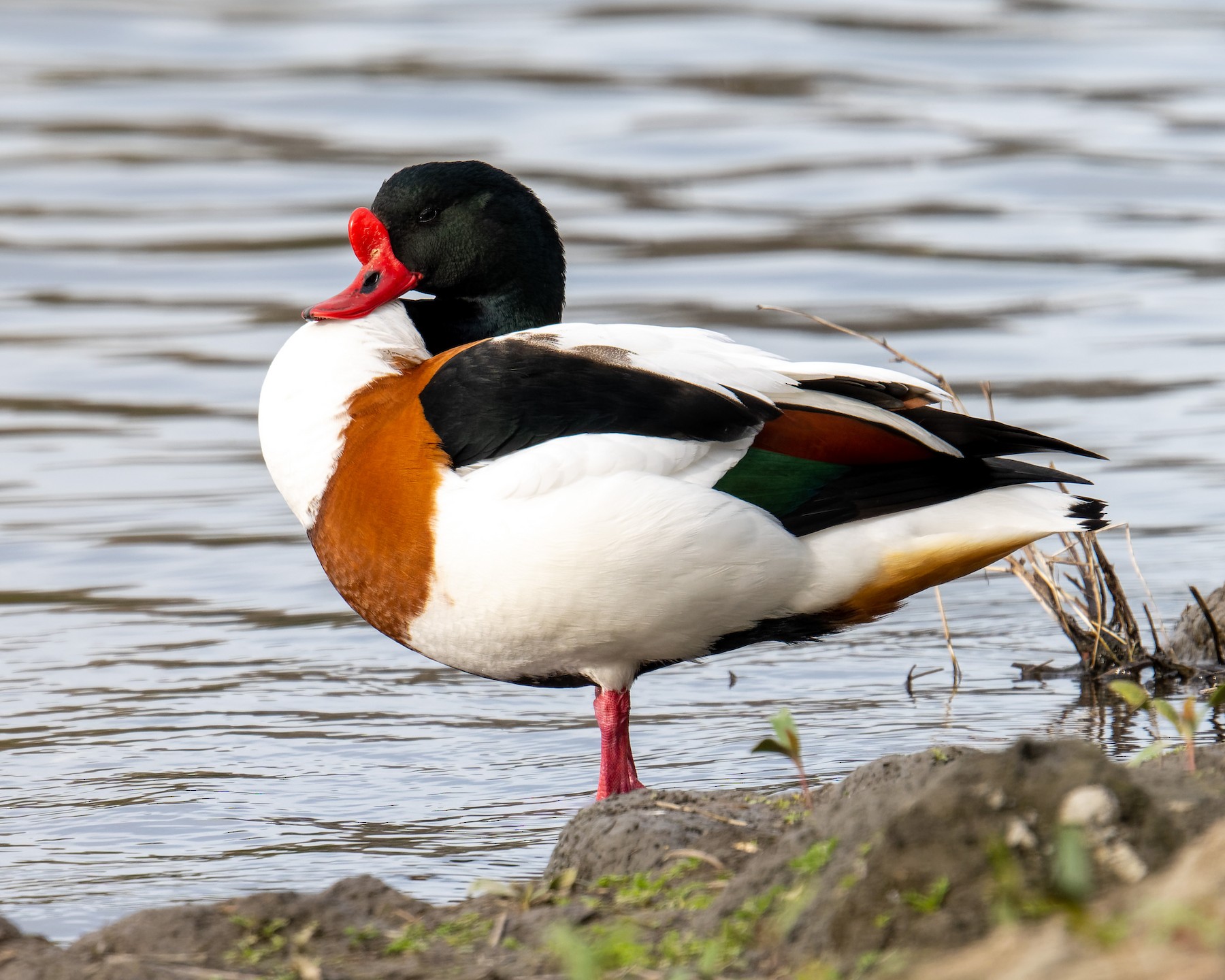
In the past, Ebirders have tracked the black-headed gull, black-tailed godwit, common shelduck, mallard, and Eurasian curlew during the month of March, which have the highest counts compared to other species present in the area. These shorebirds, waterfowl, and waders offer great insights into the blend of wildlife where the Irish Sea meets the coasts of Belfast.
Struggling to find any birds? The staff at Belfast WOW would be happy to lend a hand. Perhaps they can help you find your way to one of the platforms that offer great vantage points for birdwatching.
Rathlin Island: Church Bay
Venturing onwards to Rathlin Island, your senses will be entangled in the salty air of the sea and the blooming fields, partnered next to an array of cliffs. The charming scenery of Rathlin Island is sure to refresh you during your busy travels.
Within the island, the Church Bay harbor features not only great food and drinks to keep you satisfied but also a great opportunity to trek the trails of the area.
A 5.6-mile trail. A challenge. A picturesque view. What could be more worth seeing than this beauty? The birds…
Ebirders have frequently tracked a high count of Black-legged Kittiwakes, European Herring Gulls, Common Eiders, Black-headed Gulls, and Meadow Pipits during March.
Around 77 different species can be found during March, as per Ebird checklists since 2017.
Rathlin Island: The Rue
The last most popular Ebirder spot in Northern Ireland has been Rathlin Island’s Rue Point Lighthouse. The rhythmic flow of the raging tides is sure to be a fantastic view beside the towering lighthouse.
Following the directions of the Roonivoolin Walk trail, towards the end, you will be able to reach Rue Point (be advised to follow the tarmac path to avoid trespassing into private land). Outlining the lighthouse, the rocky shores offer a great space for seals and shorebirds to frolic.
During March, it is likely you will most frequently encounter Razorbills, Common Gulls, Common Murres, Green-winged Teals, and Greylag Geese, as these birds have the highest count on Ebird for the area.
Another noteworthy birding spot in Northern Ireland
Lough Neagh
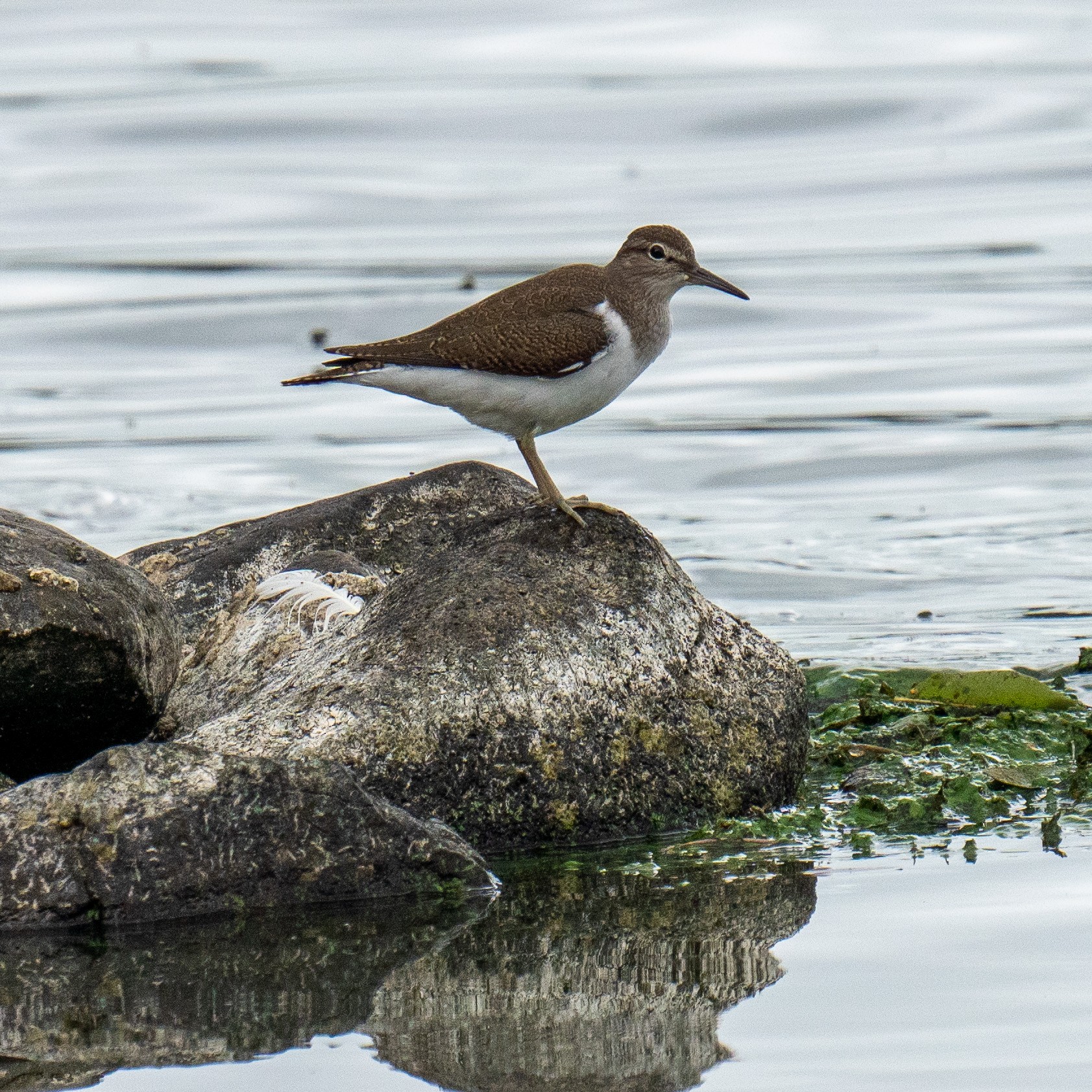
Lough Neagh offers a fantastic view for birdwatching as the lake is home to many different species, especially waterfowl.
“Lough Neagh is an important overwintering site for many wildfowl species,” shares Aaron Long, wildlife photographer.
There can be quite a lot of ground to cover with this lake. However, the Oxford Island Nature Reserve in Armagh can be a great start towards getting easy access to the area. With a handful of trails from the nature reserve’s map guide, you can be sure to get some worthy sightings within the area.
Though this spot is beautiful, its presence of blue-green algae strikes concern for conservationists and wildlife enthusiasts. These cyanobacteria “[have] the biggest risk… to pets, livestock, and wildlife,” says Louise Cullen in a BBC article.
As a result, biodiversity has decreased; fewer bird calls can be heard from Lough Neagh in comparison to previous years.
Amid such losses, many populations of birds and other wildlife are still present. For instance, the Eurasian Blue Tit can be found in the woodlands near the lake. This year-round species, quite common in NI, shares a wonderful palette of blues and yellows against the backdrop of the woods.
You may be able to spot Whooper Swans as well. Though typically a winter migrant, this bird may be in the area as late as March. And if you happen to miss it, there are still a handful of 65-some species in the area as of Ebird checklists.
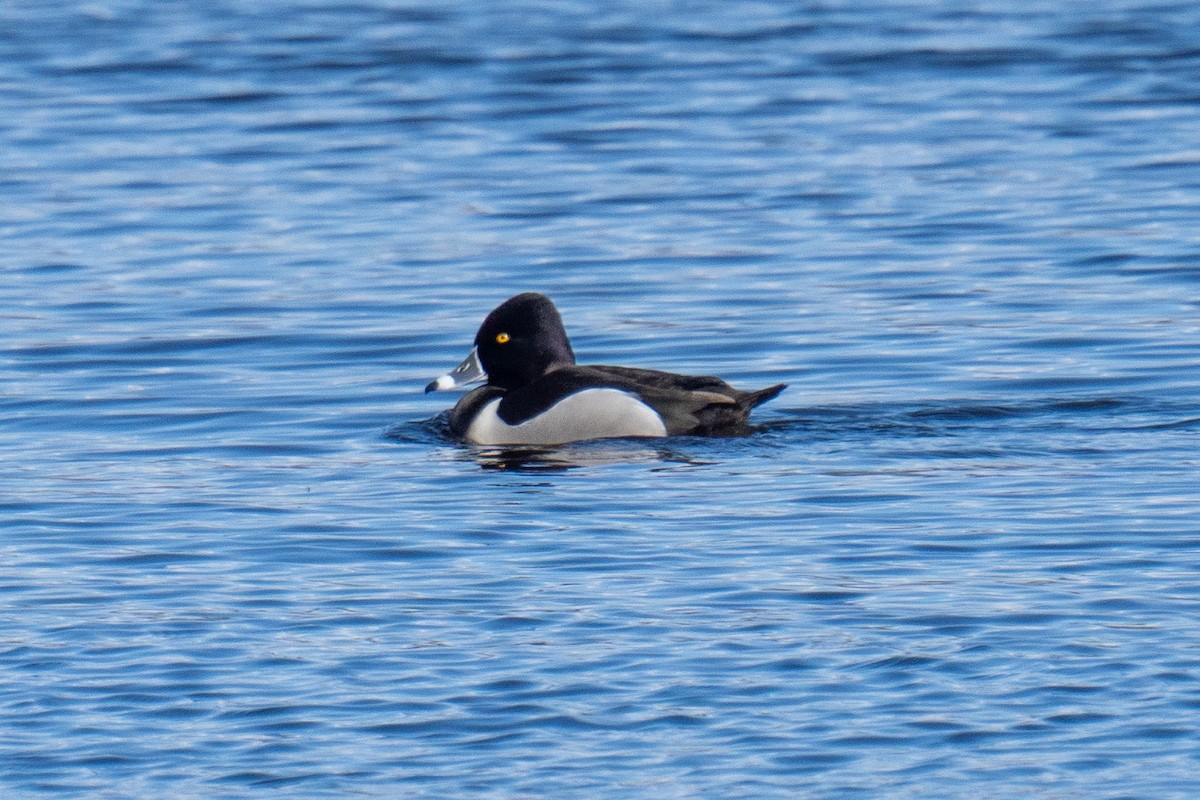
“Some rarities also can be found, such as Lesser Scaups and Ring-Necked ducks,” says Long.
Regarding Ebirders, they have found that in March, the Lough Neagh Discovery Center had high counts of Tufted Ducks, Greater Scaups, and Common Pochard. Between the red eyes of the Pochard and the striking yellow of the other two waterfowl, there’s no doubt their gaze will reel you in.
With the start of the breeding season arriving later in the month, a handful of species will be returning to Northern Ireland. Whether you explore the Lough Neagh Discovery Center or some of the other hotspots, it’s worth observing the return of many migrant birds.
 Blinter Magazine
Leave a comment