

Wealth has the power to shape the planet—who protects it, who benefits from it, and who suffers most when it’s at risk. Those with greater financial resources can more easily adopt renewable energy, eco-friendly technologies, and sustainable lifestyles, while marginalized communities face barriers that make these options out of reach.
This divide underscores how economic stratification fuels environmental inequality, creating challenges in building a sustainable future for everyone.
Celebrities, with their platforms and influence, often play a visible role in bringing sustainability into the spotlight. Many advocate for environmental causes and amplify critical conversations, but their high-profile lifestyles—frequent travel, luxury goods, and expansive estates—complicate the narrative.
Positioned at the intersection of wealth, privilege, and cultural influence, celebrities highlight the complexities of environmental responsibility and raise questions about how those with significant resources can help drive meaningful, systemic change.
The role of wealth in sustainability
Economic disparity shapes who can participate in the growing green economy.
For wealthier individuals and communities, sustainability has become an achievable, even trendy, lifestyle. Solar panels, organic groceries, electric vehicles, and energy-efficient homes are readily available to those with the financial resources to afford them.
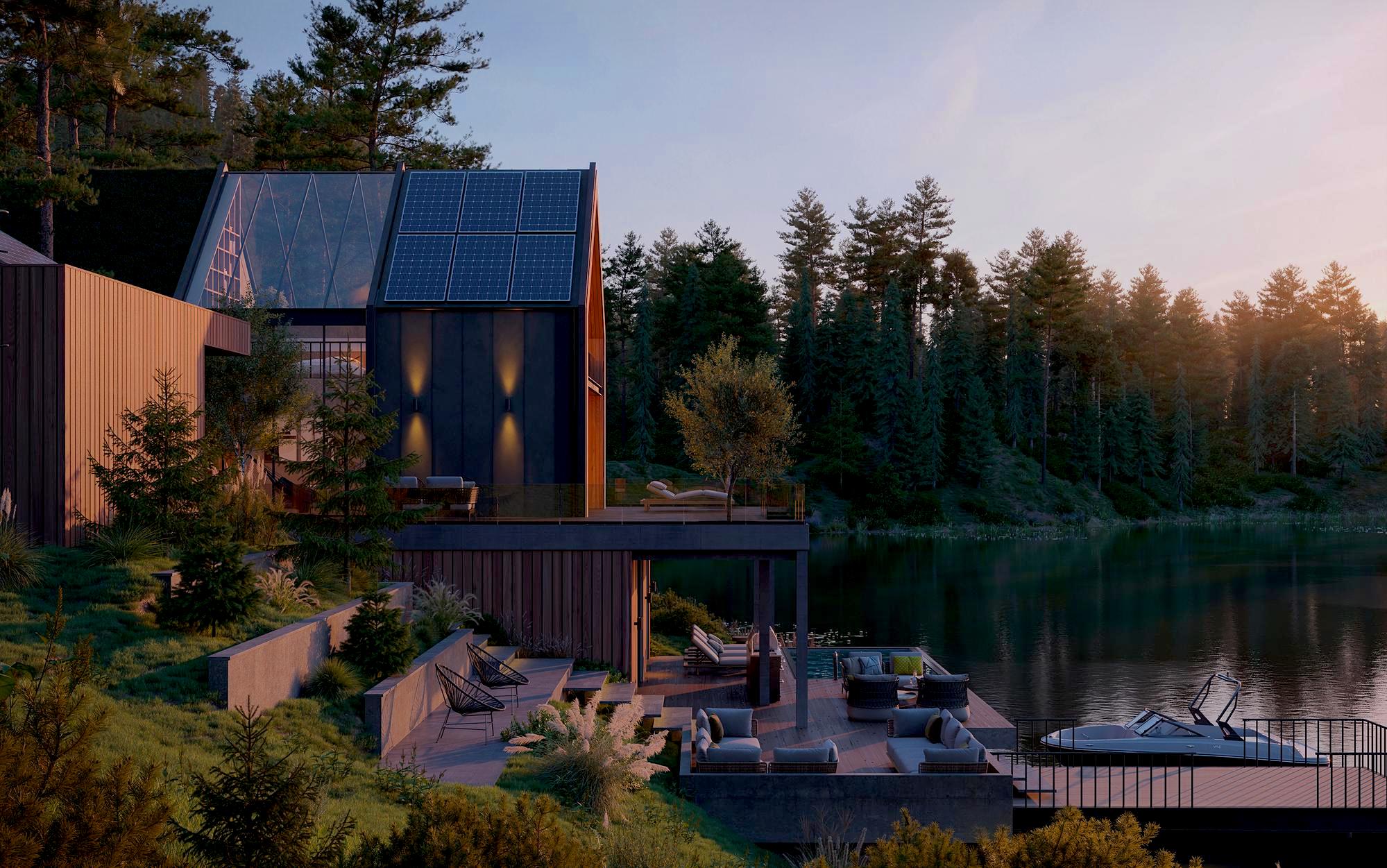
Affordability is one of the biggest hurdles when it comes to adopting greener choices, according to Deloitte’s research on sustainable consumer behavior. While many people are interested in making more eco-friendly purchases, the higher costs of sustainable products often hold them back. This is especially true for low-income households, where tight budgets make it difficult to justify the upfront expense of things like renewable energy solutions or organic goods, even if they might save money in the long run.
This divide isn’t just about money—it’s about systemic barriers that perpetuate inequity.
“People in lower-income communities often have very limited discretionary income, so it is difficult to cover the cost of green technologies that cost more upfront than conventional technologies, even if they would save money from lower energy bills,” says Dr. Kenneth Gillingham, the senior associate dean of academic affairs at the Yale School of the Environment.
Dr. Gillingham adds that one promising solution is to provide financing along with the purchase of green products, allowing consumers to use energy bill savings to offset the cost.
These barriers are further compounded by infrastructure disparities. Wealthier areas are often equipped with public resources that make sustainable living easier: clean air initiatives, public transportation, recycling programs, and access to green spaces, as highlighted by the Global Council for the Promotion of International Trade.
By contrast, lower-income neighborhoods frequently lack such infrastructure. A lack of parks or tree cover can lead to higher urban temperatures, known as the urban heat island effect, while limited access to clean water or renewable energy makes these communities more vulnerable to climate impacts.
The disparity extends to climate resilience as well. When disasters strike, wealthier communities often recover faster due to better infrastructure, insurance coverage, and financial resources.
For example, after Hurricane Katrina, affluent neighborhoods in New Orleans rebuilt quickly, while low-income areas, particularly those with predominantly Black residents, faced years of delayed recovery.
Celebrity influence: A double-edged sword
Celebrities have played a major role in shaping public narratives around sustainability.
From Matt Damon and Gary White’s water accessibility and sanitation nonprofit Water.org to Jane Fonda’s expansive activism, high-profile figures have used their platforms to raise awareness and spark action. Their visibility has helped bring attention to critical issues like deforestation, plastic pollution, and rising sea levels.
“Public figures have a powerful microphone—both literally and figuratively—and can reach many people who would not otherwise be thinking about actions that can help improve our environment,” adds Dr. Gillingham, highlighting the unique influence celebrities wield.
“They have a role to play in both driving systemic environmental change by raising awareness and encouraging individual actions. Their own actions can show that they are genuine in their support of the issues,” he says.
“At the same time, systemic environmental change will only occur with the contributions of governments, individuals, and businesses.”
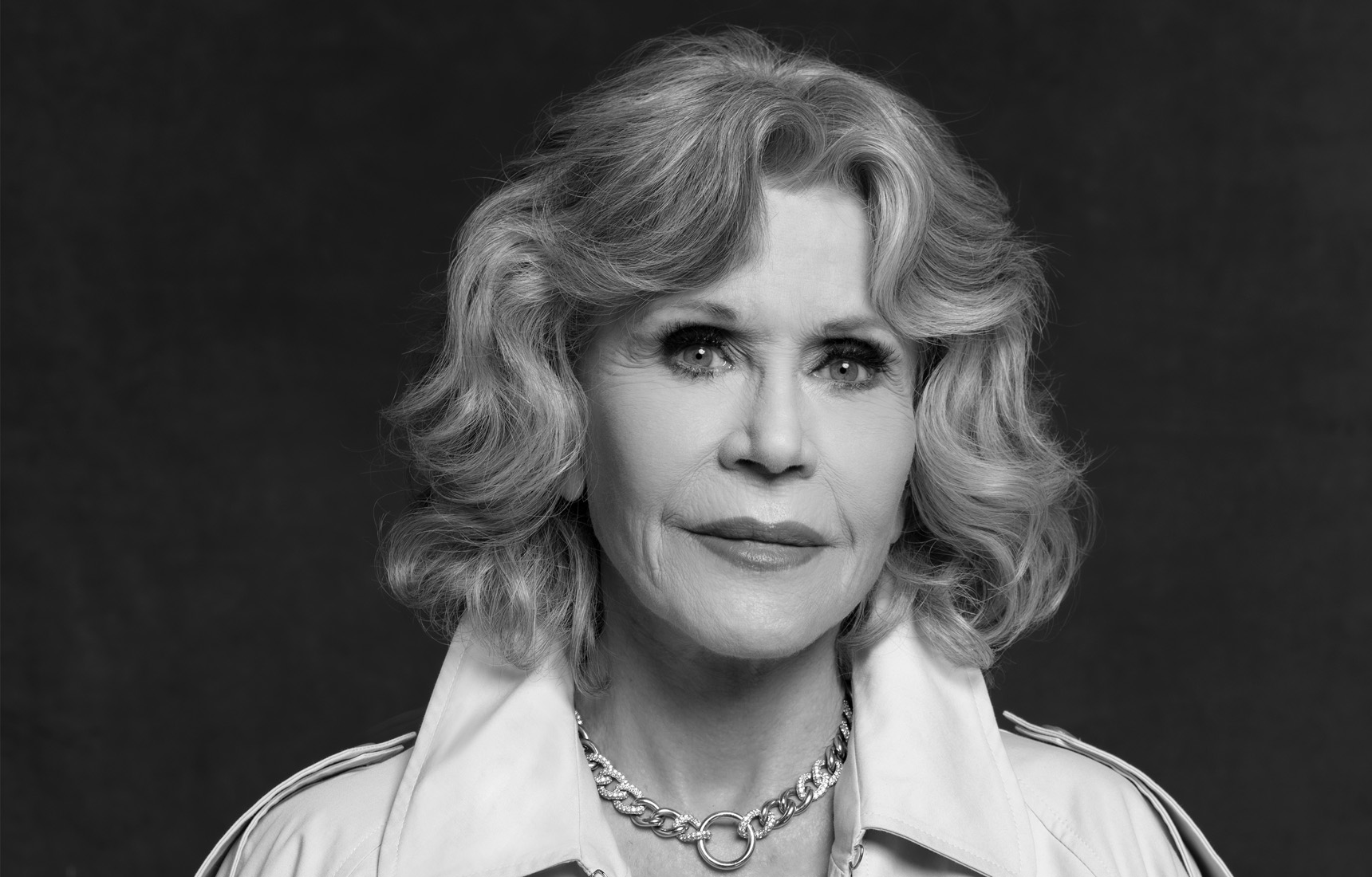
However, their efforts often come under scrutiny. High-consumption lifestyles—private jets, luxury goods, sprawling estates—can clash with their messaging.
A 2022 study by Yard working with data collected by CelebJets, a now-suspended Twitter (X) account, found that celebrities like Taylor Swift and Kylie Jenner generate significantly more carbon emissions through private jet travel than the average person does in a year. While these actions may not define their advocacy, they do complicate public perception.
Critics argue that such contradictions undermine the credibility of celebrity-led sustainability efforts, while others believe their influence outweighs these inconsistencies.
That said, there are examples of celebrities leveraging their wealth and influence to promote systemic solutions. Rihanna’s Clara Lionel Foundation has funded disaster relief in vulnerable regions, while Shailene Woodley has advocated for indigenous-led environmental movements. These efforts show that when public figures focus on systemic change rather than individual behaviors, they can play a pivotal role in driving equity in sustainability.
The broader implications of economic stratification
The wealth gap isn’t just about who can adopt sustainable practices—it’s about who bears the brunt of environmental harm.
Marginalized communities, especially in developing nations, often experience the most severe impacts of climate change. Rising sea levels, extreme heat, and severe storms disproportionately affect areas with fewer resources to prepare and recover.
Take Bangladesh, for instance, where frequent flooding displaces millions of residents annually. The country contributes less than 0.4% of global carbon emissions, yet it is among the most vulnerable to climate change. Similarly, in urban areas like New York City, low-income neighborhoods experience greater exposure to air pollution and higher rates of heat-related illnesses compared to wealthier areas with more green spaces and cooling infrastructure.
This disparity underscores the need for systemic solutions that prioritize the needs of vulnerable populations. Governments and corporations must allocate resources equitably, ensuring that green infrastructure and disaster resilience are accessible to all communities, not just the affluent.
Beyond individual actions: Systemic solutions
While individual lifestyle changes—like reducing plastic use or adopting plant-based diets—are valuable, they aren’t enough to address the scale of the climate crisis. Systemic solutions are needed to bridge the gap between economic disparity and sustainability.

Governments can play a critical role by providing subsidies and incentives for green technologies, making them more affordable for lower-income households. Expanding access to public transportation and renewable energy infrastructure can also create more equitable pathways to sustainability. For example, equitable public transit systems have been shown to not only reduce emissions but also improve accessibility for underserved communities.
A report from the Wellesley Institute highlights how targeted investments in affordable and sustainable transit can address both environmental and social inequities, ensuring that marginalized populations have better access to jobs, education, and essential services while contributing to climate change mitigation.
Corporations also have a responsibility to lead by example. By creating affordable, sustainable products and prioritizing investments in underserved communities, companies can help close the gap. In particular, partnerships with grassroots organizations can ensure that resources are distributed where they are most needed.
Celebrities, too, can move beyond individual advocacy to support systemic efforts. This might mean funding renewable energy projects in low-income areas, advocating for stronger climate policies, or using their platforms to amplify underrepresented voices in the environmental movement. For example, actor Mark Ruffalo has used his influence to champion climate justice and amplify the leadership of women of color in environmental activism. In a conversation with TIME magazine during the launch of The Solutions Project, which he co-founded with Gloria Walton, Ruffalo highlighted the importance of equitable representation and funding for frontline communities leading the fight against climate change.
Bridging the gap
The intersection of wealth, influence, and sustainability is a complex one.
Economic disparity shapes who can access green resources and who remains vulnerable to environmental harm. Celebrities, with their platforms and visibility, have a unique opportunity to raise awareness and drive meaningful change—but only when their actions align with systemic solutions.
Bridging the gap requires collective action. Governments, corporations, and individuals must work together to create policies and initiatives that make sustainability accessible to everyone, regardless of income or status. At the same time, public figures can use their influence to advocate for equity and amplify the voices of those most affected by climate change.
Sustainability shouldn’t be a privilege. By addressing the barriers created by economic stratification and leveraging the power of influence for systemic change, we can work toward a future where green solutions are within reach for all.
 Blinter Magazine
Leave a comment