
By Teo Jaworski
Environmentalism isn’t simply about having an interest or love for this planet and the nature it provides, or adoring the animals that live among us. Instead, environmentalism is the desire to protect all of these things, specifically with the intent of preventing humankind from further damaging the environment.
Environmentalism emphasizes sustainability, restoration, and activism, with the hopes of maintaining and even improving the planet’s condition after decades of the harmful effects of pollution that industrialization has caused.
Here are 9 essential books to read that could broaden your perspective on environmentalism and deepen your knowledge of what we can do to be more active supporters of the earth that has always supported us.
Silent Spring by Rachel Carson
A foundational piece of literature in the environmental field, Carson’s Silent Spring was published in September of 1963.
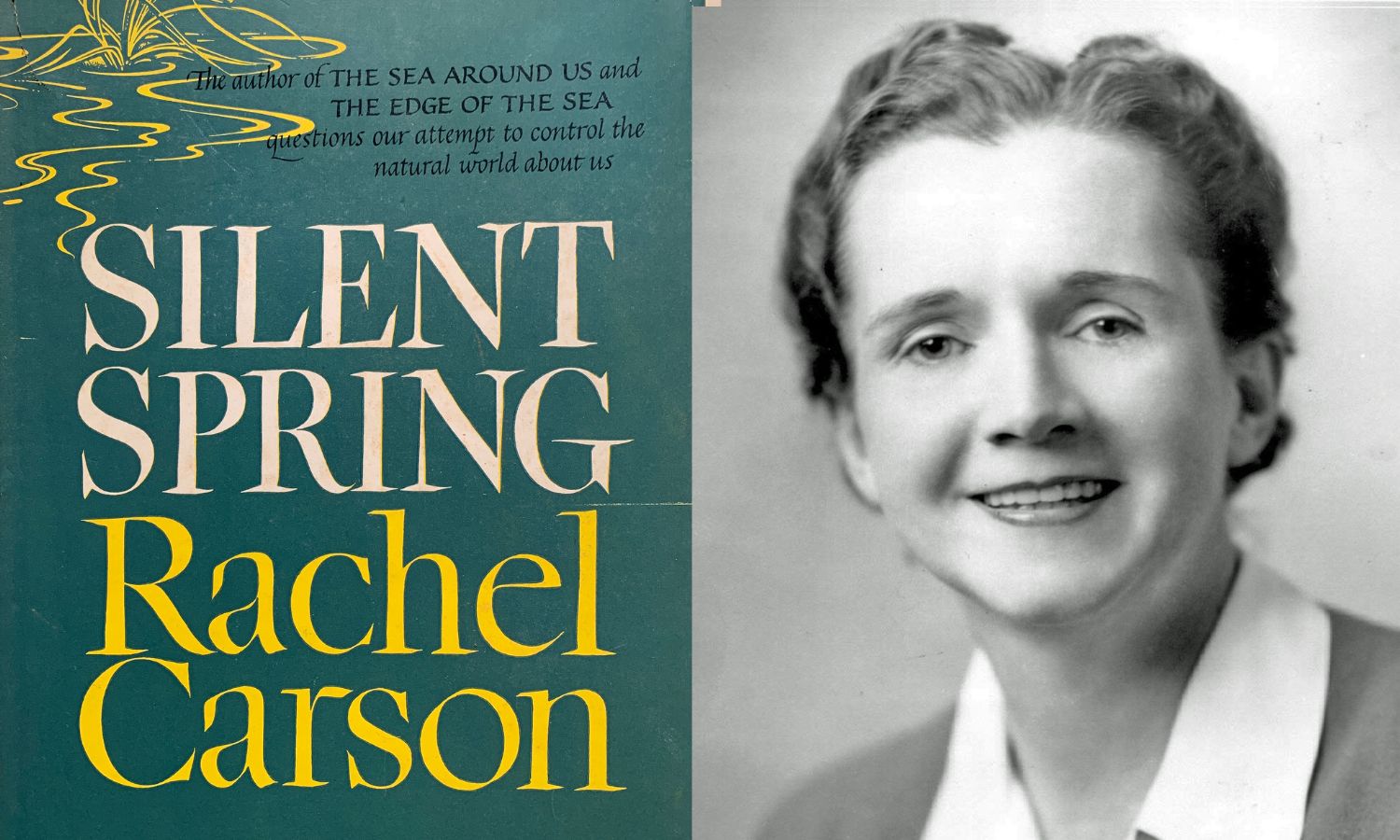 A biologist with a deep understanding of the oceans, this book explored the many harmful effects of pesticides, especially in an era that had nearly zero restrictions on their uses. Following its publication, the United States government banned DDT and created laws on the application of pesticides, which caused many other countries to soon adopt similar policies, showing the influence that this work has had on saving the environment from harmful practices.
A Sand County Almanac by Aldo Leopold
This book, first published in 1949, is a timeless classic that reads beautifully, and is broken up into 12 essays; one for each month of the year.
Leopold delves into the philosophy of environmentalism, and how it is one’s moral obligation to have a sense of responsibility for the nature around themself. Told through Leopold’s own life experiences on his farm in Wisconsin, he paints a picture of care and nurture, while exploring the history of the nature that surrounds his home. This book, having been written so early, helped to bring rise to some of the earliest examples of environmentalism, and remains a must-read to this day.
This Changes Everything: Capitalism vs Climate by Naomi Klein
A much more modern work of writing, This Changes Everything was published in 2014, and faces the much more modern issue of capitalism, specifically in direct opposition with environmentalism.
Targeted at a younger audience, Klein educates the readers on how the world has ended up in this dire situation; rising sea levels; more severe storms; droughts; etc, and offers ways in which any normal person may be able to help. Klein also highlights the ways in which climate activists are being silenced by major corporations, and how capitalism will inevitably destroy the earth.
The Uninhabitable Earth: Life After Warming by David Wallace-Wells
Inspired by his article of the same title, Wallace-Wells published this non-fiction book in 2019, two years after his essay became the most-read article in the New York Magazine’s history.

In this piece of literature, Wallace-Wells cautions the reader of the impending consequences that will follow should the world continue its mistreatment of the environment. The Uninhabitable Earth is similar to This Changes Everything in its detail of the crisis we face, yet goes a step further by sharing with the world scientists less-than-optimistic predictions for where this path will likely take us, should countless environmentalist policies not be agreed upon. However, Wallace-Wells also takes care to share more pleasant and ideal predictions of the future, insisting the climate crisis can be remedied if decisive action is taken immediately.
Drawdown: The Most Comprehensive Plan Ever Proposed to Reverse Global Warming by Paul Hawken
Going further than just writing a book, Hawken organized an entire team to formulate numerous plans that can be enacted globally, with a goal in mind; bring down the levels of greenhouse gasses in the atmosphere.
Easier said than done, Drawdown details steps we must all take to reach this goal, ranging from the means in which agribusiness produces food to educating girls in impoverished countries. Each and every step takes the world in the right direction, in addition to being achievable economically, but Hawken asserts that the effort must be collective and that there isn’t unlimited time. He believes these projects must be enacted within 30 years from the time he wrote the book in 2018 in order for the effect of the drawdown on the atmosphere to have the desired effect.
Eating Animals by Jonathan Safran Foer
A book that focuses on the food industry, such as poultry, dairy, etc, Eating Animals argues that the need to eat meat does not outweigh the torture-like treatment that livestock is often put through in factory-like farms.
Not only does this industry have a dark history of animal abuse, but the hygienics of the process are muddled in controversy. While Safran Foer admits he is only an occasional vegetarian at best, there are benefits to choosing sustainable agricultural options over large-scale farms for many reasons. Oftentimes, local products are less harmful to the environment, as well as to the animals themselves, and use fewer chemicals to enhance taste and longevity. While this work of non-fiction doesn’t explore the greater effects of climate change, its focus on an overlooked aspect of this crisis goes a long way to show that one small adjustment to one’s diet can go a long way.
The Sixth Extinction: An Unnatural History by Elizabeth Kobert
Five of the most important time periods in the history of this planet; Ordovician; Devonian; Permian; Triassic; and Cretaceous, were all followed by the five largest mass extinction events Earth has experienced.
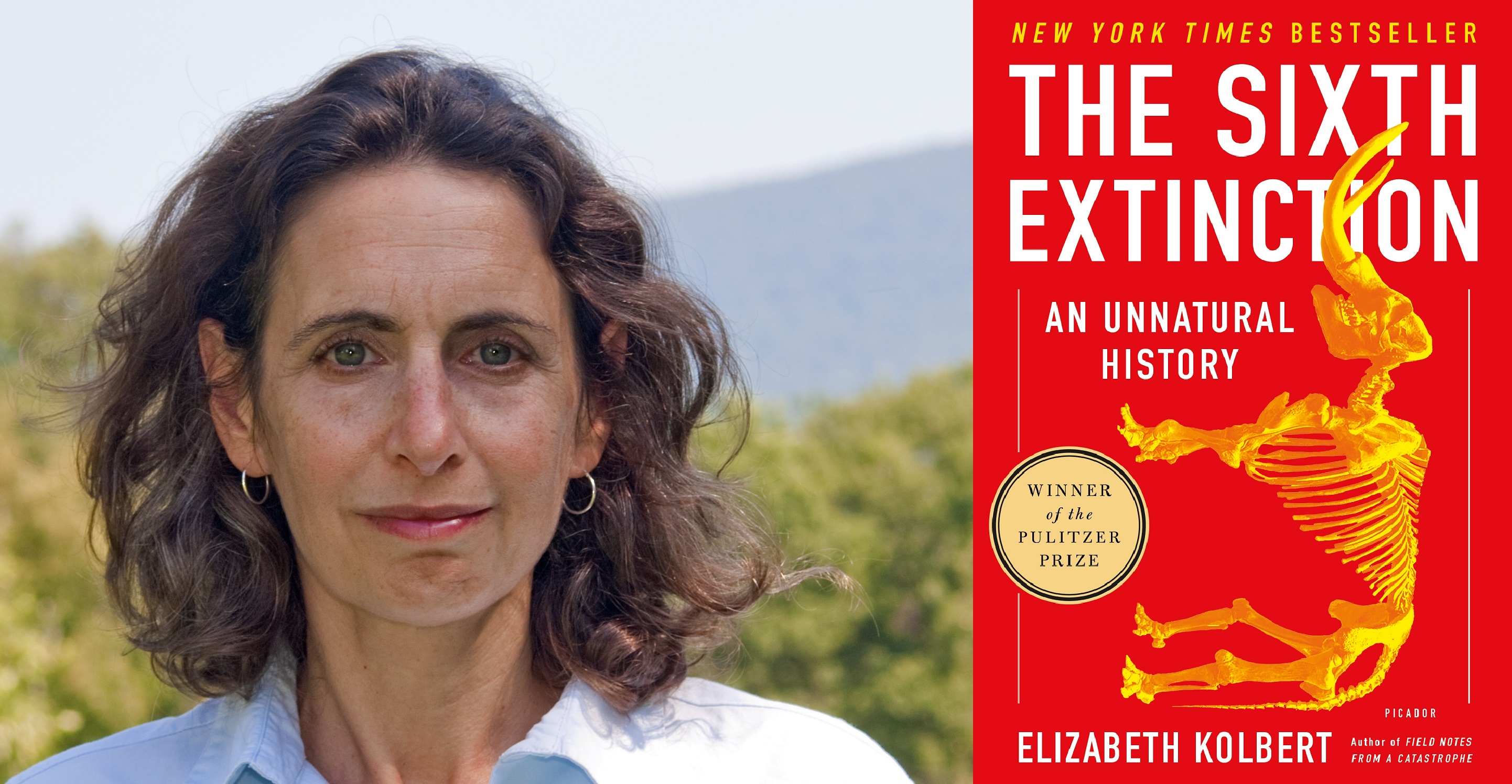 Kobert foresees a sixth mass extinction coming to fruition before our own eyes, as the climate crisis continues to grow, and argues that is our own doing. Using evidence of the massive decline in species over time, the book compares each event to what is happening in the modern world. The Pulitzer Prize-winning book is written with an urgency that can be felt through the pages, as Kobert emphasizes the gravity of the situation and what is at stake, and her message is clear; the sixth extinction is imminent if we do not act fast.
Braiding Sweetgrass: Indigenous Wisdom, Scientific Knowledge, and the Teachings of Plants by Robin Wall Kimmerer
In this book, the practices of Indigenous Americans are explored, with an emphasis on the particulars of the economic “gift” system central to many Indigenous principles.
This is put in stark contrast to the more greedy economic principles of modern capitalism, in which the values so important in the gift system, such as gratitude, reciprocity, and abundance are often an afterthought. Additionally, Wall Kimmerer’s extensive knowledge of botany, combined with her expert storytelling, creates a compelling story in which the alternative customs of a forgotten people are drawn upon. This uniquely written work of literature is a refreshing perspective in a genre of environmentalism that can sometimes feel like an echo chamber.
Man and Nature (later retitled The Earth as Modified by Human Action) by George Perkins Marsh
First published in 1864, and written by a United States Representative, this book may be the original text on environmentalism.
Perkins Marsh was one of the first to understand the extent in which humans are capable of harming and healing the environment, and argued that the responsibility of sustaining this planet therefore lies on our shoulders. Advocating for government policy, this book led directly to the creation of some of the first national parks, as Perkins Marsh’s main focus was on limiting deforestation and promoting sustainable land management practices. It’s important to consider this book in the grand scheme of environmentalism, as without this, the conservation effort may not have started for decades.
 Blinter Magazine
Leave a comment