
Imagine this: you live in an area where green space may be limited or grocery stores may be few and far between. When you do have the option to go to the grocery store, the shelves of produce at the front of the store have puny pieces of fruit and wilted vegetables, with steep price tags attached. So, instead of opting for the fruits and veggies, you make your way over to the shelves of non-perishables and pick up something a bit cheaper and more enticing than the wilted produce at the front.
Chances are, you may not have to imagine this scene too hard to picture and relate to it, given this is the reality for many people around the world. Whether it be the steep price tags attached to produce or the poor quality of the industrial-produced produce itself, many consumers typically have to or choose to opt for options that are cheaper, easier, and more widely accessible.
In many communities around the world, access to fresh produce is extremely limited or hard to access. In communities that are classified as food deserts, access to fresh, affordable produce is even more challenging.
What are food deserts?
Food deserts, as defined by the Food Empowerment Project, are “geographic areas where residents’ access to affordable, healthy food options (especially fresh fruits and vegetables) is restricted or nonexistent due to the absence of grocery stores within convenient traveling distance.”
Food deserts often pop up in urban areas, given the lack of space for grocery stores, lack of available green space, ineffective transportation systems, and other factors that make access to fresh food challenging. One key strategy to overcome this hurdle is community gardening.
What is community gardening?
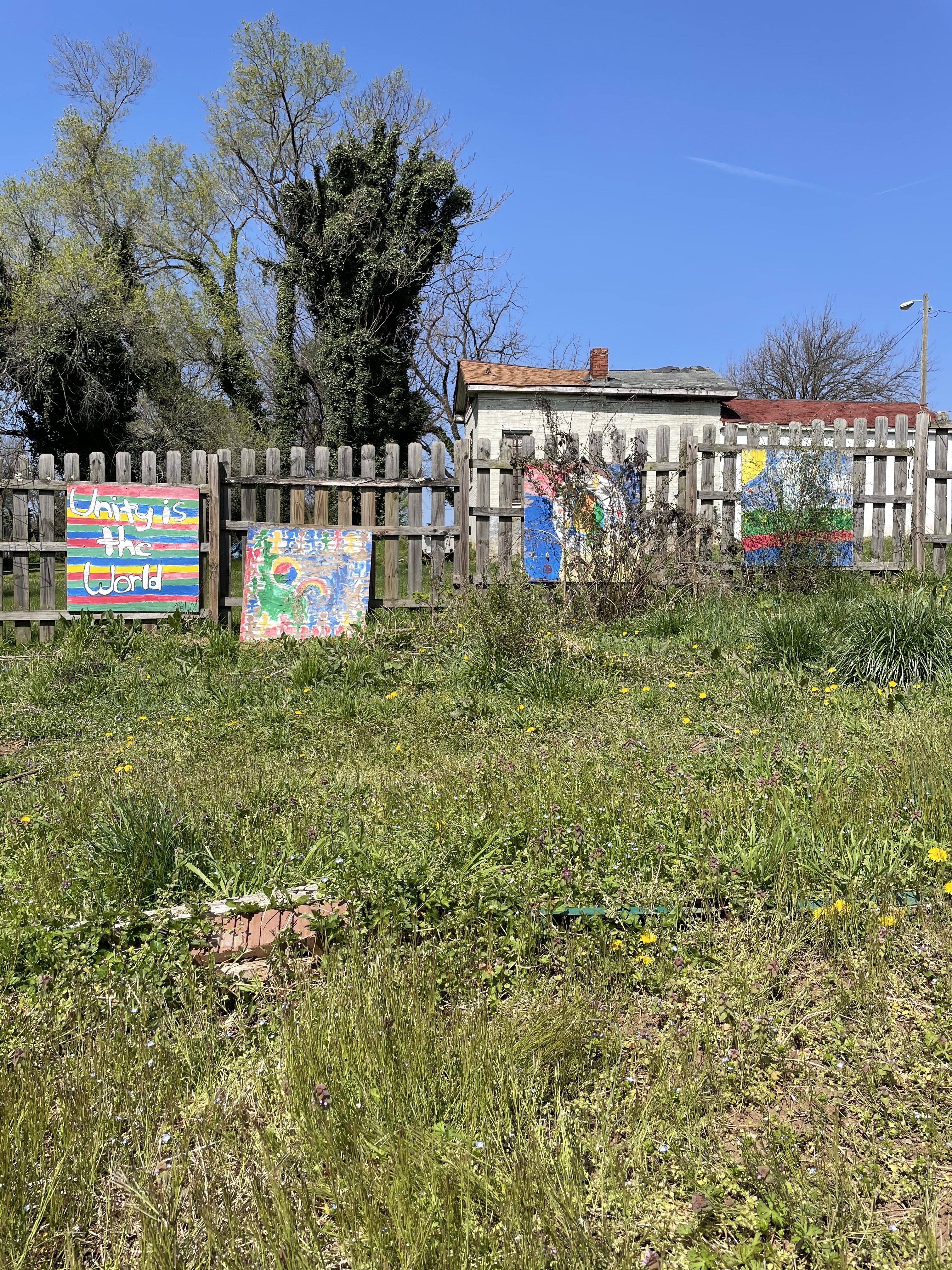
Community gardening brings agricultural practices back down to the community and individual levels. Community gardens provide many physical, visible benefits as well as many other benefits you may not think of right off the bat!
Community gardens typically are started by local governments, non-profits, community organizations or community groups. Community gardens have recently gained popularity in urban areas – which often are also areas that are considered food deserts – but also have been popular among communities in more suburban/rural areas. According to a study conducted by Zheng and other researchers in 2022, “urban societies have shown a strong acceptance of community gardening, as indicated by a 2022 study reporting 82.5% support for the establishment of new community gardens.”
Community gardens range in size and can be started on teeny tiny strips of land in urban cities, or slightly larger plots of land in more suburban/rural areas. The variability in size, mission, and production plan makes each community garden unique to the community it serves.
What are some of the benefits of community gardening?
Community gardening has many benefits and positive impacts on communities!
The most visible benefit of starting a community garden is the increase in access for the community members to fresh, healthy produce. Many starter crops are relatively easy to grow, and have a fast turnaround time from the time the seeds/starters are put into the garden to the time they are harvested. Harvesting your own food is not only awesome because you have access to homegrown produce, but it also is such a rewarding feeling knowing that you grew it!
Gardening also is a great way to get outdoors, connect with nature, and get some exercise! Since community gardens typically serve specific areas, community gardening can also provide great social benefits. Meeting like-minded people who want to help contribute to increasing access to fresh produce. What could be better than that?
Community gardens also offer a unique educational opportunity, whether it be to young children, middle-aged adults, elders, or anyone in between! Gardens can provide lots of lessons about agriculture, ecology, and nutrition. They also serve as amazing hands-on laboratories for people to utilize to get their hands dirty and learn from the plants and the Earth!
How do I get started?
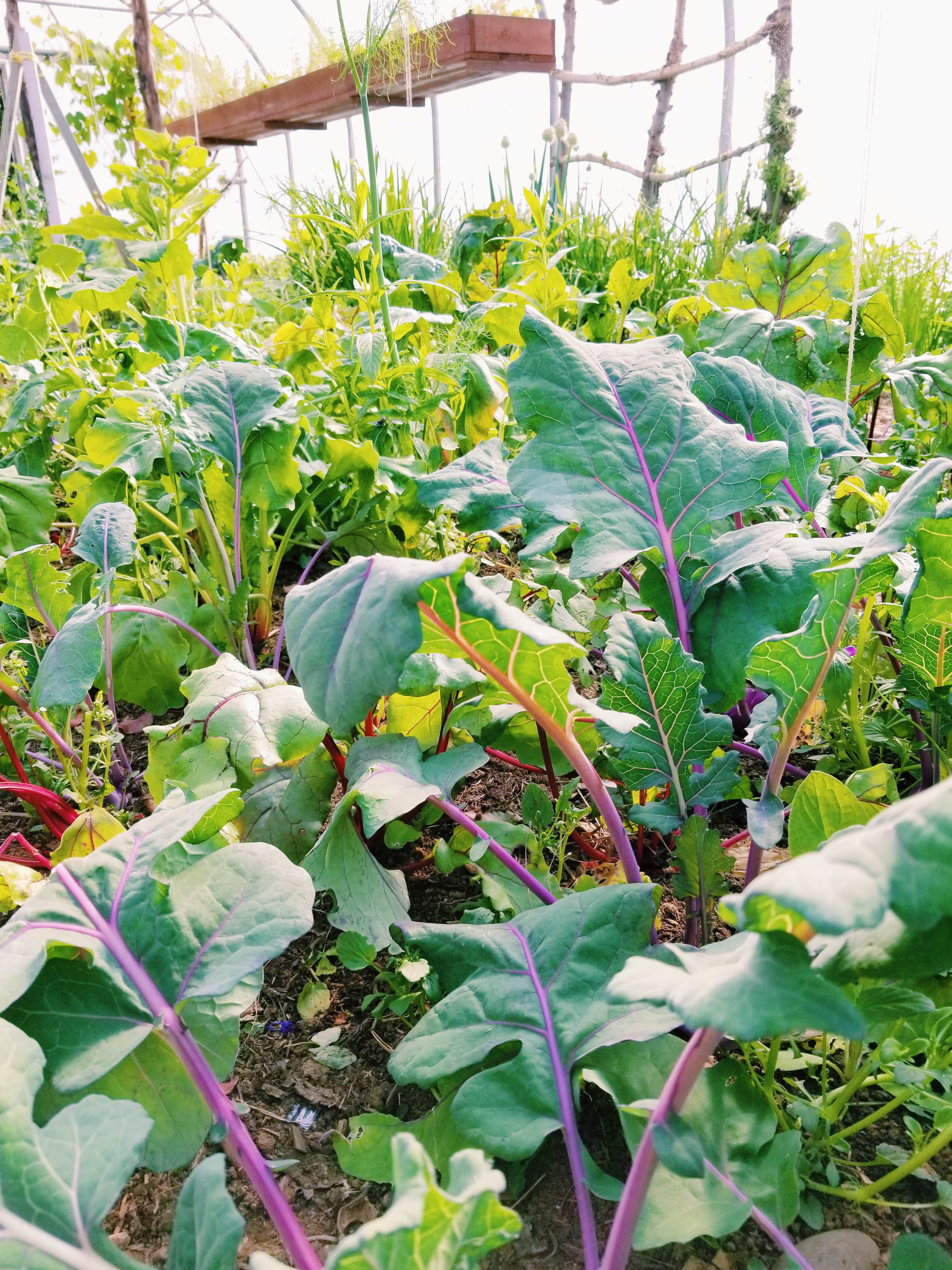
Community gardens may be a bit labor-intensive to start and bring to a new community, but are absolutely worth it and will provide benefits well worth the work!
One great place to start is to connect with local organizations – whether they be gardening/agriculture-related or not. Many local organizations may be able to provide resources essential for the start of a communal garden, such as financial resources, manpower, or knowledge.
Another great place to start is to connect with other groups that have started community gardens in other places all over the world! Talking to a seasoned community gardener may provide essential insight as to what the process of starting a community garden realistically looks like.
The United States Department of Agriculture also has tons of resources available on its website for communities that are interested in starting a community garden!
 Blinter Magazine
Leave a comment