

In March of 1986, a brand new, flashy McDonald’s opened in the heart of Rome, Italy.
The on-the-rise, global fast-food chain cooked up their typical foods that many of their customers worldwide love, carrying on business as usual. What they didn’t realize was that the opening of their new location would spark the development of a new social movement, known as “Slow Food” in protest of their practices.
What is the Slow Food Movement?
The Slow Food movement was officially founded in 1989 and is a global movement that was created out of protest.
It has now grown to be an active, thriving movement in more than 160 countries worldwide. Slow Food is composed of local groups and activists worldwide that are united by one common goal: to ensure that good, clean, and fair food is accessible to everyone on the planet.
How is Slow Food working towards this goal?
Slow Food works towards their common goal in three ways: defending biological and cultural diversity, influencing public decision-makers and the private sector, and educating, inspiring, and mobilizing the world around them.
Biodiversity
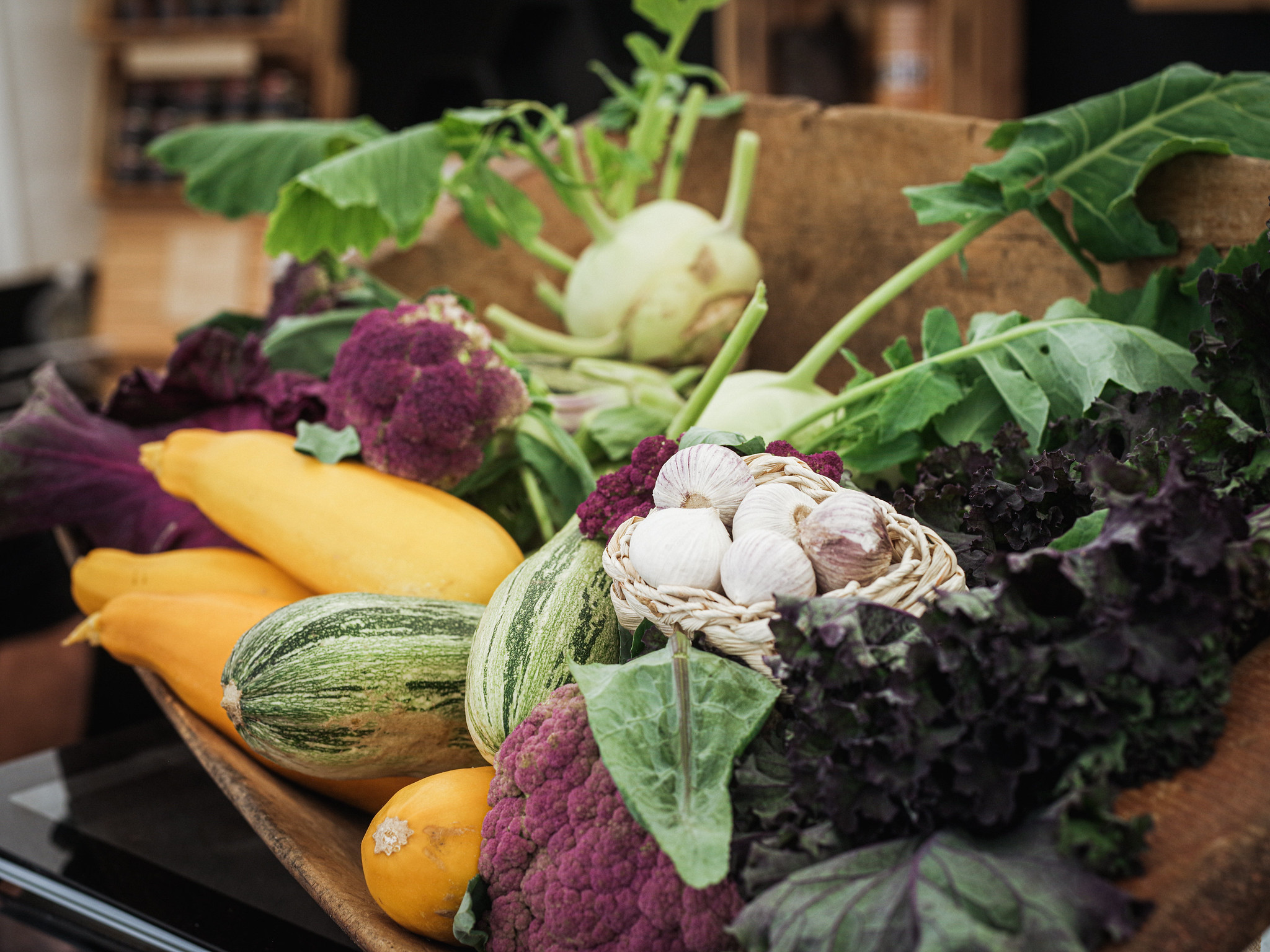
In terms of defending biological and cultural diversity, Slow Food aims to do so through education about where food comes from, what species we have already lost due to decreases in biodiversity, and what species we still have and can use to feed societies. As mentioned on Slow Food’s website, “Slow Food was the first to consider food products and production techniques as integral aspects of biodiversity, in need of protection.”
Some of the ways Slow Food accomplishes these goals is by cataloging endangered food products, promoting Slow Food through International Earth Markets, and exploring sustainability through Slow Food travel.
Education
Slow Food works to bring awareness and education to all about the social and cultural value of food. Their belief that food is a combination of pleasure, culture, and conviviality is what makes their angle regarding food education unique.
As an organization, its main method of increasing education is by delivering educational training, activities, and resources to people to increase overall awareness on the topic of food.
There are many vessels through which the Slow Food movement goes about increasing education. Some methods include developing school gardens, developing educational materials, and organizing exchanges and training programs for food professionals and educators.
Advocacy

One of the biggest challenges with our tainted food systems worldwide is a lack of advocacy.
Corporations and governments across the globe continue to worsen these pre-existing systems and need to be held accountable for those that worsen the state of the environment in order to make a quick buck. The change in our food systems has to come from governments and corporations, and to do so we must increase advocacy and make our needs known.
Slow Food goes about achieving increased levels of advocacy in many ways, and increased education is one of the biggest pieces of the puzzle. In addition to this, they also focus on advocacy in specific areas, such as urban food policy and the international sphere, as well as increasing participation in political events globally.
Slow Food also has a free advocacy toolkit available via their website that offers tips and tricks to help you spark change in your community!
How can I get involved in the Slow Food movement?
As an individual, the biggest thing you can do to become involved in the Slow Food movement is to make conscious choices in regard to food and educate yourself on food systems and the Slow Food movement’s values. Being a conscious consumer not only aligns you with Slow Food but also is a crucial step in doing your part to combat the climate crisis and poor food systems.

Another way to get involved is to become an active member of the Slow Food chapter near you!
Chapters are located in various countries and regions across the globe. Members receive exclusive perks and belong to a community of like-minded individuals pushing for change within food systems! If you are interested in becoming a member, visit this link to sign up!
 Blinter Magazine
Leave a comment