

By Keri Stewart
With a pair of binoculars, some hiking shoes, and a plane ticket, you can find yourself traveling to the Faroe Islands for a birdwatching adventure.
As you journey here, you can explore the vast species of waterfowl and landfowl that each of the 18 islands has to offer. Nestled in the North Atlantic Ocean, many of these islands feature a coastline and sea cliffs that harbor a variety of species.
You’ll be amazed to know that as of Ebird’s tracking, there have been 249 species identified overall on the islands and just 43 since the start of this year. With spring coming up in a few months, there’s no doubt that many favorites will migrate back for the breeding season.
Apps to download before your birding trip
As a pro, beginner, or aspiring birdwatcher, it is essential for you to download Ebird before traveling to the islands.
This wonderful citizen science app allows you to track species identified at specific landmarks like hiking trails, waterfalls, coasts, and more. With each checklist posted, users can also explore lists that others have posted to assess what times and locations species are most frequently reported in. As you continue to track birds on your journey, you’ll discover that your count of discovered species will increase.
If you find yourself struggling to identify birds, a helpful app to also download is the Merlin Bird ID app by Cornell University.
This app can identify birds by sounds which can be quite helpful for those with less identification knowledge. However, some birds can be mimics, so it is always a good idea to double-check the picture the app gives you with the bird you see in front of you. And even if you don’t end up identifying the bird, it is still wonderful to appreciate wildlife.
Ebird hotspots in the Faroe Islands
On Ebird, you can find the top hotspots to visit birds, along with the top Ebird users posting their checklists.
“Birding on the Faroes is just full of surprises,” says Silas Olofson, top Faroe Islands’ Ebirder and bird photographer.
“So much so that I simply expect the unexpected when heading out birding, be it a White-crowned sparrow from America visiting Viðareiði, a shy and skulky Water rail braving the winter at Eiði, or witnessing some astonishing acrobatics as Arctic and Great skuas hunt the vast numbers of breeding birds in the scattered seabird colonies along the rugged shores of our remote islands.”
Viðareiði
/>
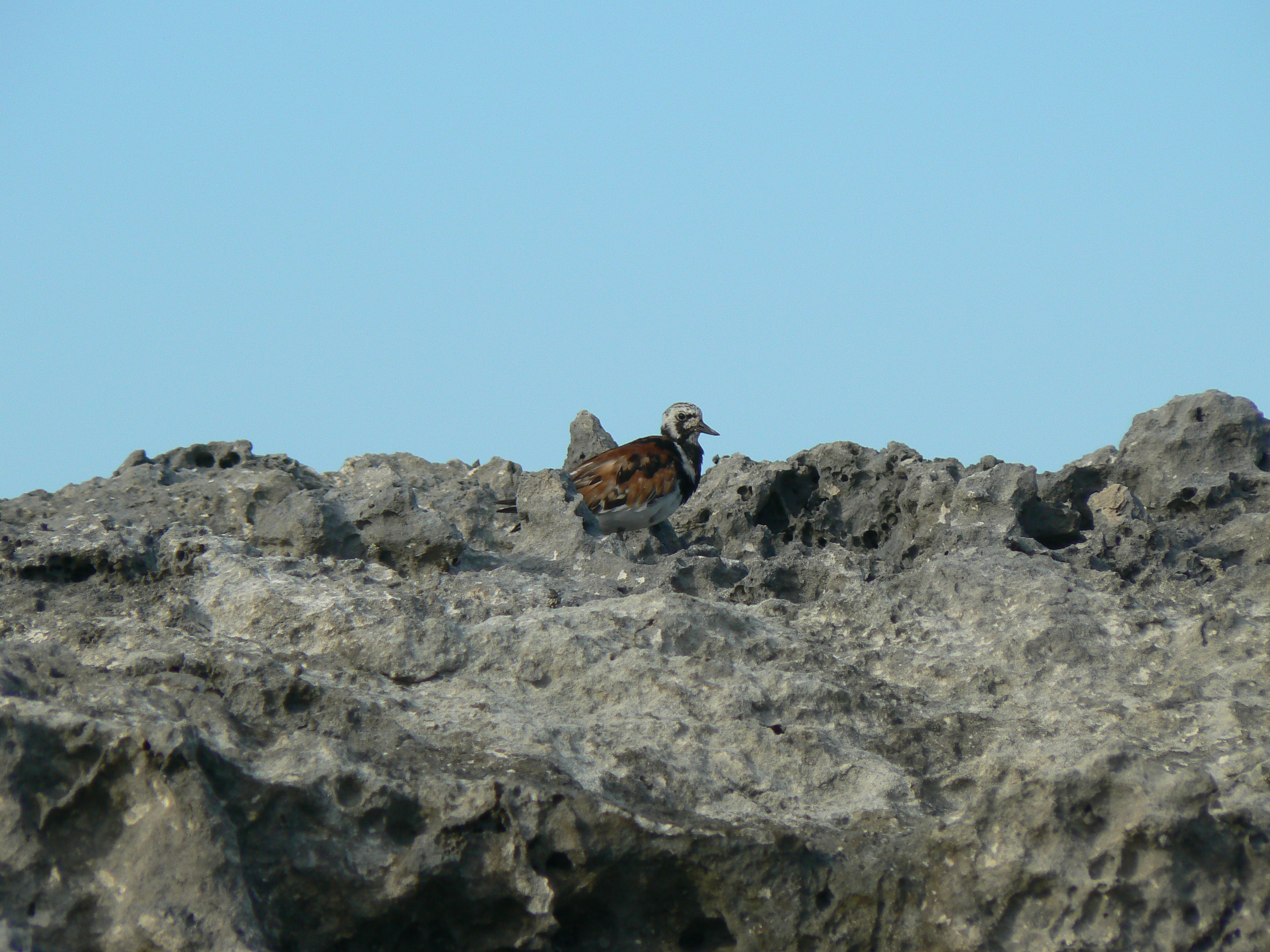
Viðareiði is a settlement on the island of Viðoy that features a green landscape surrounded by two mountains. The Mount Villingadalsfjall hiking trail is a popular spot to explore. Atop the cliffs, you can see the birds on the coast during your 2.8-mile hike.
Based on Ebird’s Bird List, the most counted species in this area during February are the European Starling, Ruddy Turnstone, Rock Pigeon, and Snow Bunting. This combination of songbirds, shorebirds, and pigeons offers a wonderful opportunity to see a variety of birds with different niches and behaviors. For instance, the Snow Bunting utilizes its whitish plumage to blend into its winter surroundings of February, reminding birdwatchers to be on the careful lookout for camouflaged birds.
Sumba
Ready for another uphill climb? Check out the Beinisvørð cliff on the coasts of Sumba, a village on the island of Suðuroy, to get a sight of both the area’s raging tides and green slopes. It is likely during February travels here that you will be able to track on your checklist a handful of species, such as the Common Eider, Ruddy Turnstone, and Rock Pigeon. Make sure to bring a good pair of binoculars with you as the elevation of the Beinisvørð cliff offers a great chance to view the Common Eider swimming in the oceans below.
Syðrugøta
One of the great aspects of the Faroe Islands is the coastlines and cliffsides that offer access to ocean views. If you want to be fully immersed in such an environment, the seaside village of Syðrugøta is a wonderful place to visit. This village sits on the island of Eysturoy, featuring many mountains to not only hike but also to capture beautiful glimpses of the area’s wildlife. During the month of February across many years, Ebirders most frequently tracked the House Sparrow, European Starling, Common Eider, Greylag Goose, and Red-breasted Merganser. As you explore the area, you can only hope to find these birds and more.
Eiði’s Lake

/>
A great place to go birding is somewhere with multiple biomes nearby such that there will be more biodiversity present. One of the great examples of this location is the lake at the Eiði village on Eysturoy island. As you visit the lake, you will be surrounded by mountains, a football field, a coastline, and a village. In the distance, you might even be able to see some of the sea stacks jutting out of the ocean. These multiple areas are perfect for cultivating a variety of species, such that Ebird trackers have discovered 95 different species throughout the years.
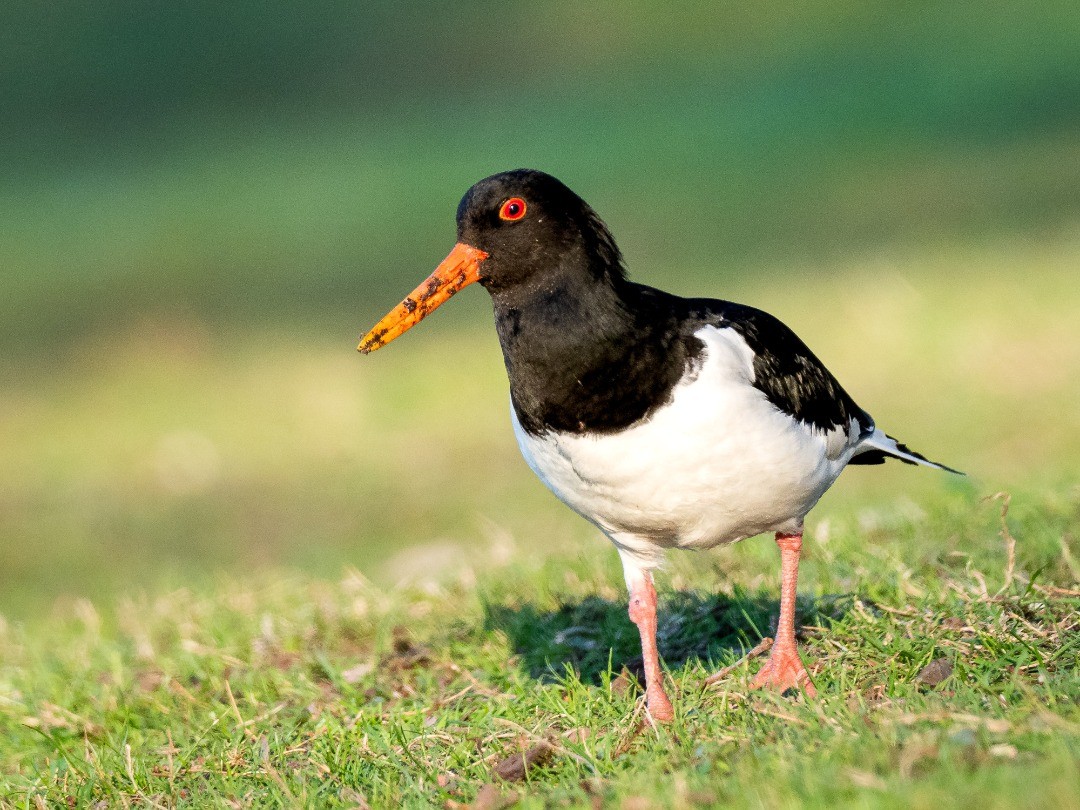
And if you are able to go during February, you may even be able to spot the islands’ national bird: the Eurasian Oystercatcher. Fret not if they make no appearance because you’ll likely find the European Starling, Northern Fulmar, Common Eider, Common Gull, and a handful of other species to quell your avian thirst.
Sandsvatn
If you can’t get enough of birding near lakes, then the Sandsvatn lake on Sandoy island is a wonderful choice. Wedged between two valleys, this lake offers a great array of wildlife, especially birds and fish. Whether you see waterfowl or shorebirds, the variety of wildlife offers a wonderful chance to be immersed in the environment through birdwatching.
Ebird trackers throughout the years have found the Eurasian Wigeon, Greylag Goose, and Ruddy Turnstone to be the most frequently counted birds in February. These two waterfowl and the shorebird are sure to light up a mood with their waddles and wades. Be sure to be on the lookout for these neutral-colored birds in February.
Where to find the national bird
/>
After a long trip of birding around these five hotspots, you should check out Mykines Island and Tórshavn on Streymoy Island to witness the Eurasian Oystercatcher in its natural environment. While they’re more frequent in the spring for breeding season, you may be able to catch a sneak peek in areas with low-growing plants, such as heathlands and moorlands, as this common shorebird enjoys those types of environments.
If you decide to search for an Oystercatcher in February, why not stay until the end of March? On March 12th the Faroese celebrate Grækarismessa which appreciates the arrival of spring and the Oystercatchers migrating back to the islands.
What about the future of birding?
While there is an abundance of avian biodiversity within the islands, it is important to acknowledge how populations become impacted by their environment and to be aware of potential causes.
A study published by Ivan Olsen et al. in 2024 investigates how Faroe Islands’ seabird populations have been declining rapidly, likely due to less food available at sea from climate change and commercial fishing.
Earlier in 2023, Anshul Chauhan et al.’s study explored how climate change is negatively impacting the food web, starting at the base level: plankton; the rising temperature of the ocean leads to less phytoplankton, causing an ecological disruption in the food web.
Between climate change and commercial fishing, it’s important to acknowledge how our actions impact the environment around us. Without a sustainable environment, there would be no birds to admire, much less anything else.
 Blinter Magazine
Leave a comment