

With the rise in awareness of how our environments affect our mental, social, and physical health, now intensified by climate change’s effects, designers and residents are looking for new ways to live with nature.
Biophilia, a love of life, is a psychological theory that humans need a connection to nature. It refers to how we have been surrounded by biodiversity throughout human history and that these diverse interconnections to nature are important to healthy physical and psychological development. In considering our transition to built and artificial environments, biophilic architecture offers us a tool to continue an emotional connection towards other natural living organisms to create healthy and resilient people and environments.
What is biophilic architecture?
Nature has always been used as a source of symbolic and decorative design within homes and buildings.

However, in architectural fields, “biophilic” becomes the physical manifestation of our inclination to affiliate with natural ecosystems. Biophilic architecture is the conscious inclusion of natural materials, patterns, and forms into buildings to create a sense of engagement between the elements and the person.
These features can be direct, by embedding spaces with light, air, water, and plants, or indirect, by utilizing spaces to include images of nature, natural materials, colors, organic shapes, and biomimicry.
Studies on biophilic architecture often begin by explaining how the concept of “nature” itself remains ambiguous. For a field like architecture, which requires a significant degree of structural and quantitative data, the ideas of “nature” have made the adoption of biophilic design a question of efficiency. However, these multifaceted definitions of “nature” allow biophilic design to reach into creativity and possibility, from concept to reality. Much like natural ecosystems, the boundaries between biophilic designs are fluid and interdependent, encouraging a combination of approaches and elements.
One approach is being inspired by nature, orienting the expression of the building to mimic biological systems and natural shapes. Mimetic biophilic design is achieved using botanical motifs that hold definitive meanings or symbolic significance within society.

The other approach is more applied, as designs are added as a layer onto or into the building, to appear as part of it. These surface approaches include elements like extensive green roofs or green walls, or more 3D applications like intensive roof gardens, use of balcony space, and indoor gardens, creating a healing environment for users of the space.
How popular is biophilic architecture?
The emergence of biophilic design refers to how ‘nature’ can be conceptualized in architecture.
As urbanization continues to expand globally, and we lose more and more biodiversity, biophilic design addresses our ever-growing deficiency in a human-nature relationship. Sustainability in architectural discourse has grown even more recently in the past two decades as designers and planners come into direct contact with resource depletion and new weather patterns.
Is biophilic architecture sustainable?
The UN’s environmental program has published a Global Status Report for buildings and construction. It states that the “buildings and construction sector contributes significantly to global climate change, accounting for about 21% of global greenhouse gas emissions. In 2022, buildings were responsible for 34% of global energy demand and 37% of energy and process-related carbon dioxide (CO2) emissions.”
The report includes a short chapter titled “Nature-based solutions and biophilic design.” It acknowledges that these design strategies promote sustainability and climate regulation, contribute to water and air purification, aid in habitat creation, and mitigate the urban heat island effect. The chapter also notes the low investment in these fields but points to the benefits of biophilic design in healthcare settings, as seen in the design of Erasmus MC, a hospital in the Netherlands.
Studies point to an indirect positive of a building’s physical sustainability. The more artificial designs work just as natural ecosystems would, so its implementation and continued maintenance can increase the humidity of the air which helps with ventilation and prevention of dust accumulation.
Biophilic design can also contribute to a building’s sustainability by enhancing energy and resource efficiency.
What are the benefits of biophilic architecture?
Biophilic architecture’s main offering is perhaps its ability to foster an emotional relationship between humans and nature.
This holistic viewpoint can be included in various levels of construction since the benefits of human health and well-being transcend into how we accomplish other sustainability goals locally and globally. In fact, biophilic design can enhance the health and productivity of humans. A connection to nature is understood to benefit humans across various settings, such as recreational, work, residential, and educational. As users engage with the more natural settings and views, they are provided with feelings of relaxation, increased focus and attention, and emotional regulation.
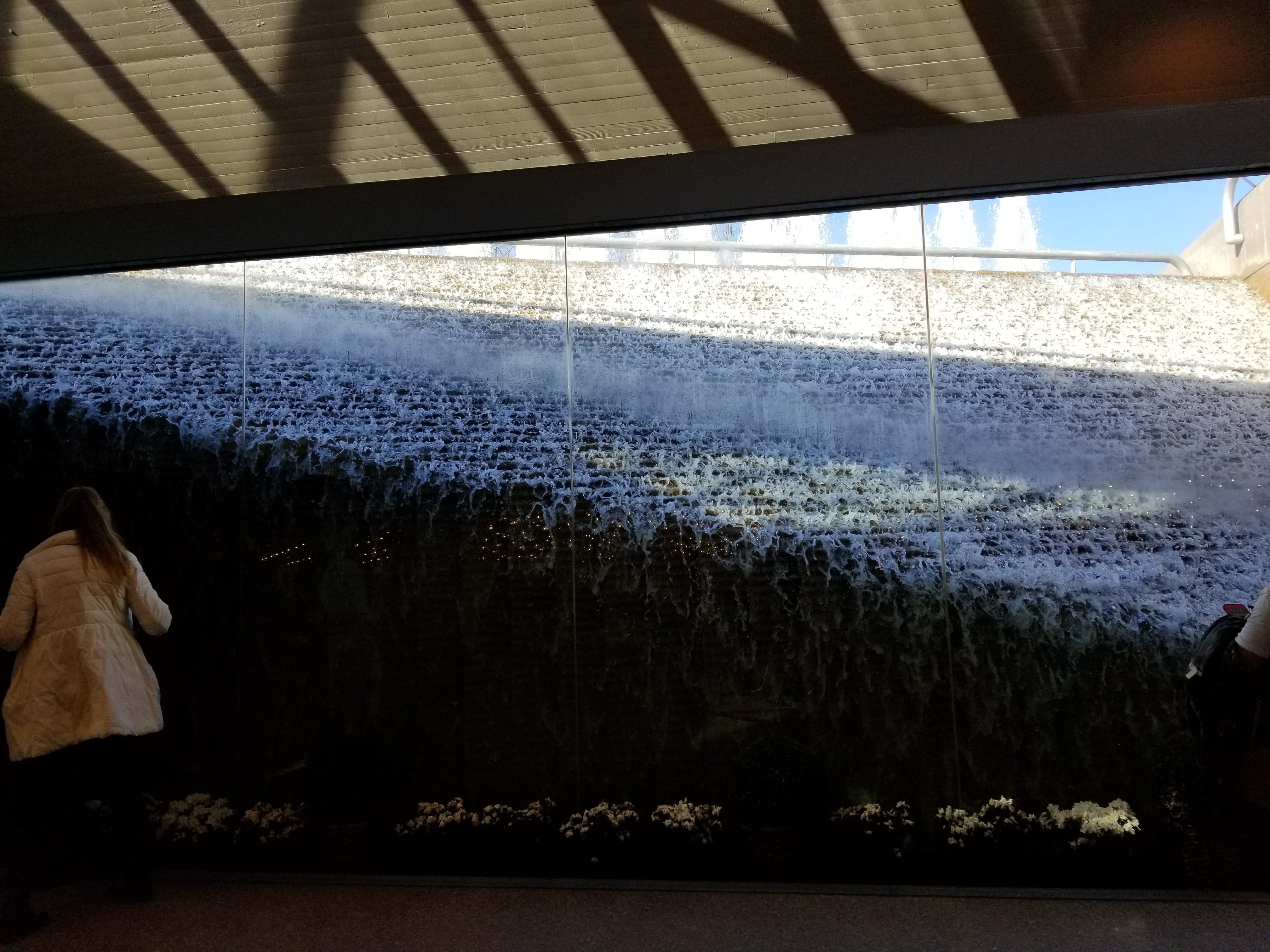
In recognizing nature’s multisensory aspect, newer to Biophilic design is the incorporation of auditory and olfactory experiences that could bring restorative benefits to humans. All these forms aim to create a sense of place for those who interact with the building or space, which is often lost in conventional building settings.
Place-based relationships draw on the complexity of the natural environment to work off of a reparative mindset and focus on responsive change. Successful biophilic architecture embodies a natural interaction you would find outside of heavily built environments. It allows for cross-connections, openness, and reflection, but can also serve as a place of refuge.
In the end, biophilic elements are instruments for enhancing mental health, reducing stress, and fostering social connections.
Are there downsides to biophilic design?
The “greening” of spaces and buildings can also have negative drawbacks.
There needs to be caution within the rise of biophilic architecture, or more generally with green design, as it gets used as a marketing tool, undermining broader environmental, social, and economic issues adjacent to housing and buildings.

Sustainability after all is a balance between economic, social, and environmental realms. Sacrificing one for the other can risk “green-washing” the project.
For further reading, check out the World Green Building Council’s “Circular Built Environment Playbook” and their chapter on regenerative nature. You can also view the Biophilic Cities site to see examples in cities around the world.
 Blinter Magazine
Leave a comment