
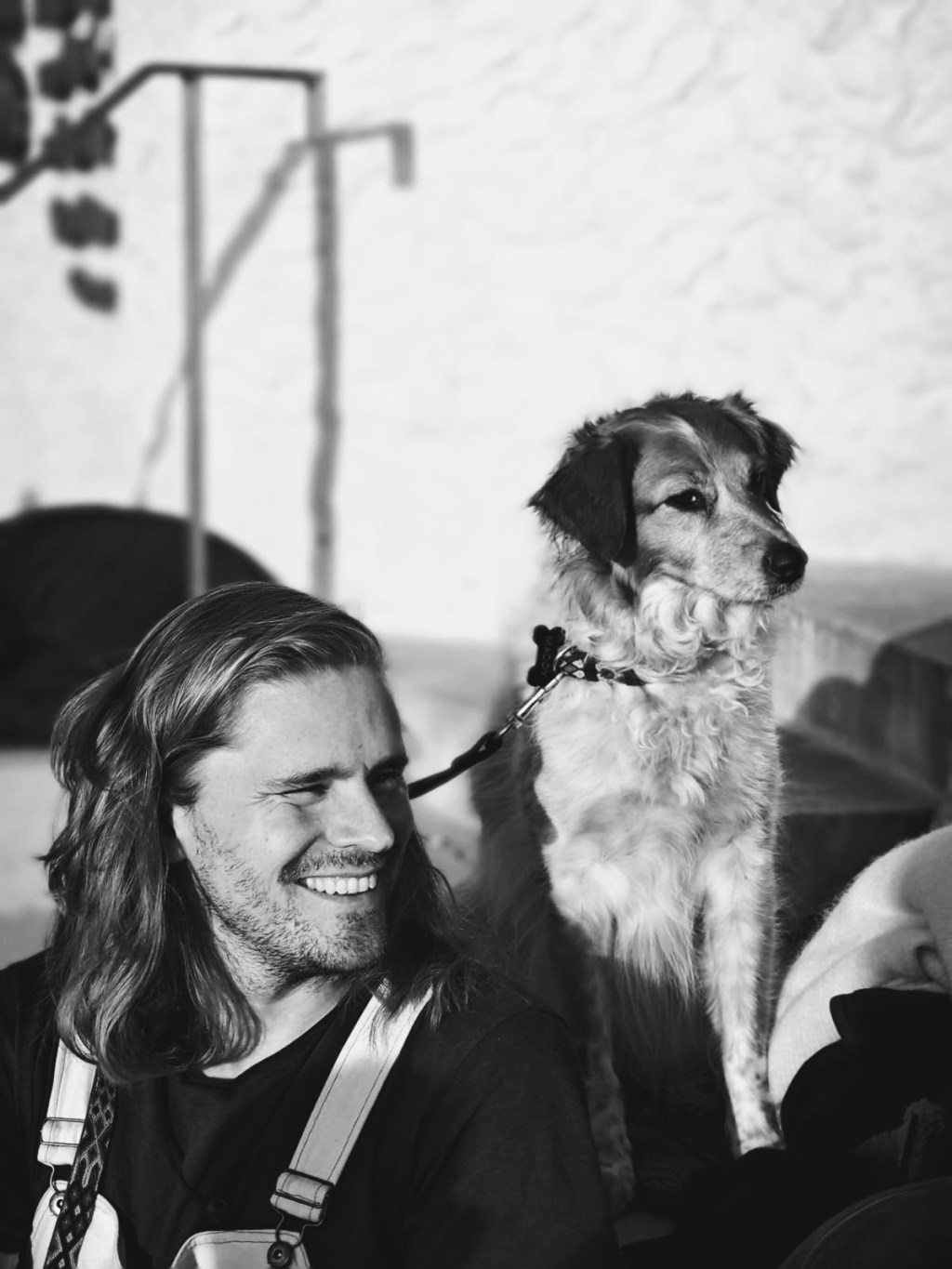
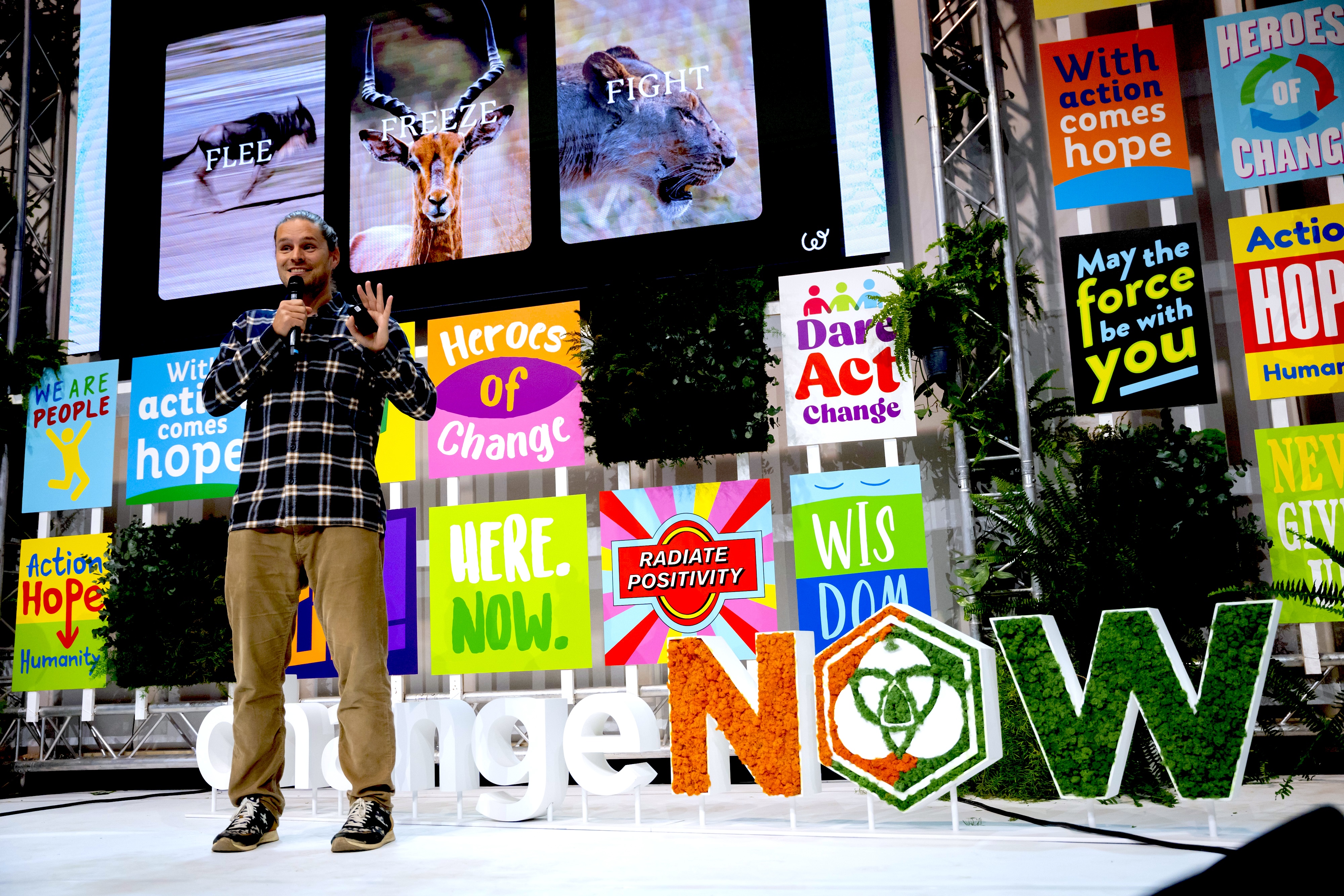
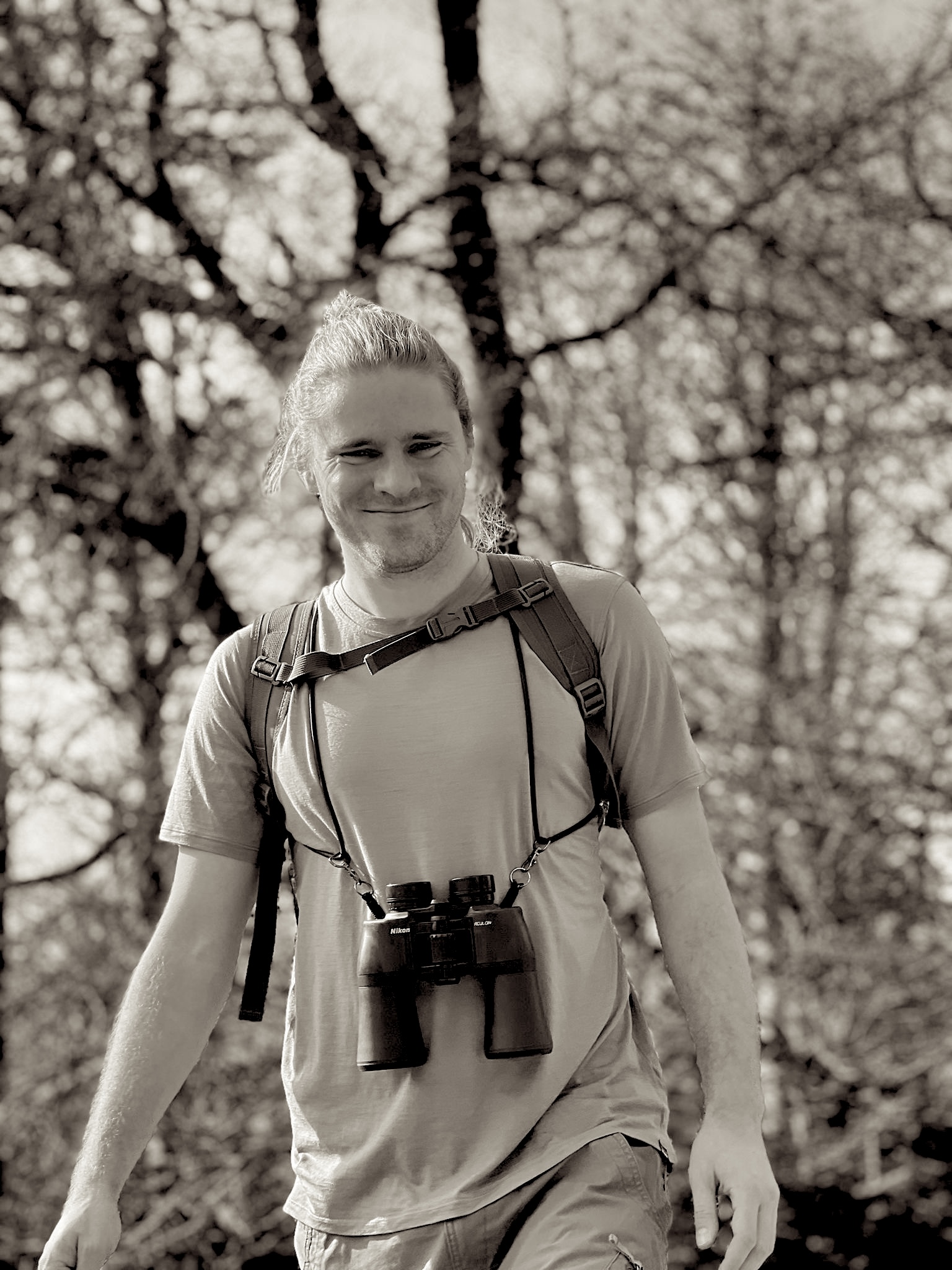
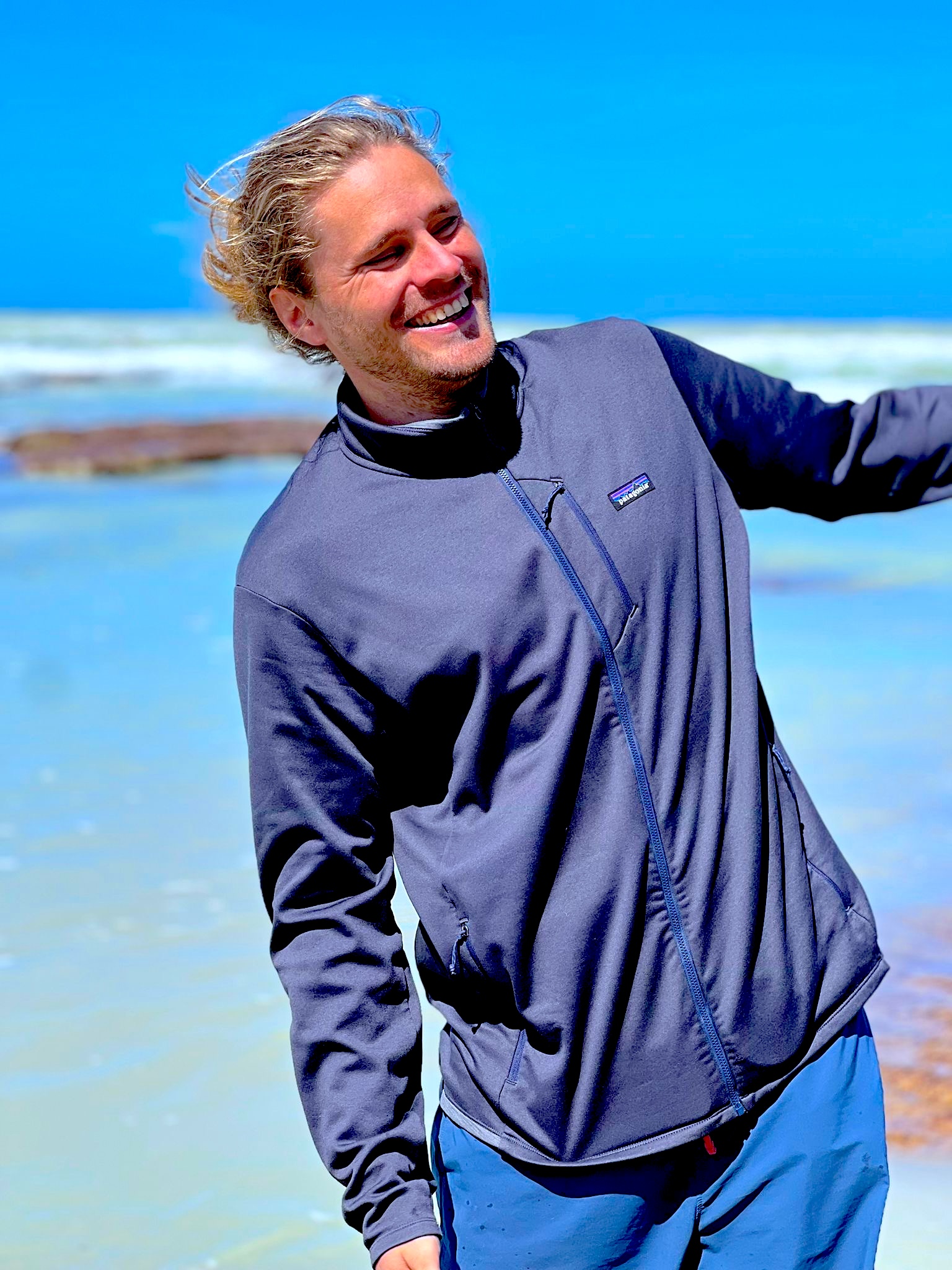
Meet Oliver Dauert, the founder of Wildya, an organization that is making resources accessible for those who want to get involved in environmentalism and those dealing with climate anxiety.

Our editorial team had the opportunity to chat with this “ecopreneur.” We got to hear all about Dauert’s vision, background, and how his work at Wildya is helping businesses go green. This conversation went as follows:
What would you like readers to know about Wildya?
We’ve talked enough about the nature crisis. We got 16 biodiversity COPs. The science is clear. We have the solutions. I want to see action.
So at Wildya, you’ll find a vibrant community of nature lovers, hands-on learning experiences, and the resources you need to transform your environmental passion into powerful action.
We aim to remove all your obstacles so you can leave the world a little better and a lot wilder.
Nature has brought you peace and recentering throughout your life. Why do you think that is?
We tend to forget, but we are animals too. As a species, we spent much more time throughout our history immersed in nature than in grey cities. So, for me, it only makes sense that we are far more at peace in a forest than in a city that overstimulates our eyes, ears, and noses.
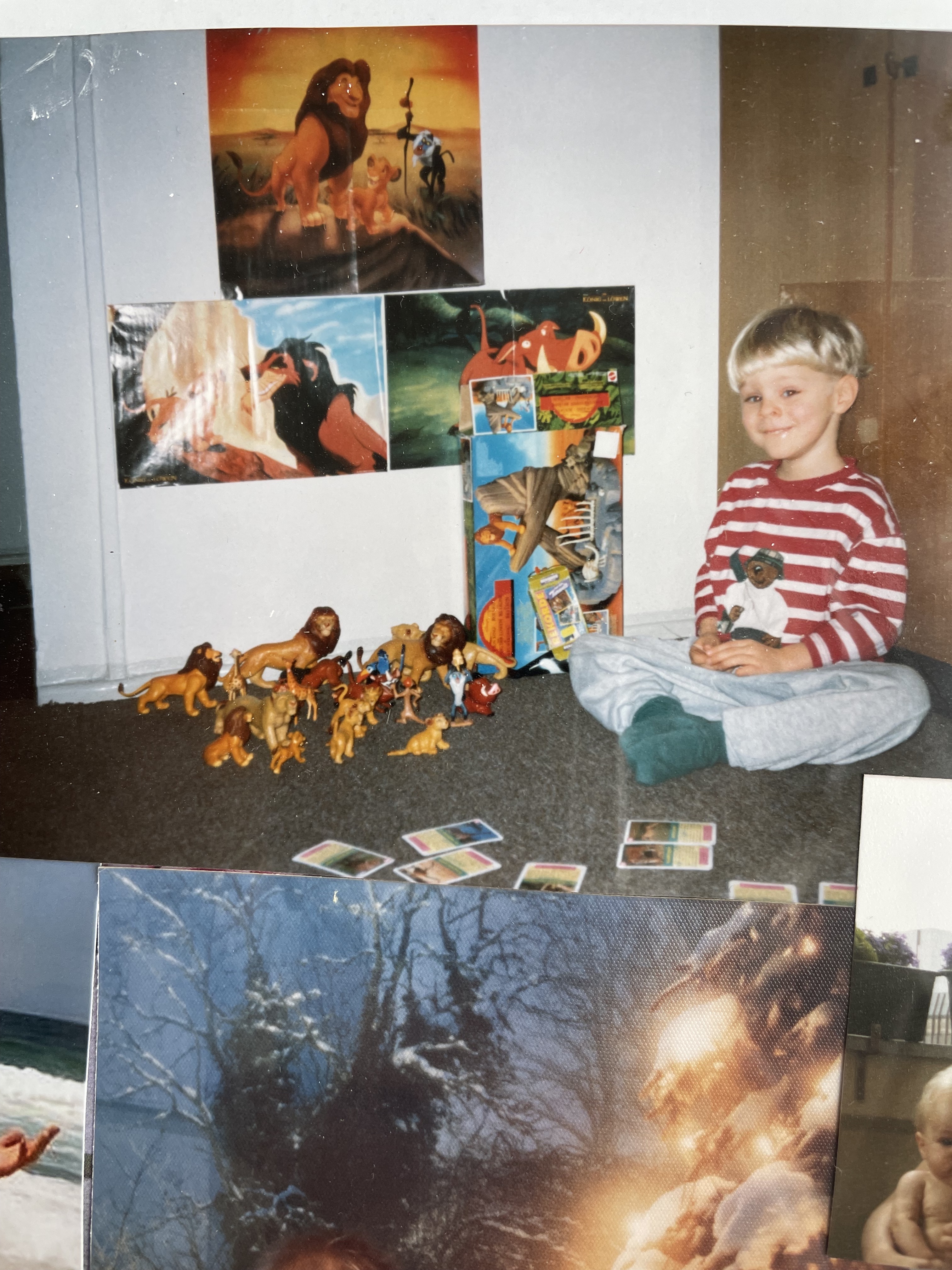
I guess I was just more sensitive to the beauty and this calling of nature than others in my surroundings. Where others grew up seeing the beauty of and having a fascination with cars and fashion, I always got drawn to birds, insects and fungi.
The older I got, the more I also realized the positive benefits being in nature had on my creativity, productivity, and mental health. So, I made it more of a priority and even scheduled nature into my daily to-do list.
Eco-anxiety is a real issue for those from all generations, but especially millennials and those who are younger. Why do you think this is such a big problem for them specifically?
Because we are the generation that has to pay up. I always compare the climate and nature crisis to a credit card.
You can live beyond your limits. Our planet is incredible and keeps on giving.
Yet sooner or later, you overextended your credit limit. The bank will come and ask you to pay up. If you can’t, your credit card will be shredded into pieces.
Our home currently sends us clear signals that she is out of her comfort zone.
So, we are the first generation that truly has to pay up for all the bad decisions our ancestors made or that our neighbors are still making.
That creates enormous pressure. We can’t say anymore that we didn’t know. We know.
Yet millennials and younger generations see that these topics are just ignored by global decision-makers.
That knowledge of the situation and the inaction of those who are supposed to tackle the crises are, in my opinion, leading to this dire situation.
As someone who has struggled with eco-anxiety yourself, do you have any tips for those dealing with it?
Yes, taking action and building community. By now I’ve read so much about this. I tested. I interviewed. I built solutions.
Based on my observations, it boils down to these 2.
First, take action. Taking action reclaims your power. My anxiety was the worst when I felt powerless. The world was losing its wilderness. Yet, instead of doing something, I got paralyzed. What should I do? What can I do? So my advice is just to start with something small. Something that you can do in 5 minutes and grow from there. E.g. skip meat one day of the week.
With every small action, you gain more and more confidence. Plus, taking action also becomes a positive drug that you want more and more of. It’s a great feeling to finally take action.
Second, build community. Sooner or later, you will realize that you won’t be able to fix such macro crises alone. You need to connect and collaborate. The journey is much easier and more joyful if you gather around like-minded people who also want to take action.
Now you can see why I am building Wildya. Both of these tips are the key to getting people from eco-anxiety to eco-action.
A lot of those in the business world seem to think that sustainability/a concern for the planet is oppositional to profit/financial success. What would you say to them?
That might be true in short-term thinking if you only think from quarter to quarter. Here, of course, your only goal is to maximize profits. No matter what will happen in Q2.
However, if you are playing the long game and want your company to exist in centuries to come, you have to play differently.
You have to build your company in such a way that the credit card doesn’t get shredded. Companies, on average, do much better in times of prosperity than in crisis.
Yet that is definitely not the direction we are heading right now. If companies want to thrive in the future, they need to take their responsibility seriously and take real action.
What are some ways that brands and businesses can use sustainability for their benefit?
First, to get ahead of their competition. If I, as a customer, can choose between a solution that destroys my future and one that doesn’t, I pick the latter.
Second, it also allows you to attract better talent because employees are realizing that they are contributing to the status quo with their work. So plenty of the most extraordinary talents are now looking for jobs with purpose. And if you have the greatest talents, you will see the results.
Third, it makes your company more bulletproof for the future. You won’t be affected by governmental restrictions and impact reporting. While other companies will have to change their entire businesses, you will already be ahead of the trend and reap the fruits.
Who are some people that you admire?
Kris Tompkins and Neil Melleney.
Kris Tompkins is my biggest nature idol. She was the CEO of Patagonia for a long time and helped to grow the company into the force of good it is today. But that was not enough for her. So, with her husband, Doug Tompkins, she bought degraded land in Chile and Argentina to establish national parks. By now, they protected 44,000,000 acres of nature and rewilded 14 species.
And while Kris is great, I always look for biodiversity heroes in my surroundings. Neil is a constant inspiration for me. He is a rewilder at a rewilding company called Ecosulis. Whenever I meet him, I learn plenty of new things about our natural world. He still has this child-like fascination for nature, which is something I truly admire. He’s exactly the kind of person I like to hang out with.
Do you have any reading recommendations for our readers?
I love to read, so this is a tough question for me. I will keep it to 3 books.
Atomic Habits – Most of our destructive force comes from bad habits. So, learning how to transform your negative habits into habits that boost you and nature is the key.
Belong – Find your people, create community, and live a more connected life. It’s a great book for everyone that currently feels lost. It helped me immensely to reflect on who I am, who I want to be, and who I want to surround myself with.
Rewilding: The Radical New Science of Ecological Recovery – This is one of my favorite nature books because it simply explains the power of rewilding. In a nutshell, we can improve our credit score by bringing back those species that we have lost. Rewilding is a concept that really paints a positive picture.
You’ve traveled a lot. Where is a place that made you feel the closest to nature?
I am now in the lucky position that my nature radar is much better. So now, even in bustling cities, I can find nature, species, and life and appreciate it. But I have to say, I still love going to places that have intact ecosystems and are full of life.
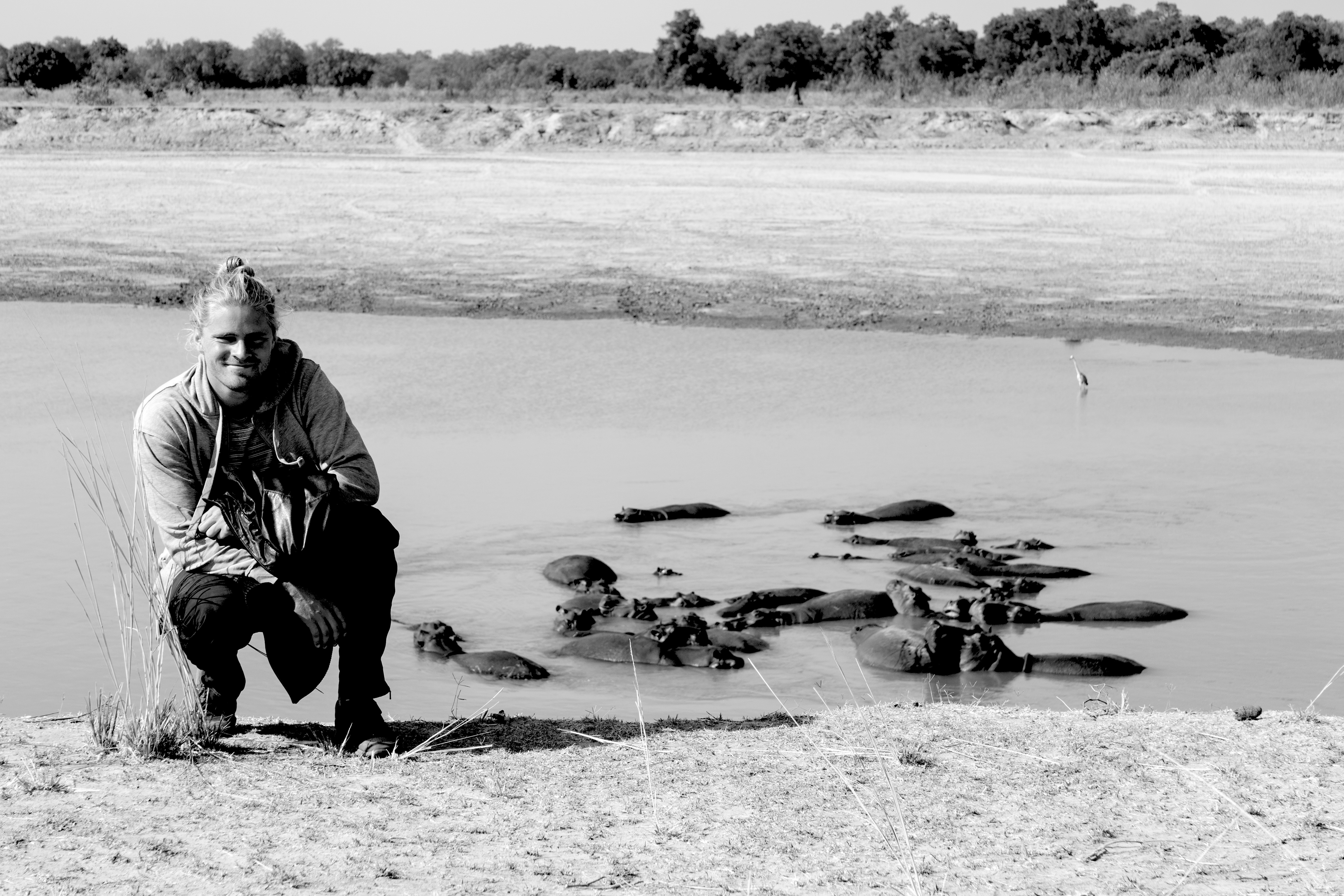
My favorite was probably the Okavango Delta in Botswana. That place just feels surreal. I am sure if people like Elon Musk and Jeff Bezos would visit it, they would forget about their rockets to Mars and would do everything in their power to protect and restore our beautiful wild home.
What is your vision for the future of Wildya?
Becoming the action catalyst for nature and getting more people into action mode so they can transform their families, companies, communities, and even governments. That’s my dream.
I try to imagine the world’s future if there were 1,000,000 biodiversity builders. From there, I keep on dreaming about 1,000,000,000 and more. Right now, I just try to take it step by step and take action every single day. Because as Kris taught me “Hope is not free, you have to earn it”… by taking daily actions to build a wilder world.
 Blinter Magazine