
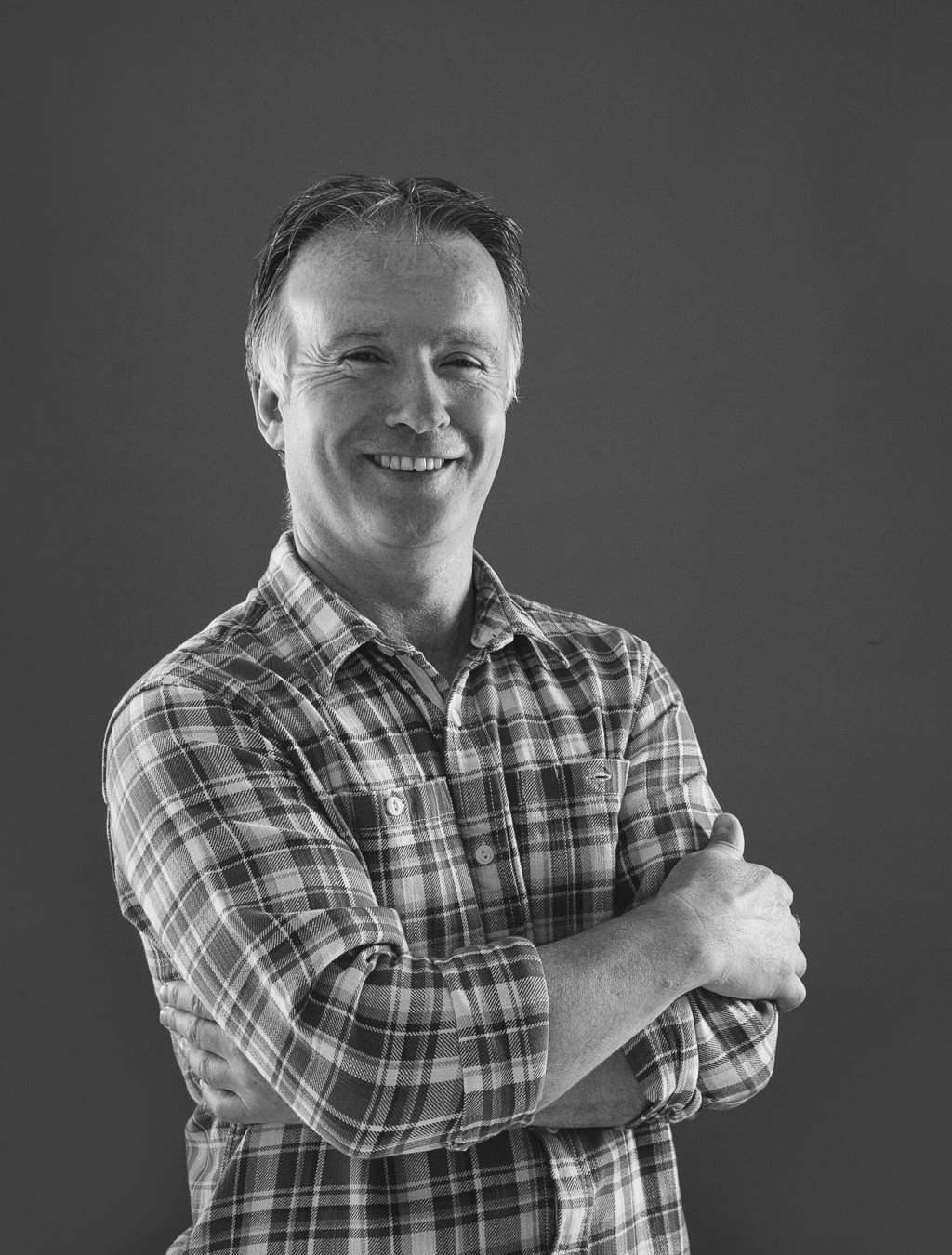
Meet Peter Cairns, the executive director of SCOTLAND: The Big Picture, an organization making rewilding a reality across Scotland.

Our editorial team had the opportunity to chat with this champion of the great outdoors. We learned all about Cairns’s work, background, vision, and homeland. This conversation went as follows:
What would you like readers to know about SCOTLAND: The Big Picture?
We’re a charity that works to make rewilding happen across Scotland as a solution to the growing climate and biodiversity crises. We work across two focus areas:
1. Driving Support for Rewilding through communication, advocacy, and engagement events.
2. Committing more land and water to rewilding, through a network of land partners delivering action on the ground.
Our vision is of a vast network of rewilded land and water across Scotland, where wildlife flourishes and people thrive.
Your background is very much rooted in environmental storytelling, from your work as a conservation photographer to your communications roles. What do you think is the key to effective climate storytelling?
Historically, the conservation community has tended to trade in science. We believed that if people are properly informed with ‘evidence’, statistics, and facts, they will make different choices. Now, of course, we need science to inform our policy decisions, but generally, people are driven by their values and belief systems, which are infinitely complex and often illogical. So, we need to understand the complex motivations behind people’s choices. To this end, as communicators, we need to speak to people’s hearts perhaps even more than their heads.
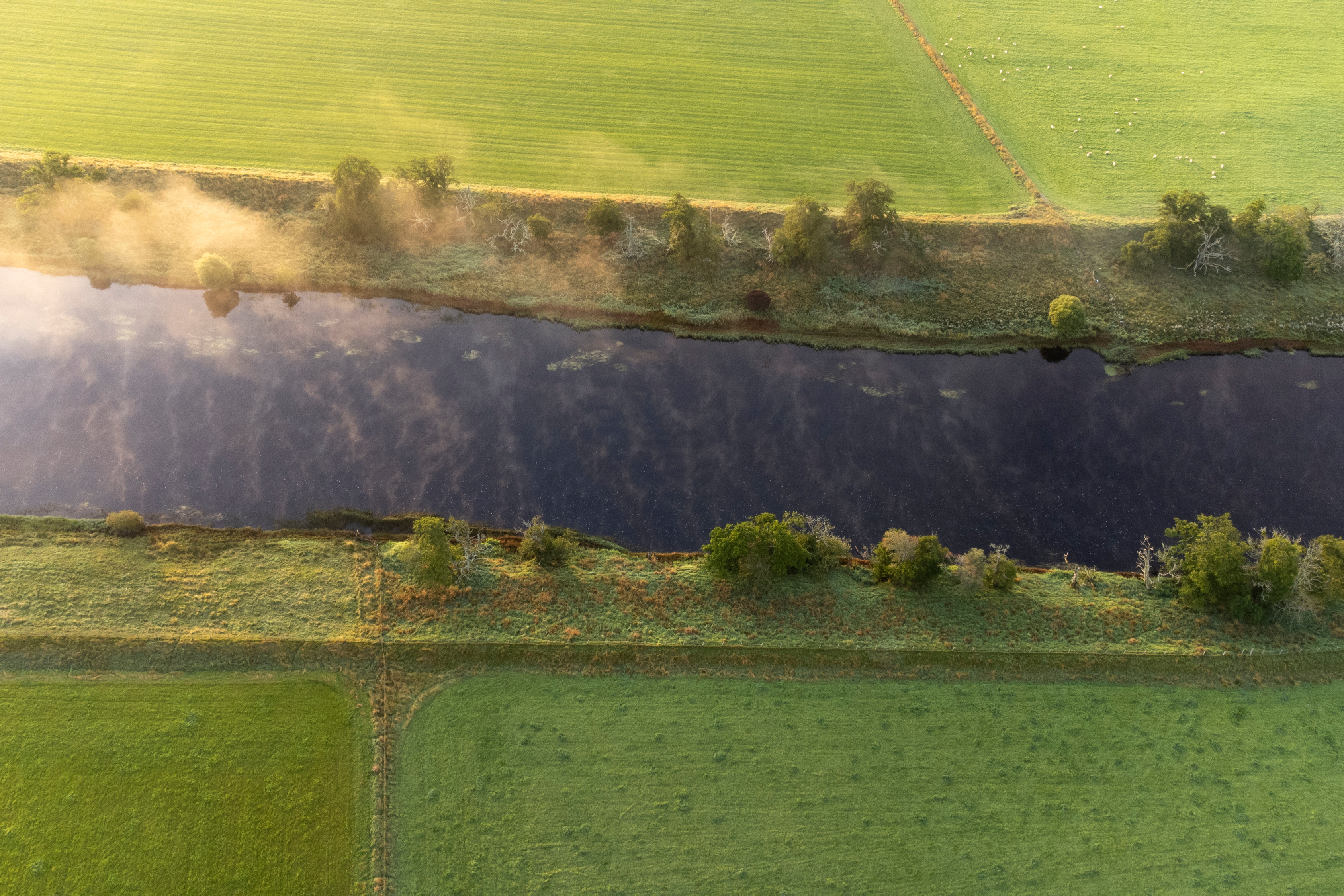
Rewilding is about a fundamental reset in the way that we perceive the landscapes around us and the species that share our space. We need to reimagine a new relationship with wild nature. That requires skillful communication and storytelling from many different people across many different platforms.
Where are three places in Scotland that you wish everyone could see?
Glenfeshie, Glen Affric, and Carrifran in the Borders. These ‘landscapes of recovery’ all provide a glimpse of what Scotland could look like with a change in people’s perspectives.
Are there places from your childhood that inform your work today or your appreciation for the planet?
Not so much from childhood, but I’ve been fortunate enough to travel and see other countries that share similar geological and climatic conditions to Scotland, that still have much more ‘intact’ nature. An obvious example would be North America, but closer to home countries in Europe are embracing wild nature. This is reflected in the return of large predators like lynx, wolves, and bears, which have been expanding across mainland Europe in the last two decades and are now thriving in places where they’ve not been seen in generations.

If it can happen elsewhere in Europe, why not Scotland?
What makes Scotland’s ecology and landscapes so special?
There is no doubt that Scotland is a country of great drama and beauty. It’s a country of contrast and change – especially the weather – and it’s also a country of wonderful people.
From my point of view, however, vast areas fall way short of their ecological potential. There are pockets of native woodland, but we retain just 3% of our original forest, making Scotland one of the least wooded countries in Europe. There are iconic species, such as golden eagles, red deer, and bottlenose dolphins but again, there could be a much greater diversity and abundance of wildlife.
Rewilding is a critical part of protecting our livable planet. What can you share about that work for those who might want to get involved in the field?

It’s often imagined that rewilding is only possible over vast areas of uninhabited land and while there is no doubt about the need for rewilding to happen at scale, there is a role for everyone. Gardens, parks, roadside verges, cemeteries, school grounds, golf courses, and even farmland – they all provide spaces where ‘wildness’ could thrive if we let it. We often advise three things that everyone can do:
1. Wild your space – if you have a garden, great. If not, why not get involved with community rewilding. There’s lots of information online.
2. Make some noise – speak to friends, family, and colleagues about the depleted state of Scotland’s nature and how rewilding provides a pathway to a nature-rich future.
3. Put your money to work – you can raise funds for charities like ours of course, but also think about how you purchase goods like food, clothes, and travel. Every purchase you make impacts on the environment one way or another.
Are there any specific threats from climate change that Scotland is facing? How is this place weathering the storm?

Flooding is becoming much more of a routine event. Inevitably, people immediately think of flood barriers – walls of concrete and steel. But we have to think about where the water is coming from. If you have peatlands that have been drained and hillsides without trees, water will travel much more quickly into the rivers and into towns and villages. Can we slow that water down through habitat restoration at a river catchment scale? Across Scotland, these ‘nature-based solutions’ to climate breakdown are happening. Rivers are being ‘reconnected’ with their floodplains, hillsides are being re-wooded and peatlands are being ‘re-wetted.’
Do you have any reading recommendations (for those who want to learn more about rewilding, Scotland, or otherwise)?
There’s a huge amount of reading (and viewing) material on our website: http://www.scotlandbigpicture.com. You can also join our Big Picture community to keep up with the latest news.
Climate action is so often painted as a story of purely science and statistics. What is the role that the humanities and/or storytelling plays in it? Can those in these fields play just as big a part as their scientific counterparts? Is it a partnership? What are your thoughts?

As above, we need to pool resources and skills across society in order to inform and inspire a different mindset. There has been a tension between ‘science’ and ‘storytelling’ for too long – both have a vital role to play. We often say that rewilding is 20% ecology – trees in the ground, beavers in the river – and 80% psychology. The key to the rewilding door rests with people’s perceptions, priorities, and values – we need to be much more skilled in how we help shape people’s relationship with nature.
Who are some people who inspire you?
There are pioneering thinkers in Scotland like Alan Watson Featherstone, Roy Dennis, and Dick Balharry, who I took early inspiration from. Today, there are so many people that I work alongside who provide inspiration, including the team at SCOTLAND: The Big Picture.
 Blinter Magazine