
You don’t have to have your family tree memorized to feel close to your ancestors. Practices that help you bond with them can add mindfulness to your life, forcing you to slow down and consider your roots in an engaging way.
Why is learning about your ancestors important?
The people that came before us made our existence possible. This sounds like an obvious statement but there’s something so beautiful about the way that the chain of events that defined their lives being the building blocks of our own.
They lived and died and made space for us, and while maybe they held beliefs or did things that we’d dislike or even detest, you probably have more in common with them than you think. So often people put people who lived before in a box; it’s hard to imagine that they experienced and felt things that you did. But they had a favorite color and had a dish that made them feel cozy. They had their breath taken away at sunrises, cried over break-ups, and had dreams of something bigger.
When you humanize these people who are now part of the Earth, you don’t just feel closer to them. You feel closer to yourself. The kinship felt from acknowledging their humanity is fortifying and can give meaning to life. You’re building something just like they did, and you will matter to those who come after.
How can you connect with your ancestors?
Connecting with your ancestors can involve simple practices or entire lifestyle overhauls. Sometimes it’s as simple as a change in mindset, and other times it can mean a wardrobe or diet update.
Whatever your style, there are plenty of ways to connect with your ancestors. Here are just a few:
Eat like they ate
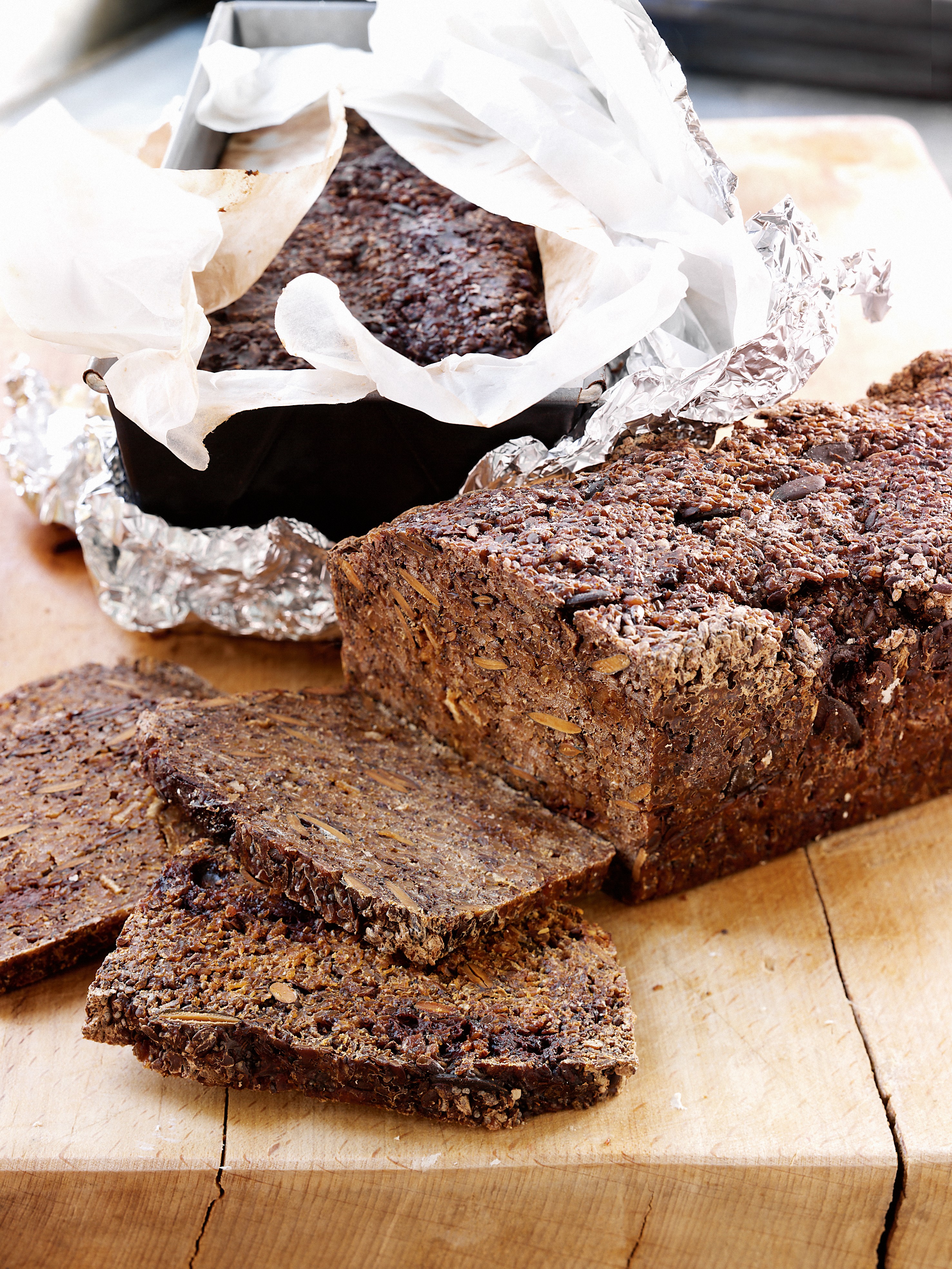
This doesn’t mean going carnivore (as a team that encourages all to enjoy climatarian diets, we highly discourage this) or only eating raw foods. In fact, there are so many ways to incorporate what your ancestors ate into your own meals. If you want more of a challenge, you can research period-appropriate recipes from the region of the world your family comes from. Or you can incorporate ingredients that are native to your ancestral lands into your week. For example, if your family is from Norway, add some dill to your plate every so often or switch out your jam for lingonberry jam. If you’re looking for a looser way to connect with your ancestors in an edible way, try using the preparation methods that they would have. If your family is from Denmark, as another example, try having your sandwich open-faced or cooking your bread over an open fire.
Wear clothing that would have matched your ancestors’ surrounding landscapes
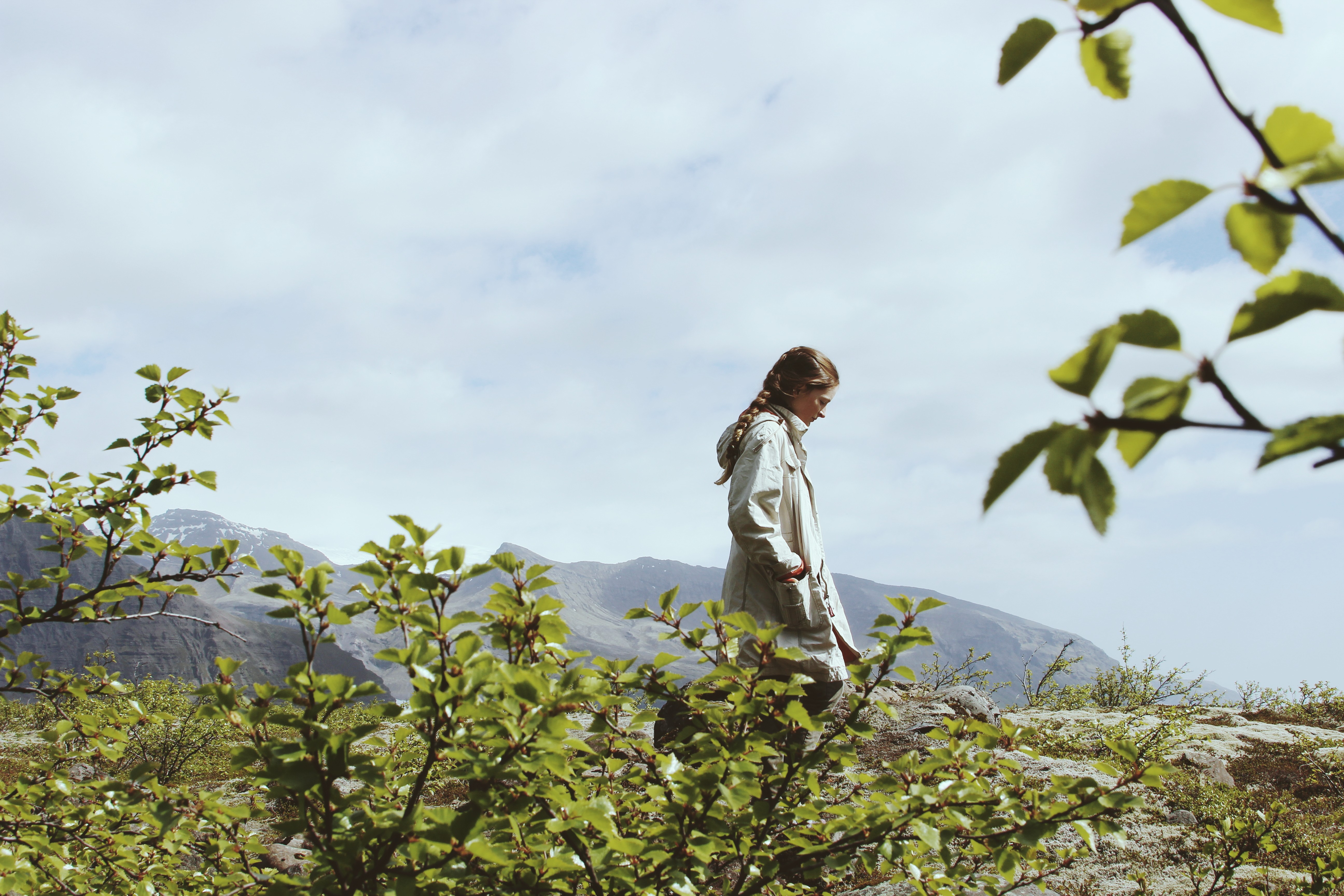
Is your family from the Arctic? If so, try wearing more icy shades to feel connected to their landscapes. Another way to use fashion to connect with your ancestors is to wear clothing that they would have worn. This can look like buying period clothing or incorporating pieces into your wardrobe that would work with the places that lived in. For example, if your family is from Britain, try wearing sweaters and rain-appropriate attire. Your outfit can be a reminder to think of your ancestors and a way to understand them a little better in a hands-on way.
Enjoy art pieces done by those from your ancestral territories or made when your ancestors lived
Read books written by authors from the countries your family comes from, or written at the time that your ancestors lived. You can also pick reads focused on your heritage. Buy art made in your ancestral lands or made by someone from there… or created at the time that your ancestors lived. The same can go for music. As you enjoy these different art genres, you build an understanding of the culture of your ancestors’ homelands and learn about those geographic locations through art.
Learn about your ancestors’ lives

This may sound obvious but in order to connect with your ancestors, it can help to know their names, how they lived, the years they lived, what their homelands looked like, what was going on in the world when they were around, and any other personal detail. Not everyone has access to information like their names or specific details about them as people, but everyone can learn about the nations they came from and what was going on globally approximately when they lived. If you do know their names, try to say them out loud often. This can make them feel like regular parts of your own life.
Add homages to your ancestors throughout your home
Whether you hang portraits of your ancestors, buy furniture from brands based in their countries, or hang paintings of their homelands, having nods to them around your living space can make you feel closer to your ancestors. If they lived somewhere cold, add some blankets to your living room. If they lived somewhere mountainous, put out some alpine photography. If they lived by the sea, use seashells as decorations. There are so many ways to honor your ancestors at home, so find ways to do so in a way that feels natural to you.
Notice and appreciate the attributes that they gave you

Are you strong and resilient? You might have gotten that from your Viking ancestors. Do you have light eyes? You might have inherited that from your British family. Are you a ginger? Thank your Celtic predecessors. So often people forget that so much of what makes them them is also what defined their ancestors. Try to spot who gave you what and most importantly, appreciate those attributes. Think about those people when you see these characteristics in the mirror or exhibit a personality trait they could have given you.
Embrace your ancestors’ habits
If you want to know what your ancestors’ lives looked like you can always try mirroring them. If your family is Finnish, consider using a sauna once a month or turning your shower cold for the last minute. If your ancestors lived somewhere with temperamental weather, try incorporating more layers into your wardrobe. If your family is Danish, embrace hygge. If you practice the habits of your ancestors, it could help you picture their lives better and feel closer to them as individuals. It can also affirm your own sense of self and belonging. You really can’t go wrong.
Appreciate what they didn’t have
It’s important not to get caught up romanticizing your ancestors’ lives. That can be fun, but it’s critical that you acknowledge that you enjoy a lot of privileges that they didn’t. you get to live a longer and more secure life, and while you need to appreciate your ancestors and what they experienced, this fact alone means that you must keep that gap in mind when thinking of them. Your ancestors would be thrilled to get to have a warm home and not have to spend all day looking for food. It’s arguably disrespectful to not understand that. Practice gratitude and remember to enjoy the things that they didn’t get to. Do it for them.
 Blinter Magazine
Leave a comment