

By Emily Iris Degn
While my mother’s side is Celtic and Bavarian, my father’s side is Danish and Norwegian (and British later on). I grew up feeling deeply connected to my ancestors’ traditions. We frequently ate traditional Nordic foods, celebrated holidays the Scandi way, and led lifestyles that were filled with northern practices such as hygge, layering clothing, and taking steams.
As an adult, I still practice all of these beautiful things. Foodwise? Ditto.
What do Nordic people eat?
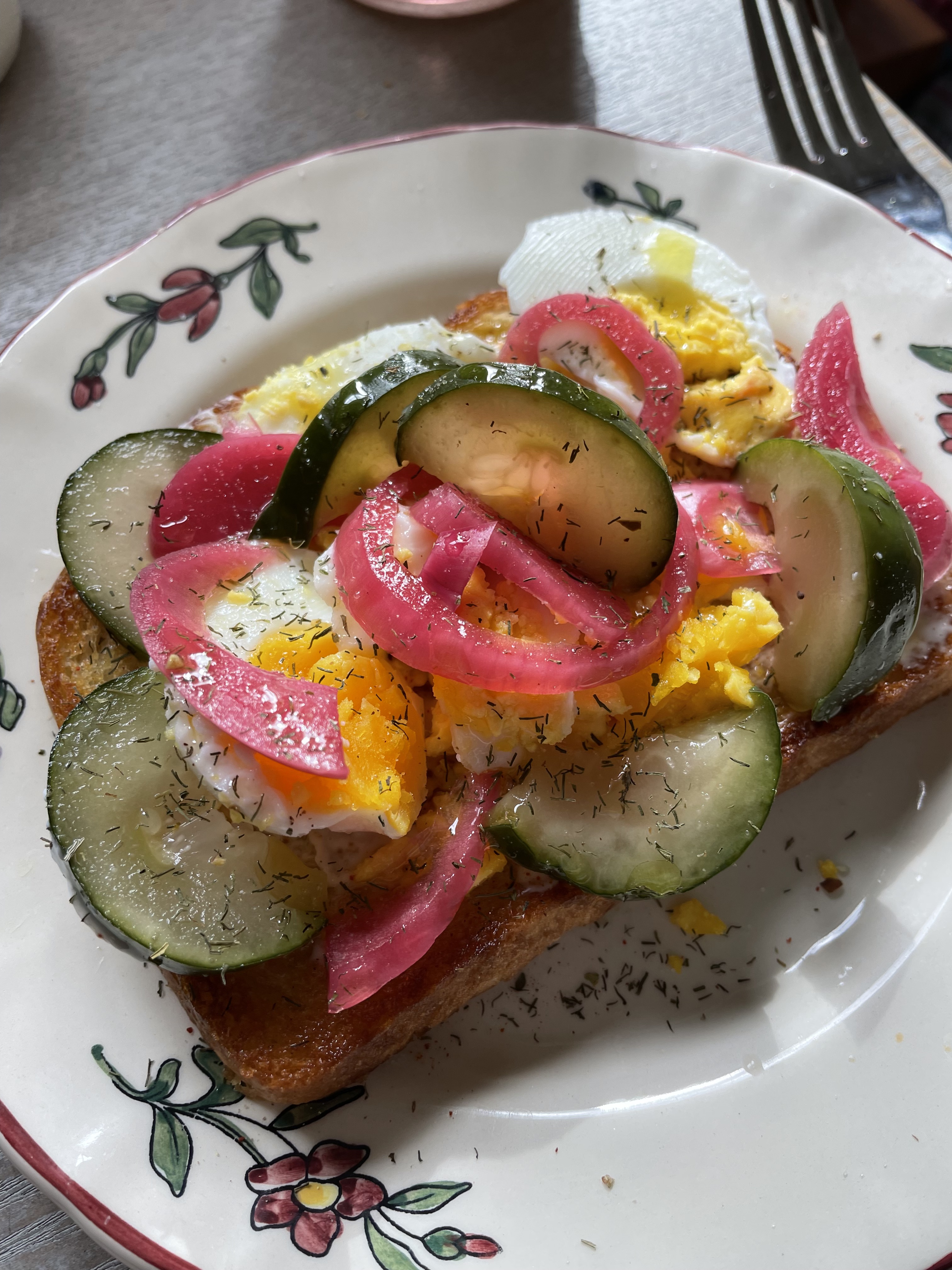
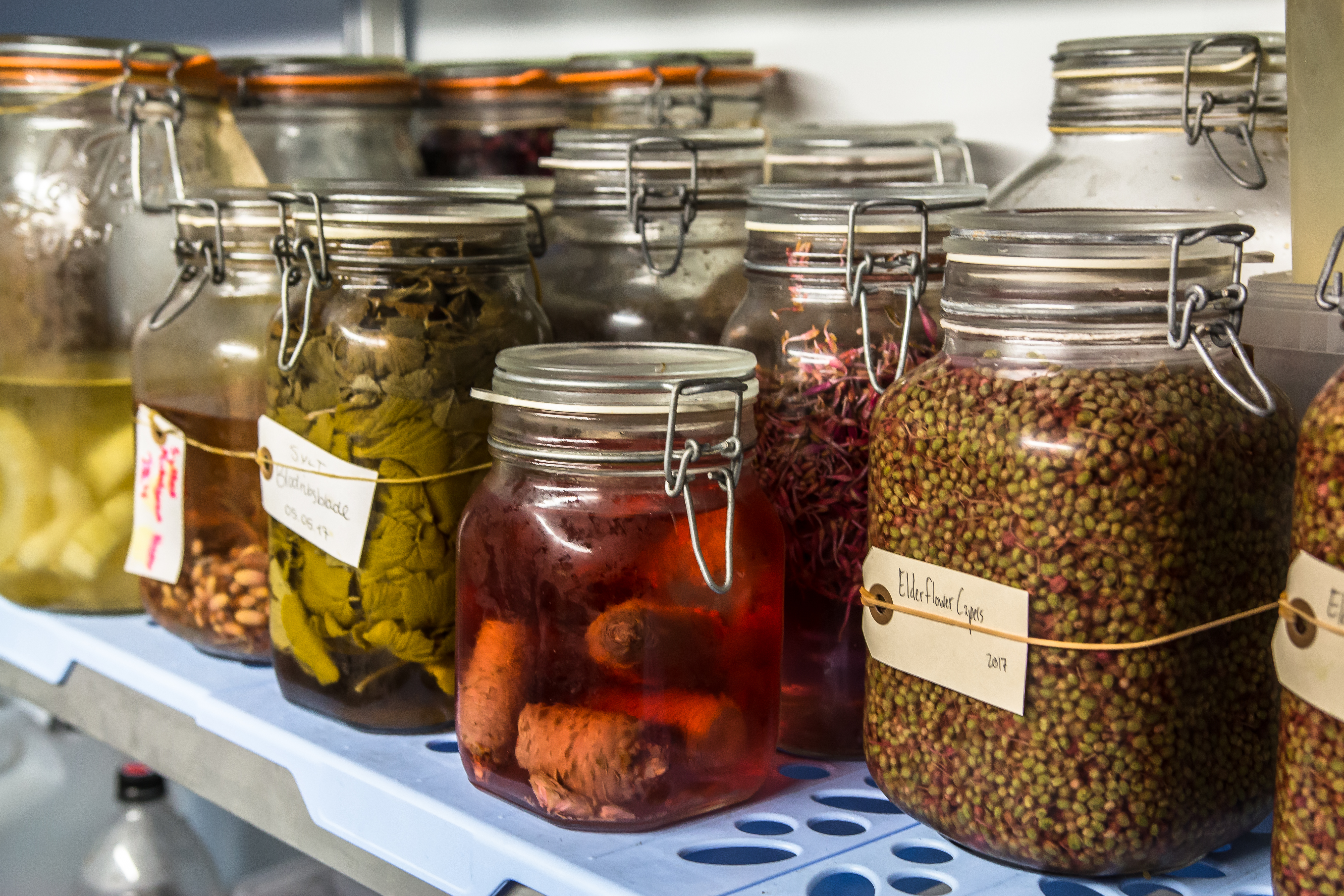
I always say you can tell how Nordic someone is based on the amount of pickles in their fridge. I’m proud to say we regularly have at least 4 different kinds. My point is not to brag about the number of fermented goodies I have at my fingertips. I bring this up to demonstrate that I’m a proud Danish and Norwegian woman, and I love my cuisine.
It’s exciting to see how popular my ancestors’ region has become in the worlds of fashion, film, and even literature (many of these realms have long been recognized as Nordic countries’ strong suits). However, though New Nordic cuisine is getting traction, overall the culinary traditions of this area of the world are often overlooked and even snubbed. And the truth is, I get it. People love their Italian, Mexican, and Japanese staple dishes. The spices, starches, and preparations are familiar and beloved in the United States. Who would turn down a bowl of spaghetti? Who would turn up their nose at a taco? But fermented herring? Brown cheese? Forget about it.
What makes Nordic food special?
This area of the world serves up foods that reflect fortitude; of people who could withstand long, dark winters and cross stormy seas. Therefore a lot of traditional dishes are pickled, salt-preserved, dried, or otherwise prepared in a way that suggests one of two things: either an adventure is afoot and we need food that can be transported or it’s the dark season and we need to make something filling with few ingredients. Simply put? The traditional Nordic diet is that of survivors and explorers.
What are some popular Nordic foods?
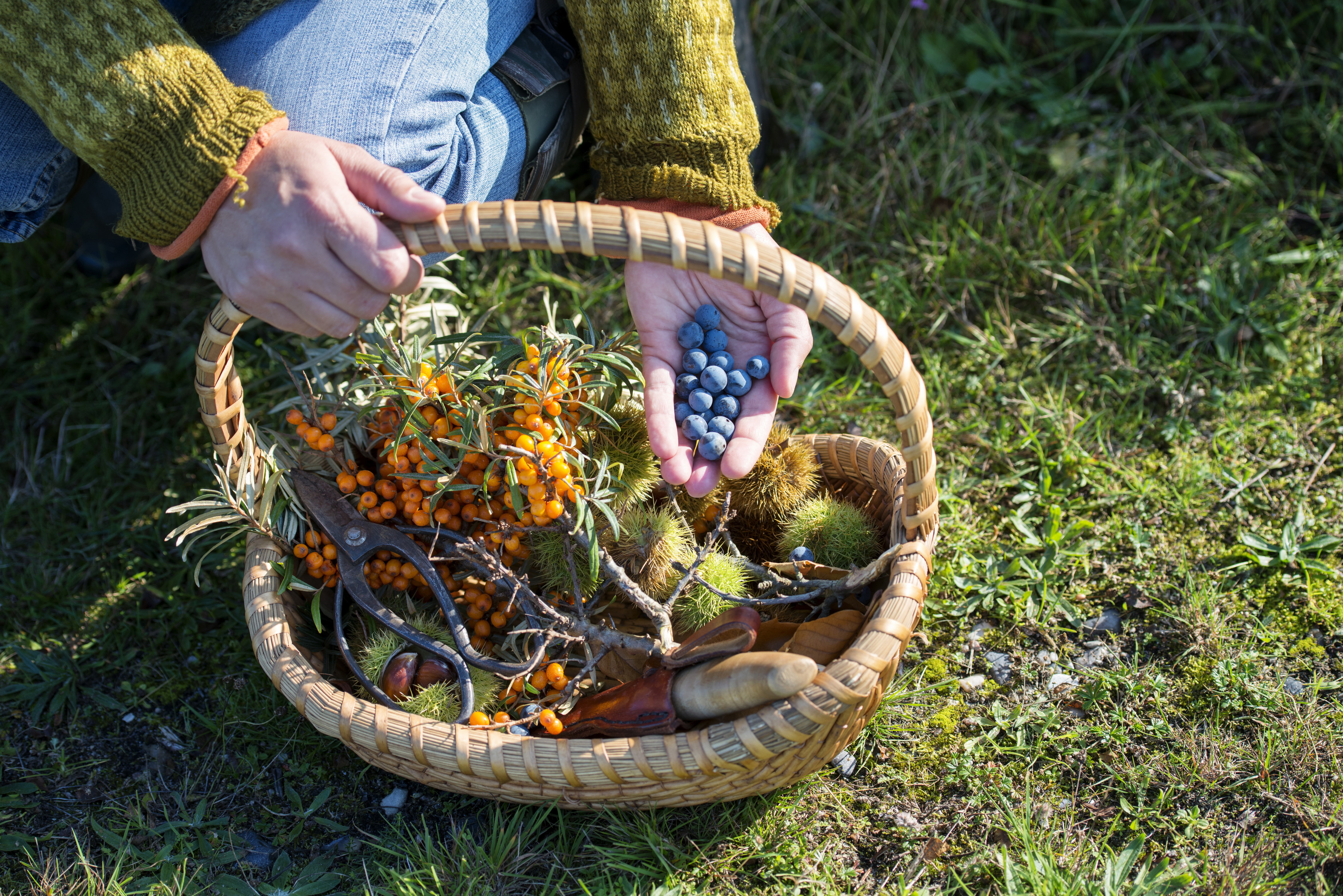
I’m under no illusions that Nordic food will become the new sweetheart of the American dinner table. But I know people are curious. Chefs are embracing these Arctic ingredients and as people start to don Scandi labels, they are starting to look for ways to bring that fresh and nature-inspired spirit to their plates.
If that sounds like you but you don’t know where to start, I’m here for you. Here are 20 Nordic dishes that I’d recommend for first-timers:
Lingonberry jam on rye bread
Okay so rye bread is not everyone’s thing, but it’s hearty and delicious. If you know you’re not a rye bread fan, try a milder version or one that isn’t encrusted with the seeds. Paired with the tart yet sweet lingonberry jam (the only thing I have to compare this fruit to is if a cranberry was combined with a currant), I think this is the quintessential Scandinavian bite. Bonus points if you add some Danish butter and warm up the bread.
Smørrebrød
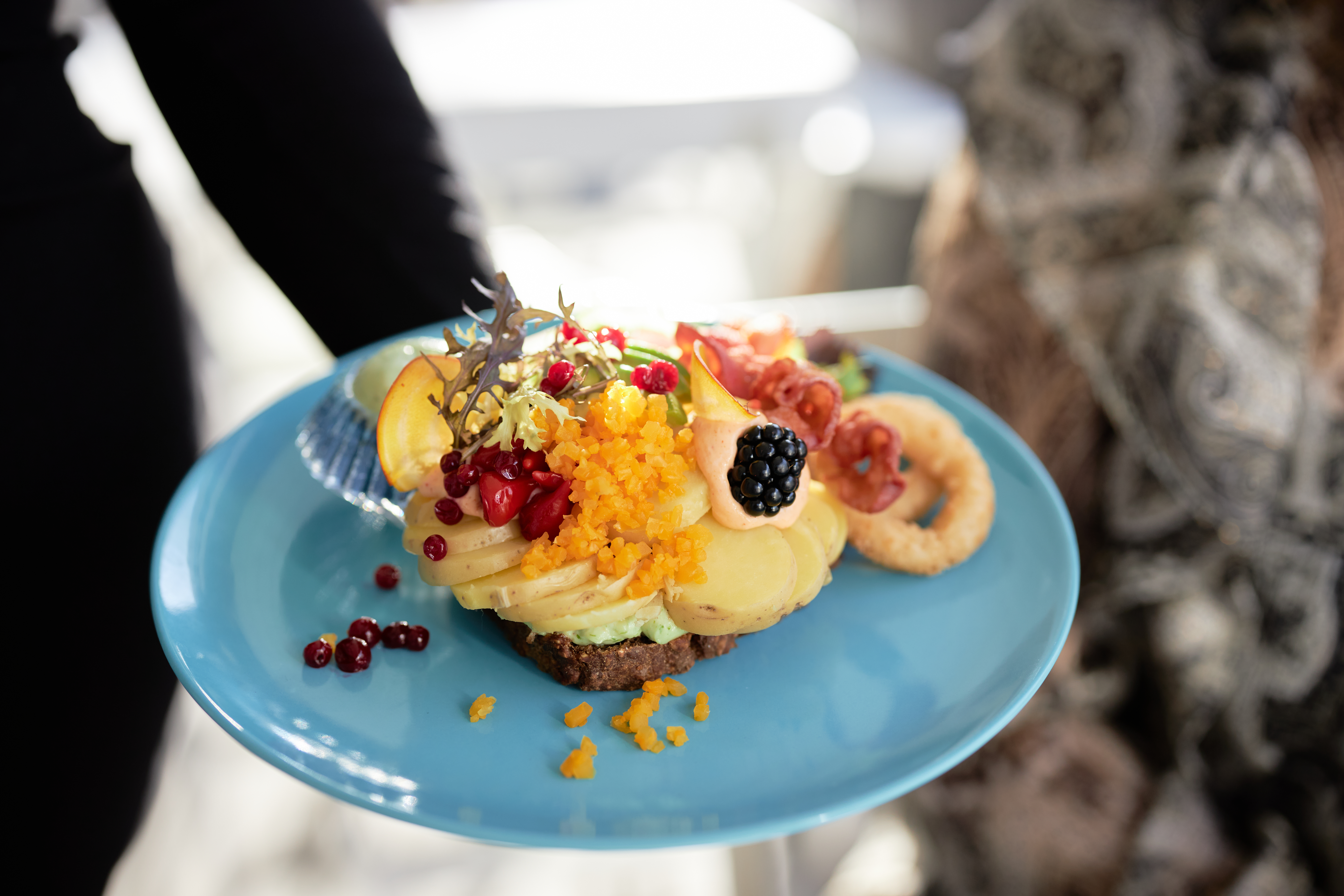
Ah, the open-faced sandwich. This is a staple in all Scandinavian countries. Most people go straight to this when they think of food from Scandinavia. This word is Danish, and in my ancestral country, this is almost exclusively what people eat for lunch. It’s perfect for a workday and it’s a lovely way to use up your leftovers. Though Danish people have extensive rules for how Smørrebrød should be prepared (like fish should only go on white breads, for example), you can be as creative as you’d like when making your own open-faced sandwich. If you’d like to have something authentic but don’t want to go full pickled herring, I recommend Kartoffelmad, a potato version that comes with fried onions and red onions (we Danes love our onions), remoulade (or mayonnaise if that’s what you have) and something green. I like green onions, chives, and dill. In the summer, I add sunflower shoots. It’s also common to add curry powder and vinegar.
A meatball plate
No matter what country you go to, in the north, meatballs tend to be served with agurksalat (pickled cucumber), lingonberry jam (or cranberry sauce if you don’t have that), mashed potatoes or boiled potatoes, something green (generally peas), and some sort of gravy. The type of meatball completely depends on which country you’re in. Most Americans are probably most familiar with the Swedish style of meatball, as Ikea has been dishing these up for years. These are round and mild in flavor. The Danish style, the Frikadeller, is more Viking in nature. Pan fried, large, and rugged in shape, this kind of Scandinavian meatball is particularly hearty. These are all very easy to make vegetarian as well!
Agurksalat
This was always in our fridge growing up. The pickled cucumber salad is simple and so easy to make. It has white vinegar, pepper, and, as is traditional in Norway but Denmark does this too, sugar. Most families have their own twist on this staple, but adding lots of parsley and dill is a common preparation. This is served with dinner, on eggs, inside sandwiches, and even just on crisp bread with Danish or Icelandic butter.
Gravlax
This is a traditional way of preparing salmon across the Nordic countries. Using salt and sugar, the fish is cured and preserved so that it becomes this smoky, tender, oceanic treat to be served however you like. Traditionally, most Scandinavians eat it with a sweet mustard sauce, herbs, and bread, but it’s also great with, you guessed it, lingonberry jam.
Räksmörgås
Okay so this is another open-faced sandwich, but despite including the classic elements of Scandinavian cuisine such as good bread and seafood, it’s distinctly Swedish. A white bread slice is topped with lettuce, hard-boiled eggs, cucumbers, tomatoes, lemon slices, dill, and a huge pile of shrimp. This usually also comes with mayonnaise, but I like to add Danish remoulade because it’s my favorite.
Pølse

Much to the surprise of many Americans, hot dogs are huge in Scandinavia. Veggie dogs are even gaining steam. While every country has its own special way of preparing them, most of them top their hot dogs with some sort of remoulade (Nordic people use remoulades like Americans use ketchup… a.k.a. on everything), crispy onions, raw onions, and something pickled. The Danish way is to use pickled cucumbers and curried remoulade sauce. Feeling more Icelandic? Pylsur, as they are called, comes with pylsusinnep (a sweet mustard) and ketchup on top of the remoulade. They often skimp on the pickles, maybe due to all the sauce. Norwegians like them on potato flatbreads, and they like to add ketchup, sweet mustard, and toppings such as shrimp or potato salad, grated cheese, and sweet relish. My favorite is for sure the Danish pølse, but feel free to experiment!
Lohikeitto
Who doesn’t love a good salmon soup? Us in the Pacific Northwest sure do. As my partner has Finnish ancestry and Finland is one of my top five favorite countries, I get excited any time I get to try something from the land of many lakes. Lohikeitto is a lot more herbaceous than American seafood soups and chowders. It’s also thinner, which I prefer. Many countries have their own versions of this dish, but the Finnish way is to have big chunks of good salmon, fish stock, leeks, potatoes, carrots, and cream all stirred together and topped with loads of dill. I add a little red chili flakes, but feel free to keep it traditional.
Rødkål
This was another thing my family made often, particularly during the holidays. Rødkål is braised red cabbage. It’s pickled with salt and sugar, making it a sweet and sour side dish that goes so well with potatoes, fish, sandwiches, and eggs. I love it on veggie dogs because it feels like a more well-rounded sauerkraut. If you’re not into cabbage, this is not for you, but I think it’s a simple and versatile dish for any Nordic novice.
Fiskefrikadeller

Danish fish cakes are something special. They’re huge and perfectly browned in the skillet. Served with remoulade and tons of herbs (dill, of course), these can be served as appetizers at a gathering or piled high as an entree. I love them, and they’re so much more flavorful than American fishcakes and sticks. Anyone who even slightly likes seafood will love these.
Flødekartofler
As a Danish person, I might be partial to Denmark’s dishes, but while all Nordic countries have a version of scalloped potatoes (Finland puts anchovies in theirs), I prefer the Danish Flødekartofler. It’s very simple, so if you’re picturing something very cheesy and topped with something crispy, this is not that. It’s very creamy, seasoned with pepper, thyme, and a pinch of nutmeg, and filled with potatoes and onions.
Humarsúpa
Another incredible seafood soup, this time from Iceland. I find this dish to be super similar to an American lobster bisque but less creamy and more flavorful. It’s tomato forward, and brightened with langoustine shells, curry powder (you’ll find this is a favorite spice in the north), onions, fish stock, and white wine. It’s the kind of soup that warms you from the inside. I will say this is more of an advanced cook if you’re making it at home, but the result makes it worth it. It’s also tough to find outside of Iceland, so that might be the only option.
Æbleskivers
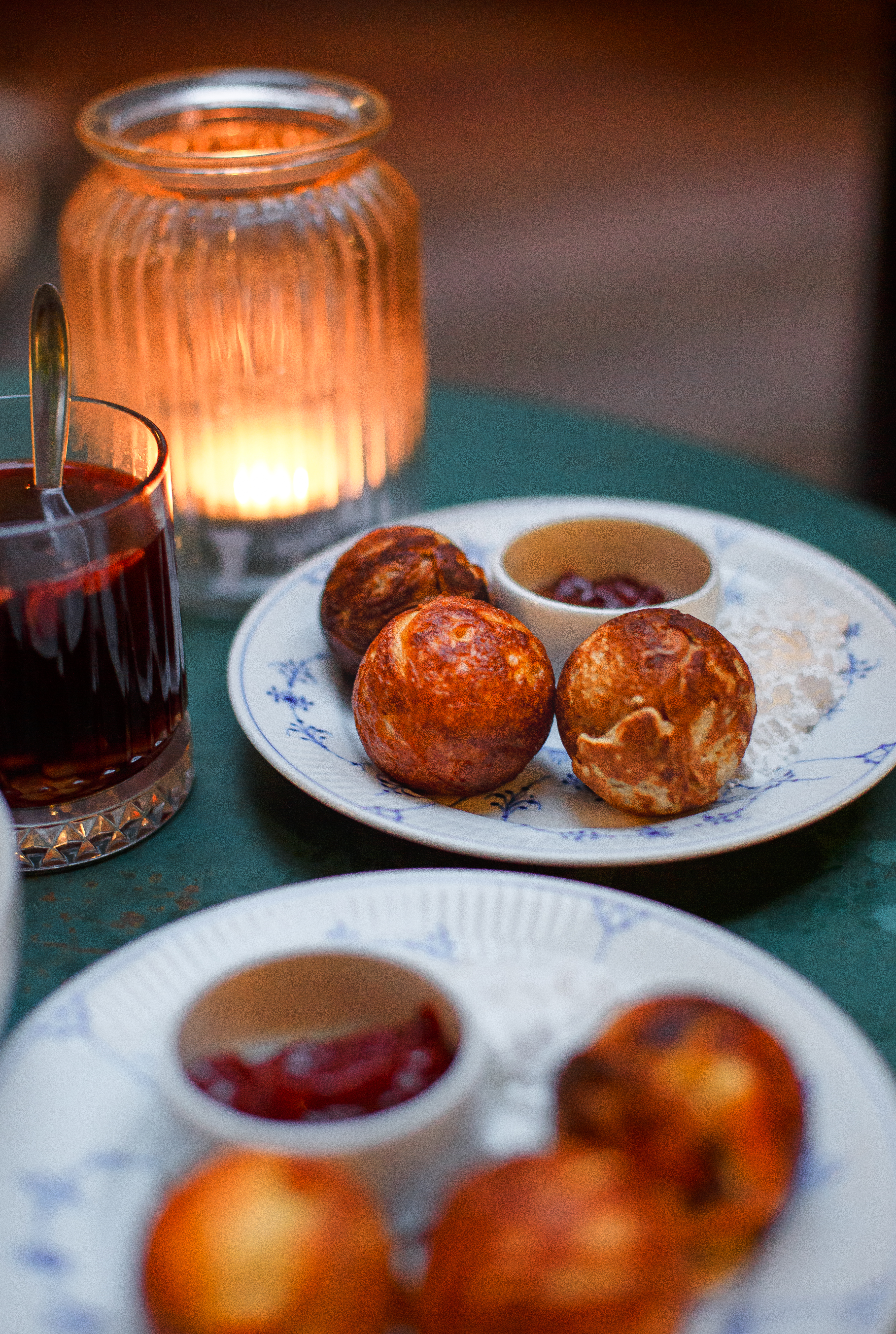
This is a treat that I grew up eating often. The Vikings ate these little apple dough balls over the fire for sustenance, but today, Danes make all kinds of ÆbleskiversKanelsnegle, even though apple is literally in the name. I used to request this for my birthday and I have so many memories of eating these on snowy nights and for Christmas Eve breakfast. You need a special pan to make these (I inherited my family’s pan, and it’s among my most treasured possessions), but some Scandinavian cafes are starting to serve these. My favorite is apple cranberry, but even plain ones are fantastic. We always served these with powdered sugar and maple syrup, but some just do honey.
Lefse
Scandinavia is known for its desserts. Many countries have their own holidays dedicated to their regional sweets. Lefse is the pride of Norway. This thin, sweet pancake is compared by most Americans to the French crepe, and like its Franco cousin, it can be served sweet or savory. I recommend sweet with cinnamon and sugar. You can add lingonberry or cloudberry jam if you’d like to add a little brightness. However, to each their own, so if you are more of a savory person, try this: smoked salmon, pickled red onions, cream cheese, and loads of dill.
Skyr
This is the best yogurt. Period. I love a good Greek or Aussie yogurt but Skyr is the most creamy, tangy, and rich I’ve ever had. It also makes me feel close to my ancestors. It’s probably the dish that even the pickiest eaters will love. Most have it with berries and honey. For a true Scandi preparation, I recommend lingonberries, cloudberries, or blueberries.
Jordgubbstårta
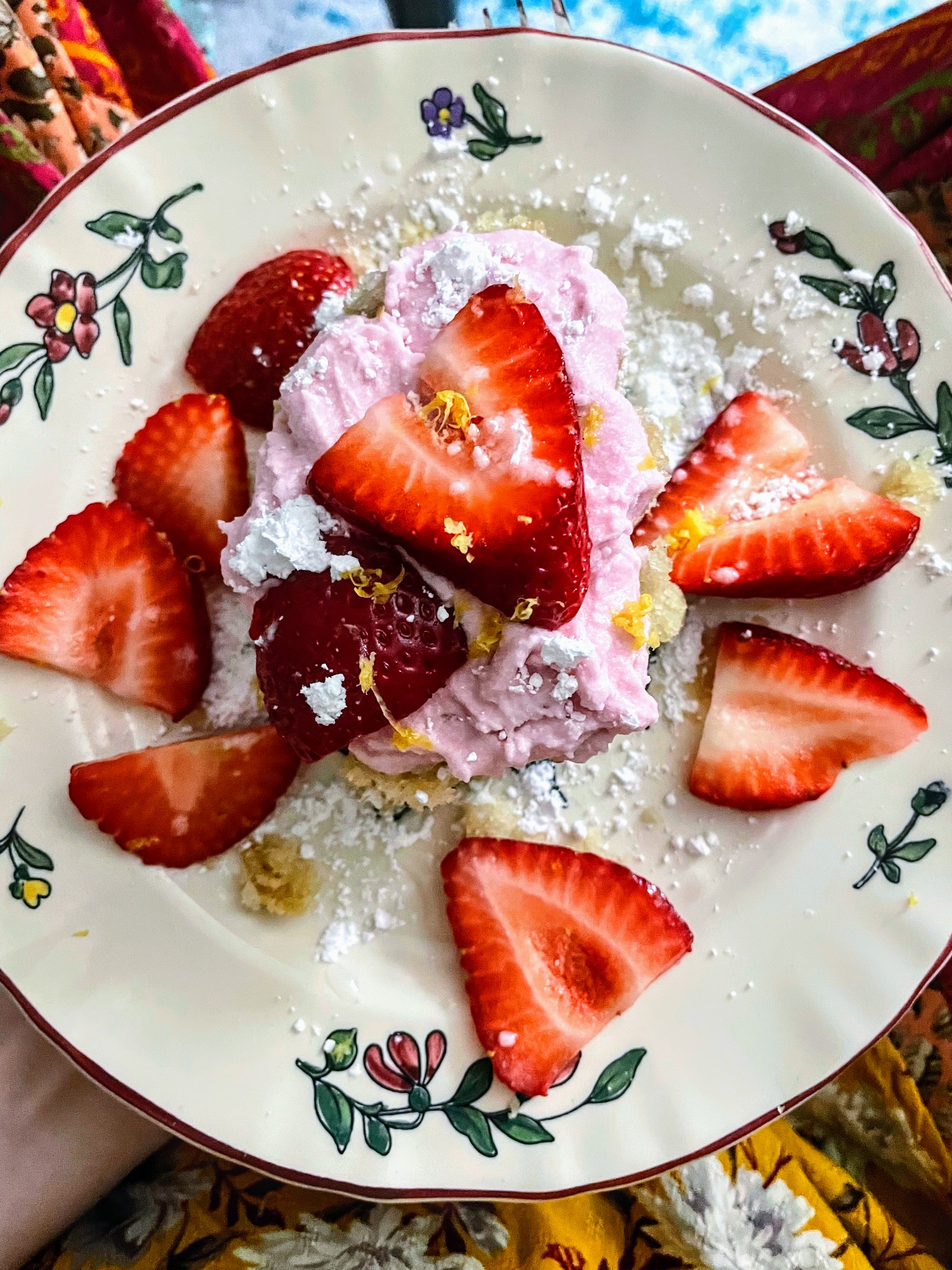
Swedish strawberry cake. Need I say more? This is a popular pick for Midsommar feasts, but it’s so good that plenty of us make it all year. This is a sponge cake with cream, strawberry jam, and fresh strawberries. A lot of people add something bright like lemon zest or lemon curd and garnish with fresh flowers. It’s just a gorgeous dessert and I have absolutely no notes.
Lummur
These Icelandic pancakes are thicker than American pancakes thanks to a stickier dough that involves oatmeal. Iceland is my favorite country in the world, and this dish makes me feel like I’m back in that land of fire and ice. The filling preparation method feels like an edible nod to the long winters and rugged landscapes that define Iceland and the lifestyles of its people. Lummur is a fantastic meal for winter mornings and can be eaten sweet or savory. I have a sweet tooth, so I love them with caramelized apples and maple syrup.
Kanelsnegle
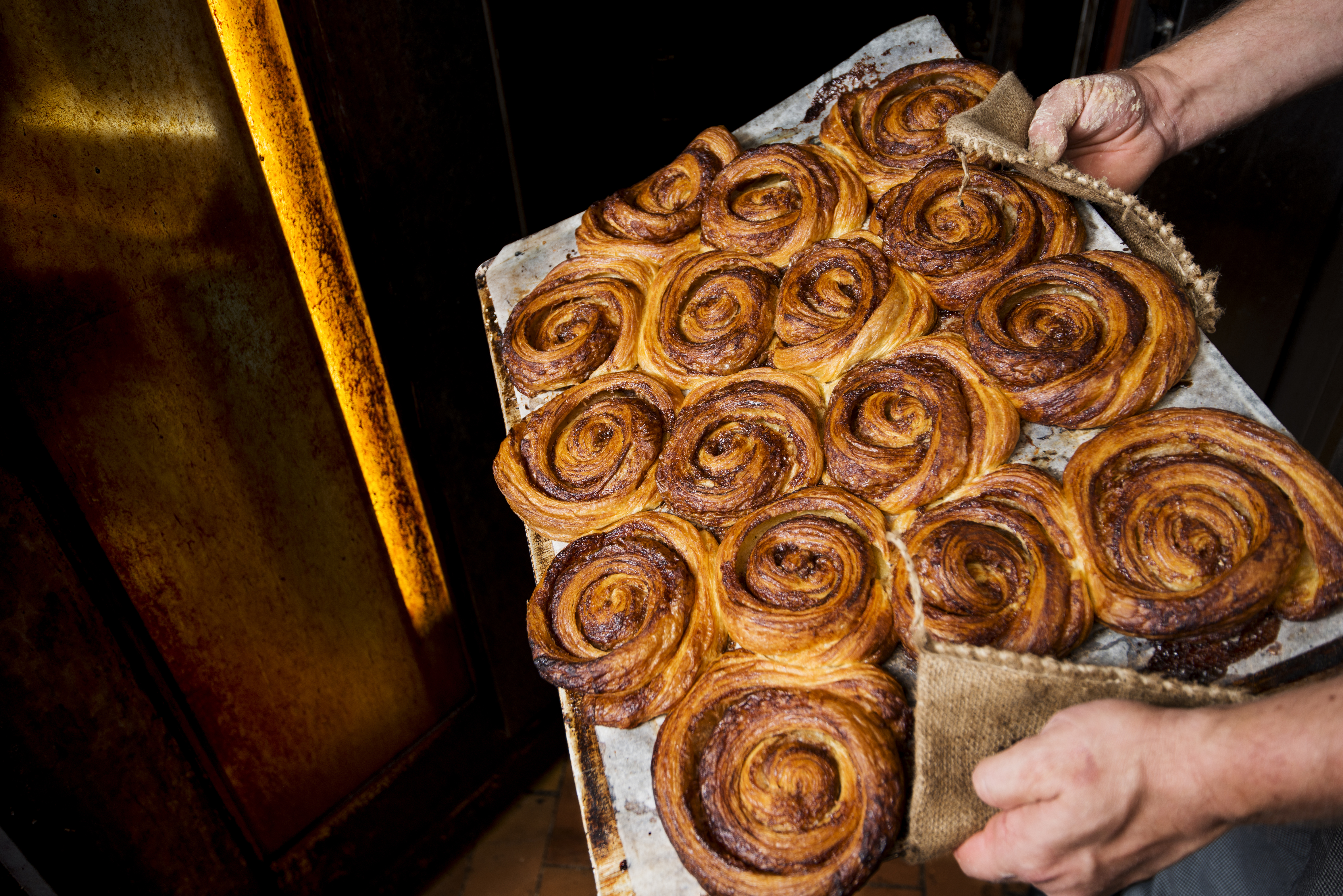
Danish cinnamon rolls are to die for. They taste more cinnamon-y to me, and I appreciate that they’re very cardamom-forward. Think of American cinnamon rolls but with crispier dough and the spice level turned way up. Another thing I appreciate? Kanelsnegle means “cinnamon snail.” If you’re into cinnamon at all, this is a great introduction to Scandinavian pastry.
Risengrød
Another Danish treat or breakfast item, this is a Nordic rice pudding. I know a lot of Americans don’t typically eat rice pudding, but this is so similar to porridge that I thought this would be a great dish to try if you’re new to northern foods. It’s served with milk, cinnamon, sugar, and butter. This tends to be served for Christmas but lots of Scandis have started eating it all year around, me included.
Trollkrem
Mix lingonberry jam, sugar, vanilla, and egg whites together you get Trollkrem, Norway’s pink dessert. It’s sweet and tart and light as air. It’s a Nordic mousse, and it’s fabulous. If you’re vegan, you can replace the egg whites with aquafaba.

 Blinter Magazine
Leave a comment